
The allure of a perfectly cooked steak transcends mere sustenance; it represents a culinary journey, a statement of refined taste, and often, a cherished memory. For the discerning palate, whether experienced in the luxurious dining rooms of a Four Seasons resort or savored in the comfort of a gourmet Airbnb apartment overlooking the Amalfi Coast, preparing a New York Strip Steak is an art form. This iconic cut, known for its superb balance of tenderness and robust beefy flavor, is a staple in high-end steakhouses from New York City to Tokyo. But its mastery isn’t exclusive to professional chefs. With the right approach, anyone can recreate that unforgettable steakhouse experience, making it a cornerstone of a sophisticated lifestyle and a highlight of any culinary adventure.
This guide delves into the nuances of preparing a New York Strip, ensuring that every bite is a testament to quality and technique. We’ll explore everything from selecting the finest cut to mastering the cooking methods, and even how this classic dish integrates into the broader landscape of travel and hospitality. Imagine hosting friends in a chic villa in France, presenting them with a steak rivaling those found in the bistros of Paris, or perhaps a romantic dinner in your temporary London flat, celebrating the day’s exploration of historic landmarks. The New York Strip is more than just a meal; it’s an experience waiting to be crafted.
The Art of Selecting Your New York Strip
The foundation of an exceptional steak lies long before it touches a pan or grill. It begins with careful selection. Just as an architect considers the blueprints for a magnificent structure, a home chef must understand the characteristics that define a superior New York Strip. This initial step is paramount, influencing everything from texture to flavor, and ultimately, the success of your culinary endeavor.
Understanding the Cut and Quality
The New York Strip, also known as a Kansas City Strip, ambassador steak, or sirloin steak (depending on the region and bone-in vs. boneless), comes from the short loin of the cow. It’s characterized by a fine grain, a strip of fat along one edge, and often, a small “eye” of fat within the muscle. This cut offers a perfect blend of tenderness and chew, along with a rich, beefy flavor that many connoisseurs prefer over the more tender but less flavorful tenderloin.
When selecting your steak, look for several key indicators of quality:
- Marbling: This refers to the intramuscular fat flecks visible within the lean meat. Excellent marbling is crucial for flavor and juiciness. It melts during cooking, basting the meat from within. Look for steaks with abundant, evenly distributed white flecks. This is particularly important for premium cuts like Wagyu or top-tier Angus beef.
- Thickness: Aim for a steak that is at least 1.25 to 1.5 inches thick. Thicker steaks are easier to cook to a perfect medium-rare without overcooking the exterior, allowing for a beautiful crust to develop.
- Color: The meat should be a vibrant cherry-red, indicating freshness. Avoid steaks that look dull or brownish.
- Aging: Many premium steaks are dry-aged or wet-aged. Dry-aging, a process where beef is aged for weeks in a controlled environment, concentrates flavor and tenderizes the meat, resulting in a distinct nutty, intense beef flavor. Wet-aging is more common and involves vacuum-sealing the meat to age in its own juices, yielding a milder flavor and slightly different texture. Inquire about the aging process when purchasing.
Sourcing the Best: From Local Butchers to Global Delights
Where you purchase your steak is almost as important as the steak itself. While grocery store chains in the United States offer convenience, a dedicated local butcher shop often provides superior quality and expertise. A good butcher can guide you on the best cuts, explain aging processes, and even custom-cut a steak to your exact specifications. They are a valuable resource, much like a seasoned travel guide in an unfamiliar city, pointing you to hidden gems.
For those with a penchant for culinary exploration, consider the global origins of fine beef. Argentina is world-renowned for its grass-fed beef, often enjoyed at traditional parrillas. In Japan, the meticulously marbled Wagyu beef offers an unparalleled melt-in-your-mouth experience. Even countries like Australia and Canada are celebrated for their high-quality beef exports. While you might not be buying your everyday steak from these international sources, understanding these global standards enriches your appreciation for quality. When staying in a luxury Hyatt Regency or Ritz-Carlton property with kitchenettes, seeking out local specialty butchers can become a delightful part of your travel experience, transforming a simple meal into a memorable culinary adventure that celebrates local culture and produce.
Mastering the Preparation: From Pan to Plate
Once you have secured your prime New York Strip, the journey truly begins. Cooking a steak to perfection involves a series of precise steps, each contributing to the final masterpiece. Think of it as navigating a well-planned itinerary; skipping a step can lead to a less-than-ideal outcome, but following the map meticulously guarantees a rewarding arrival.
Essential Seasoning and Resting Techniques
Before any heat is applied, proper preparation is key.
- Bring to Room Temperature: Remove your steak from the refrigerator at least 30-60 minutes before cooking. This allows the meat to cook more evenly from edge to center, preventing a cold, undercooked interior and an overcooked exterior.
- Pat Dry: Moisture is the enemy of a good sear. Use paper towels to thoroughly pat both sides of the steak dry. Excess surface moisture will steam the meat instead of searing it, inhibiting the formation of that coveted crust.
- Season Generously: For a New York Strip, simplicity often reigns supreme. Coarse sea salt and freshly cracked black pepper are typically all you need. Apply generously to both sides, ensuring full coverage. The salt not only flavors the meat but also helps in developing the crust. Some chefs prefer to salt the steak hours in advance (dry brining), which draws moisture out then reabsorbs it, leading to a juicier steak. Experiment to find your preference. For those who enjoy a bit more flair, a pinch of garlic powder or a specialty steak rub can add complexity, but always allow the inherent beef flavor to shine.
The Perfect Sear: Achieving a Flavorful Crust
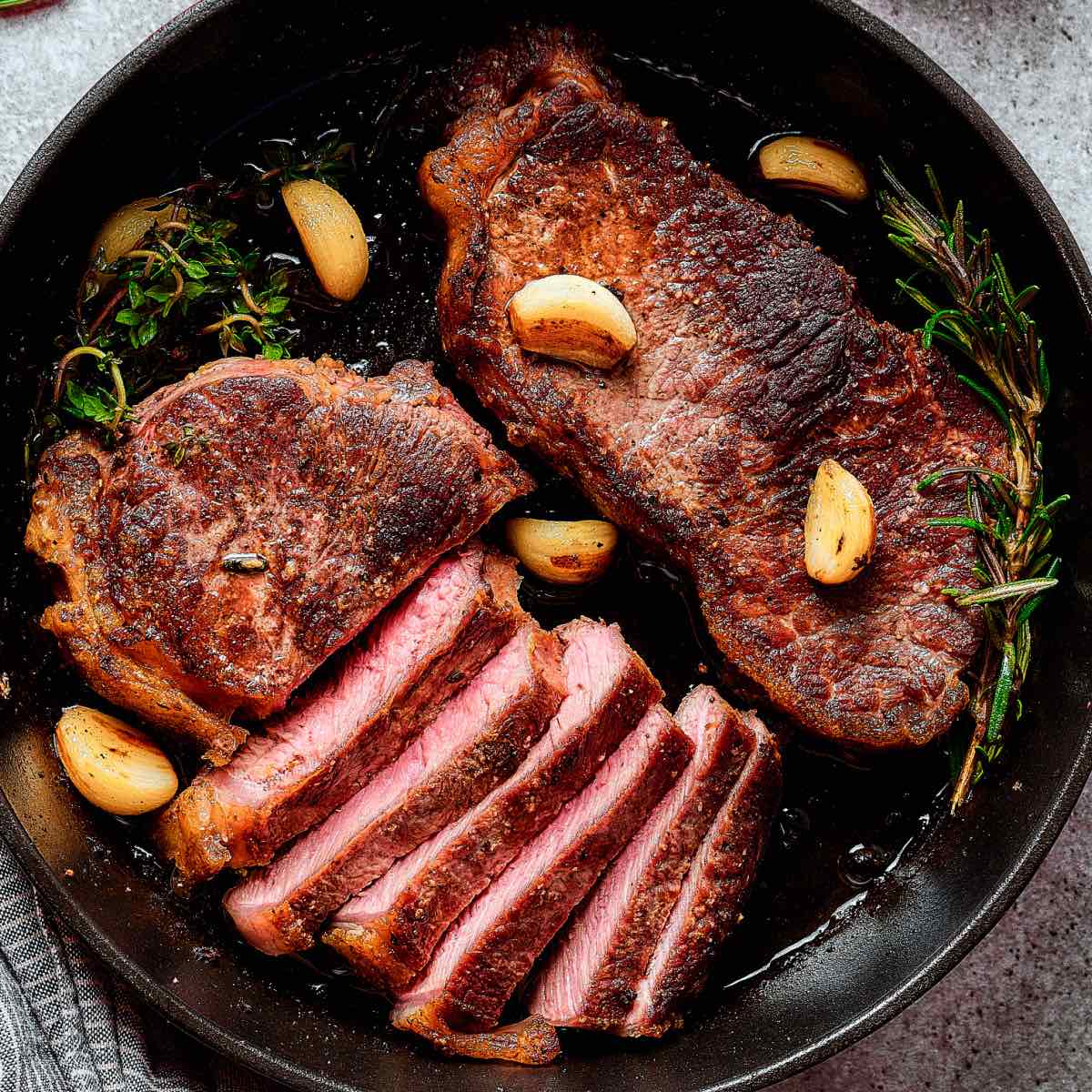
The sear is where the magic happens, developing the rich, savory crust through the Maillard reaction. This is the hallmark of a great steak.
- Choose Your Pan: A heavy-bottomed cast-iron skillet is the undisputed champion for searing steaks. Its ability to retain and distribute heat evenly is unparalleled. Stainless steel can also work, but cast iron typically delivers superior results. For those cooking in high-end rental properties in Dubai or a serviced apartment in Singapore, you might find a fully equipped kitchen with professional-grade cookware.
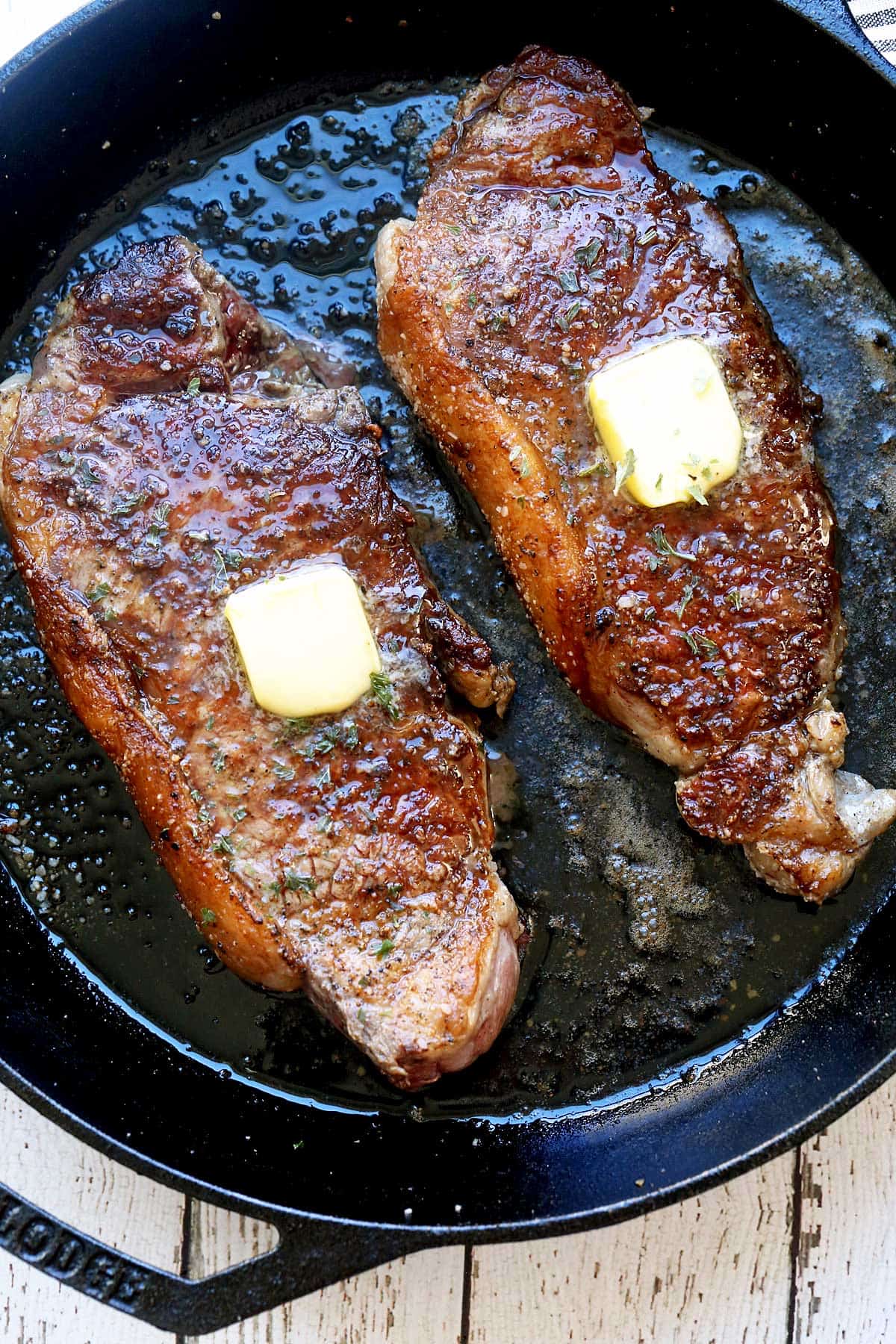
- High Heat and Oil: Place your skillet over high heat for several minutes until it’s smoking lightly. Add a high-smoke-point oil (like grapeseed, avocado, or canola oil) to lightly coat the bottom of the pan – just enough to create a thin sheen. Be cautious not to use too much oil, as it can hinder crust formation.
- Sear Each Side: Carefully place the steak in the hot skillet. You should hear an immediate, vigorous sizzle. Cook for 2-3 minutes per side for a 1.5-inch thick steak, without moving it. Resist the urge to peek or move the steak; let that crust form!
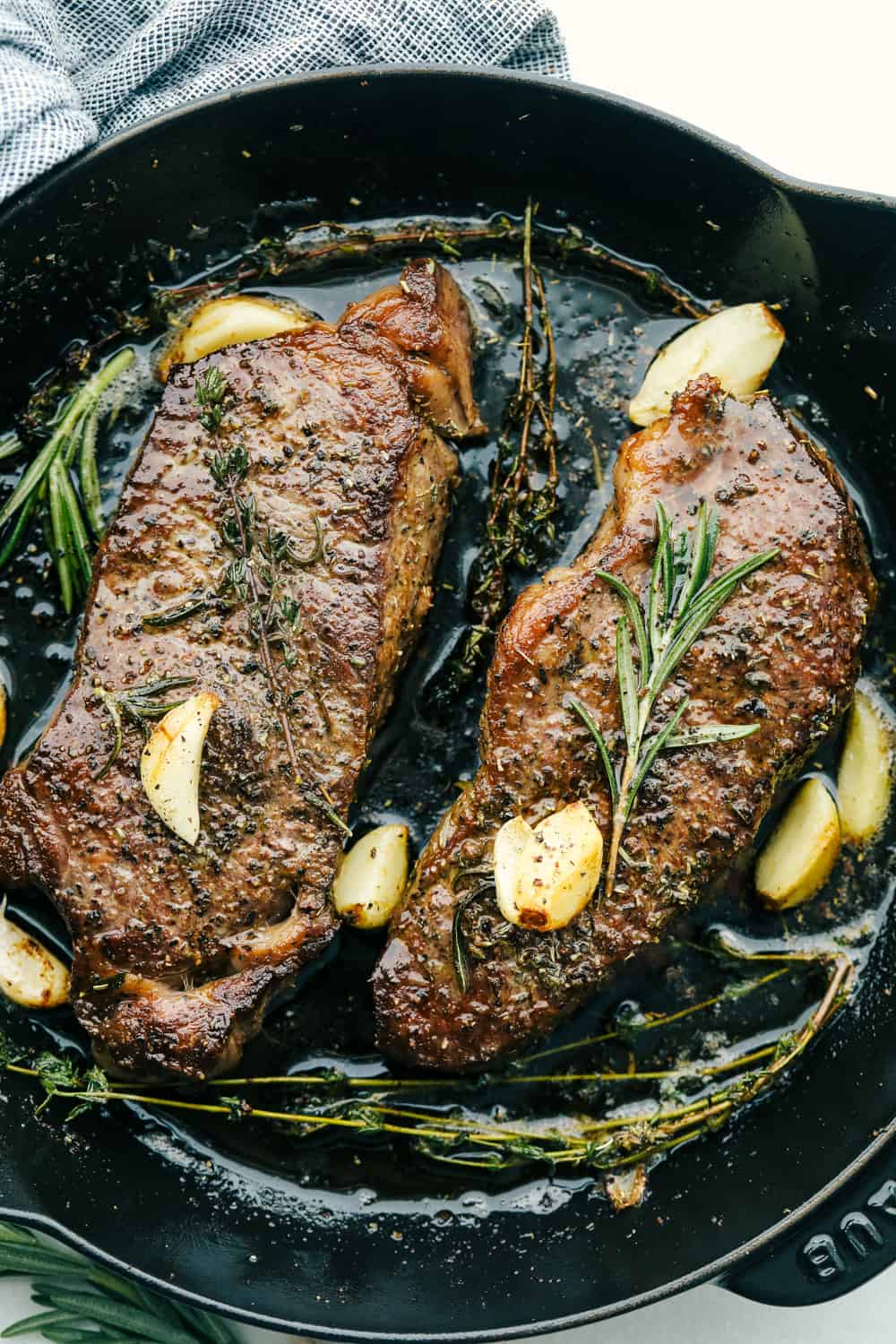
- Basting and Finishing: Once both sides have a beautiful brown crust, you can reduce the heat to medium and add a knob of butter, a sprig of fresh rosemary or thyme, and a crushed garlic clove to the pan. Tilt the pan slightly and, using a spoon, continuously baste the melted butter and aromatics over the steak for another 1-2 minutes, flipping once or twice. This infuses the steak with incredible flavor and helps to achieve an even cook. For thicker steaks, you might transfer the skillet to a preheated oven (around 375-400°F or 190-200°C) for a few minutes to finish cooking to your desired doneness, especially if you’re aiming for anything beyond medium-rare.
Doneness and The Critical Rest
Knowing when your steak is perfectly cooked is a skill developed with practice, but a reliable meat thermometer is your best friend.
-
Temperature Guide (Remove steak 5°F/3°C before target as it will continue cooking while resting):
- Rare: 120-125°F (49-52°C) – Cool red center.
- Medium-Rare: 130-135°F (54-57°C) – Warm red center (often considered ideal).
- Medium: 135-140°F (57-60°C) – Warm pink center.
- Medium-Well: 140-145°F (60-63°C) – Slightly pink center.
- Well-Done: 150-155°F (66-68°C) – Little to no pink.
-
The Rest is Best: This is perhaps the most crucial, yet often overlooked, step. Once your steak reaches the desired internal temperature, immediately remove it from the pan and place it on a cutting board or a wire rack. Tent it loosely with foil. Let it rest for 5-10 minutes (longer for thicker cuts). This allows the juices, which have been driven to the center by the heat, to redistribute evenly throughout the meat. Cutting into a steak too soon will result in juices spilling out, leaving you with a dry, less flavorful experience. Many high-end establishments, from St. Regis hotels to Michelin Guide-starred restaurants in Rome and Milan, meticulously adhere to this resting period to ensure every dish is perfect.
Elevating the Experience: Pairings and Global Inspirations
A great steak is a destination in itself, but like any memorable travel experience, it’s often enhanced by its surroundings and complementary elements. Thinking beyond the plate allows you to craft a complete culinary journey.
Complementary Sides and Sauces
While the New York Strip can stand proudly on its own, thoughtful accompaniments can elevate the meal from excellent to extraordinary.
- Classic Sides: Creamy mashed potatoes, crispy roasted asparagus, a fresh garden salad with a light vinaigrette, or garlicky sautéed spinach are timeless choices. For a touch of elegance, consider gratin dauphinoise or a wild mushroom risotto.
- Sauces: A simple pan sauce made with the drippings from the skillet, a splash of red wine or beef broth, and a pat of butter can be superb. Other popular choices include a classic béarnaise or hollandaise, a robust peppercorn sauce, or a bright chimichurri (a nod to South American culinary traditions). When traveling, consider local flavors; a salsa verde in Spain or a rich reduction in a Swiss chalet could inspire your steak accompaniment.
A Taste of Travel: Steaks Around the World
The preparation of steak, while universal, takes on unique characteristics in different cultures, reflecting local ingredients and culinary philosophies.
- In Argentina, steak is often grilled over open flames (asado) and served simply with chimichurri and a glass of Malbec. The focus is on the quality of the beef and the primal cooking method.
- Italy boasts the famous Bistecca alla Fiorentina, a thick-cut, bone-in porterhouse or T-bone, typically cooked very rare over coals and seasoned simply with salt and pepper.
- In the gastronomic hubs of Japan, Wagyu beef is often served in smaller, exquisitely prepared portions, perhaps seared on a teppanyaki grill or as part of a multi-course kaiseki meal, emphasizing its unique marbling and tenderness.
- Even within the United States, regional preferences emerge. Steakhouses in Chicago are known for their robust, dry-aged cuts, while those in Las Vegas might focus on innovative preparations and lavish presentations. Exploring these regional variations is a fantastic aspect of culinary tourism, much like discovering a hidden gem in Portugal or a secluded beach in Bora Bora.
Beyond the Plate: New York Strip as a Lifestyle Statement
Preparing a New York Strip isn’t just about cooking; it’s an embrace of a certain lifestyle. It speaks to an appreciation for quality, a desire for culinary excellence, and the joy of creating memorable experiences, whether at home or during your travels.
Recreating Restaurant Quality at Home or Abroad
Many travelers yearn to bring a piece of their luxurious vacation experiences home with them. Recreating a steakhouse-quality New York Strip in your own kitchen or a well-appointed hotel suite or villa is a tangible way to do this. Imagine returning from a day exploring historic sites in Athens or marveling at the Great Barrier Reef in Australia, and then settling down to a meal that rivals the finest dining establishments. Hotels like the Mandarin Oriental or a Shangri-La resort often feature exquisite restaurants, and mastering a signature dish like the New York Strip allows you to tap into that same standard of quality.
For long-term stays or those who prefer self-catering accommodation, possessing the skill to prepare such a dish enhances the entire travel experience. It transforms a simple rental into a personal gourmet kitchen, offering flexibility and the joy of hands-on creation. This aspect of “food tourism” empowers travelers to delve deeper into local culinary scenes by selecting ingredients from local markets, a delightful activity in itself, and then applying world-class techniques. You could be staying at a Hilton in Sydney or a Conrad Hotels property in Los Angeles, and still enjoy a personalized fine-dining experience without leaving your room.
Culinary Journeys and the Joys of Fine Dining
The journey of mastering the New York Strip mirrors the broader journey of life and travel. It involves research, preparation, execution, and reflection. Each steak you cook is an opportunity to refine your technique, much like each trip you take offers new perspectives and experiences. This pursuit of culinary excellence is a form of luxury living, emphasizing quality over quantity and experience over mere consumption.
From attending gourmet cooking classes in Tuscany to savoring a meticulously prepared steak at a Waldorf Astoria hotel, the world of fine dining and culinary exploration is vast. The knowledge gained from preparing a perfect New York Strip equips you with a fundamental skill that opens doors to understanding countless other dishes and culinary traditions. It’s an investment in your lifestyle, enhancing your enjoyment of food and turning every meal into a potential highlight, whether you’re climbing Machu Picchu or simply enjoying a quiet evening at home. The ability to create such a dish truly embodies the essence of living a life out of the box, where every meal can be an adventure.
In conclusion, preparing a New York Strip Steak is far more than just cooking meat. It is a mindful process that connects us to quality ingredients, time-honored techniques, and global culinary traditions. By embracing the nuances of selection, seasoning, searing, and resting, you don’t just cook a meal; you craft an experience. This skill empowers you to enjoy restaurant-quality dining in any setting, whether it’s your home kitchen or a luxurious accommodation in a far-flung destination, truly integrating the art of steak preparation into a vibrant, cultured, and well-traveled lifestyle. It transforms every steak into a destination, a moment of delight, and a testament to your culinary journey.
LifeOutOfTheBox is a participant in the Amazon Services LLC Associates Program, an affiliate advertising program designed to provide a means for sites to earn advertising fees by advertising and linking to Amazon.com. Amazon, the Amazon logo, AmazonSupply, and the AmazonSupply logo are trademarks of Amazon.com, Inc. or its affiliates. As an Amazon Associate we earn affiliate commissions from qualifying purchases.