
Navigating the landscape of social assistance programs can sometimes feel like exploring an unfamiliar territory, requiring a map and a clear understanding of the terrain. For residents of California seeking assistance with food security, understanding the CalFresh program, commonly known as food stamps, is crucial. This program, overseen by the California Department of Social Services (CDSS), aims to provide vital nutritional support to low-income individuals and families. If you’re wondering about the eligibility requirements and how to embark on the application journey, this guide will illuminate the path.
Understanding CalFresh Eligibility Requirements
The core of qualifying for CalFresh in California revolves around meeting specific income and resource guidelines, as well as adhering to certain program rules. These regulations are designed to ensure that benefits are directed to those who genuinely need them most. It’s important to note that eligibility can vary based on household size, age, disability status, and other individual circumstances.
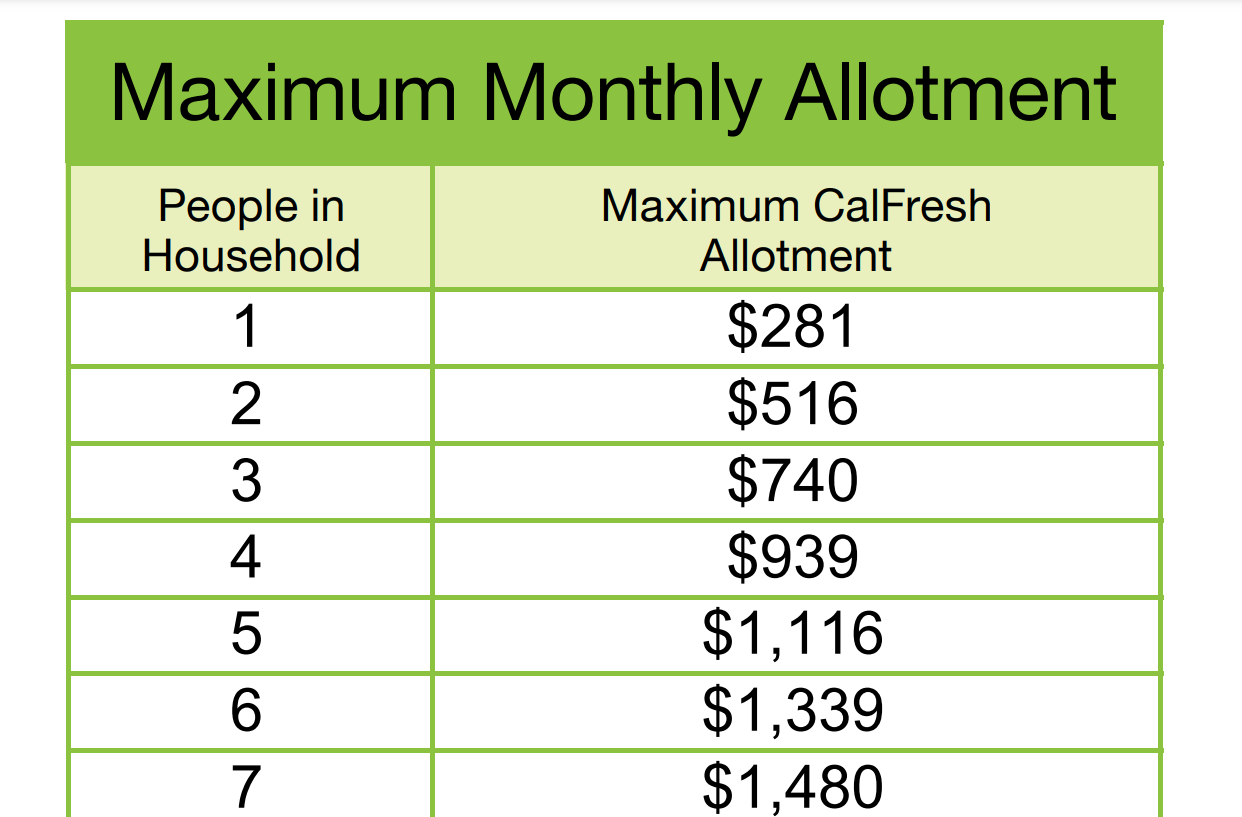
Income Thresholds: The Foundation of Eligibility
One of the primary determinants of eligibility is your household’s gross and net monthly income. The state sets specific income limits that applicants must fall below to be considered.
- Gross Monthly Income: This is the total income your household earns before any deductions. It includes wages, salaries, self-employment income, unemployment benefits, retirement income, and most other forms of income.
- Net Monthly Income: This is your gross monthly income minus certain allowable deductions. These deductions can include a standard deduction, a dependent care deduction (if you pay for childcare so you can work or attend training), medical expenses for the elderly or disabled that exceed a certain amount, and housing costs (including utilities) that are more than half of your net income after other deductions.
The exact income thresholds change annually and are influenced by the size of your household. For instance, a single individual will have different income limits than a family of four. The CDSS publishes these figures, and they are readily available on their official website. It’s essential to consult the most current figures to accurately assess your household’s potential eligibility.
Resource Limits: What You Own Matters
Beyond income, CalFresh also considers your household’s resources, often referred to as assets. These are the countable liquid assets your household possesses.
- Countable Resources: These typically include money in bank accounts (checking and savings), cash on hand, stocks, bonds, and any other assets that can be readily converted to cash.
- Exempt Resources: Certain resources are not counted towards the limit. These commonly include the home you live in (your primary residence), one vehicle (under most circumstances), retirement accounts, and personal property essential for daily living.
Similar to income, there are specific limits on the total value of countable resources a household can have to qualify for CalFresh. These limits also vary slightly based on whether your household includes an individual aged 60 or older, or a person with a disability. The rationale behind these limits is to differentiate between those who have immediate means to purchase food and those who are genuinely struggling to meet their nutritional needs.
Work Requirements and Program Rules
CalFresh also has certain work requirements for able-bodied adults without dependents (ABAWDs). These individuals may be subject to time limits on receiving benefits unless they meet specific work or training criteria. This can include working 20 hours per week or more, participating in a work program for 20 hours per week, or engaging in job training activities. There are exemptions to these rules, such as for individuals who are pregnant, have a disability, or are medically unable to work.
Additionally, program rules dictate who can be included in your CalFresh household for application purposes. Generally, individuals who live together and purchase and prepare food together are considered part of the same household. There are specific rules for certain groups, such as children and elderly individuals living with others, to determine if they can be part of a separate benefit unit.
The CalFresh Application Process: A Step-by-Step Guide
Applying for CalFresh in California is a structured process designed to gather the necessary information to determine your eligibility. While the online application is the most common and often the most efficient method, other options are available.
Navigating the Online Application
The California Department of Social Services strongly encourages applicants to use the online portal, GetCalFresh.org, to submit their applications. This platform is user-friendly and allows you to:
- Check Presumptive Eligibility: Some individuals may qualify for immediate, temporary benefits while their full application is being processed. The online portal can help you determine if you might be presumptively eligible.
- Complete and Submit the Application: The online form guides you through all the required sections, asking for detailed information about your household’s income, resources, expenses, and personal circumstances.
- Upload Supporting Documents: You will be prompted to upload or mail in supporting documents to verify the information provided in your application. This can include proof of income (pay stubs, tax returns), identification, residency, and any other relevant documentation.
- Track Your Application Status: Once submitted, you can often track the progress of your application through the online portal, providing transparency and reducing the need for phone calls.

The online system is available 24/7, offering flexibility for applicants who may have work or other commitments that limit their ability to apply during traditional business hours. It also significantly speeds up the initial submission process.
Gathering Necessary Documentation
To ensure a smooth and timely application process, it’s vital to gather all the required documentation beforehand. While specific requirements can vary slightly by county, common documents include:
- Proof of Identity: A government-issued photo ID, such as a driver’s license or state ID card, is typically required for all adult household members applying.
- Proof of Income: This can include recent pay stubs, bank statements showing direct deposits, a letter from your employer, or tax returns if you are self-employed. If you receive unemployment or other benefits, provide award letters or benefit statements.
- Proof of Household Expenses: This may include rent receipts or mortgage statements, utility bills (electricity, gas, water), and medical expense receipts (especially for elderly or disabled household members).
- Proof of Residency: Documents like a utility bill with your name and address, a lease agreement, or a mortgage statement can serve as proof that you reside in California.
- Social Security Numbers: Social Security cards or numbers for all household members applying are generally required.
- Alien Status Documentation: If you or any household member is not a U.S. citizen, you will need to provide documentation of their legal immigration status.
Having these documents organized and readily accessible will greatly expedite the review process and reduce the likelihood of delays in your application.
Interview and Case Review
After submitting your application and supporting documents, you will likely be scheduled for an interview. This interview, often conducted by phone or in person at your local county social services office, is an opportunity for a case worker to review your application, clarify any information, and answer any questions you may have.
During the interview, be prepared to discuss your household’s living situation, income, expenses, and any changes you anticipate. Honesty and accuracy are paramount during this stage. The case worker will assess your eligibility based on the information provided and verified documents.
Once the interview is complete and all necessary verifications are obtained, your application will undergo a final review. If approved, you will be notified of your benefit amount and how to access your CalFresh benefits via an Electronic Benefit Transfer (EBT) card, often referred to as a Golden State Advantage Card.
Maximizing Your CalFresh Benefits and Staying Compliant
Once you begin receiving CalFresh benefits, understanding how to manage your EBT card and stay compliant with program rules is essential for continued support. This ensures you can effectively utilize your benefits for nutritious food and avoid any disruptions.
Utilizing Your EBT Card Effectively
Your CalFresh benefits are loaded onto an Electronic Benefit Transfer (EBT) card, similar to a debit card. This card allows you to purchase eligible food items at authorized retailers.
- Where to Use Your Card: EBT cards are accepted at most major grocery stores, supermarkets, and many smaller food retailers. Look for the EBT logo at the checkout. You can also use your CalFresh benefits at participating farmers’ markets, often doubling your purchasing power through programs like Market Match.
- What You Can Buy: CalFresh benefits are intended to purchase staple food items. This includes fruits, vegetables, meats, poultry, fish, dairy products, bread, cereals, and other grains. You can also purchase seeds and plants to grow your own food.
- What You Cannot Buy: CalFresh benefits cannot be used to purchase non-food items such as alcohol, tobacco, cleaning supplies, paper products, pet food, or household goods. They also cannot be used for prepared meals or hot foods from restaurants, with some limited exceptions for specific programs in certain areas.
It’s crucial to keep your EBT card secure and to memorize your Personal Identification Number (PIN). Never share your PIN with anyone. If your card is lost or stolen, report it immediately to the California EBT customer service to prevent unauthorized use.

Reporting Changes and Maintaining Compliance
CalFresh is a dynamic program, and your household’s circumstances can change over time. It is a requirement to report certain changes to the county social services agency promptly. Failure to do so can result in penalties, including disqualification from the program or repayment of benefits received incorrectly.
- Changes to Report:
- Income Changes: Any significant increase or decrease in your household’s income, including changes in employment, wages, or hours worked.
- Household Composition: The addition or removal of household members, such as a new baby, a relative moving in, or a family member moving out.
- Address Changes: If you move to a new residence, you must update your address.
- Expenses: Significant changes in allowable deductions, such as a change in rent or utility costs, or new medical expenses for an elderly or disabled household member.
- Reporting Frequency: Most changes need to be reported within 10 days of the change occurring. Some changes, like income increases, may need to be reported immediately. Your county social services agency will provide you with specific reporting guidelines.
Regular recertification is also a mandatory part of the CalFresh program. Typically, you will need to recertify your eligibility every 6 or 12 months, depending on your household circumstances. This involves completing a recertification application and providing updated information and documentation to ensure you still meet the program’s requirements. Staying proactive in reporting changes and completing recertifications is key to maintaining your CalFresh benefits without interruption.
By understanding these requirements, navigating the application process diligently, and adhering to program rules, California residents can effectively utilize the CalFresh program to ensure food security for their families.