
In an age where information is both abundant and often paywalled, accessing premium journalism without a subscription can feel like a quest for a hidden treasure. For travelers, digital nomads, and lifestyle enthusiasts who crave in-depth analysis, cultural insights, and global perspectives, the New York Times stands as a beacon of quality reporting. From breaking international news to comprehensive travel guides, exquisite food reviews, and insightful features on accommodations and local culture, its content enriches our understanding of the world. However, encountering the infamous paywall can quickly dampen the spirit of even the most avid reader.
Fear not, savvy explorer of information! This guide is designed to equip you with legitimate and practical strategies to navigate the digital landscape and unlock the vast archives of the New York Times for free. Whether you’re planning your next adventure to a bustling metropolis like New York City or simply seeking to broaden your horizons from the comfort of your home, mastering these techniques will keep you informed, inspired, and on budget. Let’s delve into the methods that transform a paywall into a mere suggestion, ensuring your quest for knowledge remains uninterrupted.
Leveraging Community Resources: Your Library Card as a Global Passport
One of the most robust and ethically sound ways to access the New York Times for free is through your local public library. This method is a testament to the enduring power of community resources and often provides comprehensive digital access, extending far beyond physical books to a wealth of online databases and newspaper subscriptions.
The Power of Your Local Library Card
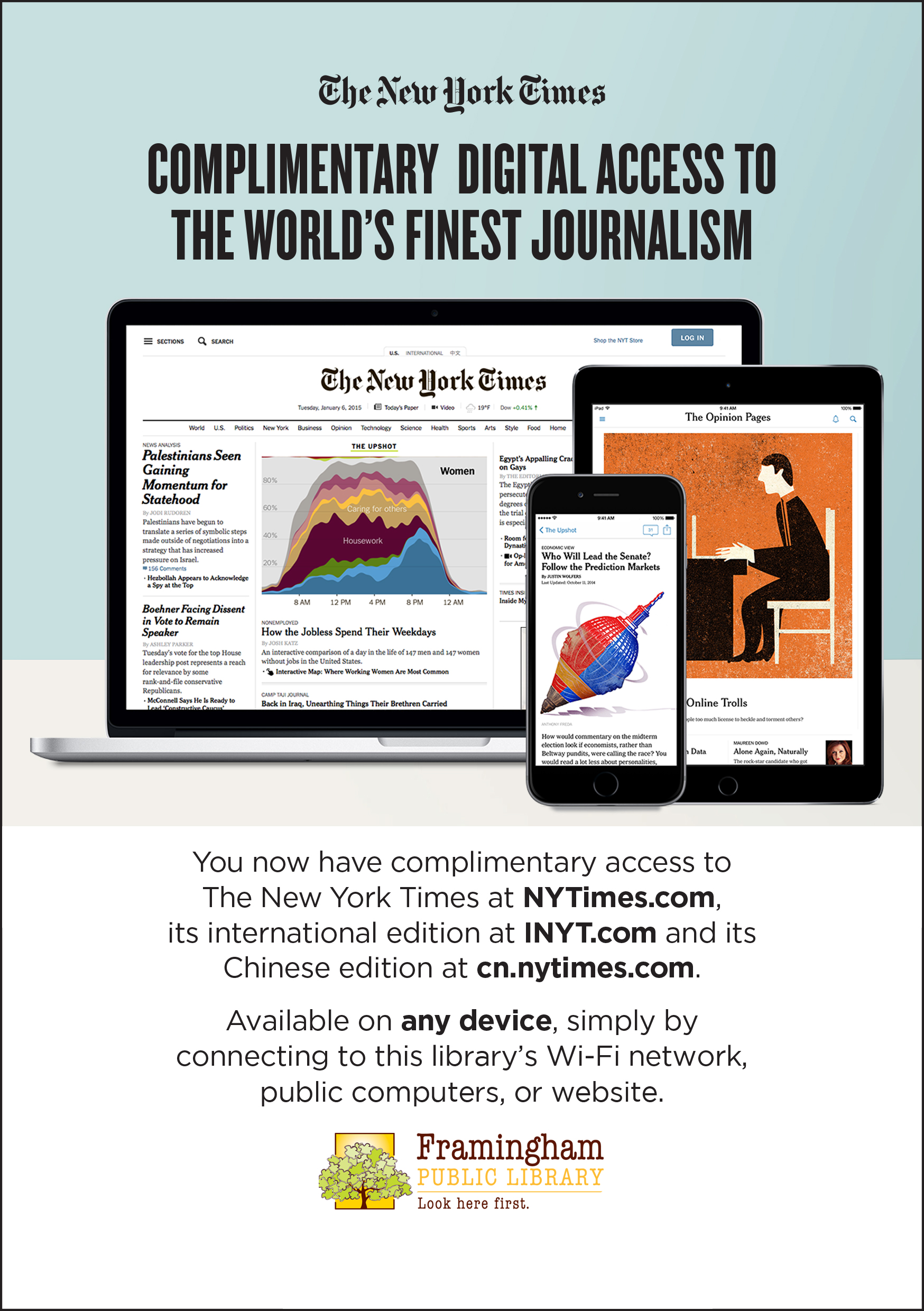
A library card from your local institution can be your golden ticket. Many public libraries across the United States and even internationally have digital subscriptions to the New York Times, allowing their cardholders full access to the website and its archives for a set period, typically 72 hours. After this period, you can simply “redeem” another pass. This means you can read as much as you like, whenever you like, simply by refreshing your digital pass every few days.
This is particularly beneficial for those who travel frequently or are considering long-term stays. Imagine you’re planning a trip to London, Paris, or Tokyo; the New York Times often features in-depth guides, restaurant recommendations, and cultural insights for these global destinations. Accessing this information through your library ensures you’re getting trusted, detailed content without incurring extra costs. It’s a fantastic way to research attractions, understand local culture, and even compare accommodations before you book your suites or villas.
To utilize this method, simply visit your library’s website, look for their “Digital Resources” or “Newspapers & Magazines” section, and follow the instructions for accessing the New York Times. You’ll usually need to log in with your library card number and PIN. Some libraries even allow non-residents to obtain digital-only cards for a nominal fee, which can be a worthy investment if you don’t have a local card or are exploring temporary residency in a new city.
Academic and Institutional Access
Beyond public libraries, students, faculty, and staff associated with colleges and universities often have free access to the New York Times through their institutional subscriptions. Universities understand the importance of quality journalism for research and general knowledge, and they frequently provide campus-wide access. If you’re currently enrolled or employed by an educational institution, check their library’s website or contact their IT department to inquire about their digital subscriptions.
This form of access is often seamless, requiring only a login through your institutional portal. It’s an invaluable perk that extends beyond academic pursuits, offering insights into global events, economic trends, and lifestyle pieces that can inform everything from business stays to personal investment decisions. For many, this access continues even when traveling or during breaks, providing a continuous stream of information crucial for a well-rounded global perspective.
Navigating the Digital Landscape: Browser Tricks and Sharing Economy
While library access is the most stable, several digital workarounds and social strategies can help you bypass the paywall for individual articles, especially when you need quick access to a specific piece of content. These methods often exploit how news websites manage their subscriber content and how information is shared online.
The Incognito Mode and Cookie Clearing Approach (with caveats)
For years, a popular “hack” involved opening articles in your browser’s incognito or private browsing mode. The theory was that since incognito mode doesn’t store cookies or browsing history, the New York Times couldn’t track your article count and would always treat you as a new visitor, granting you access to a limited number of free articles per month.
While this method used to be effective, the New York Times has become increasingly sophisticated in detecting and blocking this workaround. You might get lucky with a few articles, but it’s no longer a reliable long-term solution. Similarly, manually clearing your browser’s cookies after hitting the paywall could reset your article count, but this is cumbersome and also subject to the same detection algorithms.
However, understanding why these methods were once effective sheds light on the nature of digital paywalls. News sites use cookies to track your usage. Without them, they can’t count how many articles you’ve read. While the New York Times has advanced its anti-circumvention measures, these techniques might still offer a temporary reprieve for a single, urgent article read.
The Power of Gift Links
One of the most generous features of a New York Times subscription is the ability for subscribers to share “gift links” to articles. Subscribers are often granted a certain number of gift articles per month that they can send to non-subscribers, offering full, unlimited access to that specific article without hitting a paywall.
This creates a valuable sharing economy for information. If you’re looking for a specific article, try searching for it on social media platforms like Twitter or Facebook (if you still use it) or in relevant online forums. Often, subscribers will share gift links for interesting or important articles to broaden their reach. You can also politely ask a friend or colleague who subscribes if they wouldn’t mind sharing a gift link for an article you’re interested in.
Gift links are a fantastic way to access premium content legitimately and without cost, leveraging the goodwill of the subscriber community. They are particularly useful for accessing travel features, reviews of luxury hotels or budget accommodations, or deep dives into local cultures that might influence your next travel itinerary.

Strategic Subscriptions: Making the Most of Free Trials and Promotions
While the goal is “free” access, sometimes a short-term, strategic subscription can provide invaluable insights for specific needs, especially when planning significant travel or lifestyle changes. Moreover, some “free” access points exist within the paid ecosystem.
Exploring Free Trials and Introductory Offers
The New York Times regularly offers promotional free trials to attract new subscribers. These trials typically last for a few weeks or a month and provide full, unrestricted access to all digital content. This can be an excellent opportunity to binge-read extensive travel guides, detailed restaurant reviews, or comprehensive reports on destinations you’re considering, from the serene beaches of Miami Beach to the historical richness of Rome.
The key here is strategy. If you know you’ll be dedicating a weekend to planning a major trip, researching potential hotels, or diving deep into a new hobby, signing up for a free trial during that period can maximize its value. Just remember to set a reminder to cancel before the trial period ends to avoid being charged. These trials are perfect for making informed decisions about booking accommodations, choosing tour operators, or understanding the nuances of different travel experiences.
Newsletter Sign-Ups for Curated Content
Even without a full subscription, signing up for the New York Times’ various email newsletters can provide a wealth of free content. Many newsletters, such as “The Morning,” “Smash Up,” or those from specific sections like Travel or Food, often include links to full articles that are accessible without hitting a paywall.
While you won’t get unrestricted access to the entire site, these newsletters offer a curated selection of some of the best daily journalism, often including top headlines, impactful investigations, and engaging lifestyle features. For the budget-conscious traveler or lifestyle enthusiast, this is a fantastic way to stay informed about global events, discover new destinations, or get tips on local culture and cuisine, all delivered directly to your inbox for free. It’s a passive yet effective way to glean valuable insights without actively seeking workarounds.
Why the New York Times Matters for Your Lifestyle and Travel
Beyond merely accessing content, understanding why the New York Times is a valuable resource for lifestyle and travel underscores the importance of these free access strategies. Its in-depth reporting and diverse coverage can significantly enhance your experiences.
Staying Informed for Smarter Travel Decisions
The New York Times’ global reach means it covers geopolitical events, health advisories, and cultural shifts that directly impact travel. Before booking that Grand Hyatt Hotel in an exotic locale or planning an excursion to the Eiffel Tower, checking the New York Times can provide crucial context on safety, local sentiment, and emerging trends. Its travel section offers itineraries, hotel reviews, and insights into everything from luxury resorts to unique boutique accommodations, helping you make informed booking decisions and avoid common tourist pitfalls.
Whether you’re planning a family trip to Orlando, a business stay in San Francisco, or an adventurous journey through less-traveled paths, the information can be invaluable. It can highlight a new attraction like the renovated Museum of Modern Art in New York City or warn of potential disruptions, ensuring your travel experiences are as smooth and enriching as possible.
Uncovering Cultural Gems and Local Experiences
The New York Times excels at showcasing local culture, food, and activities. Its “36 Hours in…” series offers quick yet comprehensive guides to cities around the world, perfect for planning short breaks. Features on emerging food scenes, art exhibitions at the Metropolitan Museum of Art, or local traditions can help you move beyond typical tourist traps.
For those interested in slow travel or truly immersing themselves in a destination, the paper’s detailed articles provide depth that guidebooks often lack. You can discover hidden cafes in Boston, understand the history behind a landmark like the Statue of Liberty, or get recommendations for off-the-beaten-path experiences. This kind of content transforms a simple vacation into a rich cultural experience, aligning perfectly with the ethos of exploring destinations beyond the obvious.

Enhancing Your Lifestyle with Premium Content
Beyond travel, the New York Times covers a vast array of lifestyle topics, from home design and personal finance to health and wellness. Articles on luxury travel, budget-friendly adventures, or tips for maximizing long-term stays can provide fresh perspectives on how you live and explore. You might find inspiration for a weekend getaway to the Hamptons, learn about new fitness trends, or get advice on managing your finances while traveling as a digital nomad.
The paper’s opinion pieces and cultural reviews also offer intellectual stimulation, keeping you engaged with current debates and artistic expressions. Whether it’s a review of a Broadway show, an analysis of architectural trends seen on Fifth Avenue, or a deep dive into the history of Central Park, the content enriches daily life and sparks new interests, making these free access methods all the more valuable.
Beyond the Paywall: Other Avenues for Quality Journalism
While the focus here is on the New York Times, it’s important to remember that a world of quality journalism exists, much of it freely accessible or available through alternative means. Diversifying your news sources is a smart strategy for any informed individual.
Leveraging Social Media and Aggregators
Many news organizations, including the New York Times, maintain active presences on social media. Often, they will post full articles or key excerpts that are publicly accessible, even if the article itself is usually behind a paywall on their main site. Following their official accounts can sometimes provide a backdoor to important stories.
News aggregators like Google News or Apple News can also occasionally link directly to articles that bypass the paywall, or they might provide enough summary to get the gist of a story. While not a guaranteed method, it’s worth checking if you’re hitting a wall on a particular article.
Alternative News Sources for Budget-Conscious Readers
For those who regularly seek high-quality news without a subscription, several other reputable news organizations offer a significant amount of free content. Outlets like The Guardian (from the United Kingdom), BBC News, Reuters, and the Associated Press provide extensive global coverage completely free of charge. Their reporting quality is consistently high, making them excellent alternatives or complements to the New York Times.
Other prominent publications such as the Washington Post and The Wall Street Journal also offer limited free articles each month or free newsletters, similar to the New York Times. By mixing and matching these resources, you can maintain a well-informed perspective on world events, travel, and lifestyle, ensuring you’re always equipped with the knowledge you need, whether planning a hike in Aspen, exploring Times Square, or marveling at the Empire State Building and the Brooklyn Bridge.
In conclusion, accessing the New York Times for free is not an impossible feat. By strategically utilizing your library card, understanding how gift links work, taking advantage of free trials, and subscribing to newsletters, you can unlock a wealth of information that will enrich your travel experiences and elevate your lifestyle. These methods not only save you money but also connect you to a deeper understanding of the world, fostering smarter decisions whether you’re planning your next adventure or simply enjoying a quiet moment of informed reflection. Happy reading!
LifeOutOfTheBox is a participant in the Amazon Services LLC Associates Program, an affiliate advertising program designed to provide a means for sites to earn advertising fees by advertising and linking to Amazon.com. Amazon, the Amazon logo, AmazonSupply, and the AmazonSupply logo are trademarks of Amazon.com, Inc. or its affiliates. As an Amazon Associate we earn affiliate commissions from qualifying purchases.