
Embarking on a new adventure in the Grand Canyon State, whether it’s a permanent relocation, an extended stay for work, or simply navigating the daily routines of life in places like Phoenix, Tucson, or Flagstaff, often comes with a distinct set of logistical considerations. For many, a vehicle is an indispensable part of experiencing the vast beauty and vibrant culture Arizona has to offer. From exploring the red rock landscapes of Sedona to urban commutes in Scottsdale, having your vehicle properly registered is not just a legal requirement but a fundamental step towards seamless living and travel within the state.
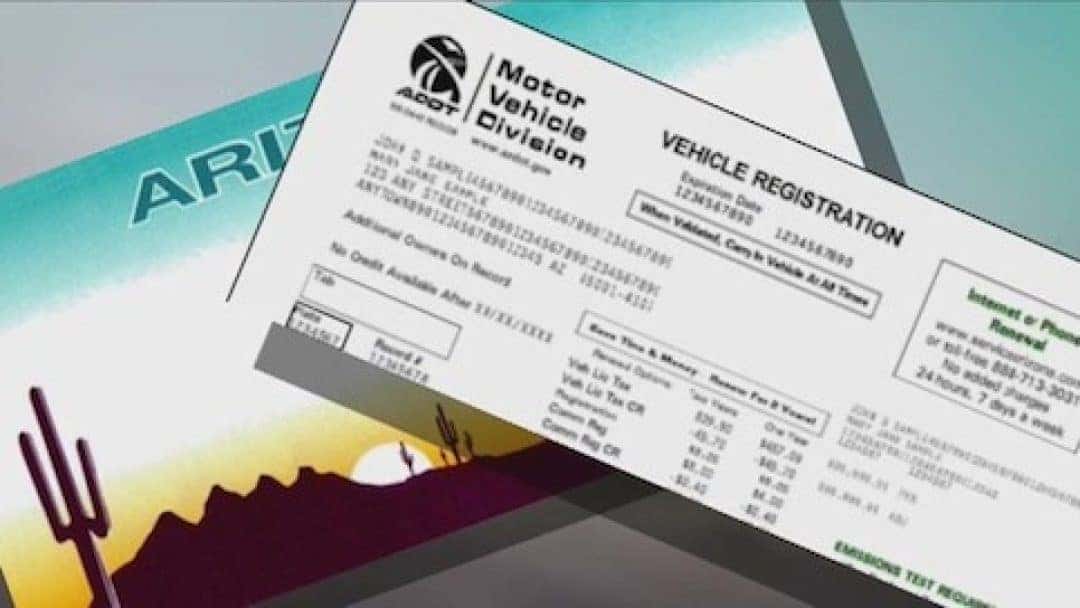
This comprehensive guide is designed to demystify the process of vehicle registration in Arizona, helping you navigate the requirements set forth by the Arizona Department of Transportation (ADOT) and its Motor Vehicle Division (MVD). Whether you’re a new resident bringing your car from another state, have recently purchased a vehicle within Arizona, or simply need to understand the nuances of renewals, this article offers clear, actionable steps. We’ll delve into everything from the necessary documentation and emissions testing requirements to understanding the associated fees and the various avenues for completing your registration. By the end, you’ll be well-equipped to ensure your vehicle is fully compliant, allowing you to focus on enjoying the rich travel, tourism, and lifestyle experiences that await you across this incredible state.
Understanding Arizona’s Vehicle Registration Requirements
Before you can hit the open roads of Arizona, it’s crucial to grasp who exactly needs to register a vehicle and what documentation you’ll need to gather. This foundational understanding will save you time and potential headaches, ensuring a smooth transition into compliant vehicle ownership in the state.
Who Needs to Register?
The requirement to register a vehicle in Arizona primarily hinges on your residency status and how you acquired the vehicle. Generally, the following individuals and scenarios necessitate vehicle registration:
- New Residents: If you’ve recently moved to Arizona from another state, you are legally required to register your vehicle within 10 days of establishing residency. This rapid timeframe emphasizes the importance of making this a priority upon your arrival. Establishing residency can be defined by various factors, such as gaining employment, enrolling children in school, or purchasing property. For those planning an extended accommodation or a long-term stay, understanding this deadline is paramount to avoid penalties.
- Vehicles Purchased in Arizona: Any vehicle bought from a dealership or private seller within Arizona must be registered in the buyer’s name. Dealerships typically handle the initial paperwork for new car purchases, making this process relatively straightforward for the buyer. However, for private sales, the onus is entirely on the buyer to complete the title transfer and registration.
- Vehicles Brought from Out-of-State: Even if you maintain residency elsewhere but plan to use a vehicle within Arizona for an extended period, you might need to register it. While temporary permits exist for short-term visitors, prolonged use often triggers the registration requirement, particularly if the vehicle is primarily garaged in Arizona. This is especially relevant for individuals on long-term business stays or those enjoying an extended vacation rental in areas like Lake Havasu City or Yuma.
Understanding these triggers for registration is the first critical step. Being proactive ensures you remain compliant with state laws and can fully enjoy the freedom of the open road in Arizona.
Essential Documentation Checklist
Once you’ve determined that your vehicle needs to be registered, the next step is to meticulously gather all the required documents. Having everything in order before you begin the process will significantly expedite your registration. Here’s a detailed checklist of what you’ll likely need:
- Vehicle Title or Manufacturer’s Statement of Origin (MSO): This is the most crucial document as it proves ownership. If your vehicle is new, you’ll have an MSO. If it’s used, you’ll need the original title, properly signed and notarized (if applicable in the state of origin) by the previous owner, indicating the transfer of ownership to you. If there’s a lienholder (e.g., a bank), they may hold the title, and you’ll need specific documentation from them.
- Proof of Arizona Emissions Inspection (if required): Arizona mandates emissions testing for vehicles registered in specific metropolitan areas, primarily to combat air pollution. If you reside in parts of Maricopa County (including Phoenix, Mesa, Tempe, Scottsdale, Chandler, Gilbert, and Glendale) or Pima County (encompassing Tucson and surrounding areas), your vehicle will likely need to pass an emissions test. Exceptions exist for newer vehicles (usually the first 5 model years) and older vehicles (pre-1975). You’ll receive a certificate upon passing, which is vital for registration.
- Proof of Arizona Auto Insurance: It is illegal to drive any vehicle in Arizona without minimum liability insurance. Before you can register your vehicle, you must have a valid insurance policy from an insurer authorized to do business in Arizona. This document serves as proof of financial responsibility.
- Valid Photo Identification: You’ll need a government-issued photo ID, such as an Arizona driver’s license or state ID card. If you are a new resident and don’t yet have an Arizona license, a valid out-of-state driver’s license may suffice initially, but it’s advisable to apply for an Arizona license concurrently.
- Lien Release (if applicable): If your vehicle was previously financed and the loan has been paid off, you’ll need a lien release document from the lender to prove that you now fully own the vehicle.
- Power of Attorney (if someone registers on your behalf): If you are unable to appear in person and designate someone else to register the vehicle for you, they will need a notarized Power of Attorney document specifically granting them this authority.
Having this comprehensive list organized and readily accessible will make your registration visit to an MVD office or authorized third party much more efficient.
Navigating the Registration Process in the Grand Canyon State
Once your documents are in order, the next phase involves the actual registration process. While it might seem daunting, Arizona’s Motor Vehicle Division (MVD) and its network of authorized third parties strive to make the experience as streamlined as possible. Understanding the steps involved and knowing your options will empower you to complete the process efficiently.
Step-by-Step Guide for New Registrations
Whether you’re registering a newly purchased vehicle or one brought from out-of-state, the fundamental steps are largely the same. Adhering to this guide will ensure you cover all necessary bases.
- Step 1: Gather Your Documents. As highlighted previously, this is the cornerstone of a successful registration. Double-check that you have your vehicle title (or MSO), proof of insurance, a valid photo ID, and any other relevant paperwork (like a lien release or Power of Attorney). This preparedness prevents multiple trips and delays, aligning with smart travel tips for any bureaucracy.
- Step 2: Obtain an Emissions Inspection (if required). If your vehicle is garaged in Maricopa County or Pima County, this step is mandatory. Locate the nearest authorized emissions testing station. The test is relatively quick, and upon passing, you’ll receive a vehicle inspection report that is electronically sent to the MVD, but it’s wise to keep a physical copy for your records. Failing the test means you’ll need to make repairs and re-test.
- Step 3: Secure Arizona Auto Insurance. Before heading to the MVD, confirm that your vehicle is insured by an insurer licensed to operate in Arizona. While many national providers cover Arizona, it’s crucial to have your policy active and accessible. The MVD will verify this electronically or require physical proof.
- Step 4: Visit an MVD Office or Authorized Third Party. This is where the actual registration takes place. You have a couple of options for completing this step:
- Arizona MVD Offices: These are state-run facilities that handle all vehicle-related services. While comprehensive, wait times can sometimes be long, especially during peak hours. You can often schedule appointments online, which is highly recommended.
- Authorized Third Parties: Arizona utilizes a network of private businesses licensed by the state to perform MVD transactions. These can include specific dealerships, title and tax agencies, and other private service providers. They often offer extended hours, shorter wait times, and a more personalized experience, though they may charge a small convenience fee in addition to the state-mandated fees. Many residents in cities like Tempe or Mesa find these third-party services particularly convenient for quick transactions.
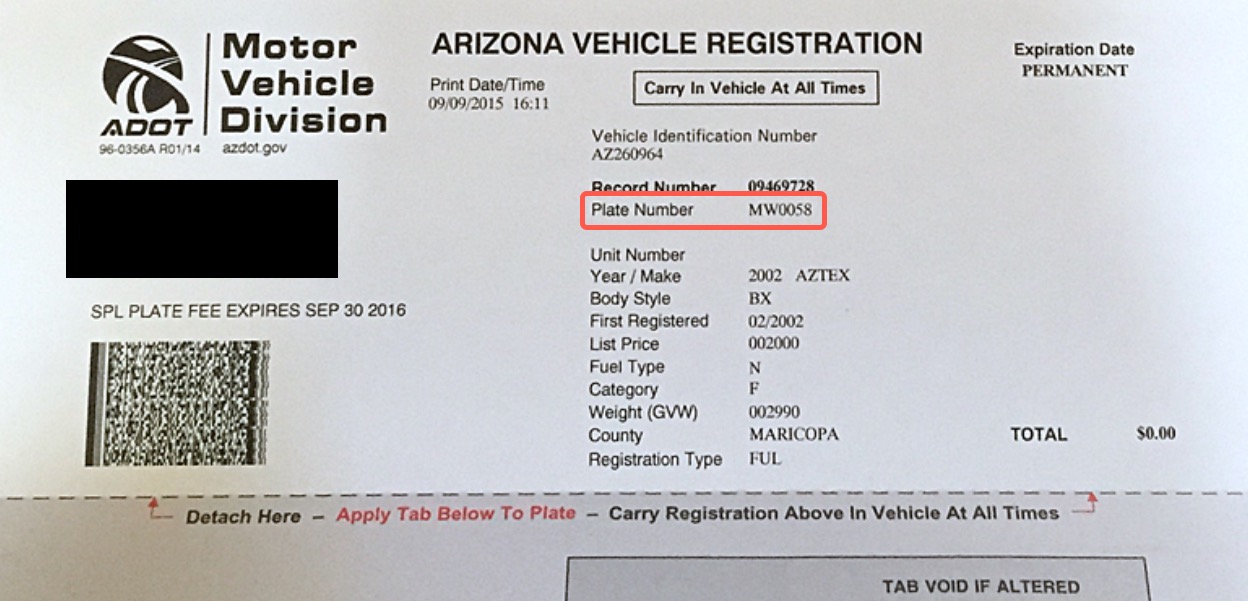
- Step 5: Pay Fees and Receive Your Registration. Once your documents are verified and any necessary inspections are confirmed, you will pay the applicable registration fees and Vehicle License Tax (VLT). You’ll then be issued your new Arizona license plates, a temporary registration document (if plates aren’t immediately available), and your permanent registration card. Congratulations, your vehicle is now legally registered in Arizona!
Special Considerations for Out-of-State Vehicles

Bringing a vehicle from outside Arizona introduces a few specific requirements designed to ensure compliance with state standards:
- Vehicle Identification Number (VIN) Inspection: For out-of-state vehicles, the MVD or an authorized third party will need to verify the VIN. This is a quick physical inspection, usually performed on-site, to ensure the VIN on your vehicle matches the one on your title documents. It helps prevent fraud and ensures accurate record-keeping.
- Level I or Level II Inspections: While most out-of-state vehicles only require a VIN verification (often called a Level I inspection), some specific circumstances might necessitate a more in-depth Level II inspection. This could be required if there are discrepancies in your vehicle’s documentation, if it’s a salvaged vehicle, or in other unusual cases. These inspections are typically performed at designated MVD locations or by certified law enforcement personnel. If you’re importing a classic car for your luxury travel collection, or a specialized vehicle, be prepared for this possibility.
Understanding these additional steps for out-of-state vehicles is essential for new residents, ensuring their journey from another state to accommodation in Arizona is free of unforeseen bureaucratic hurdles.
Fees, Taxes, and Ongoing Vehicle Compliance in Arizona
Beyond the initial registration, understanding the financial obligations and ongoing compliance requirements is key to long-term vehicle ownership in Arizona. This includes various fees and taxes, as well as the crucial process of renewing your registration.
Deconstructing Registration Costs
Registering a vehicle in Arizona involves several components that contribute to the overall cost. These fees are vital for maintaining state roads, funding public services, and supporting environmental initiatives. Planning for these costs is an important aspect of budget travel and responsible lifestyle management for residents.
- Initial Registration Fee: A flat fee is charged for the initial registration of a vehicle. This is a standard administrative cost applied to all new registrations.
- Vehicle License Tax (VLT): This is often the most significant portion of your annual registration cost. Unlike a traditional property tax based on purchase price, Arizona’s VLT is calculated based on a depreciated value of your vehicle. For the first year of registration, the VLT is assessed at 1.05% of 60% of the manufacturer’s retail price. Each subsequent year, the value is reduced by 16.25%, and the tax rate is re-applied. This means newer, more expensive vehicles will incur a higher VLT than older, less valuable ones. For example, a new luxury SUV often garaged in Scottsdale will have a substantially higher VLT than an older compact car.
- License Plate Fee: There is a separate fee for the issuance of standard Arizona license plates. If you opt for specialty plates (e.g., those supporting specific charities, universities, or military branches), an additional annual fee will apply, with a portion often going to the supported organization. This is a popular choice for residents who wish to personalize their vehicles and contribute to local causes.
- Air Quality Research Fee: A nominal fee is often included to support air quality research and initiatives within the state, reflecting Arizona’s commitment to environmental protection, especially in metropolitan areas like Phoenix and Tucson.
- Other Potential Fees: Depending on your specific situation, you might encounter other minor fees, such as a title transfer fee if you’re transferring ownership, or a specific county fee.
All these fees are typically paid at the time of registration or renewal, providing a comprehensive cost breakdown.
Maintaining Your Vehicle Registration
Registration isn’t a one-time event; it requires periodic renewal to remain valid. Staying on top of your renewals is crucial to avoid late fees, penalties, and potential enforcement actions.
- Renewals: Vehicle registrations in Arizona typically need to be renewed annually or every two or five years, depending on your choice and vehicle type. The MVD makes renewal quite convenient:
- Online: Most people prefer to renew their registration online through the MVD portal. This requires your license plate number and the last four digits of your VIN. It’s fast, convenient, and available 24/7.
- By Mail: You can also mail your renewal notice and payment to the MVD. This option requires more lead time to ensure it’s processed before your registration expires.
- In-Person: Renewals can also be completed at any MVD office or authorized third-party provider. This is a good option if you have questions or need to address other issues simultaneously.
- Emissions Test Renewals: If your vehicle is subject to emissions testing, you will need to pass an inspection before you can renew your registration. The renewal notice will usually remind you if an emissions test is due. Failing to get a required emissions test will prevent your registration renewal.
- Importance of Timely Renewals: Driving with an expired registration can lead to fines, citations, and even your vehicle being impounded. It’s also crucial for insurance purposes, as some policies may be voided if the vehicle is not legally registered. The MVD typically sends out renewal notices as a helpful reminder, but ultimately, it’s the vehicle owner’s responsibility to track their expiration date. This proactive approach is a key tip for stress-free living in Arizona.
By understanding these financial and administrative aspects, you can ensure your vehicle remains legally compliant, allowing you to focus on enjoying the vibrant lifestyle and stunning destinations that Arizona offers.
Exploring Arizona with Your Registered Vehicle
With your vehicle properly registered in Arizona, a world of unparalleled travel, tourism, and experiences opens up before you. A legally compliant vehicle isn’t just a requirement; it’s your passport to freedom, enabling you to immerse yourself fully in the diverse landscapes and rich culture of the Grand Canyon State.
Imagine the exhilaration of a road trip to the majestic Grand Canyon, one of the world’s most iconic landmarks, with the peace of mind that your vehicle is fully compliant. Or perhaps you dream of exploring the ethereal slot canyons of Antelope Canyon near Page, venturing through the dramatic monoliths of Monument Valley, or taking a scenic drive through the red rocks of Sedona, soaking in its unique spiritual energy and breathtaking views.
Your registered vehicle makes it easy to transition from the bustling urban attractions and exquisite food scenes of Phoenix and Tucson to the serene, stark beauty of the Sonoran Desert or the cool pine forests surrounding Flagstaff and Prescott. You can plan weekend getaways to see the impressive engineering feat of the Hoover Dam (partially in Arizona), discover the historic charm of Jerome, or simply enjoy leisurely drives through quaint towns.
Having your vehicle registered allows you the flexibility for spontaneous adventures, whether it’s a day trip to a hidden hiking trail, a visit to a remote resort, or an exploration of Arizona’s numerous state parks and natural wonders. It ensures that your focus remains on creating unforgettable memories, embracing the local culture, and enjoying the unparalleled attractions that make Arizona a truly special place to live and explore.
Registering your vehicle in Arizona is a necessary step, but one that ultimately unlocks the full potential of your Arizona experience. With the guidelines provided, you’re now ready to navigate the process with confidence and set off on your next journey across this magnificent state.
Completing your vehicle registration in Arizona is a fundamental step for new residents and vehicle owners, ensuring legal compliance and peace of mind. By proactively gathering the necessary documents, understanding the emissions requirements, and familiarizing yourself with the MVD process, you can navigate this administrative task with ease. Remember that a properly registered vehicle not only keeps you on the right side of the law but also fully opens up the vast and varied landscapes of Arizona for exploration. So, get registered, hit the road, and immerse yourself in the incredible travel and lifestyle opportunities that the Grand Canyon State has in store. Safe travels!