
Moving to the Sunshine State or perhaps enjoying an extended vacation in Florida? One of the essential steps to settling in or making your longer stay comfortable is ensuring your vehicle is legally registered. Navigating the process of registering your car in Florida might seem daunting, but with a clear understanding of the requirements and steps involved, it can be a smooth experience. This guide will walk you through everything you need to know, from gathering your documents to understanding the fees, so you can hit the road with confidence.
Registering your vehicle is not just a bureaucratic hurdle; it’s a crucial step for legal compliance, ensuring your car is properly identified, insured, and permitted to operate on Florida roadways. Whether you’re a new resident establishing your homestead or a frequent visitor looking to avoid any potential issues with law enforcement, understanding this process is paramount. We’ll break down the requirements, explore the different scenarios you might encounter, and offer tips to make your visit to the Florida Department of Highway Safety and Motor Vehicles (FLHSMV) as efficient as possible.

Understanding the Florida Vehicle Registration Process
The Florida Department of Highway Safety and Motor Vehicles (FLHSMV) is the primary agency responsible for vehicle registration in the state. The process primarily involves proving ownership, ensuring the vehicle meets safety and environmental standards (where applicable), and paying the necessary fees. It’s important to note that Florida has specific rules for new residents, which may differ slightly from those registering a vehicle as a non-resident.
Eligibility and Residency Requirements
To register a vehicle in Florida, you generally need to be a Florida resident. Residency can be established through various means, such as obtaining a Florida driver’s license, enrolling your children in Florida public schools, or filing for homestead exemption on a property in Florida. If you’ve recently moved to the state, you typically have 10 days to register your vehicle after establishing residency.
For those who are not permanent residents but plan to drive a vehicle in Florida for an extended period, such as during a lengthy vacation or a seasonal stay, understanding the rules for non-resident vehicle operation is important. Generally, if your vehicle is currently registered in another U.S. state or territory, you can operate it in Florida for a reasonable period without registering it in Florida. However, if you establish residency, the 10-day rule applies.
Key Documents You’ll Need
Gathering the correct documentation is the first and most critical step in the registration process. Missing even one item can lead to a delayed or unsuccessful visit to the FLHSMV. Here’s a comprehensive list of documents you’ll likely need:
- Proof of Ownership: This is typically your vehicle’s title. If you have a loan on your vehicle, your lienholder will hold the title. In such cases, you’ll need to provide proof of the lienholder’s information, and the title will be electronically sent to the FLHSMV. For leased vehicles, you’ll need the lease agreement.
- Proof of Identity and Date of Birth: A Florida driver’s license or identification card is usually required. If you don’t have one yet, other forms of valid government-issued identification may be accepted, but it’s best to have a Florida driver’s license for a smoother process.
- Proof of Florida Insurance: Florida law requires all vehicle owners to maintain a minimum level of Personal Injury Protection (PIP) and Property Damage Liability (PDL) insurance. You’ll need to present an insurance policy issued by a Florida-licensed insurance agent. This policy must meet the state’s minimum coverage requirements.
- Vehicle Identification Number (VIN) Inspection: For vehicles brought into Florida from out of state or newly purchased, a VIN inspection by law enforcement or a licensed inspector is usually required. This verifies the vehicle’s identity and ensures it hasn’t been reported stolen or tampered with. Some FLHSMV offices may offer this service, or you might need to visit a local sheriff’s office or a designated inspection station.
- Completed Application for Certificate of Title With/Without Registration (HSMV Form 82040): This form is essential for both applying for a title and registering your vehicle. You can usually download this form from the FLHSMV website or pick it up at an office.
- Proof of Sales Tax Payment or Exemption: If you purchased your vehicle in Florida, you’ll need to show proof of sales tax payment. If you purchased it out of state, you may need to pay Florida sales tax at the time of registration, unless certain exemptions apply.
Tip: Always check the official FLHSMV website for the most up-to-date list of required documents, as requirements can occasionally change.
Navigating the Registration Procedure
Once you have all your documents in order, the next step is to proceed with the actual registration. There are a few ways to do this in Florida, and choosing the most convenient option can save you time.
In-Person at a Tax Collector’s Office or FLHSMV Service Center
The most traditional method is to visit a local county Tax Collector’s office that offers motor vehicle services or an FLHSMV service center. These offices are equipped to handle title and registration applications, VIN inspections (in some cases), and fee payments.
- Find a Location: You can locate the nearest Florida Tax Collector’s office or FLHSMV service center on the FLHSMV website. Some offices may require appointments, so it’s advisable to check their specific policies before visiting.
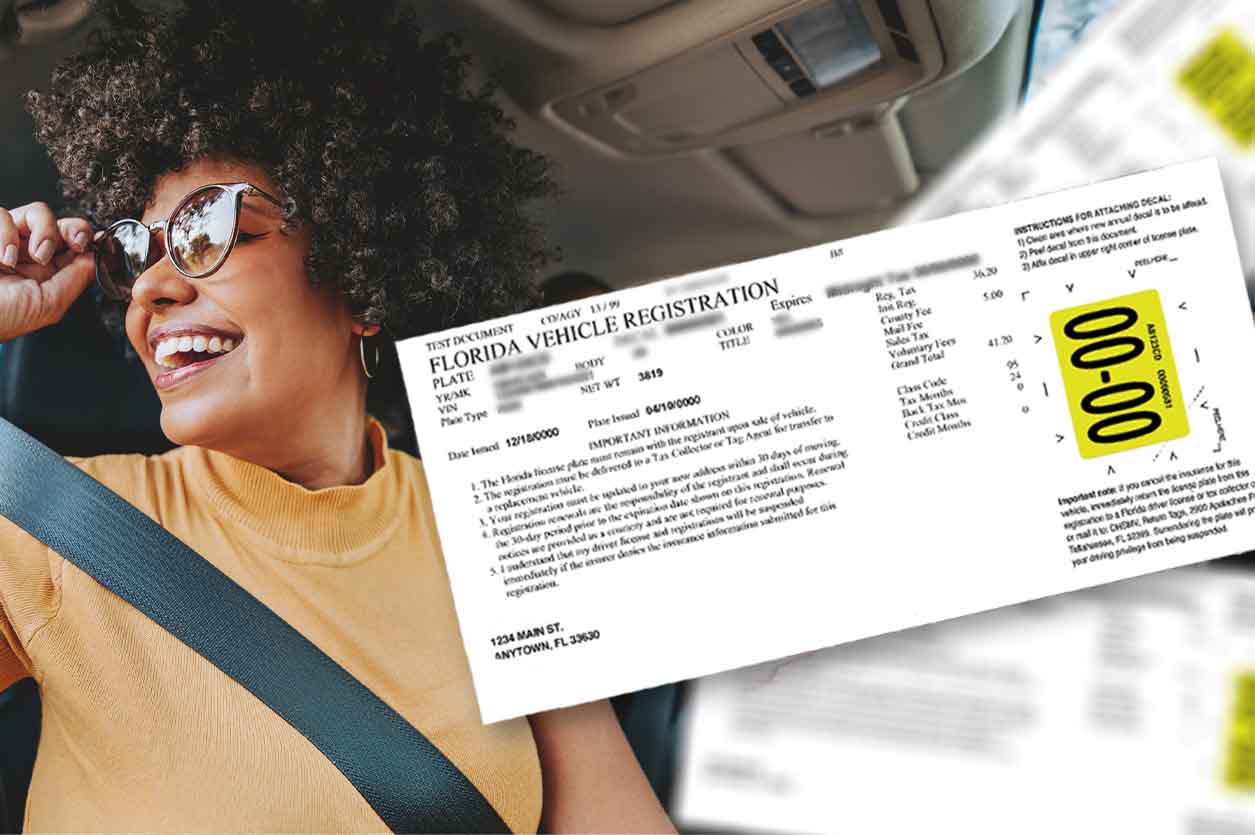
- The Process: Upon arrival, you will present your completed application and all supporting documents to a customer service representative. They will review your paperwork, process the necessary information, issue your license plates, and provide you with your registration sticker and new title (or updated title information).
- Be Prepared for Wait Times: Depending on the location and time of day, you may encounter wait times. Visiting during off-peak hours or on weekdays can sometimes reduce the waiting period.
Online and Mail-In Options
While many aspects of vehicle registration require an in-person visit, Florida offers some convenience through online and mail-in options, primarily for renewals. However, for initial registration of a vehicle, especially if you are a new resident or have purchased a vehicle, an in-person visit is typically mandatory.
- Renewals: For renewing your existing Florida registration, the FLHSMV website offers a user-friendly online portal where you can complete the renewal process and have your new registration sticker mailed to you. Mail-in renewal options are also usually available.
- New Registration: It’s important to reiterate that for the initial registration of a vehicle into Florida, especially when a title transfer or VIN inspection is involved, you will almost certainly need to visit an office in person.
Specialty Registrations and Fees
Florida offers various types of license plates, including standard plates, specialty plates (supporting various causes or organizations), and plates for specific vehicle types like RVs or motorcycles. The fees associated with registration vary based on several factors:
- Vehicle Type: Different types of vehicles (cars, trucks, motorcycles, RVs) have different registration fees.
- Vehicle Weight: For larger vehicles like trucks, weight can influence the registration cost.
- Age of Vehicle: Older vehicles may have different fee structures.
- Plate Type: Specialty plates often come with an additional annual fee to support the designated cause.
- Sales Tax: As mentioned earlier, Florida sales tax will be applied to the purchase price of the vehicle if it was bought in Florida. If purchased out of state, Florida sales tax may still be due.
- Title Fees: There is a fee associated with applying for a Florida title.
Tip: You can estimate your registration fees using the FLHSMV’s online fee calculator, which can be a helpful tool when budgeting for the process.
Special Considerations for New Residents and Out-of-State Vehicles
If you’re a new resident of Florida or bringing a vehicle from another state, there are specific nuances to the registration process you should be aware of.
New Residents
As a new Florida resident, you have 10 days from the date you establish residency to obtain a Florida driver’s license and register your vehicle. This means you’ll need to visit a driver’s license service center and a motor vehicle service center (often a Tax Collector’s office) within this timeframe.
- Driver’s License: You’ll need to surrender your out-of-state driver’s license and provide proof of identity, Social Security number, and two proofs of residential address in Florida.
- Vehicle Registration: The standard document requirements apply, including proof of ownership, Florida insurance, and a VIN inspection if your vehicle is from out of state. It’s wise to secure Florida insurance before you begin the registration process.
Vehicles from Out-of-State
Registering a vehicle that was previously titled and registered in another U.S. state or territory involves a few extra steps:
- VIN Inspection: This is a mandatory step for all vehicles brought into Florida from out of state. A law enforcement officer or an authorized inspector will check your vehicle’s VIN to ensure its legitimacy. This inspection typically takes place at designated locations, and you’ll receive a completed VIN inspection form.
- Title Transfer: You will need to surrender your out-of-state title to the FLHSMV. If you have a lienholder, they will likely need to release their lien before you can transfer the title.
- Sales Tax: Florida may require you to pay sales tax on the vehicle if it was purchased out of state within a certain period before you established residency or registered it in Florida. The state’s tax laws on this can be complex, so it’s best to consult the FLHSMV or the Florida Department of Revenue for clarification.
Tip: Familiarize yourself with the specific requirements for your situation by visiting the official Florida Department of Highway Safety and Motor Vehicles website. This resource is invaluable for understanding the latest regulations, forms, and any potential changes to the process. By being well-prepared, you can ensure a smooth and successful car registration experience in the beautiful state of Florida.
Whether you’re planning to explore the vibrant theme parks of Orlando, relax on the pristine beaches of the Florida Keys, or immerse yourself in the historic charm of St. Augustine, having your vehicle properly registered will grant you the freedom and peace of mind to fully enjoy all that Florida has to offer. From the bustling streets of Miami to the natural wonders of the Everglades, your registered car will be your key to unlocking countless adventures across the Sunshine State.