
Navigating the process of renewing your Florida car registration might seem like just another administrative hurdle, but it’s an essential step in ensuring you can legally drive your vehicle on the Sunshine State’s vibrant roadways. Whether you’re a long-time resident or new to Florida, understanding this process is key to a hassle-free driving experience, allowing you to focus on the many joys of life in the state, from exploring its diverse travel destinations and luxury travel experiences to discovering hidden culinary gems and enjoying its natural wonders.
This guide will demystify the steps involved in renewing your Florida car registration, covering everything from understanding your renewal notice to utilizing various convenient methods available. We’ll also touch upon important considerations like emissions testing, insurance requirements, and what to do if you’ve misplaced your renewal notice, ensuring you have all the information at your fingertips.
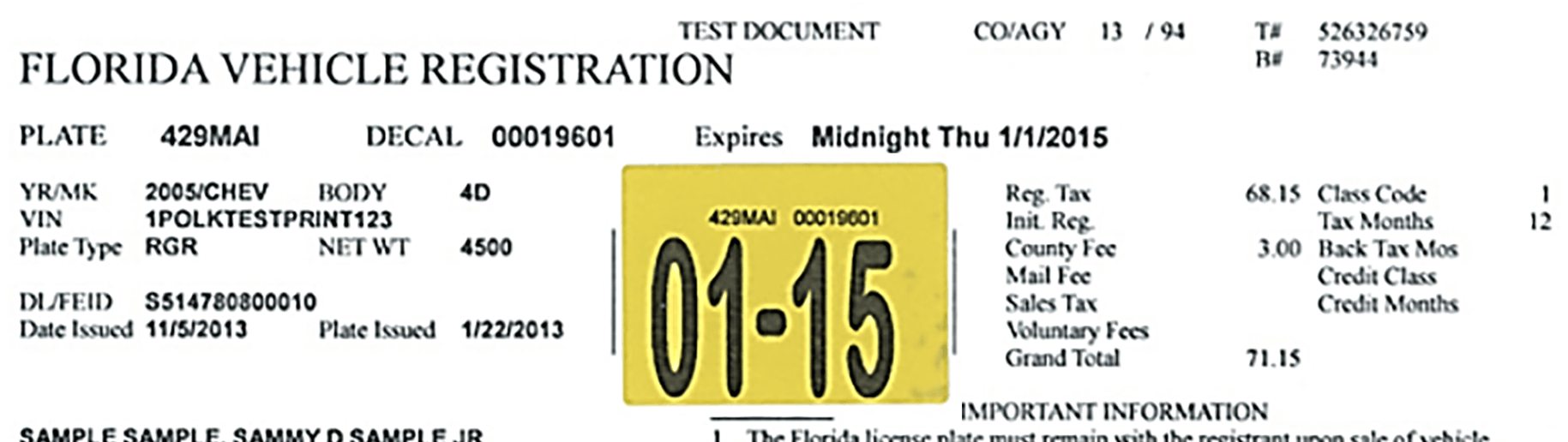
Understanding Your Florida Car Registration Renewal
The Florida Department of Highway Safety and Motor Vehicles (FLHSMV) oversees the registration of vehicles in the state. Your vehicle registration is a legal document that permits you to operate your car on public roads, and it needs to be renewed periodically, typically annually. The renewal process is designed to be straightforward, but it’s crucial to stay informed about deadlines and requirements to avoid penalties and potential lapses in legal operation.
When to Renew
Your Florida car registration typically expires on your birthday. You will receive a renewal notice in the mail from the FLHSMV approximately 60 days before your expiration date. This notice will detail the fees owed, any required documentation, and the deadline for renewal. It’s vital to keep this notice in a safe place, as it contains important information specific to your vehicle.
If, for any reason, you do not receive a renewal notice, you are still responsible for renewing your registration by the expiration date. You can check your expiration date online through the FLHSMV website or by contacting your local county tax collector’s office. Procrastination is not your friend here; late renewals can result in significant penalties and fees. It’s often recommended to renew at least a week or two before your expiration date to allow for any unforeseen issues and to ensure you receive your updated registration and decal promptly.
Required Documentation
Before you begin the renewal process, ensure you have the necessary documents ready. These typically include:
- Your current Florida registration certificate: This is the document you received when you initially registered your vehicle or last renewed it.
- Your Florida driver license: A valid driver’s license is often required to verify your identity.
- Proof of Florida automobile insurance: Florida law mandates that all registered vehicles must have continuous Florida insurance coverage. You will need to provide proof of this, usually in the form of an insurance card or policy declaration page. The policy must meet Florida’s minimum liability coverage requirements.
- Emissions inspection (if applicable): Certain counties in Florida require emissions inspections for vehicles. If your vehicle is due for an emissions test, you will need to present a valid passing certificate. It’s important to check with your local county tax collector’s office or the FLHSMV website to determine if your county requires this. For instance, if you live in the Miami-Dade, Broward, or Palm Beach counties, emissions testing is generally required. Other counties may not have this requirement, simplifying the process further.
Fees and Penalties
The renewal fees vary depending on the type of vehicle you own (e.g., passenger car, truck, motorcycle) and its gross weight. The renewal notice will clearly outline the exact amount due. If you renew late, you will be subject to late fees. These penalties are designed to encourage timely renewal and can accumulate with each passing day or week after the expiration date. It is always best to avoid these additional costs by renewing well in advance of your expiration date.
Methods for Renewing Your Florida Car Registration
The FLHSMV and its county partners offer several convenient methods for renewing your Florida car registration, catering to different preferences and needs. Understanding these options can help you choose the most efficient and comfortable way to complete the process.
Online Renewal
Renewing your Florida car registration online is often the quickest and most convenient method. The FLHSMV website provides a secure portal where you can complete the renewal process from the comfort of your home or even while on vacation, perhaps from a cozy villa in the Florida Keys or a bustling city like Orlando.
To renew online, you will typically need:
- Your license plate number.
- Your Vehicle Identification Number (VIN), usually the last eight digits.
- Your Florida driver license number.
- Your credit card or debit card for payment.
- Your insurance information.
- Your emissions inspection certificate (if required).
The online system will guide you through the necessary steps. Once your payment is processed and all requirements are met, your updated registration and decal will be mailed to your address on file. You should receive these within a few business days. This method is ideal for those who are tech-savvy and prefer to handle tasks digitally. It also offers flexibility, allowing you to renew at any time of day or night, fitting seamlessly into your travel plans or busy lifestyle.
Renewal by Mail
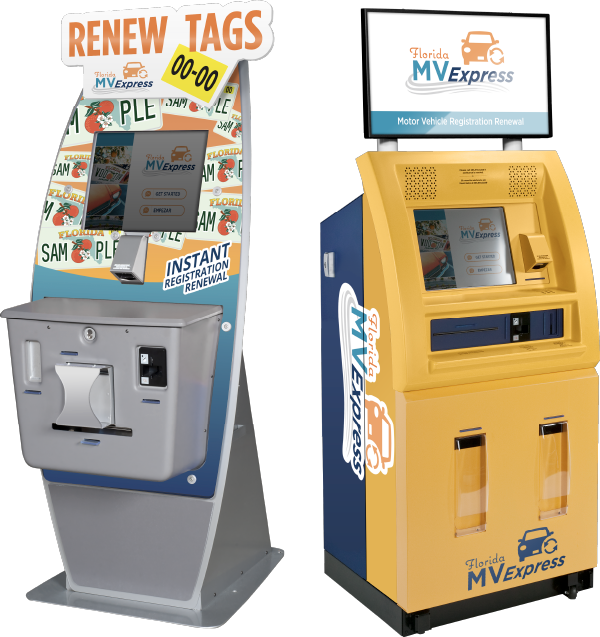
If you prefer to renew through traditional mail, you can do so by sending your completed renewal notice along with a check or money order for the required fees to your local county tax collector’s office. The mailing address will be provided on your renewal notice.
When renewing by mail, ensure that you:
- Complete all sections of the renewal notice accurately.
- Include a check or money order payable to your county tax collector. Do not send cash.
- Attach any required documentation, such as proof of emissions inspection if applicable.
- Mail your renewal package well in advance of the expiration date to allow for postal delivery and processing time.
Renewing by mail can be a good option if you don’t have easy access to the internet or if you prefer a paper trail for your transactions. However, it’s essential to be aware that this method takes longer than online renewal due to postal transit and processing times at the tax collector’s office.
In-Person Renewal
For those who prefer face-to-face assistance or wish to complete the process immediately, visiting your local county tax collector’s office is another viable option. You can find a list of county tax collector offices on the FLHSMV website.
When you visit an office, be sure to bring:
- Your renewal notice.
- Your Florida driver license.
- Proof of valid Florida automobile insurance.
- Your emissions inspection certificate (if applicable).
- A valid form of payment (cash, check, money order, or credit/debit card, depending on the office’s accepted payment methods).
In-person renewal is beneficial if you have questions or need clarification on any aspect of the renewal process. The staff at the tax collector’s office can provide immediate assistance and ensure all your paperwork is in order. This method is also useful if you need to make any changes to your registration information or if you’ve encountered issues with online or mail renewals. Many of these offices are conveniently located in or near popular tourist areas or serve as hubs for local activities, making it potentially part of a day exploring the local culture or visiting nearby landmarks.
Renewal by Phone
Some counties may offer renewal by phone services, though this is less common than the other methods. If your county tax collector’s office provides this option, you can typically find the phone number on your renewal notice or on the FLHSMV website. This method usually involves providing your information over the phone and paying with a credit or debit card.
Important Considerations and Troubleshooting
Even with straightforward processes, it’s good to be prepared for common issues and understand additional requirements that might affect your renewal.
What If I Lost My Renewal Notice?
If you’ve misplaced your renewal notice, don’t panic. You can still renew your registration. As mentioned, you can renew online through the FLHSMV website, which will allow you to look up your registration information using your license plate number and VIN. Alternatively, you can contact your local county tax collector’s office for assistance or visit them in person. They can retrieve your registration information and guide you through the renewal process.
Vehicle Insurance Requirements
Maintaining continuous Florida automobile insurance is a non-negotiable requirement for vehicle registration. Failure to do so can result in the suspension of your driver license and vehicle registration. Ensure your insurance policy is current and meets the state’s minimum liability coverage requirements. When renewing, you will be asked to provide your insurance company’s name and policy number. The FLHSMV may electronically verify your insurance coverage, so it’s crucial that your information is accurate and up-to-date with your insurer.
Emissions Testing Requirements
As previously noted, emissions testing is mandatory in certain Florida counties. This requirement is designed to help monitor and improve air quality throughout the state. If you reside in an emissions-testing county, you must obtain a passing emissions inspection certificate before you can renew your registration. Vehicles typically need to be tested every two years. Newer vehicles may be exempt from testing for their first few years of life. Always check the latest regulations for your specific county, as requirements can change. For example, if you’re planning a road trip from Tampa to Key West, ensuring your vehicle is properly registered and emissions-compliant will ensure a smooth journey, allowing you to fully enjoy the diverse attractions and experiences the state offers.
What to Do After Renewing
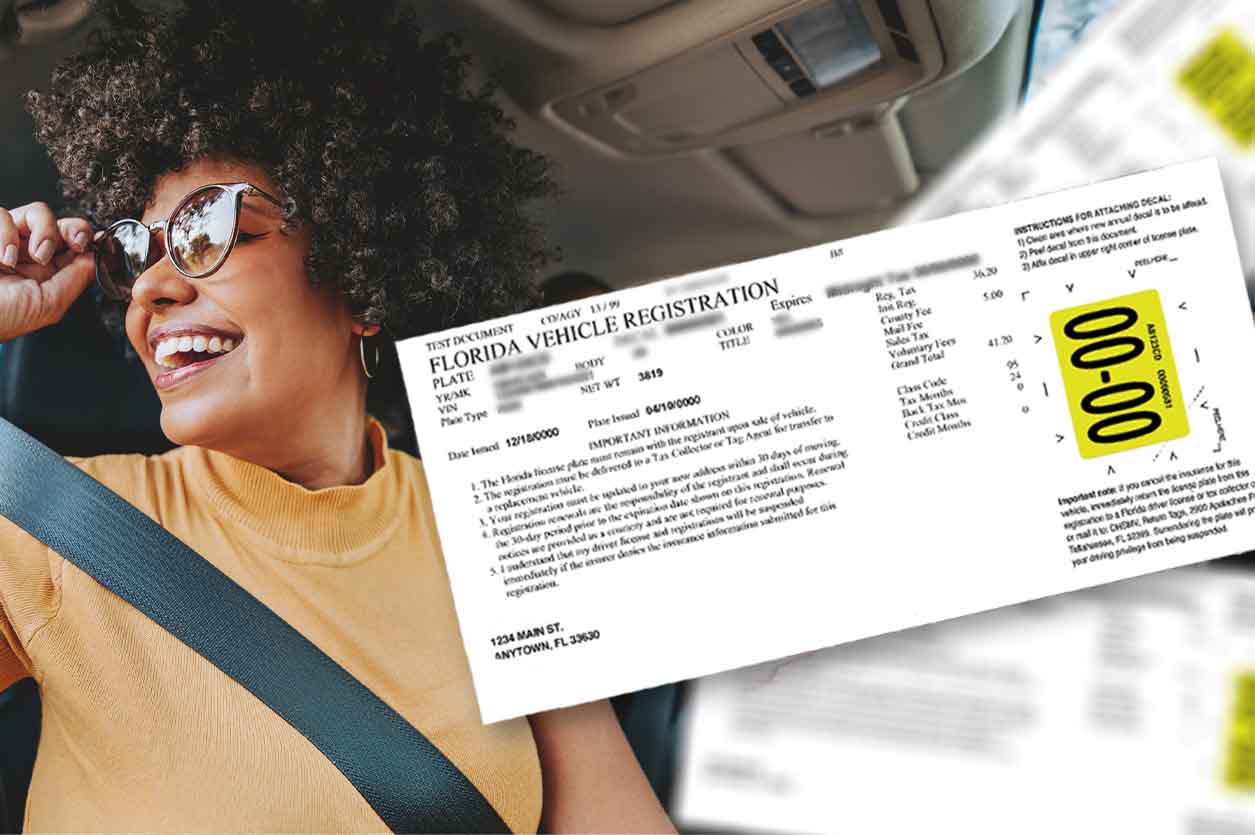
Once your Florida car registration is renewed, you will receive an updated registration certificate and a new decal by mail. The decal should be affixed to your vehicle’s license plate, usually in the designated corner. It serves as visual proof that your registration is current. Make sure to keep your updated registration certificate in your vehicle, as it is a legal document required in case you are pulled over by law enforcement.
Renewing your Florida car registration is a responsibility that ensures your vehicle is legally compliant and safe to drive. By understanding the renewal timelines, required documentation, and available methods, you can navigate this process with ease. This allows you more time to plan your next adventure, whether it’s exploring the vibrant nightlife of South Beach, enjoying the family-friendly resorts in Orlando, or experiencing the historical charm of St. Augustine. Remember to keep your registration up-to-date and enjoy the freedom of the open road in the beautiful state of Florida.
LifeOutOfTheBox is a participant in the Amazon Services LLC Associates Program, an affiliate advertising program designed to provide a means for sites to earn advertising fees by advertising and linking to Amazon.com. Amazon, the Amazon logo, AmazonSupply, and the AmazonSupply logo are trademarks of Amazon.com, Inc. or its affiliates. As an Amazon Associate we earn affiliate commissions from qualifying purchases.