
San Francisco’s iconic cable cars are more than just a mode of transportation; they are a rolling piece of history, a beloved local institution, and an unforgettable tourist experience. Gliding up and down the city’s famously steep hills, these manually operated marvels offer a unique perspective on the urban landscape, a nostalgic journey back in time, and a practical way to navigate some of the city’s most popular areas. For any visitor to the City by the Bay, a ride on a cable car is an essential item on their San Francisco itinerary, a quintessential experience that embodies the spirit of this vibrant metropolis.

These charming vehicles, first introduced in the 1870s, have survived technological advancements and urban development to remain a cherished part of San Francisco’s identity. They are a living testament to ingenious engineering and a symbol of the city’s enduring character. Whether you’re a first-time visitor eager to tick off a major San Francisco landmark or a seasoned traveler looking for a more authentic way to explore, understanding how to ride a cable car will significantly enhance your San Francisco adventure.
This guide will walk you through everything you need to know, from understanding the different lines and their routes to navigating boarding, fares, and etiquette, ensuring your cable car journey is smooth, enjoyable, and steeped in the magic of San Francisco.
Understanding the San Francisco Cable Car System
The San Francisco cable car system is a National Historic Landmark, a recognition of its significant historical and engineering importance. It’s the world’s last manually operated cable car system, a distinction that sets it apart and adds to its allure. Unlike modern public transit, these cars are powered by an underground system of cables that run beneath the streets. Gripmen, the skilled operators, control the speed and movement of the cars by gripping and releasing these moving cables with a lever. This unique mechanical operation is a fascinating spectacle in itself.
The Three Historic Lines
There are three distinct cable car lines operating today, each offering a different route and a unique San Francisco experience:
-
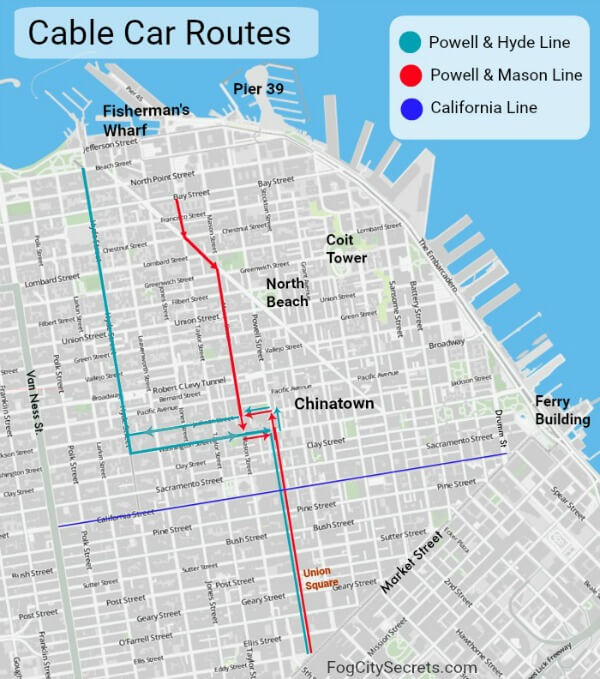
Powell-Hyde Line: This is arguably the most scenic and popular line, offering breathtaking views of Alcatraz Island and the San Francisco Bay. It starts at the intersection of Powell and Market Streets, travels over Nob Hill and Lombard Street (the “most crooked street”), and ends at Aquatic Park near Ghirardelli Square. This line is a must-do for its iconic vistas and its passage through some of the city’s most picturesque neighborhoods. The famous view of Alcatraz Island from this line is unforgettable.
-
Powell-Mason Line: Also originating from the Powell and Market Street turnaround, this line shares a portion of its route with the Powell-Hyde line before diverting to run along Columbus Avenue through North Beach and ending at Fisherman’s Wharf at the intersection of Taylor Street and Bay Street. This route provides a different perspective of the city, taking you through vibrant districts known for their culinary scenes and cultural heritage.
-
California Street Line: This line is the least crowded and operates entirely on California Street, traversing the financial district and the upscale neighborhoods of Nob Hill and Russian Hill. It’s a more tranquil experience, offering a glimpse into the daily lives of San Franciscans and showcasing impressive architecture, including historic hotels and grand mansions. It runs between the Ferry Building and Van Ness Avenue.
Boarding and Getting Your Ticket
Boarding a cable car requires a bit of patience and planning, especially during peak tourist seasons. Here’s how to approach it:
The Turnarounds: The Primary Boarding Points
The most convenient places to board a cable car are at the designated turnarounds, where the lines begin and end:
-
Powell and Market Streets: This is the most famous turnaround, serving both the Powell-Hyde and Powell-Mason lines. Be prepared for long queues here, especially during busy periods. The process involves the cable car physically rotating on a turntable, a maneuver that itself is a bit of a show.
-
Hyde and Beach Streets: This is the turnaround for the Powell-Hyde line at the western end, near Ghirardelli Square and Aquatic Park.
-
Taylor and Bay Streets: This is the turnaround for the Powell-Mason line, also near Fisherman’s Wharf.
-
California Street Turnarounds: For the California Street line, the turnarounds are at the Ferry Building on the Embarcadero and at Van Ness Avenue.
Purchasing Your Fare
Fares can be paid directly to the conductor/gripman as you board, or you can purchase tickets in advance through the San Francisco Municipal Transportation Agency (SFMTA) website or mobile app. Consider purchasing a Muni Passport, which offers unlimited rides on all Muni services, including cable cars, buses, and historic streetcars, for a set number of days. This can be a cost-effective option if you plan to use public transit extensively.
- Single Ride Fares: A single ride on a cable car is priced separately and is generally higher than a bus or streetcar fare.
- MuniMobile App: This is the easiest way to buy fares and passes.
- Ticket Machines: Available at major cable car stops and transit centers.
- Onboard: While possible, paying onboard can slow down the boarding process for everyone.
Navigating the Ride: Etiquette and Tips
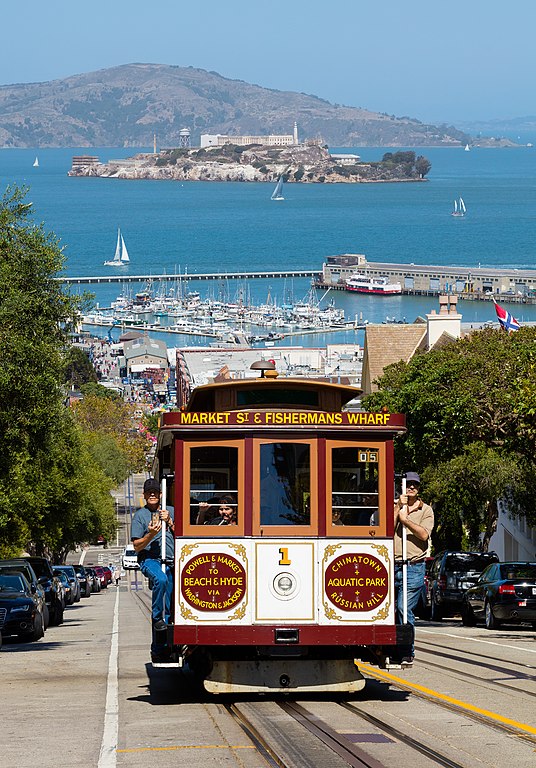
Once you’ve secured your spot on the cable car, here’s how to make the most of your journey:
Finding a Seat and Standing Safely
- Inside vs. Outside: You can choose to sit inside the car or stand on the running boards, gripping the poles for support. Standing on the running boards offers the best views and the most authentic experience, but it requires a good sense of balance and awareness of your surroundings.
- Hold On Tight: The cars can lurch and sway, especially when accelerating and braking. Always hold onto the poles or straps provided.
- Be Mindful of Others: When standing on the running boards, be considerate of others and avoid blocking their views or access.
The Experience of the Ride
- The Gripman: Observe the gripman at work; their skill in operating the levers and controlling the car is impressive.
- The Bells: The distinctive clang of the cable car bells is an integral part of the city’s soundscape.
- The Hills: Prepare for a thrilling ride as the car ascends and descends the incredibly steep hills of San Francisco. The sensation is unique and exhilarating.
- Taking Photos: The views from the cable cars are spectacular, so have your camera ready. However, be mindful of safety and avoid leaning too far out to get that perfect shot.
Etiquette on Board
- Be Patient: Especially at busy boarding points, patience is key.
- Offer Seats: If you are seated and see someone who might need it more (e.g., an elderly person, someone with a disability, or a parent with young children), offer your seat.
- Keep Aisles Clear: Do not block the aisles with luggage or bags.
- Dispose of Trash Properly: There are limited trash receptacles on the cars; hold onto your litter until you disembark.
- Respect the Operators: The gripmen are professionals providing a service; be courteous and follow their instructions.
Beyond the Ride: Making the Most of Your Cable Car Experience
A cable car ride is often a gateway to exploring other San Francisco attractions. The routes are designed to connect some of the city’s most beloved landmarks and vibrant neighborhoods.
Popular Destinations Accessible by Cable Car
The cable car lines are strategically routed to serve key tourist areas, making them an excellent way to hop between attractions.
-
From Powell and Market:
- Union Square: A premier shopping destination and a hub of activity.
- Chinatown: The oldest Chinatown in North America, offering a rich cultural experience and delicious food.
- North Beach: Known for its Beat Generation history, vibrant nightlife, and Italian heritage.
- Fisherman’s Wharf: A bustling waterfront area famous for its seafood, sea lions, and proximity to Alcatraz Cruises.
- Ghirardelli Square: A historic chocolate factory turned marketplace, perfect for indulging your sweet tooth.
- Aquatic Park: A beautiful waterfront park with a maritime museum and stunning bay views.
-
Along California Street:
- Chinatown: The California Street line also passes through a different section of Chinatown.
- Nob Hill: Explore the grand hotels and historic architecture of this affluent neighborhood.
- Financial District: Experience the heart of San Francisco’s business district.
- Ferry Building Marketplace: A foodie paradise and a transportation hub for ferries to various Bay Area destinations.
Planning Your Cable Car Adventure
To ensure a seamless and enjoyable experience, consider these planning tips:
Best Times to Ride
- Early Morning or Late Afternoon: To avoid the largest crowds, try riding during off-peak hours, such as early in the morning or later in the afternoon.
- Weekdays: Generally, weekdays are less crowded than weekends.
- Off-Season: Visiting San Francisco during the shoulder seasons (spring and fall) can also mean fewer crowds.
Combining Cable Cars with Other Activities
- Hop-On, Hop-Off: The cable cars can function as a unique hop-on, hop-off service. Ride one line for the views, then disembark to explore a neighborhood on foot, and catch another line to your next destination.
- Day Trips: Use the cable cars to connect to other modes of transport, like ferries from the Ferry Building to Sausalito or Tiburon, or to reach bus lines that can take you to further afield attractions like the Golden Gate Bridge or Golden Gate Park.
- Cultural Immersion: Ride the Powell-Mason line through North Beach to experience its historic cafes and bookstores, or the California Street line to admire the opulent architecture of Nob Hill.
Accommodations near Cable Car Lines
If you plan on riding the cable cars frequently, consider staying in a hotel or accommodation that offers easy access to the lines. The areas around Union Square, Fisherman’s Wharf, and Nob Hill offer a wide range of lodging options, from luxury suites to boutique hotels and budget-friendly apartments.
- Hotels near Powell and Market: Many hotels in the Union Square area provide convenient access to the primary cable car turnaround. This area is a great base for exploring the city, with numerous dining and shopping opportunities.
- Accommodations near Fisherman’s Wharf: Staying near Ghirardelli Square or Aquatic Park puts you within walking distance of the western termini of the Powell-Hyde line. This area is vibrant and offers many family-friendly attractions.
- Nob Hill Hotels: For a more luxurious and historic experience, consider staying in one of the grand hotels on Nob Hill, which the California Street line traverses.
A Timeless San Francisco Experience
Riding a San Francisco cable car is more than just a ride; it’s an immersion into the city’s history, culture, and unique topography. It’s a chance to connect with a bygone era while enjoying the dynamism of modern San Francisco. Whether you’re a solo traveler seeking adventure, a couple looking for a romantic experience, or a family creating lasting memories, the cable car offers a journey that is both practical and profoundly memorable. By understanding the routes, fares, and etiquette, you can ensure your cable car adventure is a highlight of your visit to this unforgettable city. Remember to hold on tight, enjoy the views, and soak in the timeless charm of San Francisco’s most iconic mode of transport.