
New York City, a vibrant tapestry of cultures, towering architecture, and endless opportunities, is best experienced by embracing its most iconic mode of transport: the subway. For any traveler, whether you’re seeking luxury escapes, budget-friendly adventures, or a memorable family trip, mastering the New York City subway is an essential skill. It’s not just a means of getting from point A to point B; it’s a deep dive into the city’s pulse, offering a glimpse into the daily lives of millions and providing unparalleled access to New York’s world-famous landmarks, hidden culinary gems, and diverse neighborhoods.
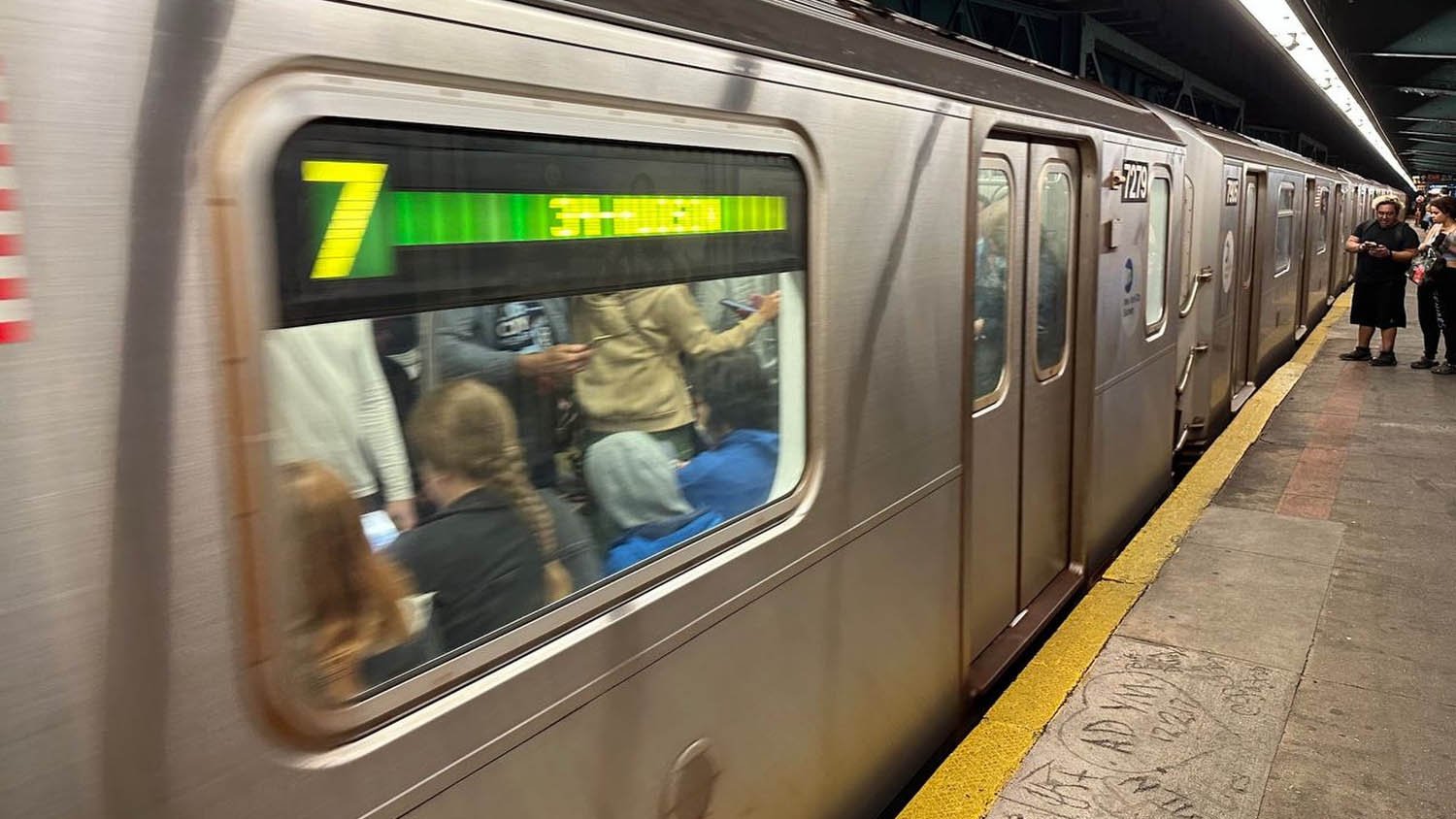
Beyond its practical utility, riding the subway is an integral part of the New York experience, a journey that connects you directly to the city’s history and its future. From the bustling platforms beneath Manhattan to the artistic murals in Brooklyn stations, the subway system serves as the circulatory system of one of the world’s greatest metropolises. This guide aims to equip you with all the knowledge needed to navigate this vast underground network with confidence, transforming what might seem daunting into an exciting part of your New York adventure. Get ready to explore destinations, discover attractions, and immerse yourself in local culture, all while traveling like a true New Yorker.
Navigating the NYC Subway: Essential Prep for Travelers
Before you even step foot into a subway station, a little preparation can save you time, stress, and ensure a smooth journey through the city. Understanding the basics of payment, routes, and directions is paramount to making the most of your travel in New York, whether you’re here for a short tourist visit or a long-term stay. The system, managed by the MTA (Metropolitan Transportation Authority), is extensive, covering Manhattan, Brooklyn, Queens, and The Bronx, connecting virtually every major attraction and accommodation option, from lavish suites in Midtown to charming apartments in Greenwich Village.
Getting Your MetroCard or OMNY Pass
The first step to riding the subway is securing your fare. Historically, the MetroCard has been the ubiquitous payment method, and it remains a viable option. You can purchase a MetroCard at any subway station from vending machines (which accept cash, debit, and credit cards) or at station booths staffed by agents. There are several types of MetroCards to consider, depending on your travel style and length of stay. A Single Ride ticket is available but offers no transfers and is slightly more expensive per ride. For most visitors, a Pay-Per-Ride MetroCard is ideal, allowing you to load a dollar amount and swipe for each journey. Each ride costs a set fare, and you can get a bonus if you load a certain amount. For those planning extensive travel over several days or a longer stay, an Unlimited Ride MetroCard (7-day or 30-day) can be a cost-effective choice, perfect for budget travelers or families who anticipate frequent subway use to explore numerous landmarks and activities. Remember that each person needs their own Unlimited Ride MetroCard.
However, the future of subway fare payment in New York is OMNY (One Metro New York). This contactless fare payment system allows riders to simply tap their credit or debit card, smartphone, or wearable device (with a digital wallet like Apple Pay or Google Pay) directly on an OMNY reader at the turnstile. OMNY offers the same per-ride fare as a MetroCard and includes a convenient “fare capping” feature: after 12 paid taps in a seven-day period, all subsequent rides within that period are free, essentially giving you the benefits of a weekly pass without the upfront commitment. OMNY is progressively being rolled out across the entire subway and bus system, offering a modern, hassle-free alternative that eliminates the need to buy or refill a physical card. It’s a game-changer for tourists seeking efficiency and a seamless travel experience.
Understanding the System: Lines, Directions, and Maps
The New York City subway system can appear complex at first glance, with its intricate web of colored lines and numbered/lettered trains. However, it’s quite logical once you grasp the basics. Trains are identified by a number (1, 2, 3, etc.) or a letter (A, B, C, etc.) and each corresponds to a specific route, often indicated by a distinct color on the Subway Map. It’s crucial to know both the line you need and its direction of travel. In Manhattan, trains typically run “Uptown” (northbound) or “Downtown” (southbound). In the outer boroughs, directions are often specified by the destination borough (e.g., “Towards Brooklyn” or “Towards Queens”).
Another critical distinction is between “local” and “express” trains. Local trains make all stops along their route, while express trains skip several stops, making them faster for longer distances. This is usually indicated on station signs and train schedules. For example, the 4 train is an express, while the 6 train is local on the same Lexington Avenue line in Manhattan.
A reliable Subway Map is your best friend. You can pick up free paper maps at most stations, or download one to your phone. Digital maps and real-time transit apps (such as Citymapper, Google Maps, or the official MTA app) are invaluable resources, providing live train times, service changes, and optimal routes. These apps are especially useful for navigating around weekend service changes or unexpected delays, ensuring your journey to a Broadway show, a dinner in Harlem, or a visit to the Statue of Liberty ferry is as smooth as possible. With a little planning and the right tools, you’ll be zipping around New York like a seasoned local.
A Step-by-Step Guide to Your Subway Journey
With your payment method ready and a basic understanding of the map, you’re set to embark on your first New York City subway adventure. This section breaks down the actual process of entering a station, finding your train, riding, and exiting, ensuring you feel confident every step of the way. Whether you’re commuting for a business stay, heading to a landmark, or exploring diverse cultural experiences, the journey through the subway system is an experience in itself.
Entering the Station and Finding Your Platform
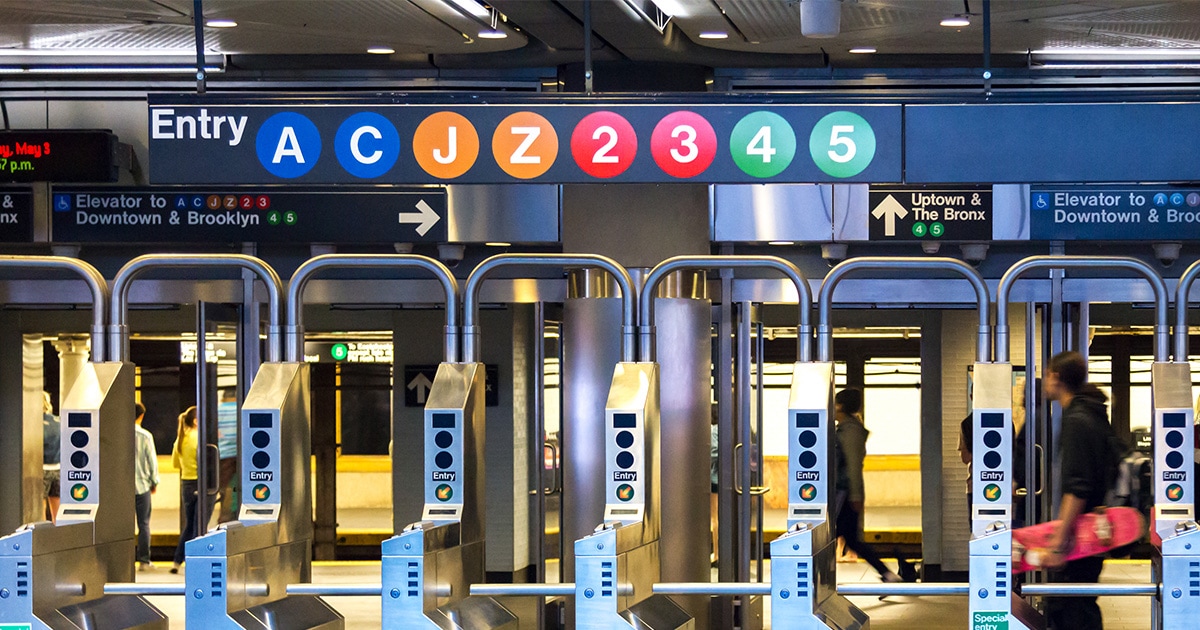
Subway stations are marked by green or red globes on street-level posts. A green globe typically indicates a station entrance open 24/7 with a token booth or MetroCard vending machines, while a red globe might indicate an exit only or an entrance with limited hours. Once inside, look for signs indicating the train lines available at that station and their respective directions (Uptown/Downtown, or destination boroughs). Some stations have separate entrances for different directions, so always double-check the signs before swiping your MetroCard or tapping your OMNY-enabled device at the turnstile. If you accidentally enter on the wrong side, you may have to exit and re-enter, incurring another fare.
After passing through the turnstile, follow the signs to the correct platform for your desired train line and direction. Platforms are usually clearly marked with the line number/letter and the final destination or direction (e.g., “Downtown & Brooklyn Bound” or “Uptown & The Bronx Bound”). Pay attention to signs indicating “Local” or “Express” platforms, as these are often separate. Double-checking your route on a map or transit app at this point can prevent misdirection.
On the Platform and Boarding the Train
While waiting on the platform, always stand behind the yellow safety strip. Trains arrive frequently, especially during peak hours. When a train pulls into the station, observe the car numbers and letters displayed on the side of the train to confirm it’s the line you intend to ride. Before boarding, allow passengers to exit the train completely. This is a fundamental piece of subway etiquette that keeps the flow moving efficiently. Once the exiting passengers have cleared the doorway, you can board. Be mindful of the “mind the gap” warning – there can be a significant space between the train and the platform edge, especially on older lines or curved platforms. Step carefully.
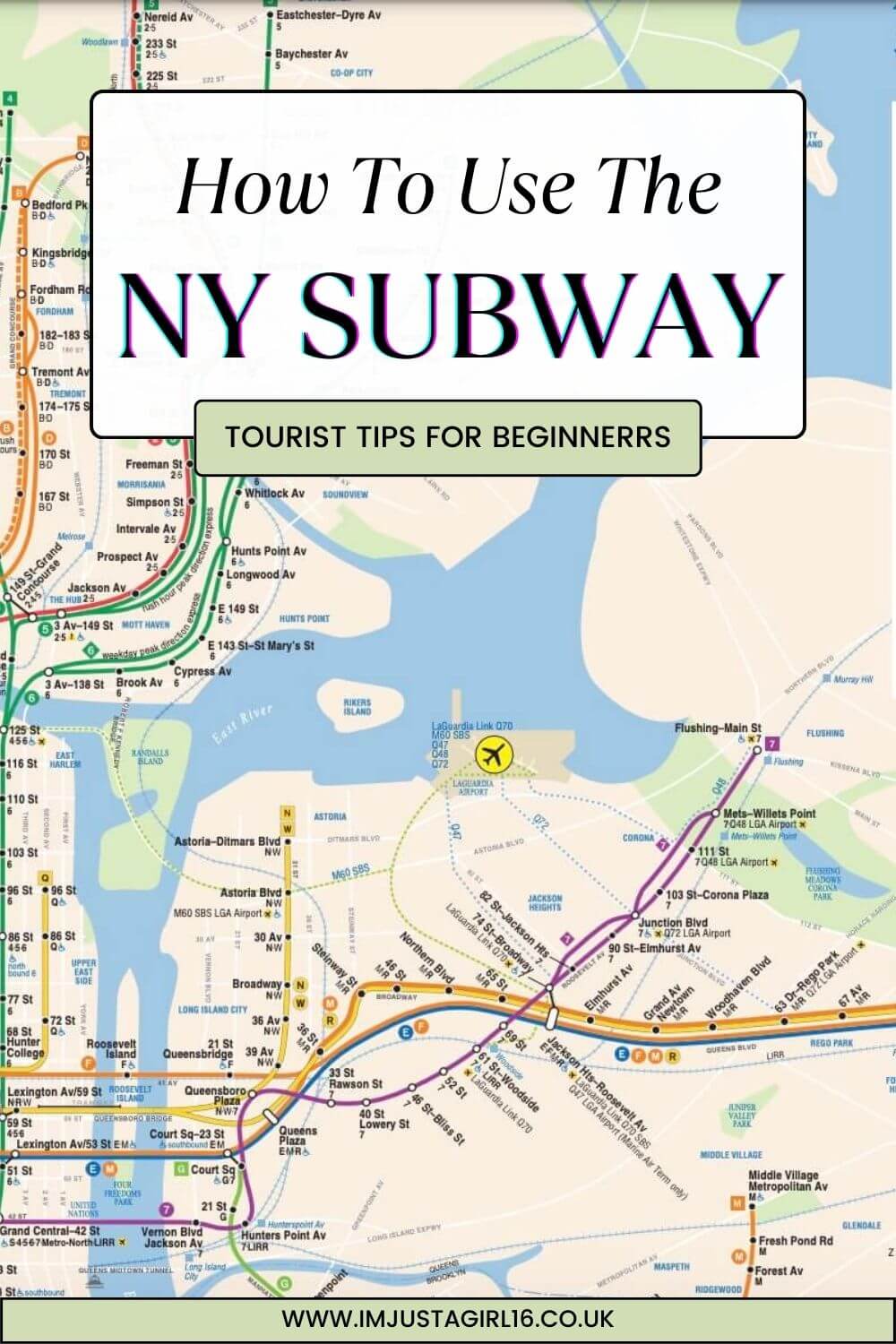
Inside the train, find an available seat or stand and hold onto a pole or strap. During busy times, trains can be very crowded, especially on popular lines serving areas like Times Square or Wall Street. Keep your belongings close and be prepared for sudden stops and starts. Avoid blocking doorways to allow easy movement for other passengers.
Riding and Exiting the Subway
As you ride, pay attention to the announcements – both audible and visual (digital signs inside newer cars). These announce the next stop and any service changes. If you are uncertain about your stop, counting stops or following along with your map or app can be helpful. Many trains also have route maps displayed above the windows.
If you need to transfer to another line, listen for announcements regarding transfer points. Exiting the train is as simple as boarding: wait for the train to come to a complete stop, then step out onto the platform. Again, be mindful of the gap. Once on the platform, follow the “Exit” signs. In larger stations, there might be multiple exits leading to different streets or intersections; consult your map or app to determine the most convenient exit for your destination, whether it’s a hotel near Central Park like The Plaza Hotel, or a cultural attraction like the Museum of Modern Art. Navigating the subway system becomes second nature after a few rides, unlocking the entire city for your exploration.
Subway Etiquette and Safety Tips for Visitors
Riding the New York City subway is a unique cultural experience, a microcosm of the city itself. To ensure a pleasant and safe journey for yourself and fellow passengers, understanding some basic etiquette and safety practices is essential. These tips apply whether you’re traveling for a luxury stay, a budget adventure, or simply commuting like a local.
Navigating Crowds and Rush Hour
New York City is famous for its hustle and bustle, and nowhere is this more apparent than on the subway during rush hour. Peak times are generally weekdays from 7:00 AM to 9:30 AM and 4:30 PM to 7:00 PM. During these periods, trains can be incredibly crowded. If you have flexible travel plans, consider traveling during off-peak hours to avoid the thickest crowds.
When in a crowded car or on a busy platform, maintain awareness of your surroundings. Keep your backpack on your lap or between your feet to avoid bumping others. If standing, try to keep your body compact and allow space for people to move in and out of the train doors. Avoid leaning against the doors or blocking the pathway. It’s also considered good etiquette to offer your seat to the elderly, pregnant individuals, or those with disabilities. Remember, New Yorkers appreciate efficiency; try to move purposefully and avoid blocking traffic on platforms or stairwells.
Staying Safe and Aware
While generally safe, like any major urban public transport system, it’s wise to practice common-sense safety measures on the subway. Always be aware of your surroundings and avoid being overly engrossed in your phone, especially when waiting on platforms or near the turnstiles. Keep your valuables secure and out of sight, and avoid flashing large amounts of cash or expensive electronics.
If you are traveling late at night, try to ride in the conductor’s car (usually in the middle of the train) or in well-lit areas of the platform. If you ever feel unsafe, move to a different car or approach an MTA employee or police officer. In case of an emergency, use the intercom system available in each car to contact the train operator. The MTA has also introduced more surveillance and personnel in stations and on trains to enhance safety.
Beyond the Ride: Exploring NYC’s Cultural Tapestry
The New York City subway is your gateway to an unparalleled exploration of one of the world’s most dynamic cities. Once you’ve mastered the art of the ride, a universe of attractions, cultural experiences, and diverse lifestyles unfolds. From iconic landmarks to hidden local gems, the subway connects them all.
Imagine starting your day with a quick ride to Lower Manhattan to walk across the historic Brooklyn Bridge, offering breathtaking views of the skyline and the Statue of Liberty. A short subway hop can then take you to Wall Street, where you can witness the financial heart of the world and visit the Charging Bull.
For art enthusiasts, the subway is indispensable. Catch a train to Midtown to explore the magnificent collections at the Museum of Modern Art (MoMA) or head further uptown to Museum Mile, where institutions like the Metropolitan Museum of Art await, all easily accessible. If shopping and entertainment are your pursuits, Times Square is a direct subway ride from virtually anywhere, immersing you in its dazzling neon lights and Broadway productions.
Foodies will revel in the opportunities the subway provides. Explore the authentic eateries of Chinatown, the vibrant Italian delis of Little Italy, or the diverse culinary scene of Queens, often lauded for its incredible ethnic food. For a taste of jazz and soul food, hop on an express train to Harlem for a truly local experience. Even hotels, from the historic grandeur of the Waldorf Astoria New York (currently undergoing renovation but accessible via subway to nearby areas) to the luxurious The Plaza Hotel overlooking Central Park, are typically just steps from a subway station, streamlining your accommodation and travel planning.
Beyond the tourist hotspots, the subway opens up quieter, more residential neighborhoods, allowing you to discover the city’s true character. Stroll through the charming streets of Greenwich Village, known for its bohemian past, or explore the trendy boutiques and cafes of Williamsburg in Brooklyn. The system even connects to airports like JFK Airport and Newark Liberty International Airport (via Airtrain connections), making arrivals and departures seamless.
Whether your lifestyle travel preference leans towards budget travel, luxury indulgence, family-friendly excursions, or efficient business stays, the New York City subway is your ultimate companion. It’s an adventure in itself, a deep dive into local culture, and the most authentic way to experience the magic of this incredible destination. Embrace the ride, and let the subway take you on an unforgettable journey through the heart of New York.
LifeOutOfTheBox is a participant in the Amazon Services LLC Associates Program, an affiliate advertising program designed to provide a means for sites to earn advertising fees by advertising and linking to Amazon.com. Amazon, the Amazon logo, AmazonSupply, and the AmazonSupply logo are trademarks of Amazon.com, Inc. or its affiliates. As an Amazon Associate we earn affiliate commissions from qualifying purchases.