
Aloha! The word itself evokes images of sun-drenched beaches, swaying palm trees, and the spirit of the Pacific. But beyond this universally recognized greeting, lies a deeper cultural understanding that enriches any visit to the Hawaiian Islands. Learning to say more than just “Aloha” can unlock genuine connections with the local culture, leading to more profound and memorable experiences. This guide will delve into the nuances of Hawaiian greetings, from the simple and common to the more specific and heartfelt, all while weaving in the incredible opportunities for travel, accommodation, and cultural immersion that Hawaii offers.
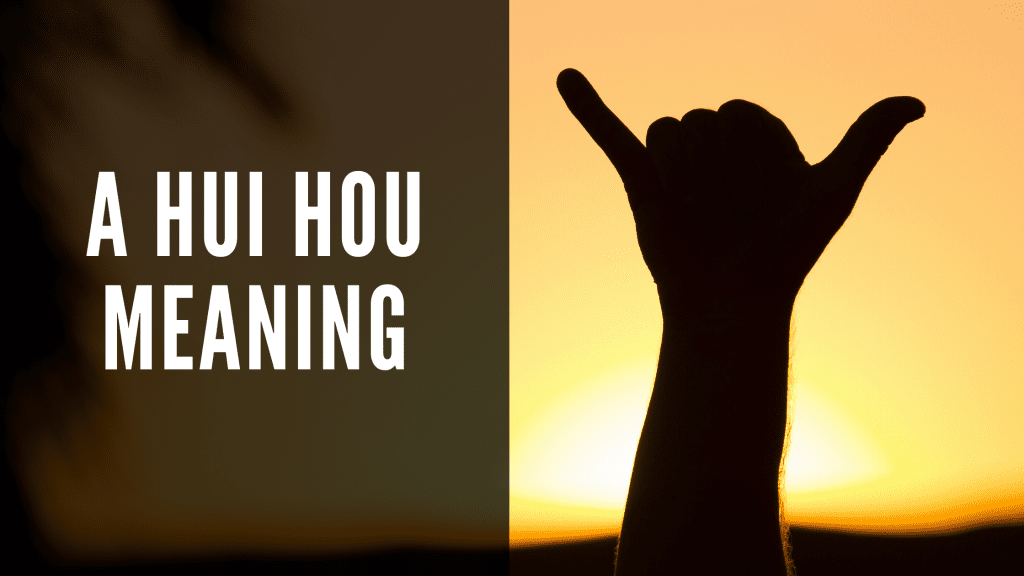
The Hawaiian Islands are a unique destination, a tapestry woven from ancient traditions and modern influences. When you plan a trip, whether it’s a luxurious escape to a five-star resort or a budget-friendly adventure exploring hidden gems, understanding the local customs is paramount. This understanding begins with how you greet people.
Embracing the Spirit of Aloha: Beyond the Surface
While “Aloha” is indeed the cornerstone of Hawaiian greetings, its meaning extends far beyond a simple hello. It encapsulates love, peace, compassion, and a deep sense of interconnectedness. Mastering this single word is the first step in truly engaging with the Hawaiian culture. However, as you explore different islands and interact with locals in various settings – from browsing vibrant local markets to enjoying a sunset luau – you’ll discover a richer vocabulary and a more nuanced approach to communication.
The Ubiquitous “Aloha”: A Greeting and a Farewell
The word “Aloha” is a versatile greeting used at any time of day and for both welcoming someone and saying goodbye. It’s the first word most visitors learn, and for good reason. It’s a warm invitation, a gesture of friendship, and a reflection of the Hawaiian spirit of hospitality. You’ll hear it from hotel concierges at places like the Grand Wailea Maui, A Waldorf Astoria Resort, tour guides leading expeditions through Iao Valley, and shopkeepers in charming towns like Lahaina.
However, the true magic of “Aloha” lies in its deeper meaning. It’s not just a sound; it’s a way of life, a philosophy that permeates daily interactions. When someone says “Aloha” to you with sincerity, they are offering a piece of their heart, a wish for your well-being, and an invitation to share in the positive energy of the islands. This spirit of “Aloha” is palpable in the stunning natural beauty of places like the Na Pali Coast on Kauai, and in the genuine smiles of the people you encounter.
Expanding Your Hawaiian Vocabulary: Greetings for Specific Times
While “Aloha” is always appropriate, learning greetings for specific times of the day can add an extra layer of authenticity to your interactions. These greetings are not as commonly used by tourists, making your efforts particularly appreciated by locals.
Good Morning: “Aloha kakahiaka”
For those early risers who want to catch a breathtaking sunrise over Haleakala National Park or enjoy a quiet morning stroll along Waikiki Beach, “Aloha kakahiaka” is the perfect greeting. This phrase literally translates to “Aloha morning” and is a pleasant way to acknowledge the start of a new day. Imagine stepping out for a breakfast pastry at a local bakery in Honolulu and greeting the staff with this phrase – it’s a small gesture that can go a long way in fostering a connection.
Good Afternoon: “Aloha awakea”
As the sun climbs higher and the day is in full swing, whether you’re exploring the historical sites of Pearl Harbor or enjoying a leisurely afternoon swim, “Aloha awakea” is the appropriate greeting. This translates to “Aloha midday” and is used from late morning through the afternoon. It’s a polite and fitting salutation for any encounter during this part of the day.
Good Evening: “Aloha ‘auinalā”
As the day winds down and the sky begins to paint itself with the vibrant hues of a Hawaiian sunset, “Aloha ‘auinalā” becomes the greeting of choice. This translates to “Aloha afternoon/evening” and is used from the late afternoon into the early evening. It’s a beautiful way to acknowledge the transition into a more relaxed part of the day, perhaps as you prepare for a luau at the Old Lahaina Luau or enjoy dinner at a beachfront restaurant on the island of Maui.
Beyond Greetings: Expressing Gratitude and Respect
Learning to say “thank you” in Hawaiian is another essential step in showing respect and appreciation for the local culture.
Thank You: “Mahalo”
“Mahalo” is the universally recognized word for “thank you” in Hawaii. It is as important as “Aloha” in everyday interactions. Whether a server brings you a refreshing shave ice, a shopkeeper helps you find the perfect souvenir, or a local shares a tip about a hidden waterfall, a sincere “Mahalo” is always appropriate. You’ll hear it echoed throughout the islands, from the bustling streets of Honolulu to the serene landscapes of the Big Island.
Thank You Very Much: “Mahalo nui loa”

For those times when you want to express a deeper level of gratitude, “Mahalo nui loa” conveys “thank you very much.” This is perfect for exceptionally kind gestures or for expressing your profound appreciation for the overall experience of your trip, perhaps after an unforgettable excursion on a Mauna Kea stargazing tour or a guided hike through the lush rainforests of Kauaʻi.
Experiencing the Culture: Where to Practice Your Greetings
The Hawaiian Islands offer a wealth of opportunities to immerse yourself in the local culture and practice your newfound linguistic skills. These experiences go hand-in-hand with planning your travel, finding the perfect accommodation, and discovering the unique landmarks and activities each island has to offer.
Engaging with Local Communities
One of the most rewarding aspects of travel is connecting with the people who call a place home. In Hawaii, this can be achieved through various avenues. Visiting local farmers’ markets, for example, provides a direct and friendly way to interact with farmers and artisans. You can practice your “Aloha kakahiaka” while purchasing fresh tropical fruits or handcrafted items. Similarly, attending a local festival or community event, often advertised on local tourism boards, offers a vibrant setting to observe and participate in cultural exchanges.
When you’re looking for accommodation, consider options beyond large resorts. Small, locally-owned bed and breakfasts or vacation rentals often provide a more intimate setting for cultural exchange. Engaging with your hosts with a friendly “Aloha” can lead to insider tips about the best local eateries or less-traveled paths to explore. Many boutique hotels, like the Turtle Bay Resort on Oahu, also foster a strong sense of community and are excellent places to practice local greetings.
Exploring Cultural Attractions and Landmarks
Hawaii is rich in history and cultural heritage, with numerous landmarks that tell the story of the islands. When visiting sites like Iolani Palace, the only royal palace in the United States, or the ancient Puʻuhonua o Hōnaunau National Historical Park on the Big Island, you’ll encounter staff and guides who are passionate about sharing their knowledge. A respectful greeting and a “Mahalo” for their insights will be greatly appreciated.
Even simple acts of visiting natural wonders, such as the awe-inspiring Volcanoes National Park or the dramatic cliffs of the Na Pali Coast, offer opportunities. Local guides who lead hikes, boat tours, or helicopter excursions are integral to these experiences. Beginning your interaction with a warm “Aloha” can set a positive tone for the entire adventure, making your exploration of these magnificent landmarks even more enriching.
Enjoying Local Cuisine and Activities
The culinary scene in Hawaii is as diverse and vibrant as its landscapes. From traditional luaus featuring kalua pig and poi to modern farm-to-table restaurants, food is a significant part of the cultural experience. When you dine at a local eatery or participate in a cooking class, using “Aloha” and “Mahalo” is essential. This applies to all types of travel, whether you’re enjoying a budget-friendly plate lunch or indulging in a fine dining experience at a resort like the Four Seasons Resort Maui at Wailea.
Beyond dining, many activities offer a chance to connect. Consider a hula lesson, a ukulele workshop, or a surfing lesson at Waikiki Beach. Instructors are often locals who are eager to share their skills and their culture. Your efforts to speak their language, even in small ways, will undoubtedly enhance your learning experience and foster a deeper connection.
Planning Your Hawaiian Adventure: Accommodation and Lifestyle
The way you choose to travel and where you stay can significantly influence your opportunities to engage with the local culture and practice greetings. Whether you’re planning a luxury escape, a family vacation, or a solo adventure, understanding the local greetings will enhance every aspect of your trip.
Choosing the Right Accommodation
Hawaii offers a spectrum of accommodation options, from opulent beachfront resorts to charming guesthouses and long-term rental apartments. For those seeking a deep cultural immersion, smaller establishments or those with a strong community focus might be more suitable. However, even within larger resorts, the staff are generally warm and welcoming. A simple “Aloha” to the doorman at the Halekulani Hotel or a “Mahalo” to the concierge at the JW Marriott Ihilani Resort & Spa Ko Olina will be met with smiles and genuine appreciation.
When considering longer stays, understanding local customs becomes even more important. Interacting with neighbors in an apartment complex or with staff at a long-term rental property using appropriate Hawaiian greetings can foster a sense of belonging and ease your transition into the local rhythm of life.
Tailoring Your Lifestyle to Local Customs
The concept of “lifestyle travel” encompasses various approaches, from budget backpacking to high-end luxury. Regardless of your budget or travel style, the spirit of “Aloha” remains constant. For budget travelers exploring the islands of Kauai or Oahu via public transport, a friendly “Aloha” to fellow passengers or bus drivers can make journeys more pleasant. For those on a luxury itinerary, perhaps staying at the exclusive Four Seasons Resort Lanai, demonstrating respect for local customs through language shows a sophisticated appreciation for the destination.
Family trips can also benefit from incorporating Hawaiian greetings. Teaching children “Aloha” and “Mahalo” adds an educational and respectful element to their vacation, making the experience more meaningful for everyone. Even on business stays, a polite greeting can foster better relationships with local counterparts or service providers.
Ultimately, how you say “hi” in Hawaii is more than just uttering a word; it’s about embracing a philosophy. By learning and using these simple yet profound phrases, you not only show respect for the Hawaiian culture but also open yourself up to more authentic and meaningful connections. So, as you plan your next adventure to these beautiful islands, remember that a genuine “Aloha” and a heartfelt “Mahalo” are the most valuable souvenirs you can bring.
LifeOutOfTheBox is a participant in the Amazon Services LLC Associates Program, an affiliate advertising program designed to provide a means for sites to earn advertising fees by advertising and linking to Amazon.com. Amazon, the Amazon logo, AmazonSupply, and the AmazonSupply logo are trademarks of Amazon.com, Inc. or its affiliates. As an Amazon Associate we earn affiliate commissions from qualifying purchases.