
For anyone dreaming of launching a new venture in the vibrant travel, tourism, or hospitality sector, establishing the right legal structure is as crucial as finding the perfect location or crafting an unforgettable experience. In the Golden State, a Limited Liability Company (LLC) stands out as a preferred choice for many entrepreneurs. California beckons with its diverse landscapes—from the bustling cityscapes of Los Angeles and San Francisco to the serene vineyards of Napa Valley and the stunning coastline of Big Sur—offering endless opportunities for businesses focused on travel, accommodation, local culture, and unique lifestyle experiences. Whether you envision a boutique hotel in Carmel-by-the-Sea, a luxury tour operator exploring Yosemite National Park, a thriving vacation rental company in Santa Monica, or a culinary experience business in San Diego, understanding how to set up an LLC properly is your first vital step.
An LLC offers a unique blend of personal liability protection, tax flexibility, and administrative ease, making it an attractive option for small to medium-sized businesses in a state renowned for its entrepreneurial spirit. This comprehensive guide will walk you through the essential steps, considerations, and post-formation requirements to successfully establish your LLC in California, all while keeping the dynamic world of travel and hospitality in mind.
Laying the Foundation: Initial Considerations for Your California LLC
Before diving into the paperwork, a thoughtful approach to some fundamental decisions will streamline the entire LLC formation process. These initial steps are critical for safeguarding your assets and setting your travel or hospitality business on a solid legal footing.
Why an LLC in California’s Tourism Sector?
For businesses catering to the myriad experiences California offers—from iconic landmarks to hidden gems—the LLC structure provides compelling advantages. Paramount among these is liability protection. Imagine running a tour company through a scenic route, or managing a suite of vacation rentals. Accidents can happen, and disputes can arise. An LLC legally separates your personal assets (your home, savings, personal car) from your business liabilities. This means that if your business faces a lawsuit or debts, your personal wealth is typically protected, a crucial safeguard for any venture in the service industry.
Beyond protection, LLCs offer significant flexibility in taxation. By default, an LLC is taxed as a pass-through entity, meaning profits and losses are passed through to the owners’ personal tax returns, avoiding the “double taxation” common with C-corporations. However, an LLC also has the option to elect to be taxed as an S-corporation or even a C-corporation, allowing you to choose the tax structure that best benefits your growing business, whether it’s a small bed-and-breakfast or a larger resort management firm. This flexibility can lead to substantial tax savings as your business evolves.
Furthermore, an LLC lends credibility and professionalism to your business. When you partner with other travel entities, negotiate with suppliers, or seek funding, having a formally registered business entity demonstrates seriousness and commitment. For instance, if you’re looking to establish relationships with major attractions like Disneyland or Universal Studios Hollywood for ticket packages or guided tours, presenting yourself as an LLC can open doors that might remain closed to sole proprietorships. It also simplifies the process of opening dedicated business bank accounts and securing business financing, essential for managing the cash flow typical of travel-related ventures.
Naming Your California LLC
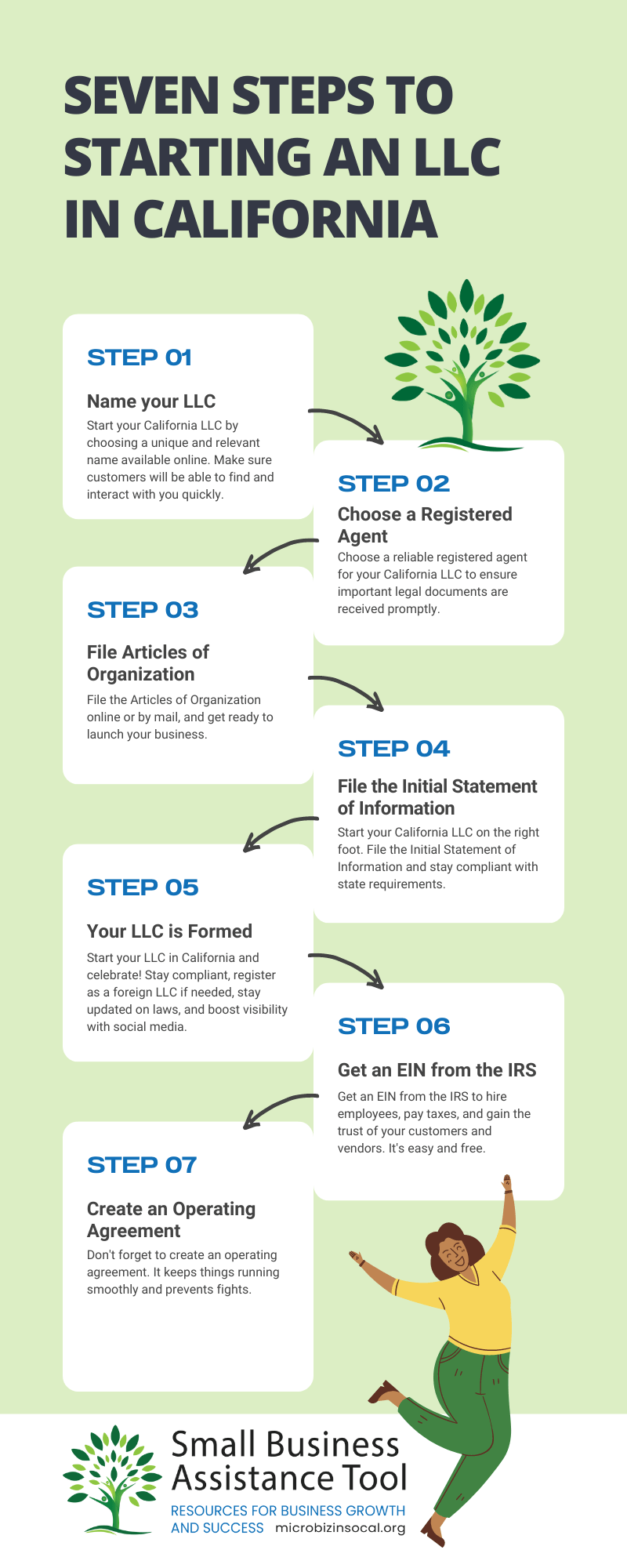
Choosing the perfect name for your LLC is more than just a creative exercise; it’s a legal requirement. Your chosen name must be unique and distinguishable from other registered entities in California. The rules set forth by the California Secretary of State mandate that your LLC name must include the words “Limited Liability Company” or the abbreviation “LLC” or “L.L.C.” Punctuation within the abbreviation is optional.
To avoid delays, it’s essential to perform a name availability search through the California Secretary of State’s website. This free online tool allows you to check if your desired name is already in use. Think strategically about a name that not only meets legal requirements but also resonates with your travel or hospitality brand. For example, “Golden Gate Getaways LLC” clearly communicates location and service, while “Pacific Coast Stays LLC” hints at accommodation along California’s iconic coastline.
If your desired name is available, you can file a Name Reservation Request (Form LLC-1) with the California Secretary of State to reserve it for 60 days. This gives you a crucial window to prepare and file your other formation documents without the worry of losing your chosen name.
Selecting a Registered Agent
Every LLC in California is legally required to designate a registered agent. This individual or entity acts as your LLC’s official point of contact for receiving important legal documents, tax notices, and service of process (should your business be sued). The registered agent must have a physical street address in California (a P.O. Box is not acceptable) and be available during regular business hours to accept deliveries.
You have a few options for who can serve as your registered agent:
- An individual member or manager of your LLC: If you or another member has a physical address in California and can be consistently available, you can serve as your own agent.
- Another individual: A trusted friend, family member, or employee who meets the requirements.
- A professional registered agent service: Many companies specialize in providing registered agent services. This is often the preferred option for businesses that operate remotely, travel frequently (common for tourism entrepreneurs!), or prefer to maintain a level of privacy for their business address. Using a professional service ensures compliance and that critical documents are never missed.
Choosing a reliable registered agent is paramount. Missing legal notifications can have serious consequences for your business, potentially leading to default judgments or other legal penalties.
The Formal Filing Process: Registering Your LLC with the State
Once you’ve made your preliminary decisions, the next phase involves the official registration of your LLC with the state of California. This is where your business legally comes into existence.
Drafting and Filing Your Articles of Organization (Form LLC-1)
The Articles of Organization (Form LLC-1) is the foundational document that formally registers your LLC with the California Secretary of State. It’s a relatively straightforward form, but accuracy is key. You’ll need to provide:
- Your LLC’s chosen name: Ensure it matches the name you checked for availability and, if applicable, reserved.
- The name and address of your registered agent: As discussed previously.
- A statement of purpose: While usually broad (e.g., “for any lawful purpose”), you can tailor it slightly to your travel or hospitality niche if desired.
- Management structure: You’ll specify whether the LLC will be managed by its members (owner-managed) or by appointed managers. For a small travel agency or a single-property vacation rental, member-management is common. For larger operations or those with passive investors, manager-management might be more suitable.
The Articles of Organization can be filed online, by mail, or in person with the California Secretary of State. There is a filing fee, and processing times can vary, sometimes taking several weeks depending on the state’s workload. Expedited filing services are often available for an additional fee if you need your LLC formed quickly. Upon approval, the Secretary of State will return a filed-stamped copy of your Articles of Organization, signifying the official birth of your California LLC.
Creating an Operating Agreement
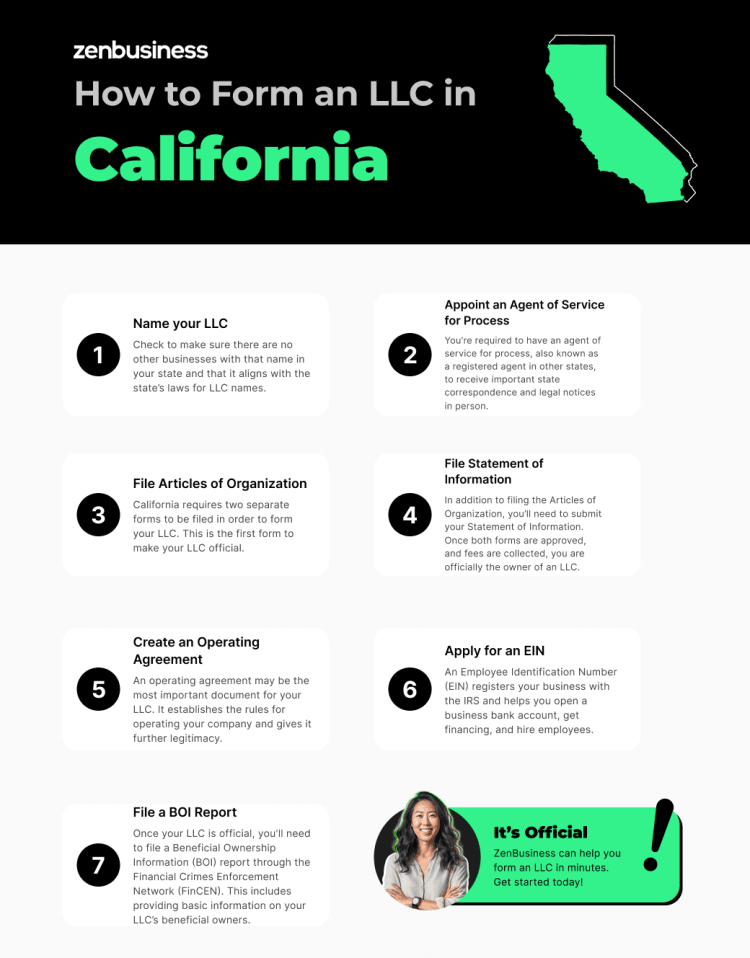
While not legally required to be filed with the California Secretary of State, an Operating Agreement is arguably the single most important internal document for your LLC. It acts as the governing contract among the members, outlining the operational and financial agreements of the business. For a travel business, where partnerships and shared responsibilities are common, a robust Operating Agreement is indispensable.
Key elements typically addressed in an Operating Agreement include:
- Ownership percentages: How profits and losses are distributed among members.
- Management structure and responsibilities: Who makes decisions and what their duties are.
- Voting rights: How decisions are made, especially on major issues.
- Capital contributions: How much each member invests in the LLC.
- Buy-sell provisions: What happens if a member wants to leave, sell their interest, or becomes incapacitated. This is crucial for maintaining business continuity, especially for co-owned tour operations or hospitality ventures.
- Dissolution procedures: How the LLC would be dissolved if necessary.
Even for a single-member LLC, an Operating Agreement is highly recommended. It strengthens your liability protection by clearly demonstrating the separation between you and your business, and it serves as a clear guide for future business decisions or potential disputes. Think of it as the foundational “constitution” for your luxury travel agency or unique California experience provider.
Obtaining an Employer Identification Number (EIN)
After your LLC is officially formed with the state, your next step is to obtain an Employer Identification Number (EIN) from the IRS. This nine-digit number is essentially your business’s Social Security number and is required for several key functions:
- Opening a business bank account: Critical for maintaining the legal separation between your personal and business finances, thereby reinforcing your liability protection.
- Hiring employees: If your boutique hotel or adventure tour company plans to hire staff (e.g., front desk associates, tour guides, drivers), an EIN is mandatory for payroll and tax reporting.
- Filing federal and state taxes: Your LLC will use its EIN for all its tax-related submissions to the IRS and the California Franchise Tax Board (FTB).
Applying for an EIN is a free and straightforward process that can be completed online via the IRS website. Most applicants receive their EIN immediately upon completion.
Post-Formation Essentials: Ensuring Compliance and Growth
Establishing your LLC is a significant accomplishment, but the journey doesn’t end there. To ensure your travel or hospitality business thrives and remains compliant with California law, there are ongoing obligations and strategic steps to consider.
Navigating California’s Annual Requirements
California has specific annual compliance requirements for LLCs:
- Annual Statement of Information (Form LLC-12): Within 90 days of filing your Articles of Organization, and then every two years thereafter, your LLC must file a Statement of Information with the California Secretary of State. This form updates the state with current information about your LLC’s registered agent, address, and managers/members. Staying up-to-date is crucial to avoid penalties and potential administrative dissolution.
- Minimum Annual Tax: California LLCs are subject to a minimum annual tax levied by the California Franchise Tax Board (FTB). This is a fixed amount (currently $800) that must be paid annually, regardless of whether your LLC generates income. There may also be additional fees based on your LLC’s total income if it exceeds certain thresholds. It’s essential to budget for these taxes and understand their due dates to maintain your LLC in good standing. For a new business, this means accounting for this cost even before significant revenue starts flowing from your destination experiences or accommodation bookings.
Business Licenses, Permits, and Industry-Specific Regulations
Beyond state registration, your LLC will likely need various local business licenses and permits to operate legally in California. These requirements vary significantly by city and county and by the specific nature of your travel or hospitality business.
- Local Business License: Most cities and counties require a general business license or tax certificate to operate within their jurisdiction. For a boutique hotel in Santa Monica or a tour company based in San Francisco, you would apply to the respective city’s business licensing department.
- Seller’s Permit: If your business sells tangible goods (e.g., souvenirs at a gift shop near Piers 39, branded merchandise for a surf school in Malibu), you’ll need to obtain a seller’s permit from the California Department of Tax and Fee Administration (CDTFA) to collect and remit sales tax.
- Industry-Specific Permits: This is particularly relevant for the travel and hospitality sectors.
- Hotels/Accommodation: Health permits, occupancy permits, fire safety inspections.
- Restaurants/Food Tours: Health permits from the local county health department (e.g., for a food tour exploring the Ferry Building in San Francisco).
- Transportation/Tour Operators: Commercial driver’s licenses, special permits for operating in national parks (like Yosemite National Park), or specific city permits for shuttle services.
- Travel Agencies: While less regulated than in the past, some consumer protection regulations still apply, especially regarding trust accounts for client funds.
Thorough research into your specific business activities and local ordinances is paramount. Resources typically include your city’s business permit office, county clerk, and relevant state professional licensing boards. Ignoring these requirements can lead to hefty fines and operational disruptions.
Financial Management and Banking for Your Travel Venture
Once your LLC is formed and has an EIN, opening a dedicated business bank account is a non-negotiable step. This is critical for maintaining the “corporate veil”—the legal separation between your personal and business finances—which is the cornerstone of an LLC’s liability protection. Commingling funds can expose your personal assets to business liabilities.
Consider how your LLC will be taxed. By default, an LLC is a pass-through entity, but you can elect to be taxed as an S-corporation with the IRS, which can offer self-employment tax savings for profitable businesses. Consult with a qualified accountant or tax professional who understands the nuances of California state and federal tax laws, especially as they pertain to seasonal businesses or those with variable income streams common in travel.
Robust bookkeeping is essential for any business, but particularly for travel companies that often deal with multiple currencies, bookings, and complex expense tracking (e.g., flights for tour leaders, hotel accommodations for clients, attraction entry fees). Implementing accounting software from day one will simplify tax preparation, monitor cash flow, and provide insights into your business’s financial health.
Building Your Brand in California’s Competitive Landscape
With your LLC legally established, the focus shifts to operations and growth. In a state as iconic as California, branding and marketing are pivotal for attracting travelers.
- Online Presence: A professional website, active social media channels, and listings on relevant online travel agencies (OTAs) are non-negotiable. Showcase California’s stunning beauty and diverse offerings through high-quality photography and engaging content.
- Leverage Local Landmarks: Integrate California’s world-renowned landmarks like the Golden Gate Bridge, Hollywood Walk of Fame, or Big Sur into your marketing narratives, offering unique perspectives or access.
- Networking: Connect with other local businesses in the hospitality and tourism industry. Partnerships with hotels, restaurants, and activity providers can expand your reach and enhance your offerings.
- Customer Experience and Reviews: In the travel industry, reputation is everything. Exceptional customer service, clear communication, and actively managing online reviews are vital. Positive reviews on platforms like TripAdvisor or Google can significantly boost your visibility and bookings for your California tours or accommodation options.
Conclusion
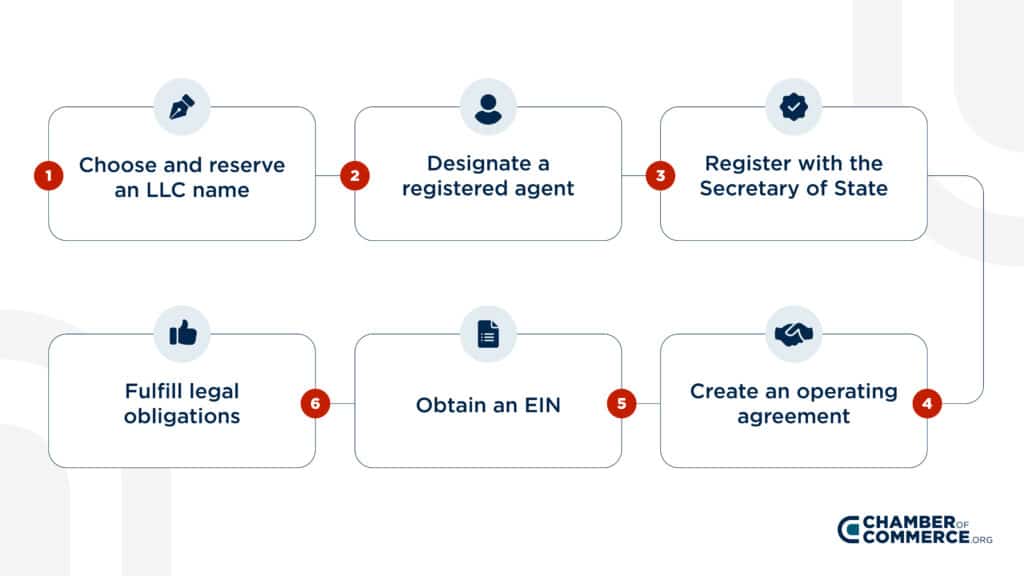
Establishing an LLC in California is a strategic move for any entrepreneur venturing into the dynamic travel, tourism, and hospitality industries. It provides essential legal protection, tax flexibility, and a foundation for professional growth. By meticulously navigating the steps from initial naming and registered agent selection to filing your Articles of Organization, drafting a robust Operating Agreement, and securing your EIN, you lay a solid groundwork.
However, the journey doesn’t end with formation. Ongoing compliance with biennial statements, annual taxes from the California Franchise Tax Board (FTB), and the myriad of local and industry-specific licenses are crucial for uninterrupted operation. Coupled with savvy financial management and a strategic approach to branding, your California LLC can become a thriving entity, contributing to and benefiting from the Golden State’s irresistible appeal to travelers worldwide. Embrace the process, stay diligent, and prepare to turn your passion for travel and hospitality into a successful enterprise in one of the world’s most desired destinations.