
Texas, a state renowned for its vast landscapes, vibrant cities like Houston, Dallas, and Austin, and rich cultural experiences, also offers essential support systems for its residents. For individuals and families facing financial hardship, understanding how to access crucial resources like food assistance can be a cornerstone of a stable lifestyle. While many aspire to explore luxurious accommodations or vibrant tourist attractions, the reality for some involves navigating the practicalities of daily living. This guide aims to demystify the process of signing up for food stamps in Texas, formally known as the Supplemental Nutrition Assistance Program (SNAP), offering a clear, step-by-step approach for those who might be new to the state, seeking long-term accommodation, or simply needing support to ensure food security within their household.
Understanding the SNAP program is vital for anyone establishing a life or managing a budget in Texas. It’s designed to help low-income individuals and families purchase nutritious food, thereby improving health and well-being. Whether you’re relocating, experiencing unexpected financial changes, or simply require a safety net, knowing how to apply for and receive these benefits is an essential piece of living well in the Lone Star State.
Understanding the Supplemental Nutrition Assistance Program (SNAP) in Texas
The Supplemental Nutrition Assistance Program (SNAP), often referred to as food stamps, is a federal program administered by the Texas Health and Human Services Commission (HHSC) at the state level. Its primary goal is to provide eligible low-income individuals and families with financial assistance to buy groceries, helping them put food on the table. This program is not just about survival; it’s about promoting healthier eating habits and ensuring that everyone, regardless of their immediate financial situation, has access to adequate nutrition. For those managing a budget, whether for a temporary stay or long-term residence, understanding these support systems is key to a comfortable lifestyle in Texas.

SNAP benefits are distributed through an Electronic Benefit Transfer (EBT) card, which functions much like a debit card. This card can be used at most grocery stores and farmers’ markets to purchase eligible food items. It cannot be used for non-food items like alcohol, tobacco, household supplies, or hot, prepared foods. This system ensures that the aid is directed specifically towards nutritional needs, aligning with the program’s core mission to alleviate food insecurity.
Who is SNAP For? Eligibility Criteria Explained
Determining eligibility for SNAP involves several factors, primarily focusing on household income, resources, and residency. It’s important to note that specific criteria can change, so always refer to the most current guidelines provided by the Texas Health and Human Services Commission. Generally, eligibility is based on a household’s gross and net monthly income in relation to the federal poverty level, adjusted for household size.
Key Eligibility Requirements:
- Residency: Applicants must be residents of Texas. This includes individuals who have recently moved to the state and are establishing new accommodation.
- Citizenship/Immigration Status: Most applicants must be U.S. citizens or qualified non-citizens. Certain legal permanent residents, refugees, and asylum seekers may also be eligible.
- Income Limits: Households must meet specific income thresholds. Generally, the gross monthly income (before deductions) must be at or below 130% of the federal poverty level, and the net monthly income (after deductions) must be at or below 100% of the federal poverty level. These limits vary based on household size. For instance, a single person will have a different income limit than a family of four.
- Resource Limits: While many households do not have a resource limit, some (like those with an elderly or disabled member) may have a limit on countable resources, such as bank accounts. However, generally, the value of a home and one vehicle is not counted.
- Work Requirements: Able-bodied adults without dependents (ABAWDs) may be subject to work requirements, meaning they must be employed, actively seeking employment, or participating in a work or training program for a certain number of hours per week to maintain eligibility. Exemptions exist for various reasons, including caring for a child or being disabled.
Understanding these criteria is the first step in the application process. It helps individuals assess their likelihood of qualifying before gathering all necessary documentation. For visitors or those planning an extended stay in Texas, understanding the local support systems is an integral part of responsible planning and ensures a comfortable lifestyle.
The Application Process: How to Apply for SNAP in Texas
Applying for SNAP benefits in Texas involves a structured process designed to gather necessary information and verify eligibility. The Texas Health and Human Services Commission offers multiple convenient ways to apply, catering to different preferences and accessibility needs. Regardless of the method chosen, thoroughness and accuracy in providing information are paramount to a smooth application.
Step-by-Step Application Methods
The HHSC provides flexibility in submitting your SNAP application. You can choose the method that is most convenient for you:
-
Online Application (Recommended):
The most efficient and increasingly popular method is to apply online through the official YourTexasBenefits.com portal. This user-friendly website allows applicants to complete the entire application, upload supporting documents, and even manage their benefits online.- Create an Account: You’ll first need to create a secure account on YourTexasBenefits.com.
- Complete the Application: Fill out the online application form with all required personal, household, income, and expense information. Be precise and complete.
- Upload Documents: The portal allows you to directly upload scans or photos of your supporting documents. This significantly speeds up the verification process.
- Submit: Once all sections are complete and documents are uploaded, you can electronically submit your application.
-
In-Person Application:
If you prefer face-to-face assistance or do not have reliable internet access, you can apply in person at a local HHSC benefits office.- Find an Office: Use the YourTexasBenefits.com website or call the HHSC helpline to locate the nearest benefits office. Cities like San Antonio, Fort Worth, and El Paso have multiple offices readily available.
- Visit During Business Hours: Bring all your required documents with you. You may be able to pick up a paper application, fill it out on-site, and submit it directly to a caseworker.
- Receive Assistance: Staff members can help you understand the questions and ensure your application is complete.
- Mail or Fax Application:
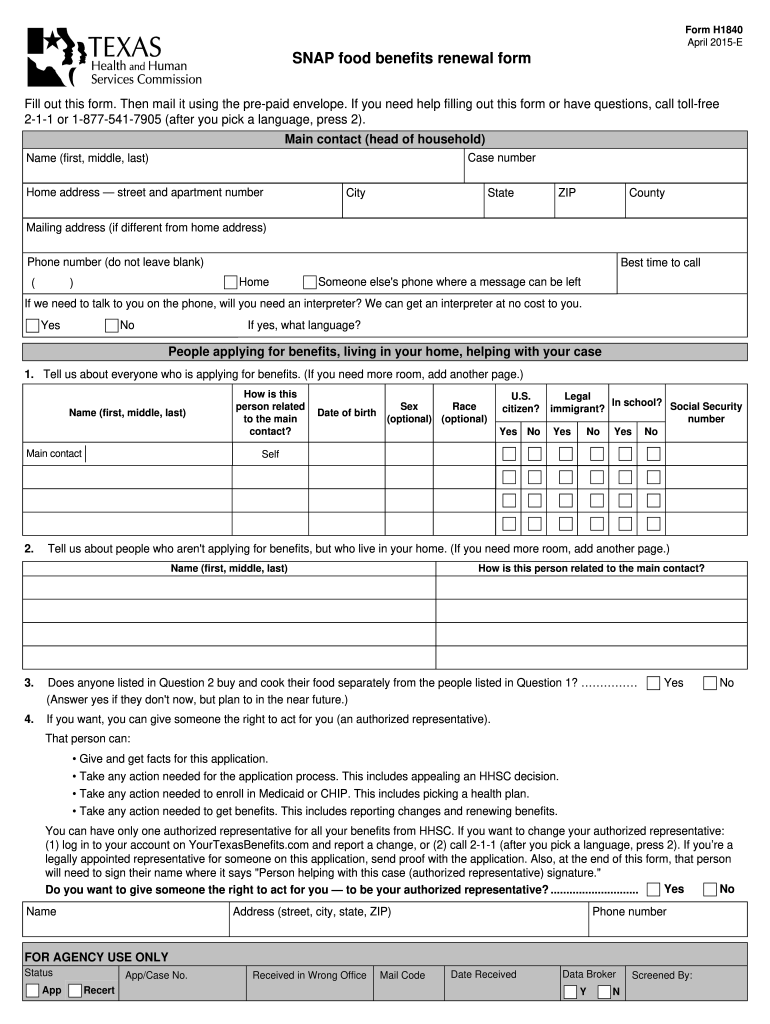
For those who prefer a traditional paper application, you can download the application form from YourTexasBenefits.com, print it, fill it out, and then mail or fax it to the HHSC.- Download Form: Access the SNAP application form (Form H1010) from the HHSC website.
- Fill Out Clearly: Complete the form accurately and legibly.
- Attach Documents: Make copies of your supporting documents and attach them to the application. Do not send original documents by mail.
- Mail or Fax: Send the completed application and copies of documents to the address or fax number provided on the form or the HHSC website.
After submitting your application, the HHSC has a timeframe (typically 30 days) to process it. In urgent situations, some households may qualify for expedited SNAP benefits within seven days.
Essential Documents for Your SNAP Application
Gathering all necessary documents before starting your application can significantly streamline the process. Missing documents are a common cause of delays. Here’s a list of typical documents you’ll need to provide:
- Proof of Identity: A valid driver’s license, state ID card, birth certificate, or passport.
- Proof of Residency: A utility bill, rent receipt, lease agreement, or mail with your current Texas address.
- Proof of Income: Pay stubs (for the last 30 days), employer statements, award letters for Social Security benefits, unemployment benefits, child support, or veterans’ benefits. If self-employed, tax records or business ledgers.
- Proof of Resources (if applicable): Bank statements, stock certificates, or other financial asset statements.
- Proof of Household Members: Birth certificates, social security cards for everyone in your household, especially children.
- Proof of Expenses:
- Shelter Expenses: Rent or mortgage statements, property tax bills, homeowner’s insurance premiums.
- Utility Bills: Electricity, gas, water, internet, and phone bills.
- Child Care Expenses: Receipts or statements from licensed child care providers.
- Medical Expenses: For household members who are elderly or disabled, proof of unreimbursed medical expenses over a certain amount may be deductible.
- Social Security Numbers: For all household members applying for benefits.
Having these documents organized and ready will make the application process much smoother, whether you’re applying online, in person, or by mail. For anyone new to Texas or navigating the complexities of local life, this preparation is a key step towards securing essential support and establishing a stable lifestyle.
The Interview and Receiving Your Benefits
Once your SNAP application is submitted, the process moves to the interview stage, a critical step for verifying the information you’ve provided and clarifying any details. After a successful interview and approval, you’ll learn how to receive and utilize your benefits, which is vital for managing your household’s food budget and ensuring nutritional well-being.
The Interview Process: What to Expect
Every SNAP applicant household is required to complete an interview with an HHSC caseworker. This interview is a crucial part of the eligibility determination process, allowing the agency to confirm the information on your application and address any questions.
- Scheduling the Interview: After your application is received, the HHSC will contact you to schedule an interview. This is typically done by phone, but in some cases, it might be in person at an HHSC office. Ensure your contact information on the application is accurate.
- During the Interview: A caseworker will review your application with you, asking questions to clarify details about your household composition, income, resources, and expenses. Be prepared to answer thoroughly and honestly. This is also your opportunity to ask questions about the program or your application.
- Providing Further Documentation: The caseworker may request additional documentation during or after the interview if anything is unclear or missing from your initial submission. Respond promptly to any such requests to avoid delays.
- The Importance of Participation: Attending and actively participating in the interview is mandatory. Failure to complete the interview or provide requested information can lead to your application being denied.
The interview process is designed to ensure fairness and accuracy in benefit distribution. Approach it with preparation and transparency, just as you would any important personal or financial discussion.
Receiving Your EBT Card and Benefits
If your application is approved after the interview, you will begin to receive SNAP benefits. These benefits are loaded onto an Electronic Benefit Transfer (EBT) card, specifically the Lone Star Card in Texas.
- The Lone Star Card: This card functions like a debit card. It will be mailed to your address, typically within 30 days of your application approval. When you receive it, you’ll need to activate it and set a Personal Identification Number (PIN).
- How to Use Your EBT Card: You can use your Lone Star Card at most grocery stores, supermarkets, and participating farmers’ markets across Texas to purchase eligible food items. Look for stores displaying the Quest logo or signs indicating they accept EBT.
- At the checkout, swipe your card through the point-of-sale (POS) terminal.
- Enter your PIN.
- The purchase amount will be deducted from your available balance.
- You can check your balance at most EBT-accepting stores, online at YourTexasBenefits.com, or by calling the customer service number on the back of your card.
- Benefit Issuance: Benefits are typically loaded onto your card on a specific schedule each month, usually based on the last digit of your case number. You can find your specific issue date on YourTexasBenefits.com or by calling customer service.
- Eligible Food Items: SNAP benefits can be used to buy most food items, including fruits, vegetables, meat, poultry, fish, dairy products, breads, cereals, and non-alcoholic beverages. They cannot be used for alcoholic beverages, tobacco products, vitamins or medicines, live animals (except shellfish, fish removed from water, and animals slaughtered prior to pick-up), prepared hot foods, or non-food items like pet food, household supplies, or toiletries.
The Lone Star Card offers a discreet and efficient way to access food assistance, allowing families to shop for groceries just like any other customer. It’s an integral part of the support system that helps maintain a sustainable lifestyle in Texas for those in need.
Maintaining Eligibility and Additional Resources
Receiving SNAP benefits is a significant help, but it’s equally important to understand how to maintain your eligibility and what to do if your circumstances change. The Texas Health and Human Services Commission also provides various resources beyond the initial application to support recipients. For anyone building a life in Texas, managing these aspects ensures continuous access to necessary aid.
Reporting Changes and Recertification
Life circumstances can change rapidly, and it’s crucial to report these changes to the HHSC to ensure your SNAP benefits accurately reflect your household’s current situation. Failure to report significant changes could lead to overpayment of benefits, which may need to be repaid, or underpayment if your benefits should have increased.
- What to Report: You must report changes in income, employment status (starting or stopping a job), household composition (someone moving in or out), address, and major changes in expenses (like a significant increase in rent). Typically, these changes must be reported within 10 days of the change occurring.
- How to Report Changes:
- Online: The easiest way is through your YourTexasBenefits.com account. You can log in and update your case information directly.
- Phone: Call the HHSC customer service line.
- In-Person: Visit your local HHSC benefits office.
- Mail/Fax: Send a written notification with details of the change.
- Recertification: SNAP benefits are not permanent. You will need to recertify your eligibility periodically, usually every 6 to 12 months. The HHSC will send you a notice when it’s time to recertify. This process involves filling out a new application and possibly having another interview to confirm your continued eligibility. Do not miss your recertification deadline, as this can lead to a temporary halt in benefits.
Proactive communication with the HHSC is key to avoiding issues and ensuring your benefits continue without interruption. It’s an essential part of managing your financial well-being within the diverse lifestyle options Texas offers.
Where to Find Help and Additional Resources
Beyond the application process, several resources are available to help you navigate SNAP and other assistance programs.
- YourTexasBenefits.com: This website is your primary hub for all things related to Texas benefits. You can apply, check your application status, manage your case, report changes, and find information about other HHSC programs like Medicaid or Temporary Assistance for Needy Families (TANF).
- HHSC Contact Center: For direct assistance, you can call the Texas Health and Human Services Commission toll-free number. The phone number is typically available on their website and on any correspondence you receive. This is useful for asking specific questions about your case or getting help with the application.
- Local HHSC Offices: Visiting a local office provides an opportunity for in-person assistance, which can be invaluable for those who prefer direct interaction or have complex situations. Staff can help with applications, document submissions, and understanding program requirements.
- Community Organizations and Food Banks: Many non-profit organizations and food banks across Texas offer assistance with SNAP applications and provide additional food support. Organizations like the Central Texas Food Bank in Austin, the Houston Food Bank in Houston, or the North Texas Food Bank in Dallas often have staff or volunteers trained to help. They can also provide emergency food boxes if you are awaiting benefits or need supplemental assistance.
- 2-1-1 Texas: This is a free, confidential service that connects Texans with information about local health and human services programs. By simply dialing 2-1-1, you can speak with a representative who can direct you to local resources, including food assistance, housing support, and other community services. This is an excellent starting point for new residents or anyone unsure where to turn.
Navigating the complexities of state benefits can seem daunting, but with the right information and resources, it becomes a manageable part of ensuring a secure and healthy lifestyle in Texas. Whether you’re considering a move, adjusting to new circumstances, or simply looking to understand the safety nets available, this guide provides a foundation for accessing crucial food assistance. Just as a well-planned trip involves understanding local customs and amenities, a well-managed life in Texas includes knowing your options for support.