
Embarking on a culinary adventure that culminates in the tender, melt-in-your-mouth perfection of a slow-cooked pork Boston butt is a journey many food enthusiasts dream of. This cut, also known as a pork shoulder, is a treasure for slow cooking, boasting a generous amount of connective tissue and fat that breaks down beautifully over long, low-temperature cooking periods. The result is a rich, flavorful meat that can be shredded, pulled, or sliced, forming the heart of countless delicious meals. Whether you’re planning a backyard barbecue in Texas, a cozy family dinner in Vermont, or simply seeking to impress guests with your culinary prowess, mastering the art of slow-cooking a pork Boston butt is an essential skill. This guide will walk you through the process, from selecting the perfect cut to achieving that irresistible, fall-apart texture, drawing inspiration from the world of travel and local experiences where food often plays a central role. Imagine the aroma wafting through your kitchen, reminiscent of the vibrant food markets of Marrakech or the smoky barbecues of Kansas City.

Understanding the Pork Boston Butt
Before we delve into the cooking process, it’s crucial to understand what a pork Boston butt truly is. Often a point of confusion, the “butt” refers to the upper portion of the pig’s shoulder. It’s a bone-in or boneless cut characterized by its significant marbling of fat and connective tissue. This intramuscular fat is the key to its succulence and flavor, especially when subjected to slow cooking. Unlike leaner cuts that can dry out quickly, the Boston butt thrives on extended cooking times, allowing the fat to render and the collagen to break down into gelatin, which tenderizes the meat and creates that signature moistness. When selecting a Boston butt, look for a piece that is well-marbled, with a good distribution of fat throughout. The skin, or rind, is often left on and can be a fantastic addition for adding texture and flavor, especially if you plan to crisp it up later.
The Versatility of the Cut
The beauty of the pork Boston butt lies in its incredible versatility. Once slow-cooked to perfection, it can be transformed into a multitude of dishes that evoke the spirit of various culinary destinations. Consider the classic pulled pork sandwiches, a staple at any North Carolina barbecue festival. The shredded meat, tossed with a tangy barbecue sauce, is a testament to the simple yet profound flavors achievable with this cut. Beyond sandwiches, it can be the star of tacos, served atop cornbread, or incorporated into hearty stews, akin to those found in traditional European bistros. The inherent richness of the meat makes it a perfect canvas for a wide array of spices and marinades, allowing you to tailor its flavor profile to match any culinary theme, whether it’s a fiery Mexican fiesta or a comforting Southern comfort meal. Its adaptability makes it a go-to for chefs and home cooks alike, whether they are catering a large event or preparing a special meal for a family gathering in their cozy cabin.
Preparing Your Pork Boston Butt for the Slow Cooker
The journey to a perfectly slow-cooked Boston butt begins with proper preparation. This stage is crucial for ensuring even cooking and infusing the meat with maximum flavor. Think of it as setting the stage for a grand performance, where each element plays a vital role in the final masterpiece. This meticulous approach mirrors the care taken in preparing exquisite dishes at luxury resorts or the thoughtful planning that goes into a memorable African safari adventure.
The Rub: Building Flavor from the Outside In
A well-crafted rub is the foundation of a flavorful pork Boston butt. This dry mixture of spices acts as a flavor enhancer, creating a delicious crust as the meat cooks. The choice of spices is vast and can be adapted to your personal preferences or the regional cuisine you aim to emulate. A classic barbecue rub often includes brown sugar for sweetness and caramelization, paprika for color and a smoky note, garlic powder and onion powder for aromatic depth, chili powder for a touch of heat, and salt and black pepper to season. Some variations might include cumin for an earthy tone, cayenne pepper for a more pronounced kick, or even herbs like thyme or rosemary.
When applying the rub, generosity is key. Ensure the entire surface of the Boston butt is coated evenly. You can do this by patting the rub onto the meat, ensuring it adheres well. For an even deeper flavor penetration, consider applying the rub several hours in advance, or even the night before, and refrigerating the meat. This allows the salt in the rub to begin its work, tenderizing the meat and drawing out moisture to create a flavorful brine. This practice is akin to marinating ingredients for a dish you might encounter during a culinary tour of Italy, where the emphasis is on allowing flavors to meld and develop over time.
Optional: The Sear for Added Depth
While not strictly necessary for slow cooking, searing the pork Boston butt before placing it in the slow cooker can add an extra layer of flavor and visual appeal. This step, known as the Maillard reaction, creates those desirable brown, caramelized bits on the surface of the meat, contributing to a more complex flavor profile and a richer color. To sear, heat a tablespoon or two of high-heat oil, such as canola or vegetable oil, in a heavy-bottomed skillet or Dutch oven over medium-high heat. Carefully place the seasoned Boston butt in the hot skillet and sear each side until deeply browned, typically for 3-5 minutes per side. Work in batches if necessary to avoid overcrowding the pan, which can lead to steaming rather than searing. Once seared, allow the meat to cool slightly before proceeding to the slow cooker. This step is reminiscent of the careful browning techniques used in professional kitchens to build foundational flavors, much like the artisanal preparation you might observe in a traditional French patisserie.
The Slow Cooking Process: Patience is a Virtue
The magic of slow cooking lies in its ability to transform tough cuts of meat into incredibly tender and succulent dishes through prolonged exposure to low heat. This method requires patience, but the rewards are well worth the wait. The process is designed to gently break down the connective tissues in the pork Boston butt, rendering it incredibly tender and easy to shred. This patient approach to cooking is a hallmark of many cuisines globally, from the slow-braised dishes found in Chinese culinary traditions to the time-honored methods of preparing food in remote Scottish villages.
Setting Up Your Slow Cooker

Once your pork Boston butt is prepared, it’s time to get it into the slow cooker. Place the Boston butt in the insert of your slow cooker, fat-side up if it has a distinct fat cap. This allows the rendered fat to baste the meat as it cooks, further enhancing moisture and flavor.
Low vs. High Heat: For pork Boston butt, cooking on the low setting is generally preferred for the most tender results. This typically involves cooking for 8-10 hours, or until the meat is fork-tender. If you’re pressed for time, you can cook it on the high setting, which will take approximately 4-6 hours. However, the lower and slower method generally yields a superior texture. Always ensure the internal temperature of the meat reaches at least 195°F (90°C) for optimal shredding.
Adding Liquid: While a Boston butt has enough natural moisture to cook without additional liquid, adding a small amount can help create a flavorful cooking environment and prevent the bottom of the slow cooker from drying out. Options include a cup or so of liquid such as chicken broth, beef broth, apple cider, beer (a dark lager or stout works well), or even water. Some recipes also incorporate aromatics like chopped onions, garlic cloves, or herbs directly into the slow cooker with the pork.
Monitoring and Resting
During the slow cooking process, it’s best to avoid lifting the lid unless absolutely necessary. Each time the lid is removed, the temperature inside the slow cooker can drop significantly, extending the cooking time. Resist the temptation to peek too often!
Once the pork Boston butt has reached the desired tenderness, carefully remove it from the slow cooker. It will likely be very hot and fragile. Place it on a clean cutting board or a large platter. At this point, the meat should be so tender that it easily pulls apart with forks.
The Crucial Resting Period: Just like with a prime steak from a steakhouse, allowing the cooked pork Boston butt to rest is a critical step. Tent the meat loosely with aluminum foil and let it rest for at least 15-20 minutes. This resting period allows the juices, which have been driven to the center of the meat during cooking, to redistribute throughout the entire cut. Skipping this step can result in dry, less flavorful meat, as the juices will run out when you begin to shred or slice it. This patient waiting period is a culinary principle observed in kitchens worldwide, from the bustling eateries of New Orleans to the serene dining rooms of Swiss mountain resorts.
Finishing Touches and Serving Suggestions
With your perfectly slow-cooked pork Boston butt ready, the final stage involves bringing out its full potential and presenting it in a way that celebrates its deliciousness. This is where you can truly channel the spirit of culinary exploration, drawing inspiration from global food traditions.
Shredding or Slicing
After resting, the pork Boston butt should be incredibly easy to shred. Using two forks, pull the meat apart in the direction of the grain. The connective tissues will have broken down, leaving you with tender strands of succulent pork. If you prefer a sliced presentation, carefully slice the meat against the grain. Some individuals enjoy a combination of both shredded and sliced meat.
Saucing and Seasoning: This is where you can truly customize the flavor. For classic barbecue, toss the shredded pork with your favorite barbecue sauce. You can opt for a sweet, tangy, spicy, or vinegar-based sauce, depending on your preference. Consider regional styles like the mustard-based sauces of South Carolina or the tomato-forward sauces of Tennessee. You can also incorporate some of the cooking liquid from the slow cooker to add moisture and flavor back into the shredded pork.
If you’re aiming for a different culinary profile, you can season the shredded pork with other spices. For example, a touch of soy sauce and ginger can lean it towards an Asian-inspired dish, while a sprinkle of cumin and chili powder can evoke Mexican flavors.
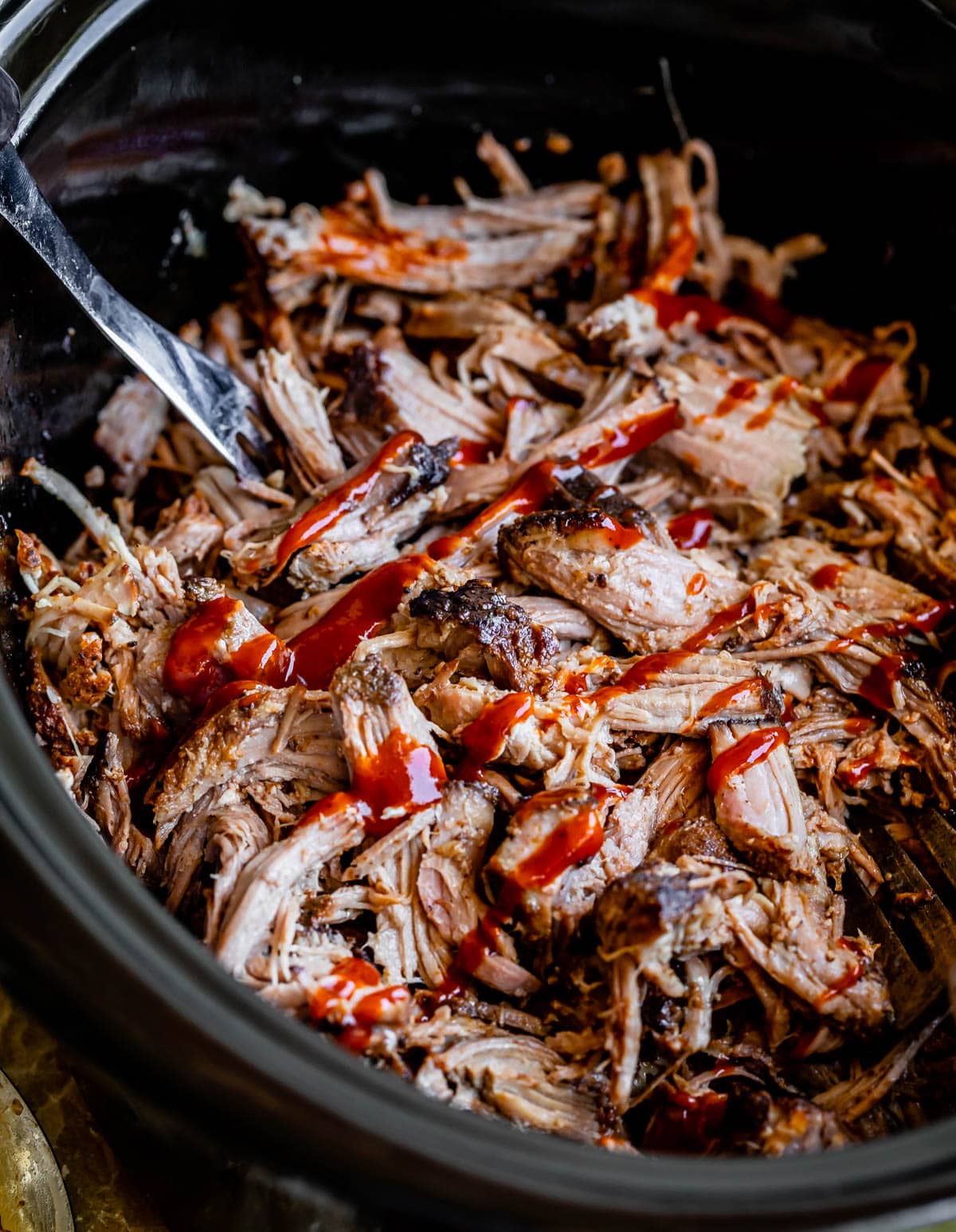
Serving Your Masterpiece
The ways to serve slow-cooked pork Boston butt are as diverse as the travel experiences that inspire them.
- Pulled Pork Sandwiches: The undisputed champion. Serve the sauced, shredded pork on soft buns with a side of coleslaw and pickles. This is a quintessential dish found at casual eateries and outdoor events across the United States, from the beaches of Florida to the plains of Montana.
- Tacos and Burritos: Fill tortillas with shredded pork, salsa, onions, cilantro, and your favorite toppings for a vibrant and flavorful Mexican-inspired meal.
- Platters: Serve a generous portion of the pulled or sliced pork alongside traditional barbecue sides such as mac and cheese, baked beans, cornbread, and potato salad. This is a common sight at family gatherings and festivals throughout the American South.
- Over Rice or Grits: The rich, savory pork makes an excellent topping for steaming white rice or creamy grits, offering a comforting and hearty meal reminiscent of Southern breakfasts or lunches.
- In Casseroles or Soups: The shredded pork can add depth and flavor to various casseroles, enchiladas, or hearty soups, especially during colder months when a warm, comforting meal is desired.
Regardless of how you choose to serve it, a slow-cooked pork Boston butt is a testament to the power of time, patience, and quality ingredients. It’s a dish that brings people together, much like a shared meal during a memorable vacation or a gathering at a charming bed and breakfast. The process, from selecting the cut to the final savory bite, is a culinary journey that promises delicious rewards, offering a taste of comfort and satisfaction that can rival any gourmet experience you might encounter on your travels. Whether you’re a seasoned chef or a novice cook, mastering this technique will undoubtedly elevate your home cooking and provide countless opportunities for delicious exploration, much like discovering new flavors in an unfamiliar destination.