
For many aspiring entrepreneurs, digital nomads, and seasoned business owners, the idea of launching a venture in a place as dynamic and picturesque as Colorado holds immense appeal. Known for its breathtaking natural landscapes, thriving cities like Denver and Boulder, and a robust economy, Colorado offers a fertile ground for businesses across various sectors, from technology startups to outdoor adventure tourism, and from innovative hospitality concepts to sustainable lifestyle brands. Whether you’re planning to open a boutique hotel near Aspen, a tour guiding service exploring Rocky Mountain National Park, or simply establishing a base for your remote work business while embracing the mountain lifestyle, forming a Limited Liability Company (LLC) is often the most straightforward and beneficial business structure.
An LLC combines the liability protection of a corporation with the simplicity and tax flexibility of a sole proprietorship or partnership. This makes it an attractive option for a wide array of businesses, especially those in the travel, tourism, and accommodation sectors, where personal assets could be at risk without proper legal separation. It’s a structure that supports both the ambitious startup and the individual consultant looking for a legitimate, professional presence. Navigating the process of establishing an LLC in Colorado, while seemingly complex, is a clear and achievable journey when broken down into manageable steps. This comprehensive guide will walk you through everything you need to know to establish your LLC in the Centennial State, ensuring your entrepreneurial journey starts on solid legal footing, leaving you free to focus on the adventures that await.
Laying the Foundation: Essential Pre-Formation Steps
Before you even touch a government form, there are crucial foundational steps that will define your business and ensure a smooth registration process. These initial decisions are vital for establishing your brand identity, ensuring legal compliance, and setting up your business for long-term success, particularly in a state known for its vibrant tourism and distinct local cultures.
Naming Your Colorado LLC: Crafting Your Brand Identity
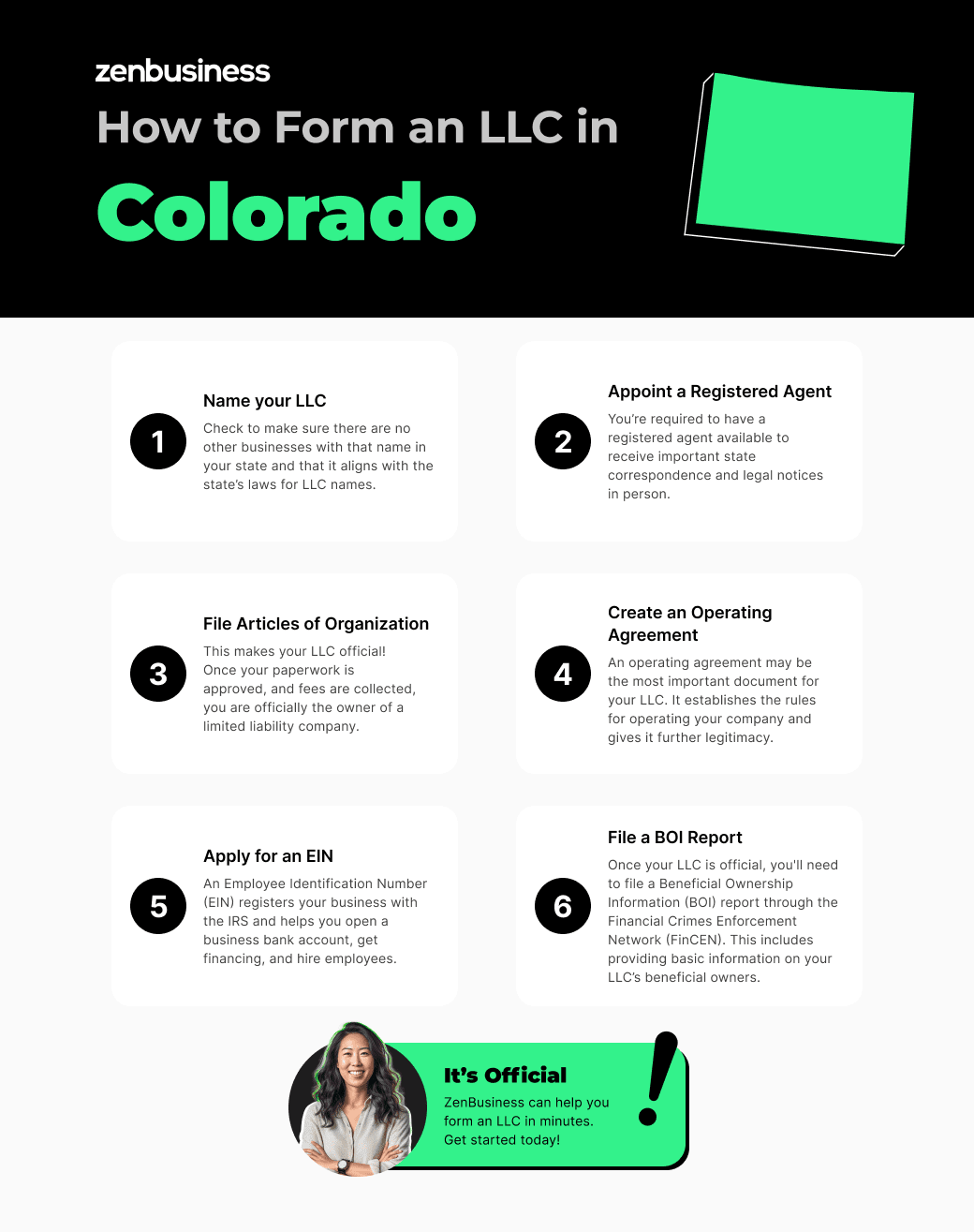
Your business name is more than just a label; it’s your brand identity, your first impression, and a cornerstone of your marketing strategy, especially if you’re venturing into tourism or hospitality. In Colorado, as with most states, your LLC name must be distinguishable from other registered entities.
- Uniqueness Requirements: The name must clearly indicate that it is an LLC by including “LLC,” “L.L.C.,” “Limited Liability Company,” “Limited Company,” or “Ltd. Liability Co.” It also cannot contain words that might mislead the public into thinking it’s a corporation (e.g., “Inc.,” “Corp.”) or a government agency.
- Availability Search: The Colorado Secretary of State website provides an invaluable tool for searching business entity names. Before you get too attached to a name, perform a thorough search to ensure it’s not already in use. Imagine planning to launch a unique glamping experience only to find your perfect name already taken by another venture near Vail; early verification saves time and potential heartache.
- Reserving Your Name: If you find a name you love but aren’t ready to file your Articles of Organization immediately, Colorado allows you to reserve a business name for 120 days by filing a Statement of Reservation of Name with the Secretary of State. This small step can be crucial for securing your ideal brand name while you finalize other aspects of your business plan.
- Beyond Legalities – Brand Resonance: Consider how your name resonates with your target audience. For a travel-related business, a name that evokes the spirit of Colorado – perhaps hinting at its mountains, rivers, or vibrant culture – can be a significant advantage. Think about how it will look on signage, websites, and marketing materials for your future guests or clients.
The Crucial Role of a Registered Agent in Colorado
Every LLC in Colorado is legally required to have a registered agent. This isn’t just a bureaucratic hurdle; it’s a vital component for ensuring your business remains compliant and receives important legal and tax documents promptly.
- What is a Registered Agent? A registered agent is an individual or a business entity designated to receive official correspondence, service of process (e.g., lawsuits), and other legal documents on behalf of your LLC. They must have a physical street address (not a P.O. Box) in Colorado and be available during normal business hours.
- Who Can Be Your Registered Agent?
- Yourself or another member of the LLC: If you (or a partner) have a physical address in Colorado and are consistently available, you can serve as the registered agent. This is common for small, locally based businesses.
- A friend or family member: They must meet the same requirements and understand the responsibilities involved.
- A professional registered agent service: This is often the preferred choice, especially for entrepreneurs who travel frequently, operate remotely, or plan to grow. Services like these specialize in compliance, ensuring you never miss a crucial document, and offering an additional layer of privacy by keeping your personal address off public records. For digital nomads running a travel blog or a remote booking agency, a professional service allows you to explore Colorado’s natural wonders or even international destinations without worrying about missing critical mail for your Colorado LLC.
- Why is it Crucial? Failing to maintain a registered agent can lead to serious consequences, including administrative dissolution of your LLC by the state, inability to renew licenses, and the inability to respond to legal actions. For a business built on reputation, such as a luxury tour operator or a specialized accommodation provider, such issues can be devastating.

Formalizing Your Business: Filing with the State
With your name secured and your registered agent identified, the next phase involves the official paperwork that brings your LLC into existence. This is where your venture officially becomes a legal entity, ready to embark on its journey, whether it’s hosting travelers in Colorado Springs or managing properties across the state.
Filing Your Colorado Articles of Organization
The Articles of Organization is the foundational document that formally establishes your LLC with the Colorado Secretary of State. This is equivalent to a birth certificate for your business.
- What to Include: The Articles of Organization are relatively simple and typically require:
- The name of your LLC (the one you verified for uniqueness).
- The principal office address of your LLC (which can be different from the registered agent’s address).
- The name and street address of your registered agent.
- The mailing address of the registered agent.
- A statement that the LLC is member-managed or manager-managed.
- The effective date of the LLC’s formation (which can be immediate or a future date).
- The name and address of the person filing the document.
- The Filing Process: In Colorado, you can file your Articles of Organization online through the Colorado Secretary of State’s website. This method is generally the quickest and most efficient, often resulting in same-day approval. There is a filing fee associated with this process, which should be checked on the Secretary of State’s current fee schedule.
- Confirmation and Next Steps: Once filed and approved, you will receive a stamped copy of your Articles of Organization or an electronic confirmation. This document is crucial and should be kept safely as proof of your LLC’s existence. It will be required for opening bank accounts, applying for licenses, and other official business.

Crafting a Robust Colorado LLC Operating Agreement
While not legally required by the state of Colorado to be filed, an Operating Agreement is, without a doubt, the most important internal document for any LLC. It’s the blueprint for how your business will operate, how decisions will be made, and how profits and losses will be distributed.
- Why It’s Indispensable:
- Defines Ownership and Management: Clearly outlines who the members are, their ownership percentages, and whether the LLC will be managed by its members or by appointed managers.
- Establishes Rules and Responsibilities: Lays out the duties and responsibilities of each member or manager, decision-making processes, and voting rights. This is particularly important for multi-member LLCs, preventing disputes down the line.
- Addresses Financial Matters: Details how profits and losses will be allocated, how capital contributions are handled, and procedures for withdrawing funds.
- Provides for Contingencies: Outlines procedures for adding new members, how to handle a member’s departure (e.g., due to illness, death, or desire to leave), and dissolution of the LLC.
- Protects Limited Liability Status: A well-drafted Operating Agreement helps reinforce the legal separation between the LLC and its owners, crucial for maintaining the limited liability protection your LLC offers. Without it, particularly in single-member LLCs, courts might “pierce the corporate veil” and hold you personally liable.
- Enhances Credibility: While not public, financial institutions and potential investors often request to see an Operating Agreement to understand the business’s internal structure and stability. This is particularly relevant if your LLC aims to secure funding for a resort development or a large-scale tourism project.
- Customization is Key: Avoid generic templates. Your Operating Agreement should reflect the unique nature of your business, especially if it involves complex operations like managing multiple vacation rentals or launching an ambitious eco-tourism venture near Telluride. Consulting with a legal professional to draft this document is highly recommended to ensure it fully protects your interests and complies with Colorado law.
Post-Formation Requirements and Ongoing Compliance
Forming your LLC is a significant milestone, but the journey doesn’t end there. To ensure your business thrives and remains in good standing, you must attend to several post-formation requirements and commit to ongoing compliance. These steps are critical for legal operation, financial management, and maintaining the integrity of your limited liability status, especially within a regulated industry like hospitality.
Obtaining an Employer Identification Number (EIN)
An Employer Identification Number (EIN), also known as a Federal Tax Identification Number, is a unique nine-digit number assigned by the Internal Revenue Service (IRS). It’s essentially a social security number for your business.
- When You Need One:
- If your LLC has employees: An EIN is mandatory for tax reporting purposes if you plan to hire staff, even if it’s just a part-time assistant for your travel blog or a property manager for your Durango vacation home.
- If your LLC is taxed as a corporation or partnership: Single-member LLCs, by default, are treated as disregarded entities for tax purposes (meaning profits and losses are reported on the owner’s personal tax return) and may not strictly require an EIN if they don’t have employees. However, if a single-member LLC elects to be taxed as a corporation or has multiple members (making it a partnership by default), an EIN is necessary.
- For opening a business bank account: Almost all banks will require an EIN to open a dedicated business bank account. This separation of personal and business finances is paramount for maintaining limited liability protection and simplifying accounting.
- How to Get One: You can obtain an EIN for free directly from the IRS website. The online application is quick and usually provides your EIN immediately upon completion. Having this number is essential for handling payroll, filing federal taxes, and opening that all-important business bank account.
Navigating Colorado’s Business Licenses and Permits
Depending on the nature of your business and its location within Colorado, you will likely need to acquire various state, county, and municipal licenses and permits. This is particularly true for businesses in the travel, tourism, and accommodation sectors due to health, safety, and consumer protection regulations.
- State-Level Requirements: Colorado does not have a single, general state business license. Instead, licensing requirements are specific to certain industries. For example:
- Tourism Operators: If you’re offering guided tours (e.g., hiking, rafting, skiing), you might need specific outfitter or guide licenses, particularly if operating on public lands (state parks, national forests like those near Pikes Peak).
- Food and Beverage: If your LLC involves selling food or beverages (e.g., a café, a catering service for events at Red Rocks Amphitheatre, or even a bed and breakfast), you’ll need health permits from the Colorado Department of Public Health and Environment.
- Accommodation: Hotels, motels, vacation rentals, and even short-term rental properties in cities like Fort Collins will have specific lodging permits, fire safety inspections, and possibly sales tax licenses.
- Local (City and County) Regulations: This is often where the most significant variability lies. Each city and county in Colorado has its own set of ordinances, zoning laws, and licensing requirements.
- Business Licenses: Most municipalities (e.g., Denver, Boulder, Colorado Springs) require a general business license to operate within their jurisdiction.
- Zoning and Planning: If you’re establishing a physical location, ensure it complies with local zoning laws. A charming historic building might seem ideal for a boutique hotel, but you must verify its zoning permits for commercial lodging.
- Specific Permits: Beyond a general business license, you might need permits for signage, building modifications, special events, or even operating a specific type of accommodation, such as a short-term rental. The regulations for vacation rentals, in particular, can be very stringent and vary significantly from one locale to another, even impacting iconic places like the Broadmoor or the St. Regis Aspen Resort through local municipal rules affecting the wider area. Even a small guesthouse or villa like the renowned Hotel Jerome must meticulously adhere to local operating requirements.
- Research and Compliance: It’s critical to research the specific requirements for your industry and your exact location. The Colorado Office of Economic Development and International Trade (OEDIT) offers resources, and most city and county websites have dedicated business licensing sections. Failing to secure the necessary licenses can result in fines, business closure, and reputational damage, which is especially detrimental for tourism-dependent businesses.
Staying Compliant: Annual Reports and Ongoing Obligations
Once your LLC is up and running, ongoing maintenance is essential to keep it in good standing and preserve its legal protections.
- Annual Report Filing: Colorado LLCs are required to file an annual report (sometimes called a Statement of Information) with the Colorado Secretary of State. This report confirms or updates basic information about your LLC, such as its registered agent and principal address. There is a small filing fee, and missing the deadline can lead to administrative dissolution of your LLC.
- Tax Obligations: Beyond federal income tax (which flows through to members’ personal returns unless a corporate election is made), your LLC will have state tax obligations.
- Sales Tax: If your business sells tangible goods or certain services (like hotel stays or tour packages), you’ll need to collect and remit Colorado sales tax and potentially local sales taxes. This typically involves obtaining a sales tax license from the Colorado Department of Revenue.
- Employer Taxes: If you have employees, you’ll be responsible for state unemployment insurance taxes and possibly other payroll taxes.
- Property Taxes: If your LLC owns real estate (e.g., a commercial building or land for a future eco-resort), it will be subject to local property taxes.
- Record Keeping: Maintaining accurate and organized records of your LLC’s financial transactions, meeting minutes (if applicable), and other important documents is crucial. This not only aids in tax preparation but also demonstrates that your LLC operates as a separate legal entity, further safeguarding your limited liability.
Starting an LLC in Colorado is a strategic move for entrepreneurs looking to tap into the state’s vibrant economy and unique lifestyle. From the initial conceptualization of your business name to ongoing compliance, each step is an opportunity to build a robust and legally sound foundation. By diligently following these guidelines, you can confidently establish your LLC, allowing you to focus your energy on exploring the vast opportunities, enjoying the stunning beauty of places like Great Sand Dunes National Park or Mesa Verde National Park, and achieving your entrepreneurial dreams in the heart of the American West, whether that means running a bustling tourism outfit near Garden of the Gods or simply enjoying the flexibility your structured business provides for your adventurous lifestyle.