
While the allure of exploring new destinations, from the vibrant streets of Tokyo to the serene landscapes of the Swiss Alps, often dominates our travel aspirations, sometimes the most rewarding journeys involve building something tangible right where we are. This is especially true for entrepreneurs looking to establish a solid foundation for their business endeavors. The title “How To Start An LLC In Kansas?” might seem a departure from our usual focus on travel, hotels, and tourism, yet it connects deeply with the spirit of creating unique experiences and offering excellent accommodation or lifestyle services. Understanding how to form a Limited Liability Company (LLC) in Kansas is a crucial step for many aspiring business owners who wish to channel their passion into a thriving venture, whether that venture is a charming boutique hotel in Savannah, a curated travel agency specializing in eco-tourism, or a local food tour in New Orleans.
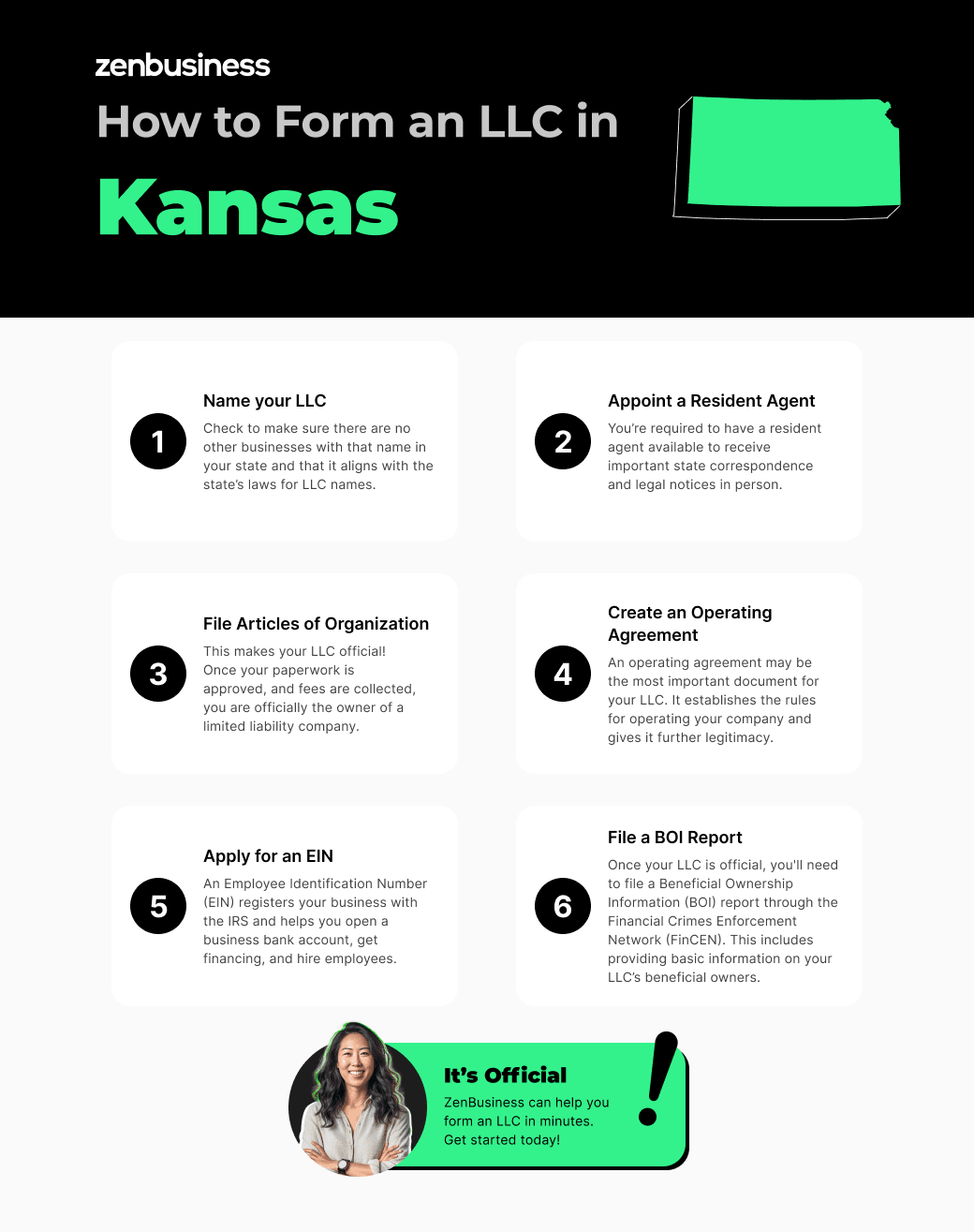
This guide will demystify the process of starting an LLC in Kansas, offering a clear, step-by-step approach. While we typically guide you through booking the perfect resort or discovering hidden landmarks, this article is about building the framework that can support such ventures. We’ll cover everything from choosing a business name to understanding ongoing compliance, ensuring that your entrepreneurial journey in Kansas begins on firm legal ground. Whether your dream is to offer luxurious villas for long-term stays, curate unforgettable family trips, or provide unique business stays, a well-structured LLC is your first step toward making it a reality.
Understanding the Basics of an LLC
Before we delve into the specifics of forming an LLC in Kansas, it’s essential to understand what an LLC is and why it’s a popular choice for entrepreneurs. An LLC, or Limited Liability Company, is a hybrid business structure that combines the pass-through taxation of a partnership or sole proprietorship with the limited liability of a corporation. This means that the personal assets of the owners (called members) are generally protected from business debts and lawsuits. If your business, say a charming bed and breakfast in the Missouri Ozarks, were to face legal challenges, your personal home or savings would typically be safe.
The “pass-through” taxation aspect is a significant advantage. Unlike traditional corporations, LLCs are not taxed as separate entities. Instead, the profits and losses of the business are passed through to the individual members’ tax returns, avoiding the “double taxation” that can occur with C-corporations. This can simplify tax filing and potentially lead to lower tax bills, especially for smaller businesses. This flexibility in taxation can be particularly beneficial for businesses in the travel or hospitality sectors, where revenue can fluctuate.
The limited liability protection offered by an LLC is its primary appeal. It shields your personal assets from business liabilities. For instance, if you are operating a tour guide service in Grand Canyon National Park and an incident occurs that leads to a lawsuit, your personal finances would generally not be at risk, provided you maintain the separation between personal and business affairs. This protection is a fundamental reason why many choose an LLC over a sole proprietorship or general partnership.
Key Advantages of an LLC in Kansas
- Limited Liability Protection: As mentioned, this is the cornerstone benefit, safeguarding your personal assets.
- Pass-Through Taxation: Profits and losses are reported on the owner’s personal income tax returns, avoiding corporate double taxation.
- Flexibility in Management: LLCs can be managed by their members or by appointed managers, offering adaptable operational structures. This can be useful for businesses with diverse ownership or those scaling operations, perhaps expanding from a single boutique hotel to a small chain.
- Simplicity and Lower Cost: Compared to forming a corporation, establishing and maintaining an LLC is generally simpler and less expensive, with fewer formalities.
- Credibility: Operating as an LLC can lend an air of legitimacy and professionalism to your business, which can be important when seeking investments or partnering with other businesses, perhaps for joint tourism initiatives.
When considering a business like a luxury travel agency or offering specialized travel packages, the limited liability and professional image an LLC provides are invaluable assets. It allows you to focus on creating exceptional experiences and marketing your services, such as unique attractions or curated guides, with greater peace of mind.
Step-by-Step Guide to Forming Your Kansas LLC
Now that we understand the benefits, let’s walk through the practical steps to form an LLC in Kansas. The process is overseen by the Kansas Secretary of State.
1. Choose a Business Name
The first crucial step is selecting a name for your LLC. This name must be unique and distinguishable from existing business names registered in Kansas. It must also include specific designators, such as “Limited Liability Company,” “LLC,” or “L.L.C.”
- Check for Availability: Before you get too attached to a name, it’s essential to check if it’s available. You can do this by searching the Kansas Secretary of State’s business database online. This will help you avoid choosing a name that is already in use.
- Consider a Fictitious Name (DBA): If your desired business name is unavailable, or if you plan to operate under a name different from your official LLC name, you may need to file a “doing business as” (DBA) or fictitious name registration with the state. For example, if your LLC is named “Prairie Star Ventures, LLC,” but you want to market your budget travel services under “Kansas Wanderlust,” you would likely need a DBA.
- Reserve Your Name: If you’ve found an available name but aren’t ready to file all the formation documents yet, you can reserve the name for a period by filing a Name Reservation Request. This ensures that no one else can register your chosen name while you prepare your LLC formation.
The name you choose should ideally reflect the nature of your business, whether it’s a venture offering culinary tours in Kansas City, managing holiday apartments, or providing local tourism insights. A memorable and relevant name is the first step in building your brand.
2. Appoint a Registered Agent
Every LLC in Kansas must have a registered agent. This is a person or business entity that agrees to accept legal documents (like service of process) on behalf of your LLC. The registered agent must have a physical street address in Kansas (not a P.O. Box) and be available during normal business hours.
- Who can be a Registered Agent?
- An individual resident of Kansas.
- A business entity authorized to do business in Kansas.
- You, as the business owner, can serve as your own registered agent if you meet the criteria and have a physical address in Kansas.

Choosing a reliable registered agent is critical. They act as the official point of contact for your LLC. Many entrepreneurs opt to hire a commercial registered agent service, which can provide greater privacy and ensure that important legal and tax notices are not missed. This is especially useful if you travel frequently for your tourism business or if your business operations are primarily online, making it difficult to guarantee consistent availability at a physical address.
3. File the Articles of Organization
This is the formal document that creates your LLC. The Articles of Organization (sometimes called a Certificate of Formation) are filed with the Kansas Secretary of State. This document typically includes:
- The name of the LLC.
- The name and address of the registered agent.
- The principal office address of the LLC.
- The names and addresses of the members or managers (depending on how the LLC will be managed).
- The effective date of the LLC (which can be the date of filing or a future date).
You can file the Articles of Organization online, by mail, or in person with the Kansas Secretary of State. There will be a filing fee associated with this process. It’s crucial to fill out this form accurately to avoid delays or potential issues with your LLC’s formation. For example, if you are launching a chain of budget-friendly hotels across Kansas, ensuring the principal office address is correctly listed is important for all official communications.
Operating Your Kansas LLC
Once your LLC is officially formed, there are ongoing requirements to maintain its good standing and ensure you continue to benefit from the liability protection.
4. Create an Operating Agreement
While not legally required by the state of Kansas for all LLCs, an Operating Agreement is highly recommended for every LLC. This internal document outlines the ownership structure, management responsibilities, and operational procedures of the LLC. It’s a critical document for clarifying:
- Ownership Percentages: How ownership is divided among members.
- Management Structure: Whether the LLC will be member-managed or manager-managed.
- Profit and Loss Distribution: How profits and losses will be allocated.
- Voting Rights: The voting power of each member.
- Procedures for Admitting New Members: How new owners can join.
- Procedures for Member Departure: How members can leave the company.
- Dissolution Procedures: How the LLC will be dissolved if necessary.
An Operating Agreement is particularly important for multi-member LLCs, as it prevents disputes and provides a clear roadmap for how the business will operate. For a business that offers a variety of tourism experiences, like guided tours of historical landmarks or workshops on local culture, a well-defined Operating Agreement ensures smooth operations and decision-making.
5. Obtain an EIN (Employer Identification Number)
If your LLC plans to hire employees, operate as a corporation for tax purposes, or file certain tax returns, you will need an Employer Identification Number (EIN) from the Internal Revenue Service (IRS). An EIN is like a Social Security number for your business.
- When is an EIN Required?
- If you have employees.
- If your LLC is a multi-member LLC.
- If your LLC elects to be taxed as a corporation.
- If your LLC is involved in certain types of businesses (e.g., operating a hotel with multiple employees).
You can apply for an EIN for free on the IRS website. It’s a straightforward process that can be completed online. Having an EIN is crucial for opening a business bank account, which is a vital step in maintaining the separation between your personal and business finances.

6. Understand Ongoing Compliance
Forming an LLC is just the beginning. To keep your business in good standing with the state of Kansas, you must comply with ongoing requirements.
- Annual Reports: Kansas requires LLCs to file an annual report (or a biennial report for some entities) with the Secretary of State. This report updates the state on your business’s information and is subject to a filing fee. Failing to file these reports can lead to your LLC being administratively dissolved.
- Business Licenses and Permits: Depending on the nature of your business and its location within Kansas, you may need various federal, state, and local licenses and permits to operate legally. For example, a restaurant or a bed and breakfast will likely require health permits and specific hospitality licenses.
- Tax Obligations: You will need to understand and fulfill your federal, state, and local tax obligations. This includes filing income tax returns and paying any applicable sales or use taxes. Consulting with a tax professional is highly recommended to ensure you are meeting all your tax requirements accurately.
By diligently adhering to these ongoing compliance measures, you ensure that your LLC remains a valid legal entity and that you continue to enjoy the benefits of limited liability. Whether you’re managing a portfolio of vacation rentals or planning guided nature tours through beautiful Kansas landscapes, proper compliance is the bedrock of a successful and protected business.
Starting an LLC in Kansas is a structured process that, when followed correctly, provides a strong legal and operational foundation for your entrepreneurial dreams. It allows you to focus on building the experiences, accommodation, and lifestyle services that you envision, with the confidence that your personal assets are protected. While this guide focuses on the legal aspects, remember that the success of your business will ultimately depend on your passion, planning, and dedication to providing value to your customers, much like the dedication you’d expect from a top-rated hotel or a meticulously planned travel itinerary.