
An LLC offers a flexible and robust legal structure, providing personal liability protection for its owners while often simplifying tax processes. For individuals immersed in the world of travel, hospitality, and lifestyle businesses, an LLC in [Texas] isn’t just a legal formality; it’s a strategic move to safeguard assets, project professionalism, and lay a solid foundation for growth in one of the most exciting states in the [United States]. This guide delves into the essential steps for establishing your [Texas] LLC, viewed through the lens of those passionate about exploring, building, and living the dream in the diverse landscape of [Texas].
Why Texas? A Hub for Travel, Tourism, and Business Lifestyle
[Texas]’s appeal extends far beyond its iconic cowboy culture and delicious barbecue. It’s a state that boasts a remarkably diverse economy, a lack of state income tax for individuals, and a consistently business-friendly environment, making it an attractive destination for entrepreneurs. For those looking to merge their passion for travel and hospitality with their business ambitions, [Texas] presents an unparalleled opportunity.The Allure of Texas for Entrepreneurs
[Texas]’s economic landscape is as varied as its geography. From the tech innovation thriving in [Austin] to the energy corridors of [Houston], and the financial prowess of [Dallas] and [Fort Worth], the state offers a fertile ground for myriad business types. This economic diversity translates into a robust customer base and a network of supporting services essential for new ventures. The absence of a state income tax is a significant financial advantage for business owners, allowing for greater retention of profits and more capital for reinvestment or personal lifestyle enhancements.Consider the thriving tourism sector in [Texas]. The state attracts millions of visitors annually, drawn to its historic landmarks like [The Alamo] in [San Antonio], its vibrant music scene in [Austin], the coastal beauty of [Galveston], or the natural wonders of its national parks. This consistent influx of tourists creates a sustained demand for hotels, unique accommodation options, tour operators, event planners, local eateries, and experience providers. An LLC provides the ideal legal framework for tapping into this lucrative market, offering credibility and protection as you navigate the entrepreneurial journey.

Launching Your Travel or Hospitality Venture
Imagine opening a charming bed and breakfast in the [Texas] Hill Country, launching a glamping experience near [Big Bend National Park], or starting a luxury travel planning service catering to business executives visiting [Dallas]. An LLC is particularly advantageous for these types of businesses. It separates your personal assets from your business liabilities, meaning if your business faces a lawsuit or debt, your personal home, car, and savings are typically protected. This is crucial in industries where client interactions and property management are central.
Furthermore, an LLC provides a professional image that can inspire confidence in potential clients, partners, and investors. When you’re dealing with bookings, property management, and creating memorable experiences, having a legitimate, well-structured business entity like an LLC can significantly enhance your brand’s reputation. Whether your venture focuses on local culture tours, culinary experiences, or high-end hotel services, forming an LLC in [Texas] is a strategic move that underpins your ambition with legal solidity.
The Essential Steps to Forming Your Texas LLC
Forming an LLC in [Texas] is a relatively straightforward process, designed to be accessible to entrepreneurs. While it involves several key steps, each is vital for ensuring your business is legally sound and ready for operation.
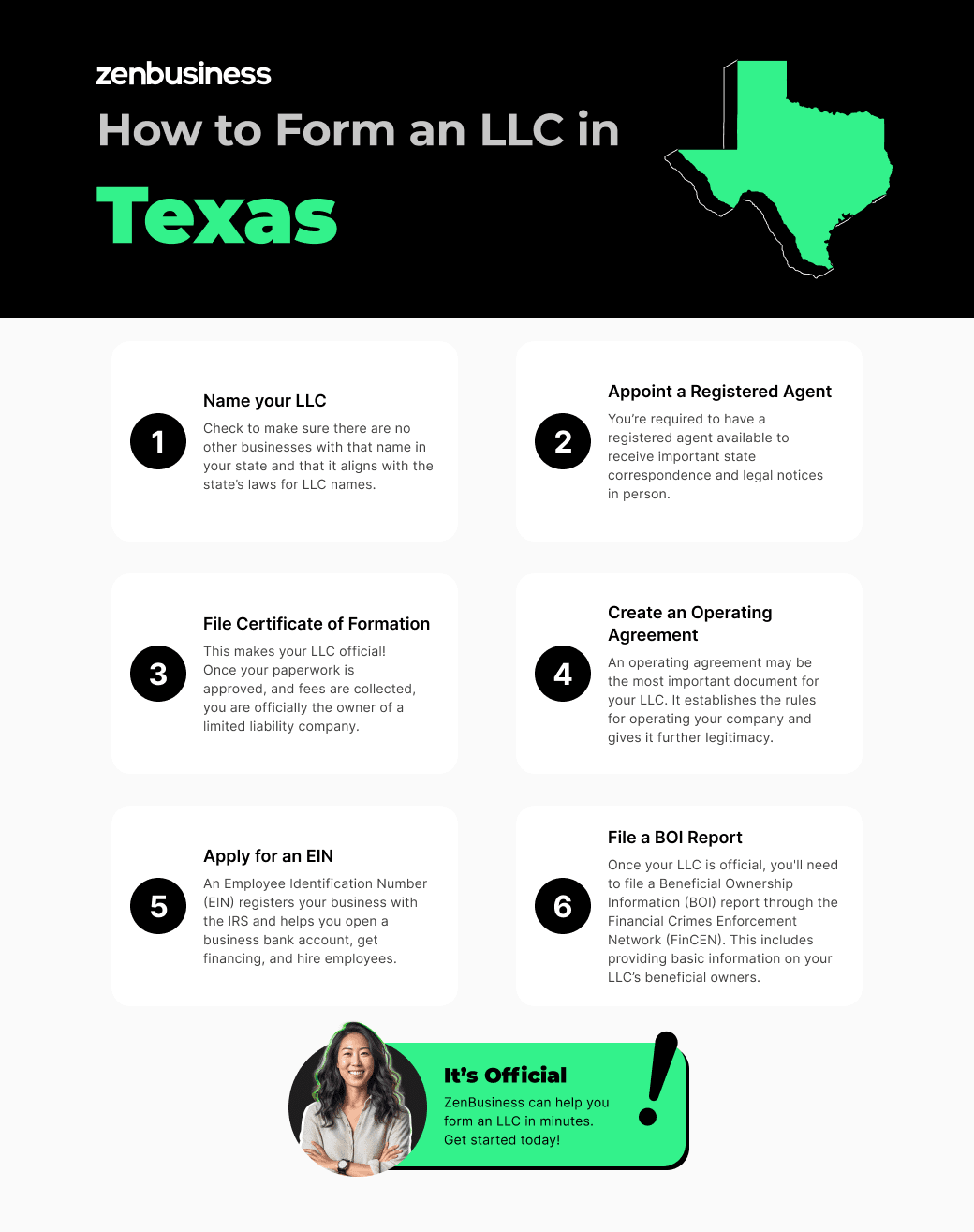
Name Your Business and Appoint a Registered Agent
The very first step is to choose a unique and compelling name for your LLC. Your business name must not be currently in use by another entity in [Texas] and must include an LLC designator (e.g., “LLC,” “L.L.C.,” “Limited Liability Company”). A memorable name, perhaps one that evokes the spirit of [Texas] travel or the specific type of accommodation you offer, will be crucial for branding and marketing. You can check name availability through the [Texas Secretary of State]’s website.
Equally important is appointing a [Registered Agent]. A [Registered Agent] is an individual or entity designated to receive official legal documents and government correspondence on behalf of your LLC. This agent must have a physical street address (not a P.O. Box) in [Texas] and be available during regular business hours. For travel entrepreneurs who might be frequently on the go, a professional [Registered Agent] service can be invaluable, ensuring important documents are always received and processed promptly, allowing you to focus on your business and clients.
File Your Certificate of Formation with the Texas Secretary of State
This is the cornerstone of your LLC formation. The Certificate of Formation is a legal document officially establishing your LLC with the state of [Texas]. It typically includes:
- The name of your LLC.
- The name and address of your [Registered Agent].
- The purpose of your LLC (though a general statement is often sufficient).
- The names and addresses of the organizers (the people submitting the form).
You’ll file this document, along with the required fee, with the [Texas Secretary of State]. While you can file by mail, online filing is often the quickest and most efficient method. Once approved, your LLC officially exists, marking a significant milestone in your entrepreneurial journey in [Texas].
Create an Operating Agreement
While not legally required by the state of [Texas] (unlike some other states), an Operating Agreement is undeniably one of the most critical documents for any LLC. This internal document outlines the ownership structure, member roles and responsibilities, profit and loss distribution, voting rights, and procedures for adding or removing members.
For travel and hospitality businesses, where partnerships might be common (e.g., co-owning a boutique hotel or running a tour company with multiple guides), a clear Operating Agreement prevents future disputes and provides a roadmap for how the business will be run. It’s a foundational document that dictates how decisions are made, how conflicts are resolved, and how the business will operate day-to-day, ensuring a smooth and harmonious partnership that can withstand the demands of the travel industry.
Obtain an EIN and Open a Business Bank Account
After your LLC is officially formed, the next crucial step is to obtain an Employer Identification Number (EIN) from the IRS. An EIN is like a Social Security number for your business and is required for most LLCs, especially if you plan to hire employees or if your LLC has more than one member. It’s also necessary for opening a business bank account and filing taxes.
With your EIN in hand, you can then open a dedicated business bank account. This is not just a best practice; it’s essential for maintaining the personal liability protection that an LLC provides. Mixing personal and business finances (a practice known as “commingling”) can jeopardize your liability shield. A separate business account simplifies financial tracking, makes tax preparation easier, and projects a professional image to clients and vendors. For a travel business, managing multiple bookings, supplier payments, and guest transactions through a distinct business account is paramount for clarity and financial health.
Navigating Post-Formation Compliance and Growth
Establishing your LLC is just the beginning. To ensure its continued success and compliance, particularly within the dynamic travel and hospitality sectors, ongoing attention to state and local regulations is crucial.
Understanding State and Local Regulations
While [Texas] does not have a general state business license, many industries and specific activities require permits and licenses at the state or local level. For instance:
- Hotels and Short-Term Rentals: Operating a hotel, motel, or even a short-term vacation rental (like an [Airbnb] property) often requires specific local permits, health inspections, and occupancy taxes depending on the city and county.
- Food and Beverage: If your travel venture includes serving food or beverages, even a small continental breakfast at your B&B, you’ll need health permits and potentially liquor licenses.
- Tour Operators: Certain guided tours or outdoor activities might require specific certifications or insurance.
Researching and securing all necessary permits and licenses is paramount to avoid fines, operational disruptions, and to maintain your business’s reputation. The specific requirements can vary significantly from [Austin]’s bustling downtown to a quiet retreat in the [Texas] Hill Country, so thorough local research is key. Websites for city governments and county clerk offices are excellent resources for this information.
Maintaining Your LLC and Embracing the Texas Lifestyle
One of the benefits of a [Texas] LLC is the minimal ongoing state-level compliance. [Texas] does not require annual reports or annual fees for LLCs. However, businesses do need to file an annual franchise tax report with the [Texas] Comptroller’s office. Many smaller LLCs are exempt from paying the franchise tax itself, but the report filing is still generally required.
Beyond state mandates, maintaining your LLC involves:
- Keeping accurate records: Especially financial records, meeting minutes (if applicable), and updates to your Operating Agreement.
- Renewing any specific licenses or permits: As required by your local municipality or state agency.
- Staying informed: About any changes in [Texas] business laws or regulations pertinent to your industry.
Embracing the [Texas] lifestyle means more than just conducting business; it means integrating into the vibrant communities and enjoying the vast opportunities the state offers. A well-maintained LLC allows you to do just that – providing the peace of mind that your business is legally sound, freeing you to immerse yourself in managing your travel venture, exploring new destinations within [Texas], or simply enjoying the rich culture and hospitality that defines the [Lone Star State].
Texas Cities: Ideal Locations for Your LLC and Lifestyle
Choosing the right location for your LLC in [Texas] can significantly impact your business’s success and your personal lifestyle. Each major city offers a distinct flavor and unique opportunities for travel, tourism, and hospitality entrepreneurs.
Austin: The Live Music Capital and Tech Hub
[Austin], often dubbed the “[Live Music Capital] of the World,” is a dynamic city renowned for its eclectic music scene, innovative tech industry, and laid-back yet vibrant culture. For entrepreneurs focused on experiential travel, boutique accommodations, or culinary tourism, [Austin] is an unparalleled choice. The city attracts a young, affluent, and culturally curious demographic, eager for unique experiences. Starting an LLC here could mean opening a music-themed hotel, a food tour company exploring [Austin]’s famous food trucks, or a stylish short-term rental catering to festival-goers and tech professionals. The city’s focus on sustainability and local businesses also aligns well with modern travel trends.Dallas-Fort Worth: Urban Sophistication Meets Western Charm
The [Dallas]-[Fort Worth] Metroplex is a sprawling economic powerhouse, blending urban sophistication with authentic Western heritage. [Dallas] is a major hub for business travel, luxury shopping, and fine dining, making it ideal for LLCs catering to high-end hospitality, corporate events, and MICE (Meetings, Incentives, Conferences, and Exhibitions) tourism. Think luxury hotel management, exclusive event planning, or concierge services for business travelers. [Fort Worth], on the other hand, offers a rich cowboy culture, with attractions like the [Fort Worth Stockyards National Historic District], appealing to tourism businesses focused on heritage and authentic [Texas] experiences. An LLC here could operate a themed accommodation or a specialized tour company showcasing the region’s history.
Houston: Space City and Culinary Delights
[Houston], known as “[Space City]” due to its association with NASA’s [Johnson Space Center], is [Texas]’s largest city and a truly international metropolis. Its diverse population has fostered an incredible culinary scene, making it a prime location for food tourism and international travel services. The city is also a major medical hub, presenting opportunities for medical tourism accommodations or specialized transport services. An LLC in [Houston] could focus on providing diverse cultural tours, managing apartments for extended stays for medical patients and their families, or creating unique dining experiences. Its proximity to the [Gulf Coast] also opens avenues for coastal tourism ventures.San Antonio: Historic Beauty and Riverwalk Wonders
[San Antonio] is a city steeped in history and culture, most famously home to [The Alamo] and the picturesque [Riverwalk]. Its rich Spanish colonial heritage and vibrant cultural festivals make it a top destination for heritage tourism and romantic getaways. For LLCs in the accommodation sector, this means opportunities for charming bed and breakfasts, historic hotels, or unique vacation rentals along the [Riverwalk]. Tour companies specializing in the city’s missions, culinary traditions, or ghost stories also thrive here. [San Antonio]’s slower pace compared to [Dallas] or [Houston] often appeals to entrepreneurs looking for a blend of vibrant tourism and a more relaxed lifestyle.Conclusion
Starting an LLC in [Texas] is a transformative step for any entrepreneur, especially for those venturing into the dynamic and rewarding fields of travel, hotels, tourism, and lifestyle businesses. The [Lone Star State] offers a robust economy, a welcoming business climate, and an incredible diversity of attractions that draw visitors from across the globe. By following the essential steps—from naming your venture and appointing a [Registered Agent] to filing your Certificate of Formation and establishing your internal operating agreement—you create a legally sound and professionally credible foundation for your dreams.
Whether your vision involves a luxury resort in [Dallas], a unique cultural tour in [San Antonio], a tech-friendly boutique hotel in [Austin], or a culinary adventure in [Houston], an LLC provides the vital protection and structure needed for success. It allows you to protect your personal assets, project a professional image, and streamline your business operations, ultimately freeing you to focus on what you do best: creating unforgettable experiences for travelers and building a thriving business that reflects the expansive spirit of [Texas]. Embrace the entrepreneurial journey in the [Lone Star State], where opportunity meets adventure, and your business can truly soar.
LifeOutOfTheBox is a participant in the Amazon Services LLC Associates Program, an affiliate advertising program designed to provide a means for sites to earn advertising fees by advertising and linking to Amazon.com. Amazon, the Amazon logo, AmazonSupply, and the AmazonSupply logo are trademarks of Amazon.com, Inc. or its affiliates. As an Amazon Associate we earn affiliate commissions from qualifying purchases.