
California, the Golden State, is a vibrant tapestry of innovation, culture, and breathtaking landscapes. From the bustling tech hubs of Silicon Valley to the sun-drenched beaches of Southern California and the majestic redwood forests, it’s a place that beckons entrepreneurs and dreamers alike. If you’re looking to establish a business entity in this dynamic environment, forming a Limited Liability Company (LLC) is a popular and often advantageous choice. An LLC offers a compelling blend of flexibility and liability protection, allowing you to operate your business with peace of mind.
This guide will walk you through the essential steps of starting an LLC in California, demystifying the process and equipping you with the knowledge to navigate the requirements. Whether your business vision involves a boutique hotel in Napa Valley, an adventure tour company exploring the Sierra Nevada mountains, or a unique tourism experience in San Francisco, understanding the foundational steps of business formation is crucial. We’ll cover everything from choosing a business name to filing your formation documents and fulfilling ongoing compliance obligations.
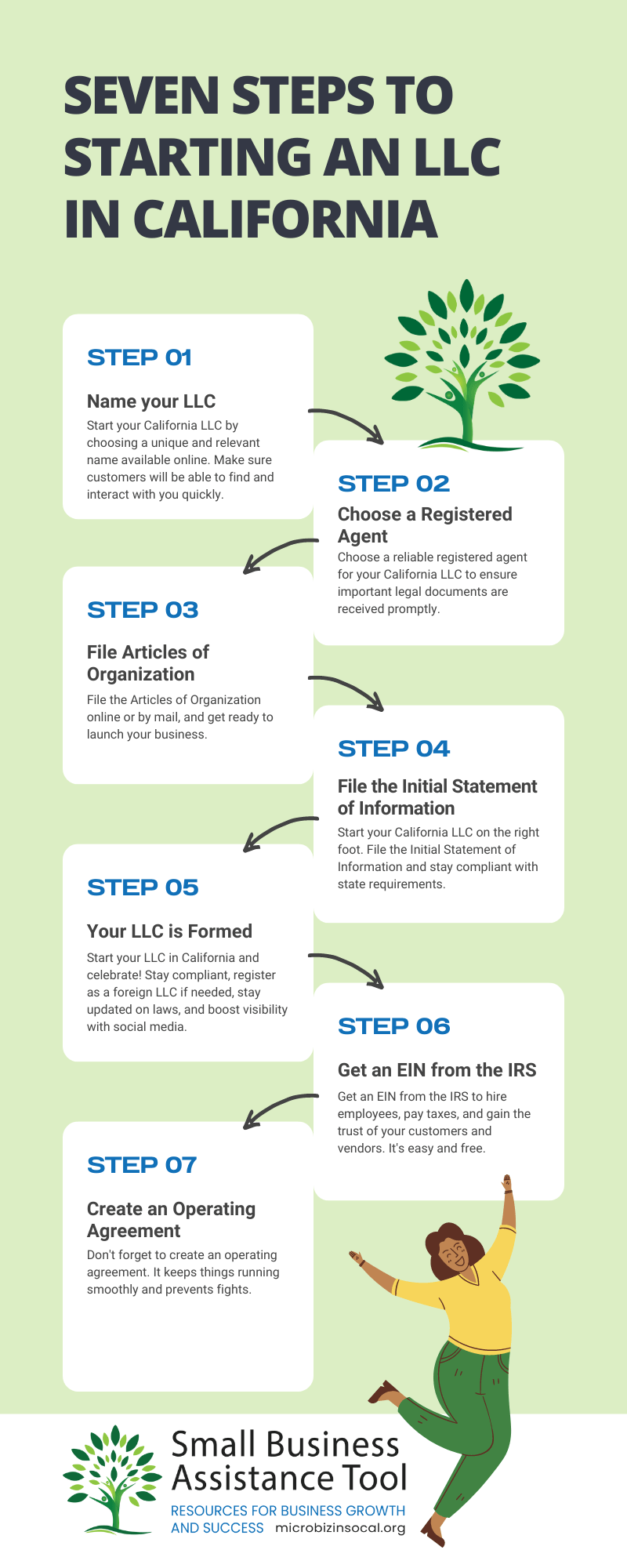
Laying the Foundation: Essential Preparations for Your California LLC
Before you dive into the official paperwork, a bit of strategic planning will set your California LLC up for success. This preparatory phase is critical for ensuring your business is not only legally sound but also well-positioned for growth within California’s diverse economy.
Choosing a Memorable and Available Business Name
Your business name is your brand’s first impression. It should be distinctive, relevant to your venture, and most importantly, available for use in California. The California Secretary of State has specific rules regarding business names. Your chosen name cannot be the same as, or deceptively similar to, any existing business entity registered in the state. This is to prevent consumer confusion and protect the rights of established businesses.
To check for name availability, you can utilize the California Secretary of State’s online business search tool. This allows you to search by name to see if it’s already taken. It’s advisable to brainstorm several name options, as your first choice might already be in use.
Furthermore, your LLC name must include specific designators. It must contain either “Limited Liability Company,” “LLC,” or “L.L.C.” For example, “Golden Gate Travel LLC” or “California Cuisine Tours, Ltd. Liability Company” would be acceptable. Avoid using restricted words like “Bank,” “Trust,” or “Insurance” unless you have the proper authorization.
Identifying Your Registered Agent in California
A Registered Agent is a crucial component of your LLC’s legal framework. This individual or entity is designated to receive official legal documents, such as service of process (lawsuits), tax notices, and other government correspondence on behalf of your LLC. The Registered Agent must have a physical street address in California (not a P.O. Box) and be available during normal business hours to accept these important deliveries.
You have a few options for who can serve as your Registered Agent:
- An individual resident of California: This could be you, another member of your LLC, or a trusted friend or family member. However, consider the privacy implications, as their name and address will be publicly available in state records.
- A business entity authorized to do business in California: This could be another company, or a professional Registered Agent service. Using a professional service offers convenience, reliability, and privacy, as it uses their business address as the registered office. This is often the preferred choice for many entrepreneurs, especially those who travel frequently or have multiple business locations, perhaps managing a portfolio of boutique hotels in Los Angeles or vacation villas in San Diego.
Understanding the Operating Agreement
While not a mandatory filing requirement with the state for LLCs, an Operating Agreement is a critical internal document that governs how your LLC will be managed and operated. Think of it as the internal rulebook for your business. It outlines the rights and responsibilities of each member, the allocation of profits and losses, procedures for admitting new members, and processes for dissolving the LLC.
A well-drafted Operating Agreement is invaluable for preventing future disputes among members, especially as your business grows, perhaps expanding its offerings to include guided tours of Yosemite National Park or exclusive cultural experiences in Santa Barbara. It provides clarity on decision-making processes, capital contributions, and dispute resolution mechanisms. If you plan to seek investment or loans in the future, having a solid Operating Agreement will also demonstrate a professional and well-structured business operation.
The Formalities of Formation: Filing Your LLC with the State
Once your foundational preparations are complete, it’s time to officially establish your LLC with the California Secretary of State. This involves submitting specific documents and paying the required fees.
Filing the Articles of Organization (Form LLC-1)
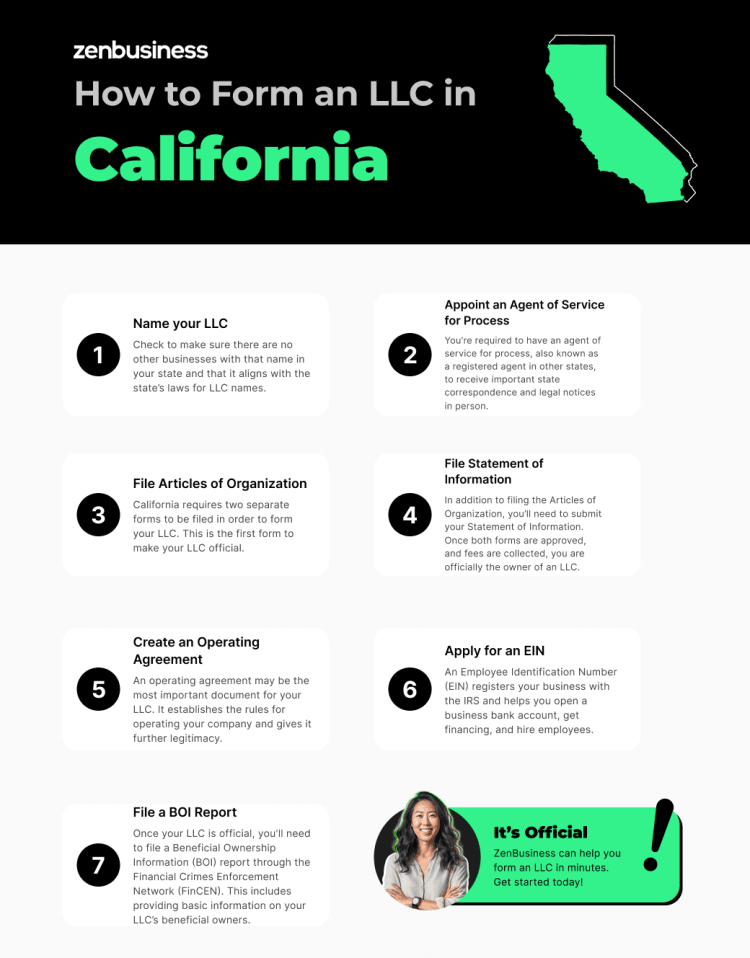
The primary document for forming an LLC in California is the Articles of Organization, typically referred to as Form LLC-1. This form officially registers your LLC with the state. You can file it online through the California Secretary of State’s website, by mail, or in person.
The Articles of Organization require specific information, including:
- The name of your LLC: This must be the exact name you chose and verified for availability.
- The street address of your LLC’s principal office: This is the main physical location of your business.
- The name and street address of your Registered Agent in California: As discussed earlier, this is the individual or entity responsible for receiving official correspondence.
- The names and addresses of the LLC’s managers or members: Depending on whether your LLC will be member-managed or manager-managed, you’ll provide the relevant information.
- A statement regarding the purpose of the LLC: While often general, it should reflect the nature of your business. For instance, if you’re planning a travel agency, you might state “to engage in the business of providing travel planning and tour services.”
There is a filing fee associated with submitting the Articles of Organization. It’s important to check the California Secretary of State’s website for the most current fee schedule, as these can change.
Obtaining an Employer Identification Number (EIN)
While not always a requirement for every LLC, most businesses will need an Employer Identification Number (EIN) from the Internal Revenue Service (IRS). An EIN is like a Social Security number for your business and is essential for several key functions, including:
- Opening a business bank account: Banks will require an EIN to open a business checking or savings account.
- Hiring employees: If you plan to hire staff, you’ll need an EIN to report payroll taxes.
- Filing federal taxes: Your LLC will use its EIN to file its federal tax returns.
- Applying for business licenses and permits: Some state and local licenses may require an EIN.
You can obtain an EIN for free directly from the IRS website. The application process is straightforward and typically takes only a few minutes to complete.
Complying with California’s Statement of Information (Form LLC-12)
After your LLC is officially formed, California requires you to file an initial Statement of Information (Form LLC-12) within 90 days of filing your Articles of Organization. This statement provides essential details about your LLC, including:
- The LLC’s business name and file number.
- The name and address of your Registered Agent.
- The address of your LLC’s principal office.
- The names and addresses of the LLC’s managers or members.
- A description of the LLC’s business activities.
This is a critical ongoing compliance requirement. You will need to file an updated Statement of Information every two years thereafter. Failure to file on time can result in penalties and, in severe cases, the suspension of your LLC’s status by the state. This ensures that the California Secretary of State has up-to-date contact information for your business, which is vital for official communications.
Ongoing Compliance and Best Practices for Your California LLC
Forming an LLC is just the beginning. To maintain your LLC’s good standing and ensure continued protection and operational efficiency, ongoing compliance and sound business practices are essential. This is especially true in a state like California with its robust regulatory environment.
Understanding California’s Franchise Tax
A significant financial obligation for most LLCs in California is the annual franchise tax. The California Franchise Tax Board (FTB) levies this tax on LLCs, regardless of whether they are actively conducting business or have any income. As of my last update, the minimum annual franchise tax is $800.
In addition to the minimum franchise tax, LLCs with significant income may be subject to an additional LLC fee. This fee is based on the total income of the LLC and applies to those exceeding certain thresholds. It’s crucial to stay informed about the current franchise tax and LLC fee rates, as these can be adjusted by the state legislature. Proper budgeting and accounting practices are vital to ensure you meet these financial obligations on time. This tax is levied on the privilege of doing business in California, even if your operations are primarily online or managed remotely, perhaps from a picturesque location in Big Sur.
Maintaining Separate Business and Personal Finances
One of the primary benefits of forming an LLC is liability protection. This means that, in most cases, your personal assets are shielded from business debts and lawsuits. However, this protection is contingent on maintaining a clear separation between your personal and business finances.
This means:
- Opening a dedicated business bank account: All business income should be deposited into this account, and all business expenses should be paid from it.
- Using a business credit card: Avoid using personal credit cards for business expenses.
- Keeping accurate financial records: Meticulously track all income and expenses.
- Avoiding commingling funds: Never use business funds for personal expenses or vice versa.
Commingling funds can “pierce the corporate veil,” meaning a court could disregard the LLC’s separate legal status, exposing your personal assets to business liabilities. This is a critical best practice for any business owner, whether you’re operating a chain of boutique hotels across California or a single acclaimed restaurant in San Francisco.

Navigating Business Licenses and Permits
Depending on your specific industry and the locations where you operate within California, your LLC may need to obtain various business licenses and permits. This can range from local business licenses required by cities or counties to state-level licenses for specific professions or industries.
For example, a travel agency offering tours might need specific permits related to transportation or group activities. A business involved in food and beverage, perhaps running a popular cafe in Oakland, will certainly need health permits and food handler certifications.
Researching the licensing and permit requirements for your particular business in the cities and counties where you will be conducting business is essential. You can often find this information on the websites of your local city and county governments, as well as relevant state agencies. Being diligent in this area ensures your business operates legally and avoids potential fines or shutdowns. For those focusing on the tourism sector, understanding permits for operating in popular spots like Joshua Tree National Park or offering guided excursions in Death Valley National Park is paramount.
By diligently following these steps and maintaining ongoing compliance, you can successfully establish and operate your LLC in California, setting a strong foundation for your entrepreneurial journey in this remarkable state.