
For many who dream of calling the Sunshine State home, whether permanently, seasonally, or for an extended adventure, acquiring and properly registering a vehicle is often a critical step. Florida, with its sprawling beaches, vibrant cities like Miami, Orlando, and Tampa, and endless attractions, necessitates personal transportation for truly experiencing its wonders. Whether you’re relocating from another state or purchasing a vehicle within Florida for your new lifestyle – perhaps to explore Everglades National Park, embark on a road trip down to Key West, or simply commute to your temporary accommodation near Walt Disney World Resort – understanding the process of transferring an auto title is paramount. This guide is designed to navigate the intricacies of Florida’s vehicle title transfer process, ensuring a smooth transition so you can focus on enjoying all that this dynamic state has to offer.
Navigating Vehicle Ownership in the Sunshine State: Why Understanding Title Transfer is Key
The allure of Florida is undeniable. From snowbirds seeking refuge from colder climates to families embarking on a new chapter, and even digital nomads looking for a base with a laid-back vibe and plenty of leisure options, the state attracts millions annually. For those planning an extended stay or a permanent move, obtaining a vehicle is often high on the priority list. Public transportation can be limited outside of major urban cores, making a personal car almost essential for exploring diverse destinations like the theme parks in Orlando, the historic charm of St. Augustine, or the serene beaches of the Gulf Coast.
Understanding the auto title transfer process is not just a bureaucratic chore; it’s a crucial aspect of responsible vehicle ownership and a fundamental step toward fully integrating into the Florida lifestyle. A properly transferred title signifies legal ownership, allows for correct registration, and ensures you can obtain necessary insurance, all of which are vital for driving legally and worry-free. Without a clear title, you could face legal complications, fines, and an inability to register your vehicle, severely hindering your plans to travel, explore, or simply manage daily life in the state. This guide aims to simplify the journey, providing clear, actionable steps to ensure your vehicle is legally yours and ready for the open road.
The Essential Steps for a Smooth Florida Auto Title Transfer
Whether you’re purchasing a used car from a private seller, receiving a vehicle as a gift, or bringing your car with you from another state, the basic framework for transferring an auto title in Florida involves several key stages. Diligent preparation and attention to detail at each step will prevent delays and headaches, allowing you more time to plan your next trip to South Beach or Universal Orlando Resort.
Gathering Your Critical Documents
The foundation of a successful title transfer lies in having all the necessary paperwork. This is often where people encounter their first hurdles, so a comprehensive checklist is invaluable.
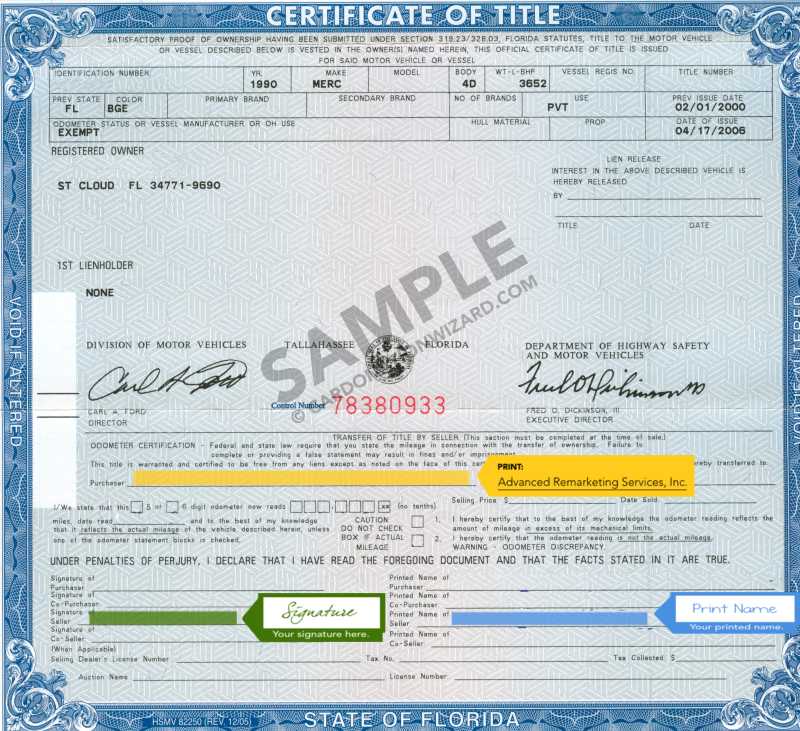
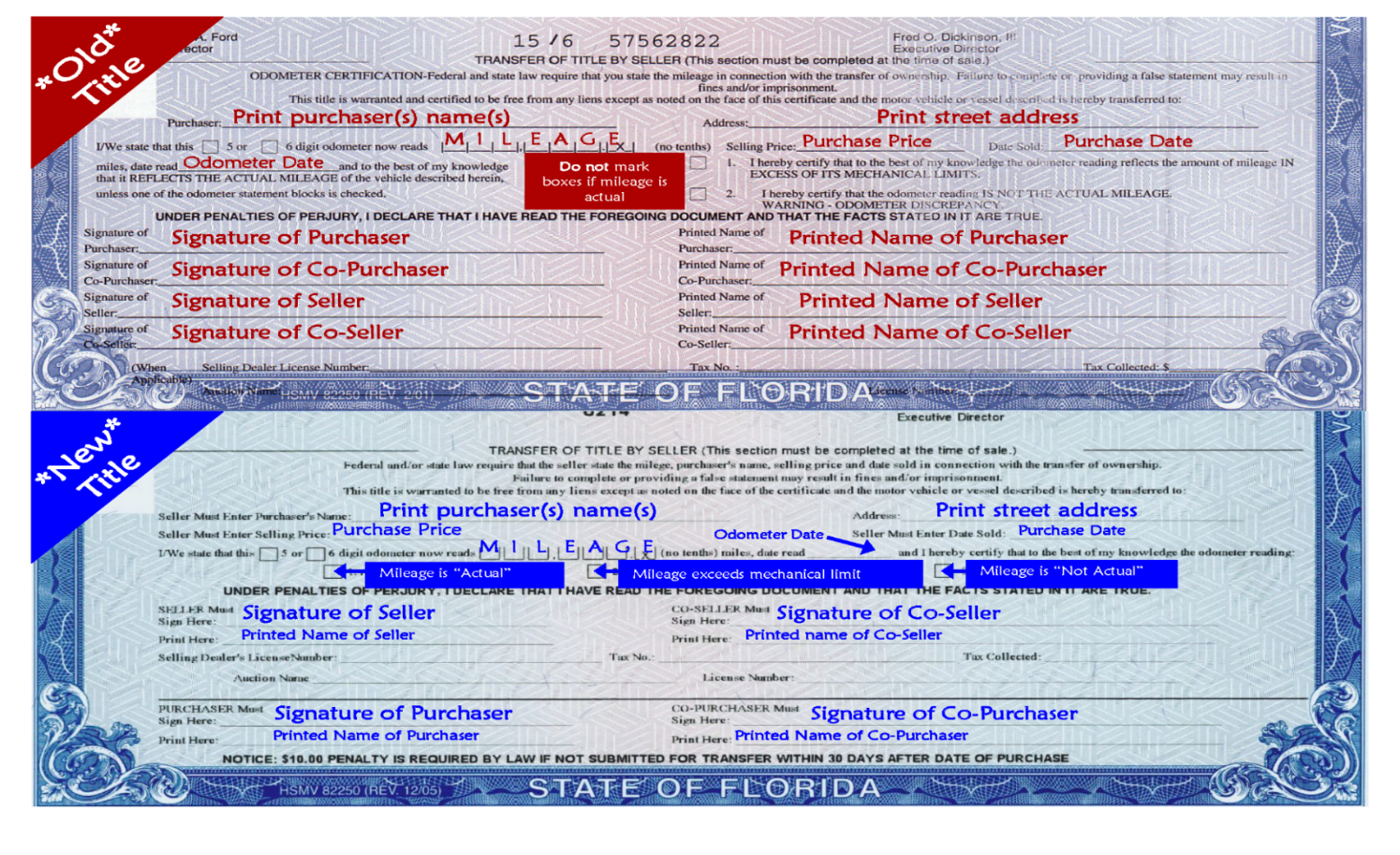
- Original Vehicle Title: This is the most crucial document. For a private sale, the seller must sign off on the original title, typically in designated spaces for “Seller” and “Buyer.” Ensure all details are accurate, including the odometer reading, which is usually required for vehicles less than 10 years old. If you’re coming from another state, this will be your out-of-state title.
- Bill of Sale (HSMV 82050): While not always strictly mandatory for title transfer if the title itself is properly completed, a bill of sale is highly recommended, especially for private transactions. It serves as a receipt and proof of purchase price, which is essential for calculating sales tax. It should include the vehicle’s make, model, year, VIN, purchase price, and the names and signatures of both buyer and seller.
- Application for Certificate of Title With/Without Registration (HSMV 82040): This form officially requests the Florida Department of Highway Safety and Motor Vehicles (DHSMV) to issue a new title in your name. You’ll need to fill this out completely and accurately.
- Proof of Identity: A valid government-issued photo ID, such as a Florida driver’s license or ID card, or an out-of-state driver’s license if you’ve recently moved.
- Proof of Florida Insurance: Before you can register your vehicle, you’ll need to show proof of active Florida no-fault insurance (Personal Injury Protection or PIP, and Property Damage Liability or PDL).
- Odometer Disclosure Statement (if applicable): While often part of the title itself, a separate form (HSMV 82993) might be required if the title doesn’t have a dedicated odometer disclosure section.
- Vehicle Identification Number (VIN) Verification (if out-of-state): If you’re bringing a vehicle from another state, you’ll need to have its VIN verified. This can be done by a Florida DMV agent, a law enforcement officer, or a licensed dealer using form HSMV 86020.
- Power of Attorney (if applicable): If someone is acting on your behalf, they will need a properly executed Power of Attorney document.
Understanding the Title Application Process
Once you’ve meticulously gathered your documents, the actual application process is relatively straightforward. You will typically visit your local Tax Collector’s Office – these offices handle vehicle titling and registration on behalf of the DHSMV in each county.
- Submission of Documents: Present all your prepared forms, the original title, proof of insurance, and identification to a clerk at the Tax Collector’s Office.
- Review and Verification: The clerk will review all documents for accuracy and completeness. Any discrepancies could lead to delays, so double-checking everything beforehand is critical.
- Payment of Fees: You will be required to pay various fees, which typically include title transfer fees, registration fees, and sales tax.
- Temporary Registration/Plate (if applicable): In most cases, if you’re registering the vehicle for the first time in Florida or renewing, you’ll receive a temporary registration and plate on the spot, allowing you to drive legally while your permanent plate and physical title are processed.
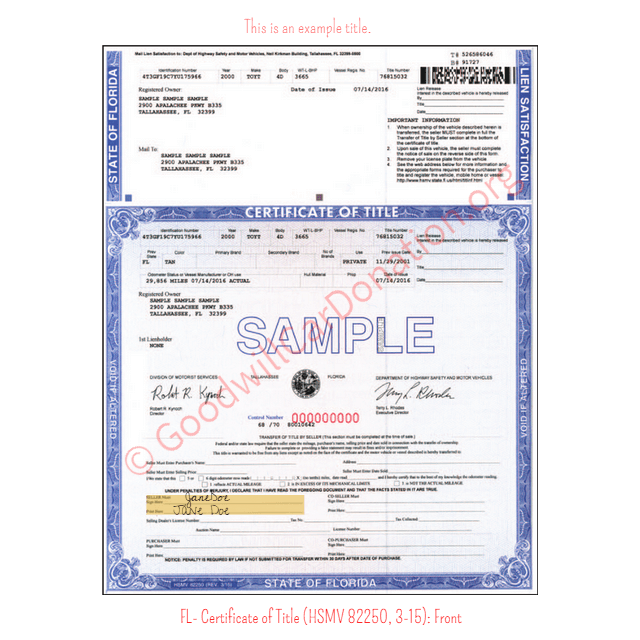
- Receiving Your New Title: The official Florida title will typically be mailed to your address within a few weeks. It’s crucial to keep this document in a safe place, as it is proof of your legal ownership.
Fees and Taxes: What to Expect
The cost of transferring an auto title in Florida isn’t a single flat fee but a combination of several charges. These can vary slightly by county, but the core components remain the same:
- Title Transfer Fee: A standard fee for processing the title transfer.
- Sales Tax: Florida generally levies a 6% sales tax on the purchase price of the vehicle. If you traded in another vehicle, the sales tax is calculated on the difference. If you paid sales tax in another state when you purchased the vehicle and are moving to Florida, you might receive a credit for that amount, but you will still pay the difference if Florida’s tax rate is higher.
- Registration Fee: This varies depending on the vehicle type, weight, and the duration of the registration (one or two years). There’s also an initial registration fee (also known as a “new resident tax” or “first-time registration fee”) of $225 for vehicles not previously registered in Florida. This is a significant cost, so be prepared for it.
- Plate Fee: If you are getting a new license plate, there will be a fee for that as well.
- Lien Recording Fee (if applicable): If you financed the vehicle, a lien will be recorded on the title, and there’s a small fee for this.
It’s advisable to check the specific fees on your local Tax Collector’s Office website or call them directly before your visit, as these figures can be subject to change. Budgeting for these costs in advance will prevent any surprises.
Specific Scenarios: From Out-of-State Moves to Private Sales
While the core steps remain consistent, certain situations introduce unique requirements to the title transfer process. Understanding these nuances is especially important for those relocating or engaging in private transactions.
Transferring an Out-of-State Title to Florida
Many individuals moving to Florida bring their existing vehicles with them. This process has a few distinct requirements:
- Proof of Ownership: Your out-of-state title is your primary proof. If your vehicle is financed and the lienholder holds the physical title, you will need to provide your registration certificate and request that the lienholder send the title to the Florida DHSMV for transfer.
- VIN Verification: As mentioned, your vehicle’s VIN must be verified in Florida. This ensures the vehicle matches its documentation and helps prevent fraud.
- Odometer Disclosure: The odometer reading will be required, typically on the Application for Certificate of Title.
- Florida Insurance: You must obtain Florida auto insurance before you can register your vehicle.
- First-Time Registration Fee: Be prepared for the $225 initial registration fee if your vehicle has never been registered in Florida.
- Driver’s License: While not strictly part of the title transfer, it’s highly recommended to obtain a Florida driver’s license as soon as you establish residency. You typically have 30 days to do so.
This process is a common one for snowbirds from states like New York or Michigan, or those making a permanent move from across the United States or even Canada who have established residency in popular spots like Sarasota or Naples.
Private Sale Transactions: Seller and Buyer Responsibilities
When buying or selling a vehicle privately in Florida, both parties have clear responsibilities to ensure a legal and efficient title transfer.
Seller’s Responsibilities:
- Sign and Date the Title: The seller must sign the “transfer of ownership” section on the original paper title, accurately complete the odometer disclosure, and date the sale.
- Provide Bill of Sale: Although not always required by the DHSMV for transfer if the title is complete, providing a detailed bill of sale protects both parties.
- Remove License Plate: The seller must remove their license plate from the vehicle. Florida license plates stay with the owner, not the vehicle. The seller can then transfer this plate to a new vehicle they acquire or surrender it to a Tax Collector’s Office.
- Notify DHSMV of Sale: It’s crucial for the seller to submit a “Notice of Sale” (HSMV 82050) to the DHSMV within 30 days. This releases the seller from liability for the vehicle after the sale date.
Buyer’s Responsibilities:
- Obtain the Signed Title: Ensure the seller properly signs and dates the original title and accurately completes the odometer reading.
- Complete Application for Certificate of Title (HSMV 82040): Fill out your information as the new owner.
- Provide Proof of Florida Insurance: Secure auto insurance coverage before attempting to title and register the vehicle.
- Pay Sales Tax and Fees: Be prepared to pay the 6% Florida sales tax on the purchase price (or market value if significantly different) and all applicable title and registration fees.
- Apply for Title and Registration: Visit a Tax Collector’s Office within 30 days of purchase to apply for the new title and registration in your name. Failing to do so within this timeframe may result in penalties.
Gifting a Vehicle or Inheritance
Special circumstances like gifting a vehicle or inheriting one also have specific procedures:
- Gifts: If a vehicle is a legitimate gift, the recipient is generally exempt from paying sales tax. However, the donor must complete a “Gifts Affidavit” (HSMV 82002) in addition to properly signing over the title. The recipient will still be responsible for title transfer and registration fees.
- Inheritance: When inheriting a vehicle, the process typically involves presenting the original title, a death certificate, and often a copy of the will or court documents (e.g., Letters of Administration) proving your right to inherit the vehicle. An “Affidavit for Claiming a Motor Vehicle” (HSMV 82101) might also be required. It’s best to consult with the local Tax Collector’s Office for precise requirements, as these can vary based on the value of the estate and whether probate is involved.
Post-Transfer Steps and Driving Your New Florida Vehicle
Successfully transferring your auto title is a significant milestone, but it’s part of a broader process to ensure your vehicle is legally ready for the road.
Registration, Plates, and Insurance Requirements
- Vehicle Registration: The title transfer and initial registration are often completed concurrently at the Tax Collector’s Office. Your registration validates your right to operate the vehicle in Florida. You will receive a registration certificate that must be kept in the vehicle.
- License Plates: As mentioned, Florida license plates belong to the owner. If you previously owned a vehicle in Florida, you might be able to transfer your existing plate to your newly titled vehicle. Otherwise, you’ll be issued a new plate. Ensure it is properly affixed to the rear of your vehicle.
- Florida Insurance: This cannot be stressed enough: you must have active Florida auto insurance before you can register your vehicle. The state requires a minimum of $10,000 in Personal Injury Protection (PIP) and $10,000 in Property Damage Liability (PDL). Driving without proper insurance can lead to serious penalties, including license suspension and fines.
Where to Complete Your Title Transfer
The primary location for completing an auto title transfer and vehicle registration in Florida is your local Tax Collector’s Office. Each county has at least one office, and many have multiple branches. These offices serve as agents for the Florida DHSMV for vehicle services.
- Finding Your Office: A quick search for “[County Name] Florida Tax Collector” will direct you to their official website, where you can find office locations, hours, and often an option to schedule an appointment.
- Online Services: Some basic services, like renewing registration, can be done online. However, initial title transfers, especially for out-of-state vehicles or private sales, typically require an in-person visit due to the need for physical document submission and VIN verification.
- Mail-In Option: In very specific and limited circumstances, some title transfers might be handled by mail, but it’s not the standard or recommended approach for most initial transfers, particularly for out-of-state vehicles. Always confirm with your specific county’s Tax Collector’s Office if a mail-in option is viable for your situation.
Making the Most of Your Florida Journey with Your New Ride
With your vehicle legally titled and registered in Florida, a world of exploration opens up before you. The ease of hopping into your own car allows for spontaneous day trips to Anna Maria Island’s pristine beaches, scenic drives along the Atlantic Coast from Jacksonville to Fort Lauderdale, or weekend getaways to the vibrant art scene in St. Pete Beach. You can now effortlessly access remote natural springs, charming small towns, and iconic landmarks like the Kennedy Space Center on the Space Coast, without relying on rigid tour schedules or limited public transport.
Having your own vehicle not only simplifies daily errands and commutes to your chosen accommodation – whether it’s a luxury resort in Naples or a long-term rental in Daytona Beach – but also enhances your overall travel and lifestyle experience in the state. It offers the freedom to discover hidden gems, sample diverse local cuisines, and truly immerse yourself in the culture of various Florida regions at your own pace. While the title transfer process may seem daunting at first, careful preparation and adherence to the outlined steps will ensure a seamless transition, allowing you to quickly shift your focus from paperwork to planning your next adventure in the Sunshine State. Enjoy the open roads and all the incredible experiences Florida has to offer!
LifeOutOfTheBox is a participant in the Amazon Services LLC Associates Program, an affiliate advertising program designed to provide a means for sites to earn advertising fees by advertising and linking to Amazon.com. Amazon, the Amazon logo, AmazonSupply, and the AmazonSupply logo are trademarks of Amazon.com, Inc. or its affiliates. As an Amazon Associate we earn affiliate commissions from qualifying purchases.