
Florida, often affectionately known as the Sunshine State, beckons with its pristine beaches, vibrant cities, and an endless array of attractions, making it a dream destination for travelers and a beloved home for residents. Whether you’re planning a long-term stay, relocating to enjoy its year-round warmth, or simply engaging in a vehicle transaction within its borders, understanding the intricacies of car title transfers is an essential step towards seamless integration. Owning a car in Florida grants you the freedom to explore everything from the bustling urban landscapes of Miami and Orlando to the tranquil natural beauty of Everglades National Park and the scenic drives through the Florida Keys. However, before you hit the open road, ensuring your vehicle’s ownership is properly registered and titled is paramount. This comprehensive guide will walk you through everything you need to know about transferring a car title in Florida, ensuring your journey, both administrative and literal, is as smooth as possible.
Navigating Vehicle Ownership in the Sunshine State: Why Transfer Your Title?
The process of transferring a car title in Florida is a fundamental administrative task that applies to various scenarios. It’s not merely a bureaucratic hurdle but a crucial step that legally establishes vehicle ownership, protects both buyers and sellers, and ensures compliance with state regulations. Understanding when and why a title transfer is necessary is the first step in preparing for the process.
Making Florida Your Home: New Residents and Car Titles
For those enchanted by the allure of Florida and deciding to make it their permanent residence, moving involves a series of essential transitions, and registering your out-of-state vehicle is high on that list. When you establish residency in Florida, you typically have a grace period, often 10-30 days, to register your vehicle and obtain a Florida title and license plate. This is not just a formality; it’s a requirement that ensures your vehicle is legally recognized by the state. Without a proper Florida title, you won’t be able to legally register your car, obtain local insurance, or even sell it within the state.
Imagine arriving in Florida, eager to explore the theme parks of Orlando or the pristine beaches along the Gulf Coast. Having your vehicle properly titled and registered means you can seamlessly transition into the Florida lifestyle without worrying about potential legal issues or fines. It’s about establishing your roots and securing your freedom to travel and live within the state’s vibrant communities, from the bustling metropolitan areas like Tampa to the tranquil havens of the Florida Keys.
Seamless Transactions: Buying or Selling a Vehicle in Florida
Beyond new residents, title transfers are an integral part of buying or selling a vehicle within Florida. Whether you’re purchasing a used car from a private seller or trading in your old vehicle, a title transfer ensures that ownership legally changes hands.
- For Buyers: Receiving a properly transferred title is your legal proof of ownership. It protects you from future claims by the previous owner and is necessary for registering the vehicle in your name and obtaining insurance. Without a clear title, you might face significant legal and financial complications down the road.
- For Sellers: Properly transferring the title absolves you of any liability associated with the vehicle once it’s sold. This is critical for avoiding responsibility for future parking tickets, accidents, or other infractions committed by the new owner. It’s imperative to complete this process accurately and promptly to protect yourself.
The integrity of the title transfer process underpins the entire automotive marketplace in Florida, offering peace of mind to both parties involved in a transaction. It allows residents and visitors alike to confidently participate in the local economy and enjoy the convenience of personal transportation.
Essential Documentation for a Smooth Florida Title Transfer
To ensure your car title transfer proceeds without a hitch, gathering all the necessary documentation beforehand is crucial. The Florida Department of Highway Safety and Motor Vehicles (DHSMV) oversees vehicle titling and registration, but most transactions are handled by your local county Tax Collector’s Office. Being prepared with the correct paperwork will save you time and potential frustration.
The Core Documents: Title, Identification, and Proof of Insurance
Regardless of whether you are a new resident or engaged in a private sale, several key documents are universally required:
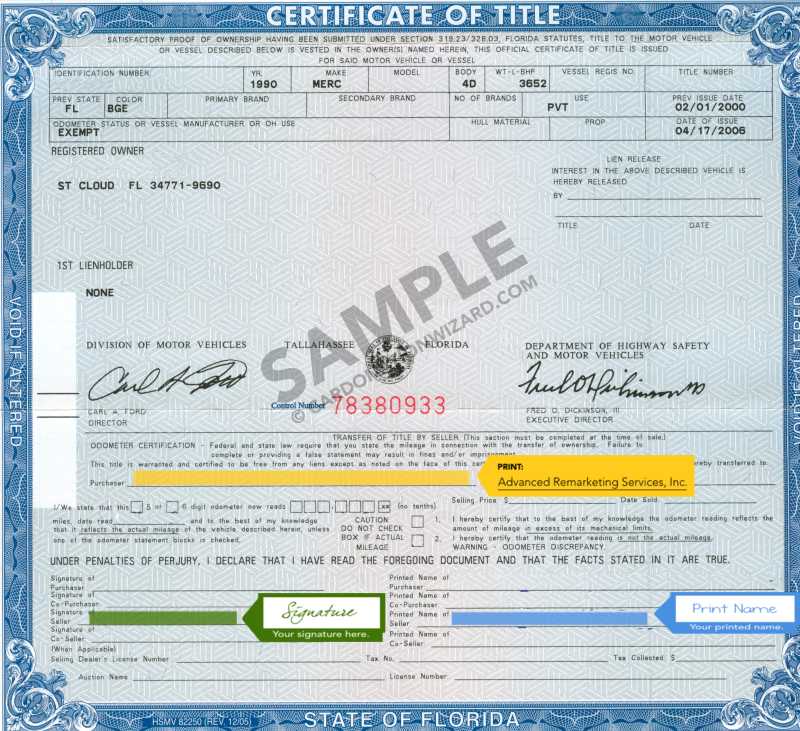
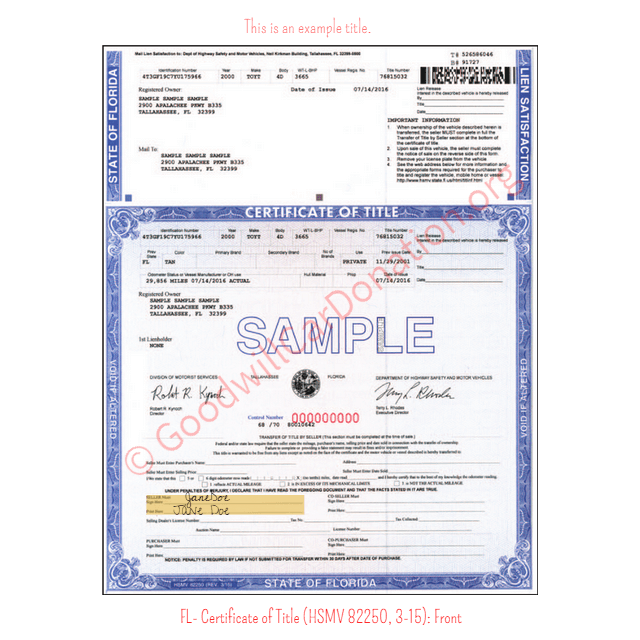
- The Original Vehicle Title: This is the most critical document.
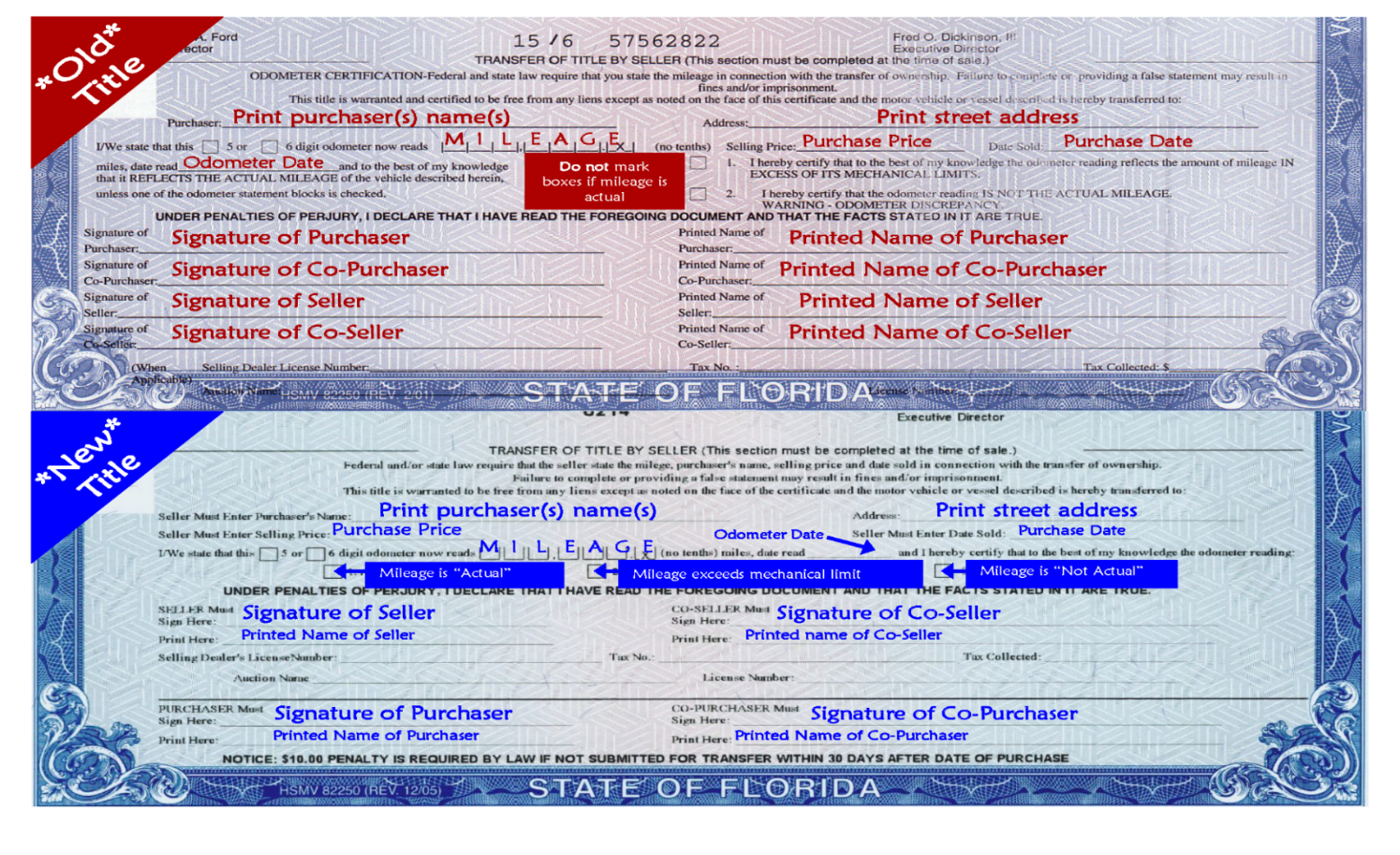
- For Sellers: The seller must sign the title in the designated area to release ownership. Ensure the seller’s name exactly matches the name on the title.
- For Buyers: You will receive the signed title from the seller.
- For New Residents: If your vehicle is currently titled in another state, you will bring your out-of-state title. If there’s a lienholder, you’ll need the original title or a copy of the electronic title from the lienholder, along with a completed HSMV Form 82139 (Application for an Original or Duplicate Title).
- Proof of Identity: A valid government-issued photo ID is required. This could be a U.S. driver’s license, state ID card, or passport. All owners listed on the title must be present or provide a power of attorney.
- Proof of Florida Insurance: Before your vehicle can be registered and titled, you must have valid Personal Injury Protection (PIP) and Property Damage Liability (PDL) insurance from a Florida insurance provider. The minimum coverage amounts are $10,000 for PIP and $10,000 for PDL. You will need to show your insurance card or policy declaration page.
- HSMV Form 82040 (Application for Certificate of Title With/Without Registration): This form must be completed by the buyer(s). It collects all necessary information about the vehicle and the new owner.
- Odometer Disclosure Statement: For vehicles less than 10 years old, an odometer disclosure statement is required. This is usually part of the title itself, where the seller certifies the mileage. If the title doesn’t have an odometer section, a separate HSMV Form 82993 (Vehicle Identification Number and Odometer Verification) might be needed.
- Bill of Sale: While not always strictly required for the title transfer itself if all information is on the title, a Bill of Sale (HSMV Form 82050) is highly recommended for private sales. It serves as a legal record of the transaction, including the purchase price, date, and signatures of both buyer and seller. This is especially useful for calculating sales tax and resolving any disputes.
Additional Requirements for Specific Scenarios
Depending on your particular situation, you might need extra documents:
- Vehicle Identification Number (VIN) Verification: For vehicles brought from out of state, a VIN verification is mandatory. This confirms that the VIN on your vehicle matches the one on your title. This can be done by a Florida law enforcement officer, a motor vehicle dealer, or a notary public. HSMV Form 82042 (Vehicle Identification Number and Odometer Verification) is used for this purpose.
- Lien Satisfaction: If the vehicle had a lien (loan) against it that has been paid off, you’ll need a lien satisfaction document from the lienholder. This proves that the loan is paid in full and the lien can be removed from the title.
- Sales Tax Exemption: If you’re eligible for a sales tax exemption (e.g., certain gifts or transfers between family members), you’ll need to provide documentation to support your claim.
- Power of Attorney: If one of the owners cannot be present at the Tax Collector’s Office, they must provide a notarized power of attorney (HSMV Form 82053) authorizing another individual to act on their behalf.
Gathering these documents proactively will make your visit to the Tax Collector’s Office significantly more efficient, allowing you to quickly move on to enjoying your Florida adventures.
The Step-by-Step Process at the Florida Tax Collector’s Office
Once you have all your documents in order, the next phase involves a visit to your local county Tax Collector’s Office – the primary point of contact for vehicle titling and registration services in Florida. While the specific procedures might vary slightly between counties, the general steps remain consistent.
Preparing for Your Visit: Appointments and Payment
A little preparation before you go can save you a lot of time.
- Check County-Specific Requirements: While the DHSMV sets state-wide rules, individual county Tax Collector’s Office websites often provide specific hours, required forms, and even online appointment scheduling. Visiting their website or calling ahead is always a good idea, especially for larger counties like those serving Miami, Orlando, or Tampa.
- Consider Making an Appointment: Many offices offer online appointment booking, which can significantly reduce wait times. This is especially advisable during peak hours or if you have multiple transactions.
- Understand the Fees: Be prepared to pay various fees, which can include:
- Title Fee: A standard fee for issuing a new title (e.g., around $75.25 for an electronic title, more for a paper title).
- Registration Fee: This annual fee varies based on the vehicle’s weight and type.
- New Plate Fee: If you’re getting a new license plate, there’s a one-time charge (e.g., around $28).
- Initial Registration Fee: For new residents or those registering a vehicle in Florida for the first time, there’s an initial registration fee of $225, which is often referred to as a “first-time registration fee.”
- Sales Tax: Florida sales tax (currently 6%) is levied on the purchase price of the vehicle, minus any trade-in value. This is paid to the Tax Collector’s Office at the time of title transfer.
- Lien Recording Fee: If there’s a new lien on the vehicle (e.g., you took out a loan to buy it), there will be a fee to record the lien.
- Payment Methods: Most offices accept cash, checks, and major credit/debit cards, but it’s always wise to confirm their accepted payment methods.
What to Expect During the Transfer Process
When you arrive at the Tax Collector’s Office for your scheduled (or walk-in) appointment:
- Submit Your Documents: Present all the required forms and supporting documents to the clerk. They will review everything for completeness and accuracy.
- Verification: The clerk will verify your identity, the vehicle’s VIN, and the insurance information. They will also confirm that the title has been properly signed by the seller (if applicable) and that the odometer disclosure is complete.
- Pay Fees and Taxes: You will pay all applicable title, registration, and sales tax fees.
- Receive Temporary Registration (if applicable): If everything is in order, you will receive a temporary registration and your new Florida license plate and decal on the spot.
- New Title Processing: Your new Florida title will typically be mailed to you within a few weeks. In many cases, Florida issues electronic titles (e-titles), which means a paper title will only be printed upon request or if there’s a lienholder who requires a paper copy.
- Confirm Lienholder Information: If your vehicle has a lien, ensure that the lienholder’s information is correctly recorded on the title application. The electronic title will reflect the lienholder, and they will receive notification.
Completing this process successfully means your vehicle is legally titled and registered in Florida, ready for you to explore its vast landscapes, from the vibrant shores of Key West to the captivating attractions of Walt Disney World Resort and Universal Orlando Resort.
Common Scenarios and Special Considerations for Title Transfers
While the core process for transferring a car title in Florida is generally straightforward, certain situations come with unique requirements. Being aware of these special considerations can help you navigate potentially complex scenarios.
Bringing Your Vehicle from Another State
As highlighted earlier, new residents must re-title and re-register their vehicles in Florida. Key additional steps include:
- VIN Verification: This is mandatory for all out-of-state vehicles and must be performed on HSMV Form 82042. This ensures the vehicle’s identity matches the documentation.
- Proof of Florida Insurance: As mentioned, you must obtain Florida insurance coverage before you can register your vehicle.
- Out-of-State Title: You must surrender your original out-of-state title. If a lienholder holds the title, they can often submit it directly to the DHSMV upon request, or you may need to facilitate communication between your lienholder and the Tax Collector’s Office.
- Initial Registration Fee: The $225 initial registration fee is applicable here.
It’s crucial to complete this process promptly upon establishing residency to avoid potential penalties or issues with law enforcement while enjoying the state’s attractions, like a visit to the Kennedy Space Center Visitor Complex.
Handling Gifted or Inherited Vehicles
Special rules apply when a vehicle is not purchased but acquired through a gift or inheritance:
- Gifted Vehicles: If a vehicle is gifted to you, the donor (giver) must properly sign over the title, just as in a sale. However, you may be exempt from paying sales tax if the vehicle is transferred between specific family members (e.g., parent to child, spouse to spouse). You’ll typically need to complete HSMV Form 82040 (Application for Certificate of Title With/Without Registration) and possibly HSMV Form 82053 (Bill of Sale) marked as a gift, and sometimes a notarized affidavit stating it’s a gift.
- Inherited Vehicles: The process for inherited vehicles depends on whether the deceased owner had a will and if the estate is going through probate.
- With a Will and Probate: You’ll generally need certified copies of the will and probate court documents (e.g., Letters of Administration) identifying you as the legal heir.
- Without a Will or Probate (Small Estate Affidavit): If the estate is small and doesn’t go through formal probate, you might be able to use HSMV Form 82173 (Affidavit for Claiming Motor Vehicle), signed by all heirs, to transfer the title. This form outlines the vehicle details and certifies there are no outstanding debts.
- In both cases, all owners must provide ID, proof of Florida insurance, and the original title (if available).
These scenarios require meticulous attention to detail and often involve additional forms to ensure the legal transfer of ownership. It’s always best to consult with your local Tax Collector’s Office for precise requirements, as they can vary based on the specifics of the situation.
Beyond the Paperwork: Enjoying Florida with Your Registered Vehicle
Successfully transferring your car title in Florida is more than just completing a bureaucratic task; it’s about unlocking the full potential of your Florida experience. With your vehicle legally registered and titled, you gain the freedom and peace of mind to truly immerse yourself in the diverse lifestyle and myriad attractions the Sunshine State has to offer.
Imagine taking spontaneous road trips down A1A along the Atlantic Coast, stopping at charming beach towns and historic landmarks. Picture yourself driving to Miami for a vibrant cultural experience or heading to Orlando for an unforgettable family vacation at one of the world-renowned theme parks. Your properly titled vehicle becomes an indispensable tool for exploring everything from secluded state parks and serene nature trails to bustling urban centers and exquisite dining destinations.
Whether you’re a new resident eager to discover your new home, or a local completing a vehicle transaction, handling your car title transfer diligently ensures that your focus remains on enjoying the unparalleled beauty and excitement of Florida. From the thrilling rides of Walt Disney World Resort to the tranquil sunsets over the Gulf Coast, your registered vehicle makes every Florida adventure accessible and worry-free. So, complete the paperwork, secure your title, and embark on your journey through this magnificent state.
LifeOutOfTheBox is a participant in the Amazon Services LLC Associates Program, an affiliate advertising program designed to provide a means for sites to earn advertising fees by advertising and linking to Amazon.com. Amazon, the Amazon logo, AmazonSupply, and the AmazonSupply logo are trademarks of Amazon.com, Inc. or its affiliates. As an Amazon Associate we earn affiliate commissions from qualifying purchases.