
Embarking on a new chapter in Texas, whether you’re a long-term resident making a vehicle change or a newcomer eager to explore its vast landscapes, involves navigating some essential administrative steps. Among the most crucial for maintaining your mobility and enjoying the true freedom of the open road in the Lone Star State is understanding how to properly transfer a car title. This seemingly mundane task is, in fact, the key to unlocking seamless travel and a fulfilling lifestyle within Texas’s expansive borders.
For those dreaming of spontaneous road trips through the Hill Country, city explorations in Dallas or Houston, or tranquil escapes to natural landmarks like Big Bend National Park, a properly transferred vehicle title ensures legal ownership and compliance. This guide aims to demystify the process, offering clear, step-by-step instructions and practical tips to help you get on the road faster, allowing you more time to savor the unique experiences Texas has to offer. From gathering the right documents to understanding fees and special scenarios, we’ll cover everything you need to know, framed within the broader context of making your Texas adventure as smooth and enjoyable as possible.
Navigating Vehicle Ownership in Texas: An Essential Step for Travelers and Residents Alike
The decision to purchase or transfer a vehicle in Texas isn’t just about getting from point A to point B; it’s about securing your independence and capacity to fully engage with the state’s diverse offerings. For new residents, properly titling your vehicle is often among the first administrative hurdles, symbolizing your official integration into the Texas community. For existing residents, an accurate title transfer ensures smooth transitions between vehicle ownership, protecting both buyer and seller. This process is particularly relevant to anyone planning a substantial period in Texas, whether for a long-term stay, exploring destinations, or simply enjoying the state’s unique lifestyle. Without a properly transferred title, you could face legal complications, fines, and delays, all of which detract from the joy of exploring Texas’s vibrant cities and breathtaking natural beauty.
Understanding the intricacies of vehicle ownership in Texas is also critical for those who engage in frequent travel or plan extensive road trips. A legally recognized vehicle allows you to confidently cross county lines, visit various attractions, and even facilitate arrangements for accommodation in different parts of the state. Imagine planning a trip to a charming B&B in Fredericksburg or a luxury resort near South Padre Island, only to have your plans complicated by issues stemming from an improperly titled car. This guide is designed not just as a procedural manual, but as a preventative measure, ensuring your Texas journey remains uninterrupted and stress-free.
The Importance of a Valid Title for Exploring Texas’s Wonders
Texas is a state of immense scale and diverse beauty, from the bustling urban centers of Austin, Dallas, and Houston to the historic charm of San Antonio and the serene majesty of its natural landmarks. Having a vehicle with a valid title is paramount to truly experience this breadth. It’s the foundational document that grants you undisputed legal ownership, allowing you to freely register your car, obtain insurance, and ultimately, drive it wherever your wanderlust takes you. Without a proper title, you cannot legally register the vehicle in your name, which means you cannot get valid license plates, and without valid plates, your ability to explore Texas is severely curtailed.
Consider planning a visit to the Guadalupe Mountains to hike Guadalupe Peak, or a scenic drive along the coast to Galveston for a weekend getaway. These destinations, and countless others across the state, are best accessed by personal vehicle. Your properly titled car becomes an extension of your freedom, a vessel for discovery, whether you’re seeking local culture in small towns, indulging in Texas barbecue, or pursuing outdoor activities in its numerous state parks. The title transfer process is a small investment of time that pays dividends in peace of mind and unrestricted access to all the wonders Texas offers, making your tourism and travel plans significantly smoother and more enjoyable. It’s a vital step in transforming your vehicle from a mere possession into a trusted companion for all your Texas experiences.
The Core Steps: A Step-by-Step Guide to Transferring Your Car Title in Texas
Transferring a car title in Texas is a process that, while straightforward, requires attention to detail. It involves several key steps that ensure legal compliance and smooth transition of ownership. Whether you’re purchasing a used vehicle from a private seller, acquiring one from a dealership, or bringing your car from another state, understanding these steps is crucial. Each stage is designed to protect both the buyer and the seller, verifying the vehicle’s history, ensuring proper taxation, and confirming legal ownership. By meticulously following these guides, you can avoid common pitfalls and expedite your title transfer, allowing you to focus on planning your next Texas adventure rather than grappling with bureaucratic delays. The County Tax Assessor-Collector’s office is your primary destination for completing this process, acting as the nexus for all necessary documentation and fee payments.
Gathering Essential Documents for Your Texas Journey
The foundation of a successful title transfer lies in having all the correct documents prepared in advance. This preparation is akin to packing for an important trip – you wouldn’t want to arrive at your destination missing something crucial. For a Texas car title transfer, the essential documents include:
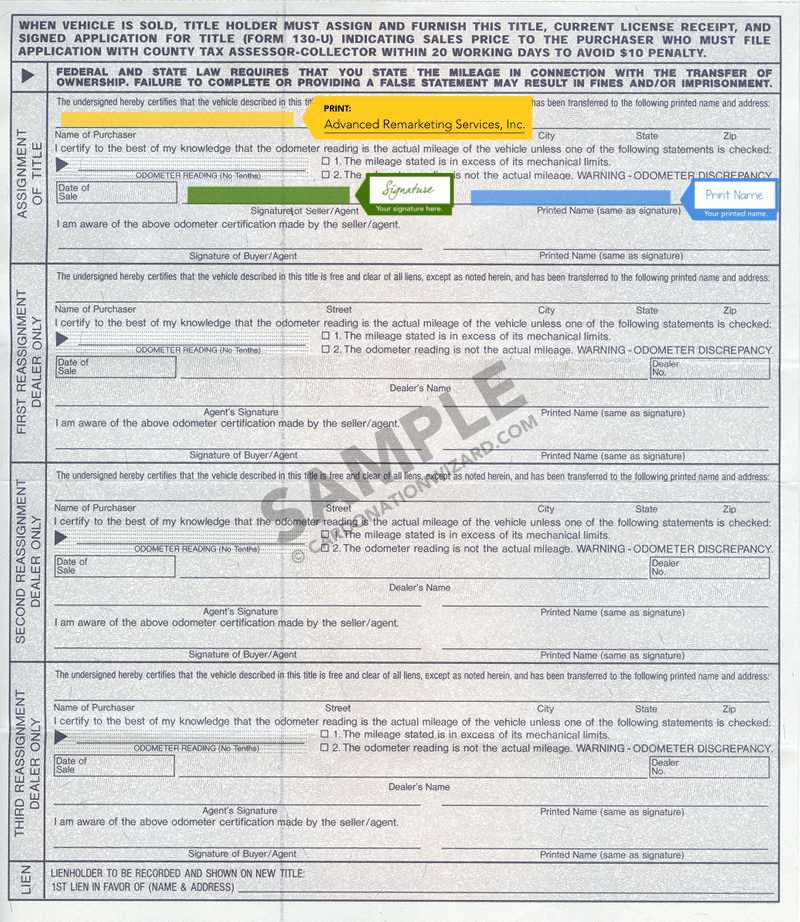
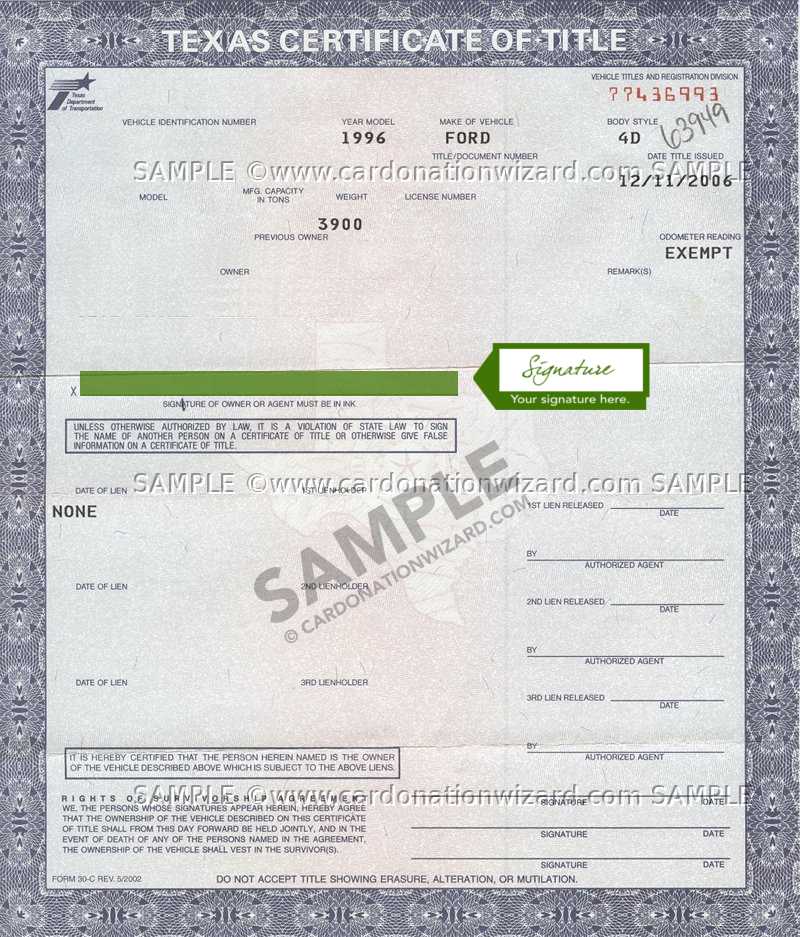
- Original Texas Certificate of Title: If the vehicle was previously titled in Texas, the seller must provide you with the original physical title. Ensure the seller has signed it correctly, as improperly signed titles are a common reason for delays. If the vehicle is from out-of-state, you’ll need the original title from that state.
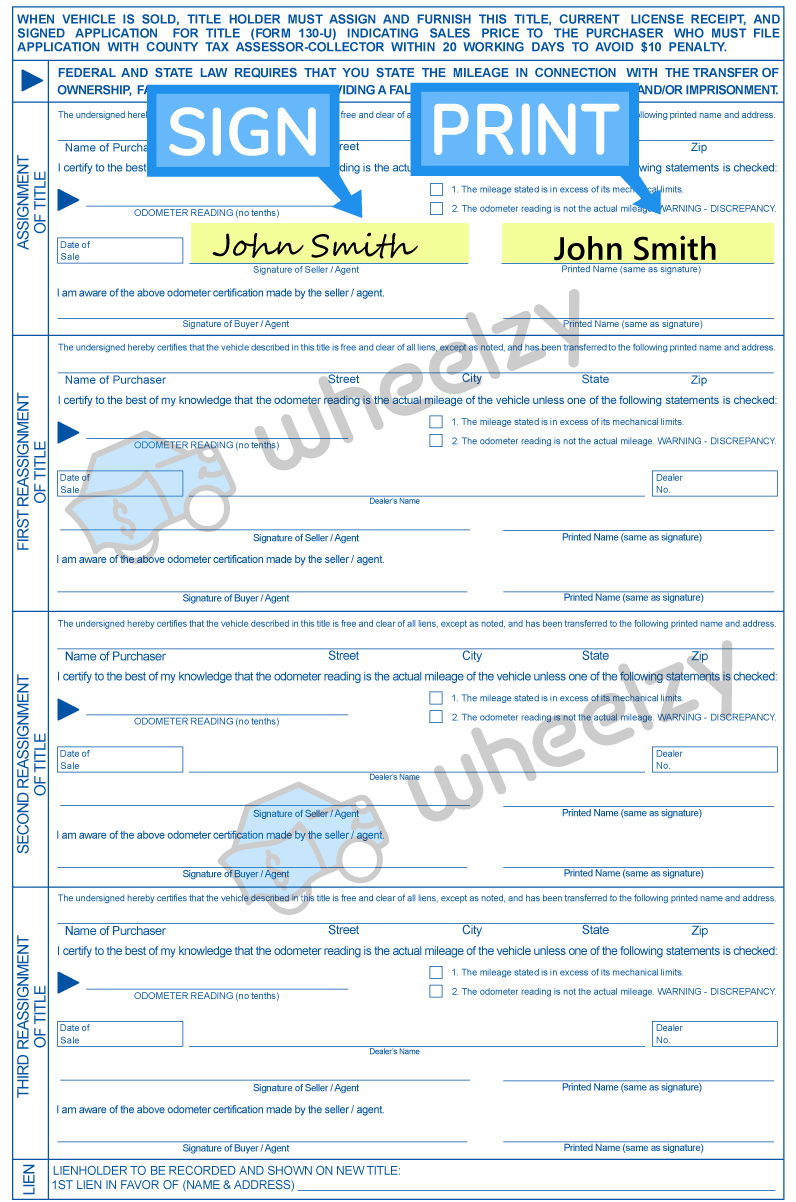
- Application for Texas Title (Form 130-U): This is the core document for the transfer. Both the buyer and seller must complete and sign this form. It requires detailed information about the vehicle, buyer, seller, and sale specifics. You can download this form from the Texas Department of Motor Vehicles (TxDMV) website.
- Proof of Valid Texas Vehicle Inspection Report (VIR): Before you can register your vehicle, it must pass a safety inspection and, in most counties, an emissions inspection. You’ll receive a VIR, which must be presented at the time of title transfer and registration.
- Proof of Financial Responsibility (Liability Insurance): Texas law requires all drivers to carry liability insurance. You must show proof of current Texas liability insurance for the vehicle being titled.
- Valid Photo Identification: Both the buyer and seller should bring a valid government-issued photo ID (e.g., driver’s license, state ID).
- Release of Lien (if applicable): If there was a lien on the vehicle (e.g., an outstanding loan), the lienholder must provide a release of lien to clear the title.
Having these documents meticulously organized before heading to the County Tax Assessor-Collector’s office will significantly streamline your process, preventing any unnecessary detours from your Texas travel plans.
Completing the Application for Texas Title (Form 130-U)
The Application for Texas Title (Form 130-U) is arguably the most critical document in the title transfer process. Accuracy and completeness are paramount, as errors on this form can lead to rejection and necessitate a repeat visit, effectively delaying your ability to fully enjoy your vehicle in Texas. This form requires detailed input from both the buyer and the seller. Key sections to pay close attention to include:
- Vehicle Information: Accurate VIN (Vehicle Identification Number), make, model, year, and body style.
- Buyer and Seller Information: Full legal names, addresses, and signatures. Ensure the names match the IDs presented.
- Odometer Reading: This must be certified by the seller at the time of sale. Be truthful, as misrepresentation can lead to serious legal consequences.
- Sales Price: The agreed-upon sales price for the vehicle. This figure is used to calculate the sales tax. If the vehicle is a gift, this section will reflect that, and specific gift tax exemptions may apply, provided appropriate affidavits are submitted.
- Date of Sale: Crucial for determining deadlines for title transfer and avoiding penalties.
It is highly recommended that both the buyer and seller fill out and sign the Form 130-U together. This ensures all information is accurate and agreed upon by both parties. Make sure to clearly print all information, and avoid using white-out; if an error occurs, it’s often better to start with a fresh form. This diligent approach helps secure your vehicle’s legal status swiftly, allowing you to transition from the paperwork to planning family trips or solo adventures across Texas without bureaucratic headaches.
Addressing Sales Tax, Registration, and Fees
Beyond the paperwork, transferring a car title in Texas involves various financial obligations. Understanding these costs upfront is vital for budgeting, especially if you’re managing finances for a move or an extended long-term stay in the state. The primary costs you’ll encounter are sales tax, registration fees, and local fees.
- Sales Tax: Texas imposes a 6.25% motor vehicle sales tax. This is calculated based on the sales price or the vehicle’s standard presumptive value (SPV), whichever is higher. The SPV is a state-determined value to prevent underreporting of sale prices. If you believe the sales price is lower than the SPV due to the vehicle’s condition, you may need to provide additional documentation or an appraisal. For gifted vehicles, specific gift tax exemptions may apply, but an affidavit of motor vehicle gift transfer (Form 14-317) is typically required.
- Registration Fees: These are annual fees that cover your license plates and allow you to legally operate your vehicle on Texas roads. The base registration fee is typically around $50, but various additional fees, such as local county fees and road and bridge fees, will apply, bringing the total higher.
- Title Application Fee: A modest fee, usually under $10, is charged for processing your title application.
- Inspection Fee: Remember to account for the cost of your state vehicle inspection, which must be completed before registration.
These fees are typically paid to the County Tax Assessor-Collector at the time of title transfer and registration. Prompt payment of these fees ensures your vehicle is legally compliant, freeing you to enjoy the unparalleled freedom of the road in Texas. Whether you’re making a significant purchase for luxury travel or finding a reliable ride for budget travel, factoring these costs into your plans is essential for a smooth financial transition.
Common Scenarios and Special Considerations for Your Texas Vehicle
The car title transfer process can vary slightly depending on the specific circumstances of the vehicle acquisition. Understanding these nuances is crucial for navigating potential complexities and ensuring a seamless transition of ownership. From purchasing a vehicle from a private party versus a licensed dealership to bringing a car from out-of-state or receiving one as a gift, each scenario has particular requirements that warrant careful attention. Being prepared for these variations will save you time and frustration, allowing you to quickly get back to planning your next adventure, whether it’s exploring Austin’s vibrant music scene or embarking on a culinary tour of San Antonio. This section outlines the most common scenarios and provides targeted tips to help you through each one.
Buying from a Private Seller vs. a Dealership: What Travelers Need to Know
The source of your vehicle purchase significantly impacts the title transfer process and the documents you’ll need to handle.
- Private Seller: When purchasing from a private individual, the responsibility for initiating the title transfer largely falls on the buyer. You will need to obtain the original Texas Certificate of Title, correctly signed and dated by the seller. Ensure the seller’s signature on the title matches their ID. The seller must also sign the Form 130-U, which you, as the buyer, will then take to the County Tax Assessor-Collector’s office along with proof of insurance, inspection, and your ID. It’s advisable to complete the sale at the tax office or a notary to ensure all paperwork is correctly filled out and witnessed. This direct interaction can sometimes lead to more immediate vehicle possession, perfect for those planning spontaneous travel or needing quick mobility. However, it also means more personal responsibility for ensuring all steps are meticulously followed.
- Dealership: When you purchase from a licensed Texas dealership, they typically handle most of the title and registration paperwork for you. This often includes submitting the Form 130-U, collecting sales tax, and filing for your new title and registration. They will also issue temporary license plates, allowing you to drive the vehicle immediately while the permanent plates are processed. This streamlined service is a convenience that many value, particularly those on business stays or with limited time, as it reduces the administrative burden on the buyer. While the upfront cost might be slightly higher due to dealer fees, the peace of mind and convenience often justify it, especially for busy individuals looking to spend more time exploring Texas attractions rather than waiting in government offices.
Out-of-State Vehicles: Bringing Your Ride to the Lone Star State
For those relocating to Texas or planning an extended long-term stay, bringing an out-of-state vehicle requires specific title transfer procedures. This is a common scenario for individuals embracing a new lifestyle in Texas and wanting to continue using their trusted vehicle.
- Original Out-of-State Title: You will need the original title from your previous state of residence. If there’s a lien on the vehicle (e.g., you’re still making payments), you may only have a copy of the title, and the lienholder will likely hold the original. In such cases, you will need to apply for a Texas title with a “Rebuilt/Salvage” or “Non-Repairable” brand, or you may need to contact your lienholder to request the out-of-state title be sent to Texas for transfer.
- Vehicle Inspection: Your vehicle must pass a Texas safety inspection, and in certain counties, an emissions inspection. This is standard for all vehicles registered in Texas.
- VIN Inspection: For out-of-state vehicles, a Vehicle Identification Number (VIN) inspection may be required to verify that the VIN on your vehicle matches the one on your title. This is often conducted by the County Tax Assessor-Collector’s office or a designated law enforcement agency.
- Form 130-U: As with all title transfers, you will need to complete the Application for Texas Title (Form 130-U).
- Proof of Insurance: Current Texas liability insurance is mandatory.
The process for out-of-state vehicles ensures that all vehicles operating on Texas roads meet the state’s safety and legal standards. Planning for these steps in advance will prevent unnecessary delays in your assimilation into the vibrant Texas lifestyle and your ability to explore its numerous destinations.
Gifting a Vehicle: A Unique Texas Gesture
Gifting a vehicle to a loved one in Texas is a generous gesture, but it still requires a formal title transfer, albeit with some specific considerations regarding sales tax. This scenario is particularly relevant for family trips or supporting new drivers within the household.
- Form 130-U: Both the donor and recipient must complete and sign the Form 130-U. In the sales price section, you would indicate that the vehicle is a gift.
- Affidavit of Motor Vehicle Gift Transfer (Form 14-317): This crucial form exempts the recipient from paying motor vehicle sales tax if the vehicle is genuinely gifted between qualifying family members (e.g., spouse, parent, child, grandparent, grandchild). Without this affidavit, sales tax would be assessed based on the vehicle’s standard presumptive value. This form must be signed by both the donor and recipient and submitted with the Form 130-U.
- Other Documents: All other standard documents, such as the original title, proof of insurance, and inspection report, are still required.
Gifting a vehicle requires careful adherence to these specific rules to ensure the transfer is legal and tax-efficient. It’s a wonderful way to empower a family member with mobility, enabling them to enjoy their own Texas experiences, whether it’s commuting to work or embarking on personal travel adventures across the state. This process reflects the emphasis on family and community that is often a hallmark of the Texas lifestyle.
Maximizing Your Texas Experience: Beyond the Title Transfer
Once your car title transfer in Texas is complete, a world of possibilities opens up before you. A properly registered and titled vehicle is more than just a means of transport; it’s your ticket to fully immerse yourself in the rich tapestry of Texas lifestyle, travel, and tourism. From urban explorations to wilderness adventures, having your own reliable transport enhances every aspect of your stay. This final section connects the administrative necessities of title transfer to the exciting realities of exploring the Lone Star State, offering insights into planning unforgettable road trips, discovering premier accommodation options, and truly embracing the freedom that comes with vehicle ownership in Texas.
Planning Your Texas Road Trip: Destinations and Accommodation
With your vehicle legally in hand, the open roads of Texas beckon. The state is a treasure trove of diverse destinations, each offering unique attractions and experiences.
- Coastal Retreats: Drive down to Galveston for historic charm, sandy beaches, and fresh seafood. Explore the vibrant Kemah Boardwalk or take a ferry to see dolphins.
- Hill Country Escapes: Head to the rolling hills and charming towns of the Texas Hill Country. Visit wineries in Fredericksburg, enjoy water activities on the Guadalupe River, or explore Enchanted Rock State Natural Area.
- Big City Bustle: Experience the dynamic culture and food scenes in Dallas, Houston, or Austin. Discover world-class museums, architecture, shopping, and entertainment.
- Historic Journeys: Delve into Texas history in San Antonio, home to the Alamo and its picturesque Riverwalk.
- Wilderness Adventures: For the ultimate escape, venture west to Big Bend National Park or the Guadalupe Mountains for unparalleled hiking, stargazing, and raw nature experiences.
When planning your trips, think about accommodation that suits your lifestyle and budget. Texas offers a vast array of options, from luxury hotels and resorts with stunning amenities to cozy apartments, spacious suites, and private villas. Utilize online booking platforms and read reviews to find the perfect long-term stay or weekend getaway. Don’t forget to consider budget travel options like quaint bed & breakfasts or state park cabins that often provide unique insights into local culture.
Embracing the Texas Lifestyle: Freedom on the Open Road
The ability to move freely and independently is a cornerstone of the Texas lifestyle. Having your own properly titled vehicle means you’re not limited by public transport schedules or the availability of rideshares. This freedom empowers you to truly embrace the vastness and spirit of the Lone Star State. Imagine spontaneous detours to a roadside BBQ joint you stumbled upon, or deciding on a whim to extend your stay in a charming small town because you discovered a hidden gem.
Your car becomes an integral part of your Texas story, enabling you to chase sunsets in the west, explore the piney woods of the east, or simply enjoy a scenic drive through the vast plains. It allows you to tailor your travel to your specific interests, whether it’s exploring famous places of history, indulging in the vibrant food scene, or seeking outdoor activities that connect you with nature. The administrative step of transferring your car title in Texas is not merely a formality; it is an investment in your personal freedom, a commitment to exploring every corner of this magnificent state at your own pace. With your vehicle confidently titled and registered, you’re not just a driver; you’re an adventurer, a discoverer, and a true participant in the expansive and inviting Texas lifestyle.
Conclusion
Transferring a car title in Texas is an essential, albeit administrative, step towards fully embracing the dynamic lifestyle and incredible travel opportunities the state offers. While it requires attention to detail and a clear understanding of the necessary documentation and fees, the process is designed to be straightforward. By following the guides outlined here, from gathering your documents and completing Form 130-U to understanding specific scenarios like out-of-state vehicles or gifts, you can ensure a smooth and hassle-free transition of ownership. With your vehicle legally titled and registered, you unlock the unparalleled freedom to explore Texas’s diverse destinations, from bustling cities and historic towns to serene natural landmarks and picturesque coastlines. This foundational step empowers you to plan unforgettable road trips, secure comfortable accommodation, and truly immerse yourself in the rich culture and experiences that make the Lone Star State so unique. So, get your title in order, and prepare to hit the road – your Texas adventure awaits!
LifeOutOfTheBox is a participant in the Amazon Services LLC Associates Program, an affiliate advertising program designed to provide a means for sites to earn advertising fees by advertising and linking to Amazon.com. Amazon, the Amazon logo, AmazonSupply, and the AmazonSupply logo are trademarks of Amazon.com, Inc. or its affiliates. As an Amazon Associate we earn affiliate commissions from qualifying purchases.