
Embarking on a new adventure in the Lone Star State, whether it’s for an extended vacation, a significant move, or simply to explore its vast landscapes, often involves acquiring a new set of wheels. Texas, a state renowned for its diverse culture, incredible landmarks, and endless road trip possibilities, beckons travelers and new residents alike. From the vibrant streets of Austin to the historic charm of San Antonio, and the bustling metropolises of Dallas and Houston, a personal vehicle can unlock unparalleled freedom and flexibility. However, before you can hit the open roads and explore destinations like Big Bend National Park or the serene beaches of Padre Island National Seashore, a crucial administrative step awaits: transferring a vehicle title.
Understanding the process of transferring a vehicle title in Texas is essential for anyone purchasing a car, truck, or motorcycle within the state. This guide is tailored not just for new residents settling into a Texas lifestyle, but also for long-term visitors or digital nomads who choose to base themselves here and need reliable transportation. A proper title transfer ensures legal ownership, avoids future complications, and keeps your travel plans on track. Navigating government paperwork can seem daunting, but with the right information, it’s a straightforward process that will soon have you cruising towards your next Texas destination.
Understanding the Texas Vehicle Title Transfer Process: Your Gateway to Exploration
For many, a vehicle is more than just transportation; it’s a key to unlocking travel experiences, from impromptu weekend getaways to meticulously planned cross-country expeditions. In Texas, the journey to legal vehicle ownership begins with understanding the title transfer process. This isn’t just about bureaucracy; it’s about securing your investment and ensuring you’re fully prepared for all the adventures the state has to offer, whether it’s a family trip to Galveston or a solo expedition to the vast Chihuahuan Desert.
Key Players: Buyer and Seller Responsibilities
A successful vehicle title transfer hinges on both the buyer and seller fulfilling their specific obligations. Clear communication and timely action from both parties are paramount for a smooth transaction, allowing the buyer to swiftly transition from negotiating a deal to planning their next Texas itinerary.
Seller’s Responsibilities:
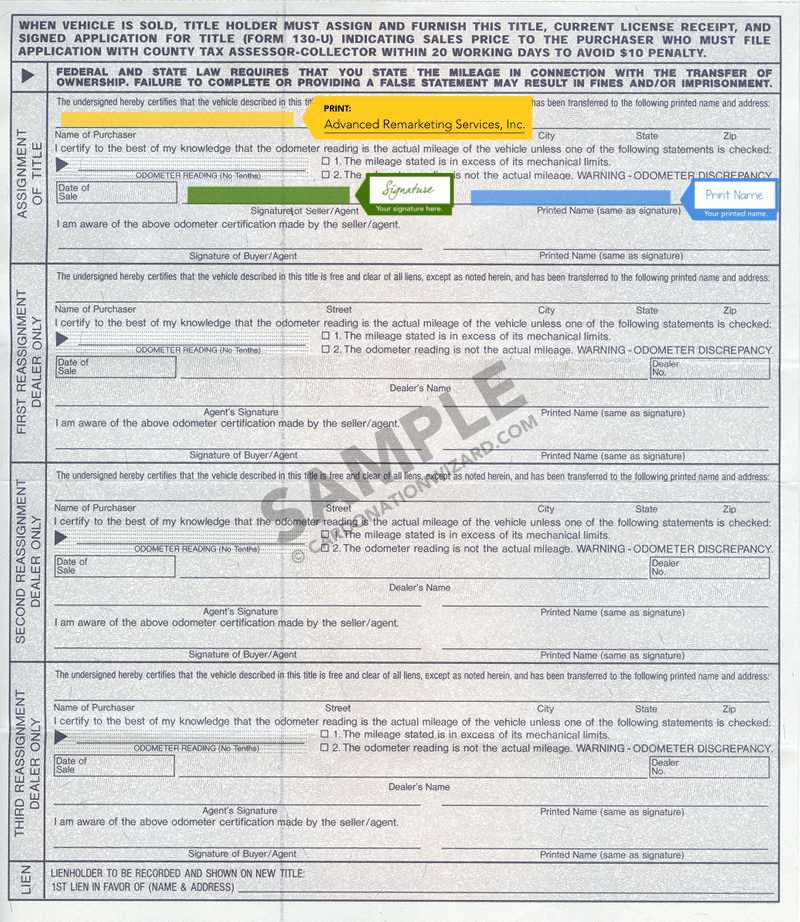
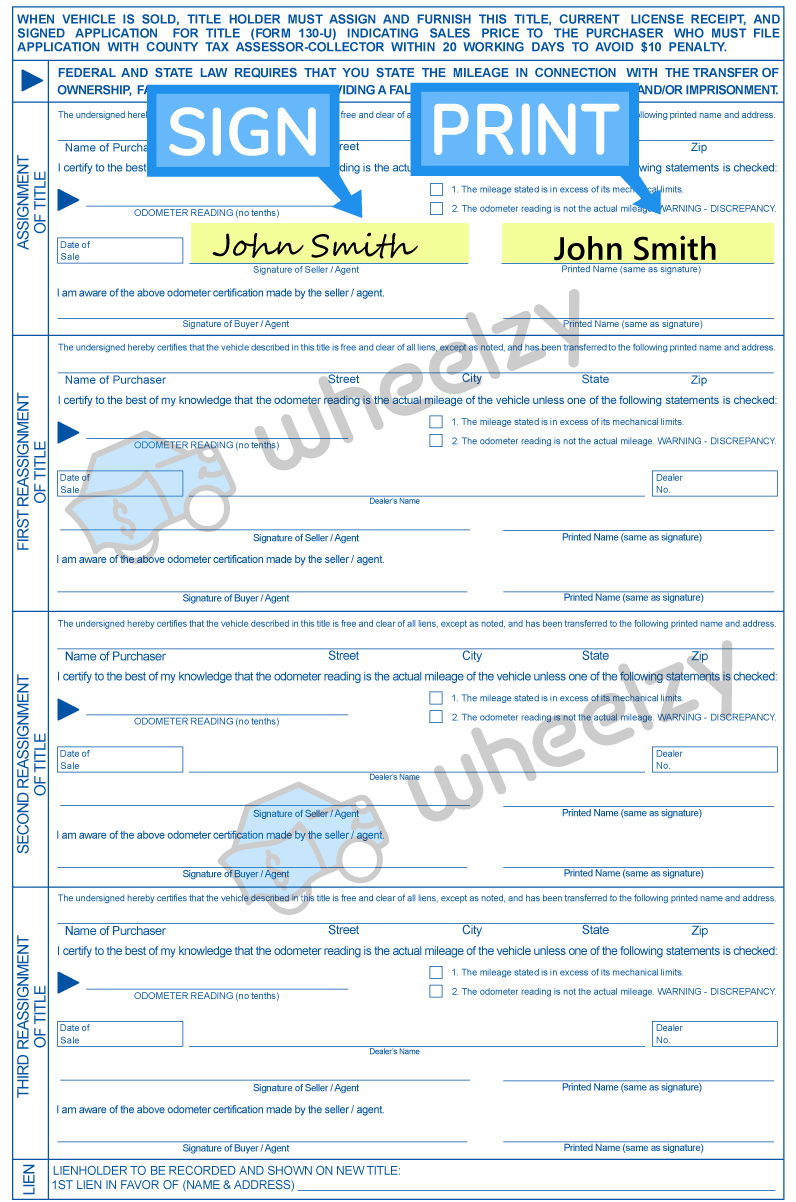
The seller initiates the transfer process by properly completing and signing the existing vehicle title. This includes providing the exact odometer reading, which is crucial for proving the vehicle’s mileage and often impacts its resale value and perceived condition. The seller must also clearly print their name and address on the title, ensuring accuracy. A critical step for the seller is to submit a Motor Vehicle Transfer Notification (Form VTR-346) to the Texas Department of Motor Vehicles (TxDMV) within 30 days of the sale. This protects them from liability for tickets or accidents that occur after the sale, providing peace of mind as they move on from their previous vehicle. Neglecting this step could lead to unwanted headaches, especially if the new owner delays registering the vehicle.
Buyer’s Responsibilities:
As the new owner, your primary responsibility is to apply for a new title and registration in your name. This must be done within 30 days of the purchase date to avoid penalties. To do this, you’ll need the completed title from the seller, along with several other documents. You’ll also be responsible for paying sales tax, which is calculated on the purchase price or the standard presumptive value of the vehicle, whichever is greater. This tax, collected by the Texas Comptroller of Public Accounts, is an unavoidable part of vehicle ownership in Texas. Ensuring all documents are correctly filled out and submitted promptly will expedite your ability to legally drive and enjoy your new car, whether for daily commutes or memorable Texas road trips.
Essential Documents for a Smooth Transfer
Gathering the correct documentation is often the most challenging part of any administrative process, but it’s vital for a seamless vehicle title transfer in Texas. Having all your paperwork in order beforehand will save you valuable time and prevent multiple trips to the county tax assessor-collector office – time you’d rather spend planning your next Texas tourism adventure.
Here’s a checklist of what you’ll typically need:
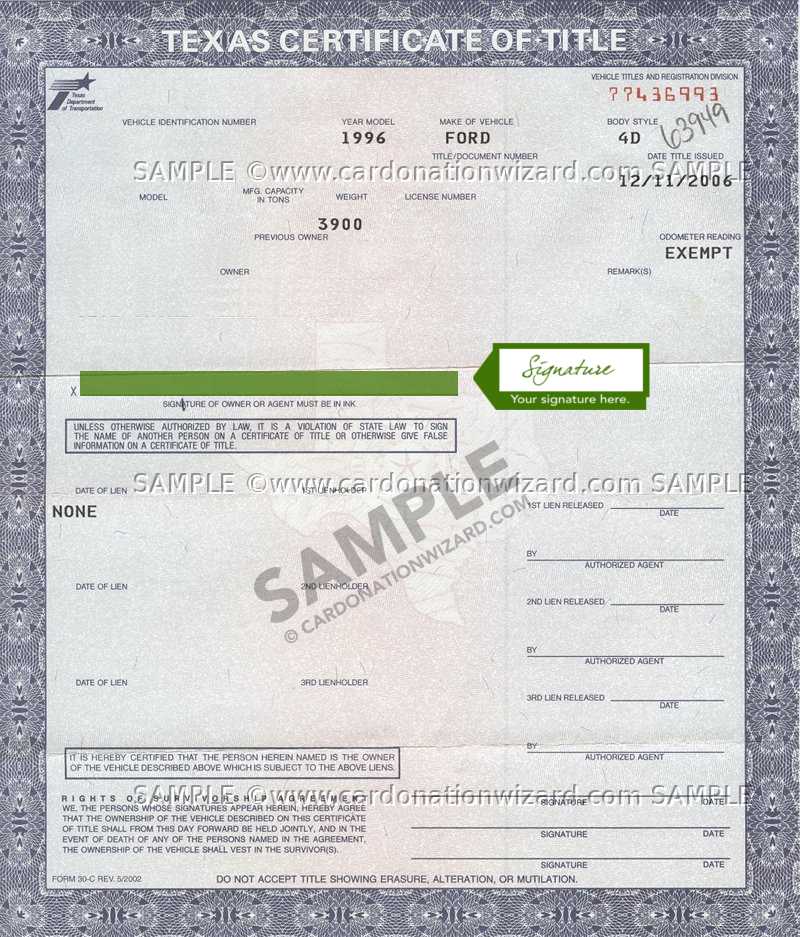
- The Original Vehicle Title: This is the most critical document. Ensure it’s signed by the seller and that all fields, including the odometer reading, are accurately completed. Any errors or omissions here could delay the entire process.
- Application for Texas Title and/or Registration (Form 130-U): This form must be filled out entirely by the buyer. It collects essential information about the vehicle, the buyer, and the seller, and it’s the official request for a new title.
- Proof of Vehicle Inspection (Vehicle Inspection Report, or VIR): Before you can register your vehicle, it must pass a state inspection. This includes safety and emissions tests (in certain counties). You’ll receive a VIR, which is then electronically transmitted to the state, but it’s good practice to keep a copy.
- Proof of Financial Responsibility (Liability Insurance): Texas law requires all drivers to carry liability insurance. You’ll need to show proof of current coverage for the vehicle you are registering.
- Photo Identification: A valid government-issued ID (like a Texas driver’s license or state ID card) is required for the buyer.
- Odometer Disclosure Statement: While often part of the title itself, if not, a separate form may be required, especially for vehicles less than 10 years old.
- Release of Lien (if applicable): If the vehicle had a lien against it (e.g., a car loan), the lienholder must provide a Release of Lien document, indicating the loan has been satisfied.
Preparing these documents meticulously will significantly streamline your title transfer experience, allowing you to focus on discovering the local culture, food, and activities Texas has to offer.
Navigating the Texas Department of Motor Vehicles (TxDMV)
The administrative heart of vehicle ownership in Texas lies within the Texas Department of Motor Vehicles (TxDMV) and its local affiliates. While the term “DMV” might conjure images of long lines and bureaucratic hurdles, understanding where to go and what to expect can transform the experience into a quick, efficient stop on your way to exploring destinations like Big Bend National Park or the historic Alamo.
Where to Go: Your Local County Tax Assessor-Collector Office
Unlike some states where you visit a dedicated DMV office, in Texas, vehicle title transfers and registrations are primarily handled by your local county tax assessor-collector office. These offices are conveniently located in every county, making it accessible for residents from El Paso to Corpus Christi.
To find your nearest office, a quick search on the TxDMV website for “county tax assessor-collector” or “vehicle registration” in your specific county (e.g., “Harris County Tax Assessor-Collector” for Houston residents, or “Travis County Tax Assessor-Collector” for those in Austin) will provide the address and operating hours. Many offices now offer online appointment scheduling, which can dramatically reduce wait times, allowing you to spend more time planning your next Texas adventure or perhaps enjoying a stay at a local resort. Always confirm the specific requirements and forms with your local office, as some minor variations might exist from county to county.
Fees, Taxes, and Other Financial Considerations
Transferring a vehicle title in Texas involves more than just paperwork; there are several fees and taxes that buyers need to budget for. Being aware of these costs upfront is crucial for managing your finances, especially if you’re on a budget travel plan or making a significant move.
- Sales Tax: This is typically the largest financial consideration. Texas imposes a 6.25% motor vehicle sales tax on the purchase price of the vehicle, or its standard presumptive value (SPV), whichever is higher. The SPV is a value determined by the state for tax purposes, often used to prevent under-reporting the sale price. The Texas Comptroller of Public Accounts provides tools to estimate the SPV of a vehicle.
- Title Application Fee: A relatively small fee is charged for processing your title application, usually around $33.
- Registration Fee: This annual fee covers your vehicle’s registration and license plates. The standard fee is around $50.75, plus any local county fees.
- Inspection Fee: While the inspection itself is paid to the inspection station, it’s a prerequisite for registration, so factor it into your overall costs. The cost varies slightly but is generally under $30.
- New License Plates/Transfer Fees: If you’re getting new plates, there might be a small additional charge. If you’re transferring existing plates from another vehicle you own, there’s a transfer fee.
- Processing and Handling Fees: Some counties may charge minor processing or handling fees.
It’s advisable to have these funds readily available, usually in the form of a cashier’s check, money order, or debit/credit card, as personal checks may not always be accepted. Understanding these financial aspects ensures there are no surprises, leaving you free to enjoy the vibrant Texas lifestyle and your newly acquired transportation.
Post-Transfer Checklist and Texas Adventures
Once the title transfer is complete, and you have your new registration and plates, a sense of accomplishment—and perhaps a thrill of anticipation—should wash over you. The administrative hurdle is cleared, and the vast expanse of Texas awaits your exploration. But before you embark on that epic road trip from Fort Worth to South Padre Island, there are a few final steps and considerations to ensure your vehicle is fully ready for its adventures.
What to Do After the Title is Transferred
The moment you walk out of the county tax assessor-collector office with your new registration, you’re officially the proud, legal owner of your vehicle in Texas. However, a quick post-transfer checklist can prevent any future headaches and enhance your travel preparedness.
- Affix New License Plates and Registration Sticker: Immediately attach your new license plates (if you received new ones) and apply the new registration sticker to your windshield. Driving without current registration can lead to fines and delays, interrupting your travel plans.
- Update Insurance Information: While you provided proof of insurance during the transfer, it’s good practice to ensure your insurance provider has all the updated details of your new vehicle and that your policy reflects the change in ownership. This is crucial for roadside assistance and peace of mind during your journeys.
- Keep Important Documents Handy: Store your proof of insurance, current registration, and a copy of your new title in a safe, accessible place within your vehicle. You’ll need these for any traffic stops or in the event of an accident.
- Consider a Vehicle History Report: If you haven’t already, running a comprehensive vehicle history report (e.g., CarFax or AutoCheck) can provide valuable insights into your car’s past, including accident history, previous ownership, and service records. This knowledge can inform maintenance decisions and give you confidence as you plan longer trips.
- Routine Maintenance: Especially with a pre-owned vehicle, scheduling a basic service (oil change, tire rotation, fluid check) is always a good idea. A well-maintained vehicle is a reliable travel companion, whether you’re commuting to a hotel for a business stay or venturing into remote natural areas.
By taking these small but important steps, you’ll ensure your vehicle is not only legally yours but also mechanically ready for whatever incredible experiences Texas throws your way.
Exploring Texas with Your New Ride
With the title transfer successfully completed, the real fun begins: exploring the boundless opportunities for travel and tourism that Texas offers. Your new vehicle is now your personal gateway to discovering everything from historic landmarks to vibrant city centers and serene natural retreats.
Imagine driving along scenic routes, heading towards the German-influenced town of Fredericksburg for wine tasting and unique accommodation in charming villas, or taking a road trip to the San Antonio River Walk to soak in its famous history and enjoy delicious local food. Perhaps a visit to Space Center Houston appeals to your inner astronaut, or a reflective stop at The Sixth Floor Museum at Dealey Plaza in Dallas offers a deeper understanding of American history.
For nature lovers, the rugged beauty of Big Bend National Park or the coastal charm of Padre Island National Seashore are now easily accessible. Your vehicle allows you to escape the city limits, find those hidden attractions, and discover authentic Texas experiences that public transportation simply can’t reach. Whether it’s camping under the stars, staying at a luxury resort in the Texas Hill Country, or seeking out the best barbecue joints off the beaten path, your car is your companion in adventure.
The flexibility of having your own transportation opens up possibilities for lifestyle choices, from embracing a spontaneous weekend getaway to planning extensive family trips across the diverse regions of Texas. Enjoy the freedom of the open road, knowing that your vehicle ownership is secure and properly documented, allowing you to focus on creating unforgettable memories in the vast and welcoming Lone Star State.
In conclusion, transferring a vehicle title in Texas is a fundamental step towards fully embracing the state’s incredible travel and lifestyle offerings. While it may seem like a bureaucratic task, seeing it as the key to unlocking countless Texas adventures transforms the process. By understanding the responsibilities of both buyer and seller, meticulously preparing your documents, and knowing where to go and what fees to expect, you can ensure a smooth and efficient title transfer. Soon enough, you’ll be driving confidently through the picturesque landscapes, vibrant cities, and charming small towns of Texas, making memories that will last a lifetime.