
The Boston Marathon stands as one of the world’s most iconic and prestigious road races, drawing elite athletes, dedicated amateur runners, and over half a million spectators annually. More than just a race, it’s a vibrant cultural event deeply woven into the fabric of Boston, Massachusetts, offering an unparalleled opportunity for visitors to immerse themselves in local spirit, history, and community. For travelers seeking a truly memorable experience, combining the thrill of Marathon Monday with exploring the charm of New England offers an ideal blend of excitement and cultural enrichment.
This comprehensive guide is designed not only to help you find the best spots to watch the legendary race but also to enhance your entire trip, covering everything from accommodation and local attractions to essential travel tips. Whether you’re a first-time visitor or a returning fan, preparing for your Marathon Monday adventure requires thoughtful planning to fully embrace the atmosphere and witness history in the making. From luxurious stays overlooking the finish line to budget-friendly options that still keep you close to the action, we’ll explore how to make your Boston visit unforgettable.
Planning Your Boston Marathon Experience: Beyond the Race
Attending the Boston Marathon is a major event, and like any significant travel experience, it benefits greatly from advance planning. Given the race’s immense popularity, aspects like accommodation and transportation require careful consideration to ensure a smooth and enjoyable visit. Thinking beyond just the race itself and incorporating the broader travel and tourism opportunities that Boston offers will transform your trip from a simple spectator visit into a rich, multi-faceted adventure.
Choosing Your Base: Hotels and Accommodation in Boston
Finding the right place to stay is paramount for a comfortable and convenient Boston Marathon experience. Boston offers a diverse range of accommodation options, from opulent luxury hotels to charming boutique inns and practical budget-friendly choices. The key is to book well in advance, ideally six months to a year out, as demand skyrockets for Marathon Monday.
For those seeking proximity to the finish line and a vibrant city atmosphere, neighborhoods like Back Bay and Copley Square are prime choices. Here, you’ll find iconic hotels such as the Four Seasons Hotel Boston, renowned for its impeccable service and elegant rooms, often offering stunning views of the Public Garden. The Mandarin Oriental, Boston on Boylston Street provides direct views of the race route, a truly luxurious way to experience the marathon. Another excellent option in this area is The Langham Boston, which combines historic charm with modern amenities, putting guests within easy reach of both the marathon action and many of Boston’s cultural attractions. While these options offer unparalleled convenience and luxury, they come with a premium price, particularly during marathon week.
If you prefer a more historic ambiance, Beacon Hill, with its cobblestone streets and Federal-style row houses, offers charming boutique hotels and guesthouses. This area provides a quieter, more residential feel while still being centrally located and well-connected by public transport. For modern luxury and waterfront views, the Seaport District has seen a boom in upscale hotels and contemporary dining, though it requires a slightly longer commute to the race route.

Budget-conscious travelers can find more affordable options further from the immediate race route, often along MBTA lines in areas like Cambridge or even in the surrounding suburbs. Vacation rentals through platforms like Airbnb also provide a flexible and potentially more spacious alternative, especially for families or groups. Remember to factor in travel time to your chosen viewing spot if staying outside the city center. Regardless of your budget or preferred style, booking early ensures the best selection and potentially better rates. Many hotels will offer special Marathon Weekend packages, sometimes including perks like late check-out or even marathon-themed amenities, adding a touch of lifestyle luxury to your stay.
Navigating Boston: Transportation Tips
Boston is a remarkably walkable city, but for covering longer distances, especially on Marathon Monday, understanding its public transportation system is essential. The Massachusetts Bay Transportation Authority, affectionately known as the “MBTA” or “the T,” is your best friend. Comprising subway, bus, and commuter rail lines, it connects virtually every part of the city and its surrounding towns.
On Marathon Monday, vehicular traffic is severely restricted, with numerous road closures along the entire 26.2-mile course. Attempting to drive or find parking near the race route is futile and highly discouraged. Instead, purchase a CharlieCard or CharlieTicket for easy access to the T. Plan your routes in advance, as some subway stations might experience temporary closures or increased crowds, particularly those near major viewing points. The MBTA website and app provide real-time updates and service alerts, which are invaluable on race day.

For those staying in the city center, walking is an excellent way to soak in the atmosphere and cover shorter distances between viewing spots or attractions. Boston’s compact historical core is a delight to explore on foot, allowing you to stumble upon hidden gems and iconic landmarks. Just remember to wear comfortable shoes, as you’ll likely be on your feet for several hours. Combining walking with strategic use of the T offers the most efficient and enjoyable way to navigate the city during marathon festivities.
Prime Viewing Spots: Where to Catch the Action
The Boston Marathon course is a dynamic canvas, offering different experiences depending on where you choose to spectate. From the rural charm of the starting towns to the electric finish line atmosphere, each mile tells a story. Selecting your viewing spot often depends on your priorities: do you want to see the elite runners fly by, cheer on friends and family, or simply soak in the festive energy? Understanding the unique characteristics of different sections of the course will help you make the most of your Marathon Monday.
Early Miles: The Start Line and Suburban Charm
The race officially begins in Hopkinton, approximately 26 miles west of Boston. While being at the start line offers a unique perspective on the anticipation and excitement of thousands of runners setting off, access is highly restricted to registered participants and volunteers due to security measures. For spectators, it’s generally not a feasible or recommended viewing spot.
Instead, consider the early suburban towns along the course, which offer a more laid-back and family-friendly atmosphere. In towns like Ashland, Framingham, and Natick, spectators can find comfortable spots with less crowding than in the city. These towns provide a great opportunity to see the full spectrum of runners, from the speedy elites to the joyful masses, as they embark on their journey. Local businesses often open early, providing coffee, snacks, and a community feel. Getting to these towns usually requires taking the MBTA Commuter Rail, which runs parallel to parts of the course.
One of the most famous early-mile viewing locations is the “Wellesley Scream Tunnel” at mile 12. Nestled between Wellesley College and the marathon route, this section is legendary for its deafening cheers from thousands of college students. It’s an incredibly high-energy spot, perfect for runners needing a boost and spectators who love an electric atmosphere. If you plan to visit Wellesley, arrive very early to secure a good spot, as it becomes incredibly crowded. The enthusiastic cheers and signs from the Wellesley College students create an unforgettable experience, making it a landmark of the race itself.
Heartbreak Hill and Beyond: The Newton Challenge
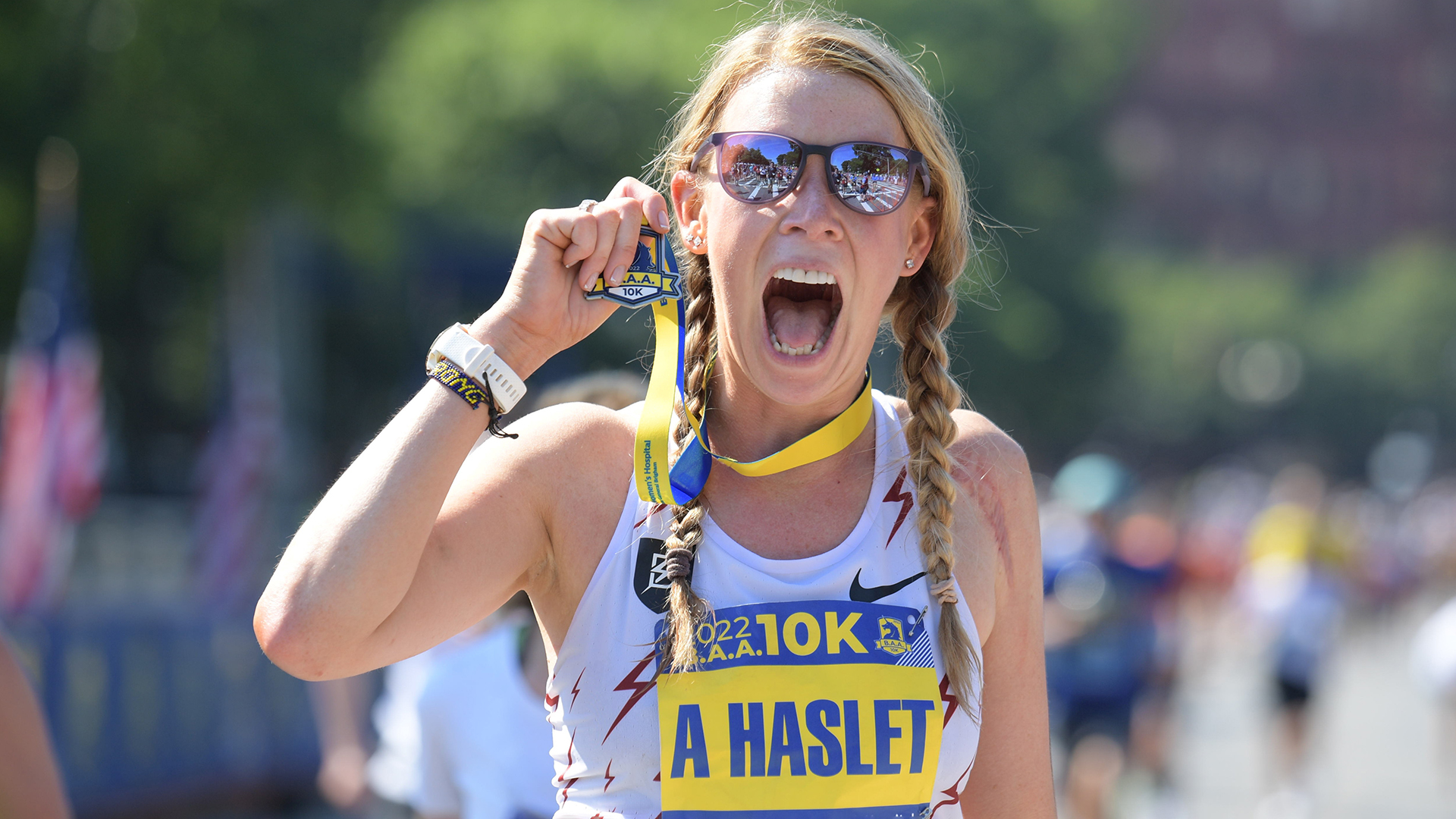
As runners approach mile 16, they enter the town of Newton, home to the infamous “Newton Hills.” This challenging series of inclines culminates in Heartbreak Hill around mile 20, a legendary landmark in marathon lore. At this point, many runners are starting to feel the fatigue, and the climb, though not exceptionally steep, can break spirits and bodies.
Spectating here offers a different kind of thrill. The crowds along Commonwealth Avenue in Newton are incredibly supportive, understanding the immense effort required to conquer these hills. You’ll witness incredible displays of grit, determination, and camaraderie. Cheering here feels particularly impactful, as your encouragement can genuinely make a difference to a struggling runner.
Accessing the Newton hills is convenient via the MBTA Green Line. Stations like Cleveland Circle, Reservoir, or Boston College offer good jumping-off points, though you’ll still need to walk a bit to reach the prime viewing spots along Commonwealth Avenue. Be prepared for large crowds, but generally, it’s easier to find a decent viewing spot here than closer to the finish line. The challenge of Heartbreak Hill is a critical part of the marathon’s identity, and witnessing it firsthand is a powerful experience.
The Grand Finale: Kenmore Square to Copley Square
The final miles of the Boston Marathon offer the most intense and electrifying spectator experience. As runners emerge from the Newton hills and pass Boston University, they hit the vibrant energy of Kenmore Square around mile 25. This area is a hub of excitement, especially with the iconic Citgo Sign overlooking Fenway Park, home of the Boston Red Sox. The atmosphere here is often likened to a giant block party, fueled by the proximity of the finish line and the palpable relief and excitement of the runners. Spectators here are treated to a final surge of effort from the athletes, many of whom have found a second wind knowing the end is in sight.
From Kenmore Square, the course continues down the long, straight stretch of Commonwealth Avenue, offering excellent visibility for extended viewing. This allows you to cheer on many runners as they make their way towards the final turn.
The ultimate destination is Boylston Street, in Copley Square, where the finish line awaits. The final block of Boylston Street is a scene of pure triumph, emotion, and exhaustion. However, obtaining a spot directly at the finish line requires extraordinary effort and extremely early arrival, often hours before the elite runners are expected. Security is very tight, and public access is limited. Many choose to watch from spots further up Boylston Street or near landmarks like the Boston Public Library or Fairmont Copley Plaza. The jubilation of runners crossing the finish line, often with tears in their eyes or arms raised in victory, is an incredibly moving sight that defines the Boston Marathon experience. Even if you can’t get right to the barriers, the roar of the crowd and the palpable energy in Copley Square are unforgettable.
Enhancing Your Marathon Monday Experience
Beyond simply finding a spot to watch the race, there are numerous ways to elevate your Boston Marathon experience and your overall visit to Boston. From practical tips to exploring the city’s rich cultural tapestry, transforming your trip into a holistic travel adventure is key to maximizing your time in this historic city.
Essential Spectator Tips and Etiquette
Being a great spectator involves more than just showing up. Here are some key tips to ensure a smooth and enjoyable Marathon Monday:
- Arrive Early: This is the golden rule, especially for popular spots. If you want a good view, stake out your territory hours before the race.
- Check Weather Forecasts: New England weather in April can be unpredictable. Be prepared for anything from warm sunshine to chilly rain or even snow. Dress in layers, and bring waterproof gear if needed.
- Pack Essentials: Bring water, snacks, sunscreen, and portable phone chargers. Public restrooms can be scarce, so plan accordingly.
- Wear Comfortable Shoes: You’ll be standing and walking a lot.
- Use Public Transportation: As mentioned, the MBTA is your best option. Familiarize yourself with routes and potential service changes.
- Support All Runners: While the elites are captivating, don’t forget to cheer for everyone. The encouragement from the crowd can be a huge motivator for amateur runners, especially in the later miles.
- Respect the Race and Runners: Don’t block the course, interfere with runners, or litter. Keep cheering positive and refrain from any negative comments.
- Have a Meeting Point: If you’re with a group, establish a meeting spot in case you get separated in the crowds, as cell service can sometimes be spotty.
- Bring a Sign: A creative, encouraging sign is a fantastic way to engage with runners and add to the festive atmosphere.
Following these tips ensures a respectful and enjoyable experience for both spectators and participants, solidifying the Boston Marathon’s reputation as a truly special event rooted in community and sportsmanship.
Beyond the Race: Exploring Boston’s Treasures
Your trip to Boston for the marathon provides an ideal opportunity to explore one of America’s most historic and culturally rich cities. Extending your stay for a few extra days allows you to delve into the city’s myriad attractions, blending the excitement of the race with a comprehensive tourism experience.
A must-do for any visitor is walking the Freedom Trail, a 2.5-mile red-lined path that leads to 16 historically significant sites. Along this self-guided tour, you’ll encounter landmarks like the Paul Revere House, Faneuil Hall, the Old North Church, and the site of the Boston Massacre. Each stop offers a glimpse into the American Revolution and the nation’s founding principles.
For art enthusiasts, Boston boasts world-class museums. The Museum of Fine Arts houses an extensive collection spanning various cultures and periods, while the enchanting Isabella Stewart Gardner Museum, designed in the style of a Venetian palace, offers a unique and intimate art experience. For those interested in science and innovation, the Museum of Science provides engaging exhibits for all ages.
Take a leisurely stroll through Boston Common, America’s oldest park, and the adjacent Public Garden, famous for its swan boats and vibrant floral displays. These green spaces offer a tranquil respite from the urban hustle and bustle. Explore the charming streets of Beacon Hill with its gas lamps and elegant homes, or indulge in some retail therapy on Newbury Street in Back Bay.
No visit to Boston is complete without savoring its culinary delights. Head to the historic North End, Boston’s oldest residential neighborhood, for authentic Italian cuisine and delicious pastries. And of course, being a coastal city, Boston is renowned for its fresh Seafood. Don’t leave without trying a classic lobster roll, clam chowder, or fresh oysters at one of the many seafood restaurants. These local food experiences provide a delightful taste of Boston’s vibrant local culture.
Lifestyle Choices: Luxury vs. Budget Spectating
The Boston Marathon experience can be tailored to various travel lifestyles, from opulent luxury to smart budget-friendly options.
Luxury Travel: For those seeking an indulgent experience, consider booking a room with a direct view of the race course. As mentioned, the Mandarin Oriental, Boston offers unparalleled finish line views from its Boylston Street location. Another excellent choice is the Hotel Commonwealth in Kenmore Square, with some rooms overlooking the marathon route as it passes Fenway Park. These hotels provide exclusive viewing access, often coupled with gourmet dining experiences and luxurious amenities that turn spectating into a pampered event. Pre-race brunches, post-race spa treatments, and private car services can further enhance the high-end travel experience. Dining at Boston’s top restaurants, enjoying private guided tours, and perhaps even chartering a boat for a harbor cruise are all ways to infuse luxury into your marathon visit.
Budget Travel: Experiencing the Boston Marathon doesn’t have to break the bank. Public transportation via the MBTA is an affordable way to get around. Pack your own snacks and drinks to avoid inflated concession prices. Instead of pricey restaurants, explore Boston’s diverse food trucks or grab a classic Boston clam chowder from a casual eatery. Free attractions like the Freedom Trail, Boston Common, and the Public Garden offer rich cultural experiences without cost. For accommodation, consider staying slightly outside the immediate city center, in areas connected by the T, or exploring guesthouses and hostels. Booking your flight and accommodation far in advance can also secure better rates. The spirit of the marathon is free, and soaking in the atmosphere from public viewing spots, armed with enthusiasm and a well-packed backpack, can be just as rewarding as a luxury experience.
In conclusion, watching the Boston Marathon is an extraordinary travel experience, offering a unique blend of athletic drama, community spirit, and historical immersion. By planning your accommodation carefully, navigating the city efficiently, choosing your viewing spot strategically, and embracing the broader cultural offerings of Boston, you can create an unforgettable trip that transcends a simple race day. Whether you opt for a luxurious escape or a budget-conscious adventure, the iconic Boston Marathon promises memories that will last a lifetime.
LifeOutOfTheBox is a participant in the Amazon Services LLC Associates Program, an affiliate advertising program designed to provide a means for sites to earn advertising fees by advertising and linking to Amazon.com. Amazon, the Amazon logo, AmazonSupply, and the AmazonSupply logo are trademarks of Amazon.com, Inc. or its affiliates. As an Amazon Associate we earn affiliate commissions from qualifying purchases.