
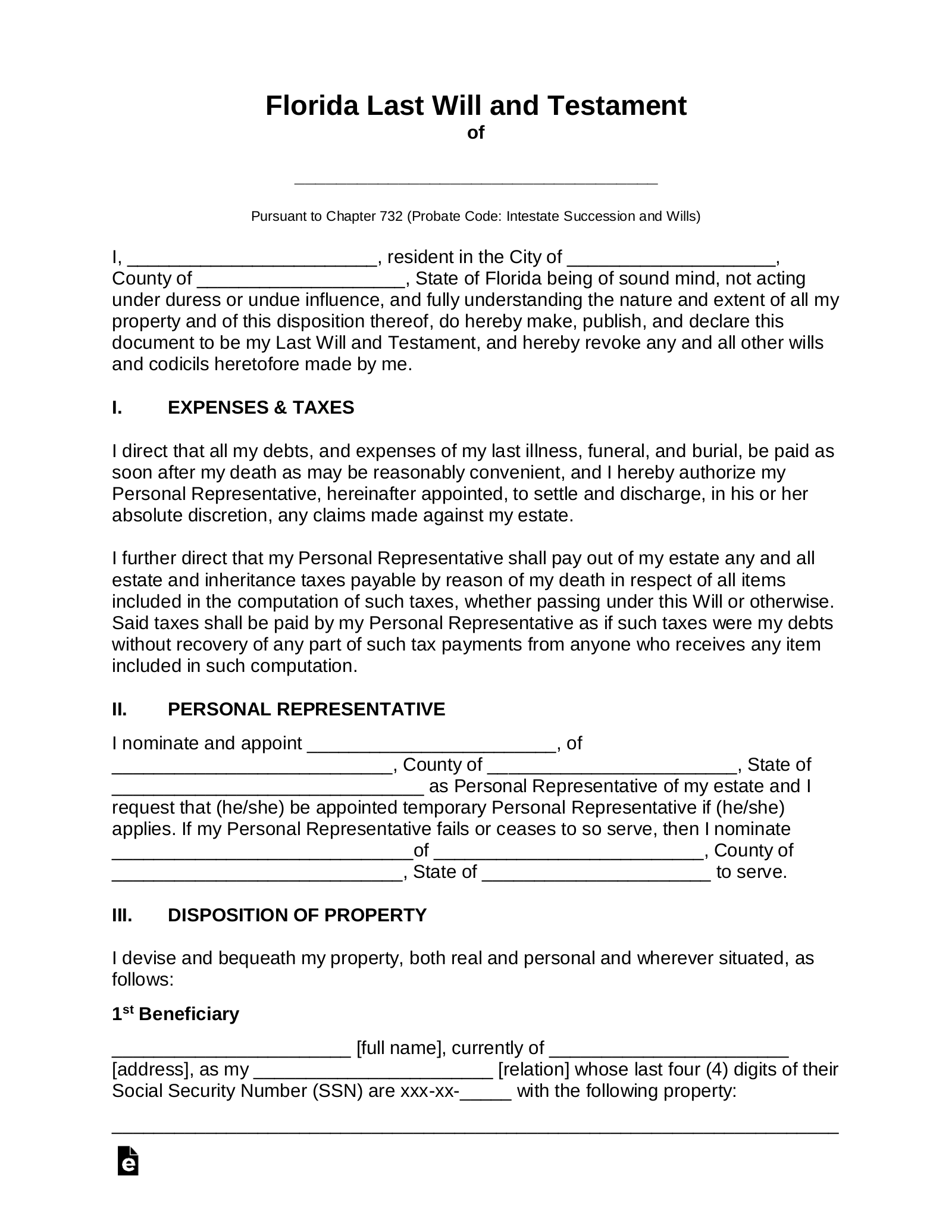
Estate planning is a fundamental aspect of responsible living, ensuring that your assets are distributed according to your wishes and that your loved ones are cared for. In Florida, like all states, specific legal requirements govern the creation of a valid will. Understanding these requirements is crucial to avoid potential complications and disputes that could arise after your passing. This guide will walk you through the essential steps and considerations for drafting a legally sound will in the Sunshine State.
Understanding the Fundamentals of a Florida Will
Before delving into the specifics of drafting your will, it’s important to grasp the basic legal principles that define a valid testamentary document in Florida. These principles ensure that your will reflects your true intentions and is recognized by the courts.
Who Can Make a Will in Florida?
To create a legally binding will in Florida, you must meet certain eligibility criteria.
Legal Age and Sound Mind
The primary requirements are that the testator (the person making the will) must be at least 18 years of age and of sound mind. This means the individual must understand that they are signing a document that will dispose of their property after death, comprehend the nature and extent of their property, and know who their relatives and beneficiaries are. A person who is a minor or who lacks the mental capacity to understand these things may not be able to create a valid will.
Exceptions for Age
While the general age is 18, Florida law does allow individuals who are younger than 18 to make a will if they are married or have been married, or if they are serving in the United States Armed Forces. These exceptions acknowledge that individuals in these circumstances may have adult responsibilities and a need to direct their affairs.
Key Components of a Valid Florida Will
A Florida will must adhere to specific formalities to be considered valid. These formalities are designed to prevent fraud and ensure that the document truly represents the testator’s wishes.
Written Document
All wills in Florida must be in writing. Oral wills are generally not recognized, except in very limited circumstances related to military service during wartime. This written requirement ensures that there is a clear and permanent record of your intentions.
Signature of the Testator
The will must be signed by the testator, or by another person in the testator’s presence and at the testator’s direction. This act of signing is a crucial element, signifying your approval and execution of the document. If the testator is physically unable to sign, they can direct another person to sign on their behalf.
Witness Requirements
Florida law mandates that the will must be signed by at least two (2) credible witnesses. These witnesses must sign the will in the presence of the testator. Importantly, the witnesses should not be beneficiaries of the will. If a beneficiary witnesses the will, they may forfeit their inheritance. The witnesses are attesting to the fact that they saw the testator sign the will and that they believe the testator to be of sound mind and acting freely.
Self-Proving Affidavits
While not strictly required for a will to be valid, a self-proving affidavit can significantly streamline the probate process. This affidavit is a separate statement signed by the testator and witnesses before a notary public, affirming that the will was executed according to legal requirements. With a self-proving affidavit, witnesses typically do not need to testify in court during probate.
Drafting Your Florida Will: Essential Considerations
Once you understand the legal framework, you can begin the process of drafting your will. This involves making key decisions about your beneficiaries, executors, and the distribution of your assets.
Naming Your Beneficiaries
Your beneficiaries are the individuals or organizations you wish to inherit your property. This is one of the most important decisions you will make when creating your will.
Direct Beneficiaries
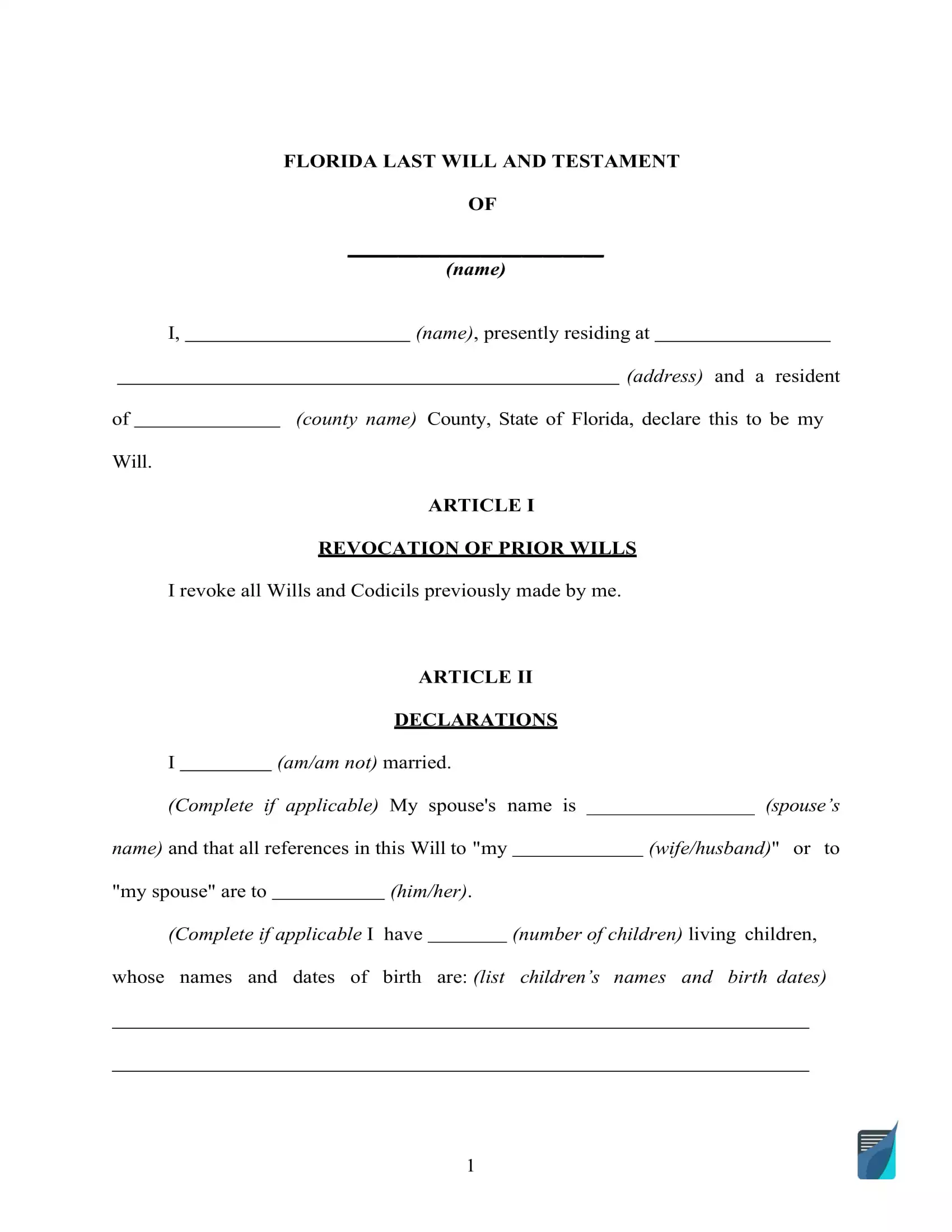
These are the individuals who will directly receive your assets. You should clearly identify each beneficiary by their full legal name and their relationship to you. For example, “my daughter, Jane Doe,” or “my nephew, John Smith.”
Contingent Beneficiaries
It’s also wise to name contingent beneficiaries. These individuals will inherit your assets if your primary beneficiaries predecease you or are unable to inherit for any reason. This “backup” plan ensures that your property still goes to someone you’ve chosen.
Charitable Organizations
You can also name charitable organizations as beneficiaries. Ensure you use the organization’s correct legal name to avoid any confusion. Many people find fulfillment in leaving a portion of their estate to causes they support.
Appointing an Executor
The executor is the person responsible for carrying out the instructions in your will. This is a significant role that requires trust and responsibility.
Choosing a Reliable Executor
Select someone you trust implicitly, who is organized, responsible, and capable of handling financial matters. This could be a spouse, adult child, sibling, close friend, or even a professional executor like a bank or an attorney.
Naming an Alternate Executor
Just as with beneficiaries, it is essential to name an alternate executor in case your first choice is unable or unwilling to serve. The alternate executor will step in if the primary executor cannot fulfill their duties.
Powers and Duties of the Executor
The executor’s responsibilities include locating and gathering the deceased’s assets, paying off debts and taxes, and distributing the remaining assets to the beneficiaries according to the terms of the will. They will also be responsible for navigating the probate court process.
Distributing Your Assets
Clearly outlining how your assets will be distributed is central to your will.
Specific Bequests
You can make specific bequests of particular items, such as a piece of jewelry, a car, or a specific sum of money, to designated individuals. For example, “I bequeath my antique watch to my grandson, Michael Johnson.”
Residuary Estate
The residuary estate comprises all assets not specifically bequeathed. You should designate who will inherit this remaining portion of your estate. This is often the largest part of the estate and is typically left to your closest family members.
Guardians for Minor Children
If you have minor children, your will is the place to name a guardian who will care for them in the event of your and your spouse’s passing. This is one of the most critical provisions of a will for parents of young children. You can also appoint a guardian for their financial affairs, separate from their personal care.
Legal Formalities and Potential Pitfalls in Florida
Adhering to Florida’s specific legal requirements is paramount. Overlooking these can invalidate your will.
The Importance of Legal Counsel
While it is possible to draft a will yourself, seeking legal advice from a qualified Florida estate planning attorney is highly recommended. An attorney can ensure that your will is legally sound, reflects your wishes accurately, and complies with all state statutes. They can also advise on complex situations, such as blended families, significant assets, or potential tax implications.
Avoiding Common Mistakes
Several common pitfalls can render a will invalid or lead to unintended consequences.
Undue Influence and Fraud
A will can be challenged if it can be proven that the testator was under undue influence or subjected to fraud during its creation. This means that someone coerced the testator into making provisions they wouldn’t have otherwise made.
Lack of Capacity
As mentioned earlier, if the testator lacked the mental capacity to understand the nature of their actions, the will can be contested. Evidence of dementia or severe cognitive impairment can be grounds for such a challenge.
Improper Execution
Failing to follow the strict signing and witnessing requirements of Florida law is a frequent reason for a will being declared invalid. This underscores the importance of careful execution, ideally under the guidance of an attorney.
Reviewing and Updating Your Florida Will
Your will is not a static document. Life circumstances change, and your will should be reviewed and updated accordingly.
When to Review Your Will
It’s advisable to review your will periodically, at least every three to five years, or whenever significant life events occur.
Major Life Changes
Key events that warrant a review include marriage or divorce, the birth or adoption of children, the death of a beneficiary or executor, or significant changes in your financial situation. Moving to a different state may also necessitate a review to ensure compliance with new state laws.
Changes in Laws
Estate planning laws can change. An attorney can advise you on any updates in Florida law that might affect your will and suggest necessary revisions.
Making Amendments
If you need to make changes to your will, you have two primary options:
Codicils
A codicil is a legal document that amends an existing will. It must be executed with the same formalities as a will (in writing, signed by the testator, and witnessed by two individuals). Codicils are generally used for minor changes.
New Will
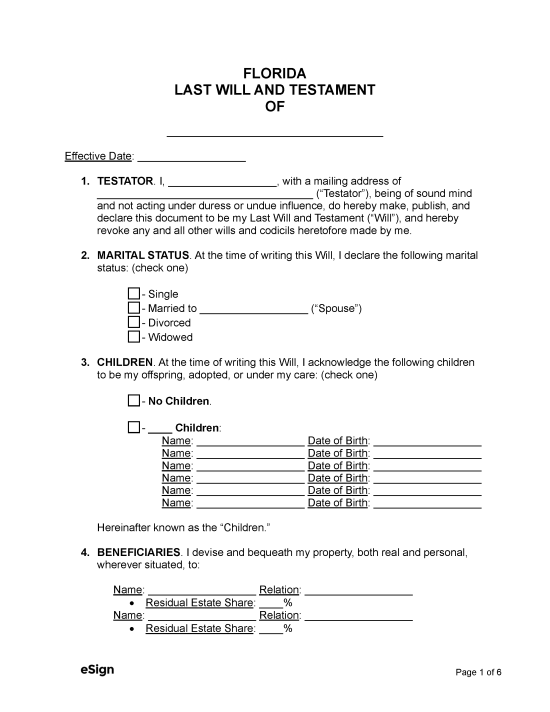
For more substantial changes, it is often best to revoke your old will entirely and create a new one. A new will should explicitly state that it revokes all prior wills and codicils. This prevents confusion and ensures that only the most recent document is considered valid.
By taking the time to understand and implement the process of creating a valid will in Florida, you are providing invaluable peace of mind for yourself and your loved ones. This proactive step ensures your legacy is managed according to your wishes, minimizing potential stress and disputes during a difficult time.