
Florida, often affectionately dubbed the “Sunshine State,” is synonymous with year-round warmth and inviting sunshine. For many travelers, the allure of escaping colder climates and embracing a perpetually summery atmosphere is a primary motivator for visiting this vibrant peninsula. But just how warm is it in Florida, and how does this warmth vary across its diverse regions and throughout the seasons? This comprehensive guide delves into the nuances of Florida’s climate, offering insights for travelers planning their perfect getaway.
Understanding Florida’s Climate: A Tale of Two Coasts and Tropical Influence
Florida’s geographical position at the southeastern tip of the United States, surrounded by the Atlantic Ocean and the Gulf of Mexico, plays a pivotal role in shaping its climate. The state experiences a subtropical to tropical climate, characterized by hot, humid summers and mild winters. However, it’s essential to recognize that “warm” is a relative term, and Florida’s weather isn’t uniform.
The North vs. South Divide: Experiencing Microclimates
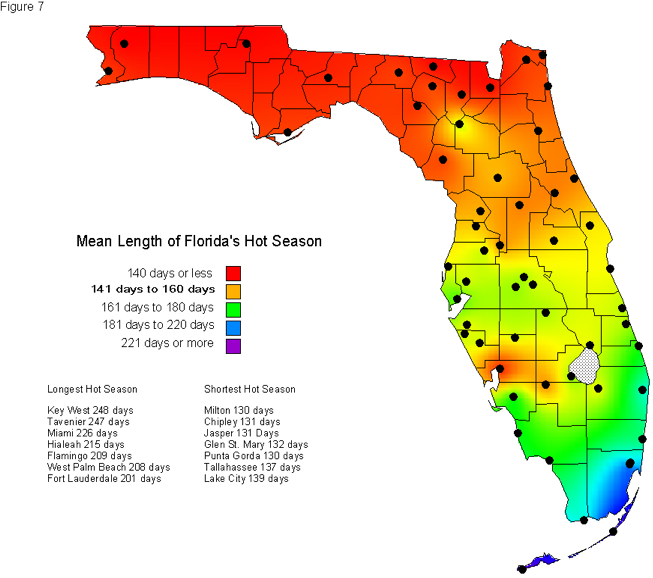
A significant factor influencing Florida’s temperature is its north-south orientation. The northern parts of the state, including cities like Jacksonville and Tallahassee, experience a more temperate climate with distinct seasonal variations. Winters here can bring cooler temperatures, with occasional frost and even a rare dusting of snow, though prolonged freezing is uncommon. Summers, while warm and humid, are generally not as intensely hot as those further south.
Conversely, South Florida, from the vibrant heart of Orlando down to the sun-drenched Keys, enjoys a more tropical climate. Here, the seasons are less pronounced, with summers being long, hot, and extremely humid, and winters being remarkably mild. This region is less susceptible to cold fronts and typically sees average temperatures that remain pleasant throughout the year, making it a perennial favorite for those seeking an escape from winter’s chill.
The Influence of Water: Moderating Temperatures
The vast bodies of water bordering Florida act as significant moderating influences on its temperature. The Gulf Stream, a warm ocean current that flows along the Atlantic coast, keeps eastern Florida warmer, especially during the winter months. Similarly, the Gulf of Mexico on the western side provides a buffering effect, preventing extreme temperature fluctuations. This oceanic influence is why coastal cities often experience more moderate temperatures than inland areas, with sea breezes providing welcome relief during the hot summer days.
Seasonal Temperature Variations in Florida
While Florida is known for its warmth, understanding the seasonal shifts will help you pack appropriately and plan your activities for optimal enjoyment.
Summer (June – August): The Peak of Heat and Humidity
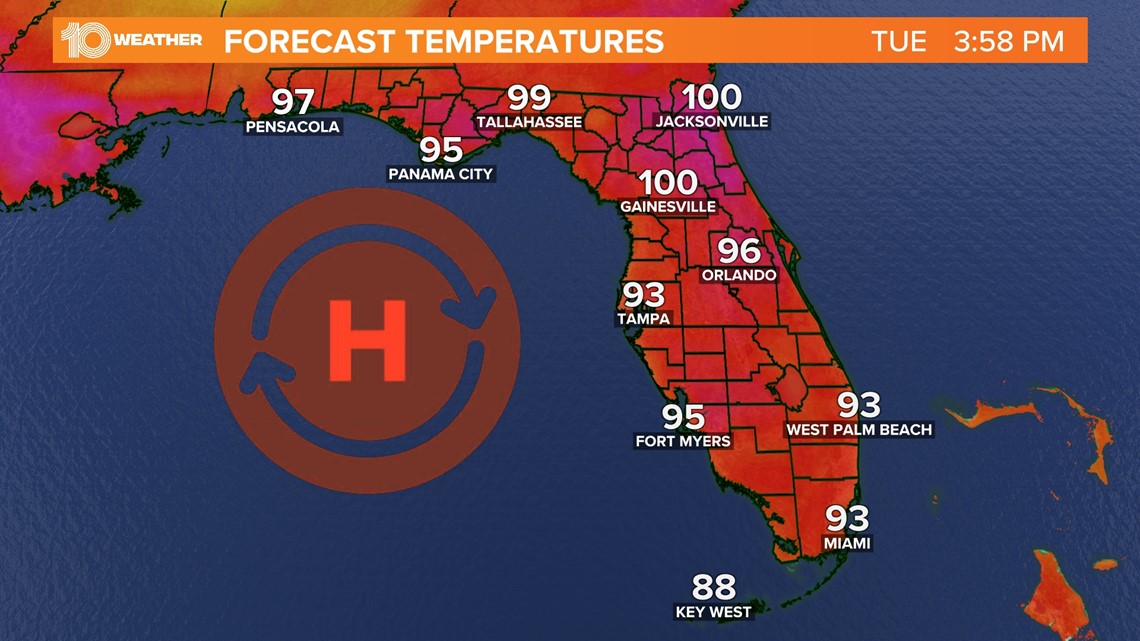
Summers in Florida are undeniably hot and humid. This is when the state experiences its highest temperatures, often reaching the high 80s and low 90s Fahrenheit (around 31-33°C) inland, and slightly cooler along the coasts due to sea breezes. The humidity can make these temperatures feel even more intense, with heat index values frequently exceeding 100°F (38°C). Thunderstorms are a daily occurrence, typically forming in the afternoon and providing a brief, but often dramatic, respite from the heat. This season is perfect for water-based activities like visiting Walt Disney World Resort or relaxing on the beaches of Miami.
Key Summer Characteristics:
- Average High Temperatures: 88-93°F (31-34°C)
- Average Low Temperatures: 70-75°F (21-24°C)
- Humidity: High, often leading to heat index values well above actual temperature.
- Rainfall: Frequent afternoon thunderstorms are common.
Autumn (September – November): A Transition to Pleasantness
As summer transitions into autumn, Florida begins to experience a welcome cooling trend. While September can still feel quite warm and humid, by October and November, temperatures become much more comfortable. The humidity starts to decrease, and the oppressive heat of summer gives way to pleasant, sunny days. This is often considered one of the best times to visit Florida, with average temperatures in the 70s and 80s Fahrenheit (21-27°C). The hurricane season officially ends on November 30th, though late-season storms are not impossible. This season is ideal for exploring outdoor attractions like Everglades National Park or enjoying the theme parks without the intense summer heat.
Key Autumn Characteristics:
- Average High Temperatures: 75-85°F (24-29°C)
- Average Low Temperatures: 60-70°F (16-21°C)
- Humidity: Gradually decreasing.
- Rainfall: Decreases significantly compared to summer.
Winter (December – February): The “Cool” Season
Florida’s winters are famously mild, especially when compared to much of the rest of the United States. While “winter” might conjure images of snow and ice for some, Florida’s experience is vastly different. Northern Florida can experience cooler temperatures, with average highs in the 60s Fahrenheit (15-20°C) and lows dipping into the 40s and 50s (4-15°C). Frost is possible in the northernmost regions, but prolonged freezing temperatures are rare. South Florida, however, remains delightfully warm, with average highs in the 70s Fahrenheit (21-26°C) and lows rarely falling below the 60s (15-20°C). This makes it an ideal time for snowbirds to flock to the state and for visitors to enjoy outdoor activities like golfing or visiting the beaches of Clearwater without the scorching heat.
Key Winter Characteristics:
- Average High Temperatures: 65-75°F (18-24°C) (varies by region)
- Average Low Temperatures: 45-65°F (7-18°C) (varies by region)
- Humidity: Low.
- Rainfall: Generally the driest season.
Spring (March – May): A Gradual Return to Warmth
Spring in Florida is a period of transition, as the state gradually warms up after the mild winter. March and April offer some of the most pleasant weather of the year, with temperatures in the 70s and 80s Fahrenheit (21-27°C) and lower humidity levels. As May approaches, temperatures begin to climb, and humidity starts to increase, foreshadowing the onset of summer. This season is perfect for exploring the natural beauty of the state, visiting attractions like Siesta Key Beach, or enjoying the vibrant city life of Tampa.
Key Spring Characteristics:
- Average High Temperatures: 75-85°F (24-29°C)
- Average Low Temperatures: 55-70°F (13-21°C)
- Humidity: Increasing as the season progresses.
- Rainfall: Begins to increase, especially towards May.
Regional Temperature Differences: From Panhandle to the Keys
Florida’s elongated shape means that temperature variations are noticeable when traveling from north to south.
The Florida Panhandle and Northern Florida
The region stretching from Pensacola to the Georgia border, often referred to as the Panhandle, experiences the most temperate climate in Florida. Winters here are cooler, with average January temperatures around 50-55°F (10-13°C). Summers are warm and humid, similar to the rest of the state, with average July temperatures in the mid-80s F (around 29°C). This region can experience occasional cold snaps and is more prone to seeing frost during winter months.
Central Florida
Central Florida, home to the bustling theme park capital of Orlando and its surrounding areas, enjoys a classic subtropical climate. Summers are hot and humid, with temperatures frequently in the high 80s to low 90s F (31-33°C). Winters are mild, with average January temperatures around 60°F (15.5°C). Snow is extremely rare, though cold fronts can bring brief periods of cooler weather.
South Florida and the Keys
South Florida, including the vibrant metropolises of Miami and Fort Lauderdale, and extending down to the tropical paradise of the Florida Keys, is the warmest part of the state. Here, the climate leans towards tropical, with very mild winters and hot, humid summers. Average January temperatures hover around 70°F (21°C), making it an ideal winter escape. Summers are long and oppressively hot and humid, with temperatures consistently in the high 80s and low 90s F (31-33°C). The Keys, being the southernmost point, experience the most consistently warm temperatures throughout the year, with minimal temperature variation between seasons.
Planning Your Florida Trip: Temperature Considerations
When planning your visit to the Sunshine State, consider the time of year and the specific region you intend to explore.
For Summer Fun and Water Adventures
If your primary goal is to enjoy beaches, water parks, and the lively atmosphere of summer, then June, July, and August are your months. Be prepared for high temperatures, intense humidity, and frequent rain showers. Staying hydrated, seeking shade, and planning indoor activities or water-based excursions for the hottest parts of the day are essential. Consider accommodations with good air conditioning, such as a luxury resort like the Ritz-Carlton, Naples or a family-friendly villa.
For Pleasant Exploration and Outdoor Activities
If you prefer milder temperatures for exploring attractions like Busch Gardens Tampa Bay or the historic streets of St. Augustine, then spring (March-May) and autumn (September-November) are ideal. These shoulder seasons offer comfortable warmth without the extreme humidity of summer. You’ll find a wider range of accommodation options, from boutique hotels in charming towns to spacious apartments for longer stays, often at more competitive prices than during peak summer or winter seasons.
For a Warm Winter Escape
If you’re looking to escape cold weather and enjoy sunshine and warmth during the winter months, then December through February is your best bet. The southern half of Florida, including areas like Naples and the Florida Keys, offers consistently pleasant temperatures. This is a popular time for tourists, so booking accommodations and attractions in advance is highly recommended. Consider a beachfront suite at the Fontainebleau Miami Beach for an unforgettable winter getaway.
Budget Travel Considerations
While Florida is warm year-round, prices for flights and accommodations fluctuate. The shoulder seasons (spring and fall) often offer a good balance of pleasant weather and more affordable travel options. Summer can be more budget-friendly in some regions, especially for longer stays in vacation rentals, but be prepared for the heat. Winter is peak season for many areas, particularly South Florida, leading to higher prices.
Ultimately, Florida’s warmth is a constant, albeit varying, invitation to enjoy its diverse landscapes, vibrant culture, and endless recreational opportunities. By understanding the nuances of its climate and regional differences, you can better plan your trip to ensure you experience the Sunshine State at its most enjoyable.