
The Hawaii Islands, a captivating archipelago in the heart of the Pacific Ocean, are renowned for their breathtaking landscapes, vibrant culture, and unique natural wonders. From the lush rainforests and cascading waterfalls to the dramatic volcanic peaks and pristine beaches, each island offers a distinct experience for every traveler. But how did these paradisiacal islands come to be? The formation of Hawaii is a tale of immense geological power, a slow dance of tectonic plates, and the fiery birth of volcanoes beneath the sea.
The Fiery Genesis: A Hotspot Beneath the Pacific
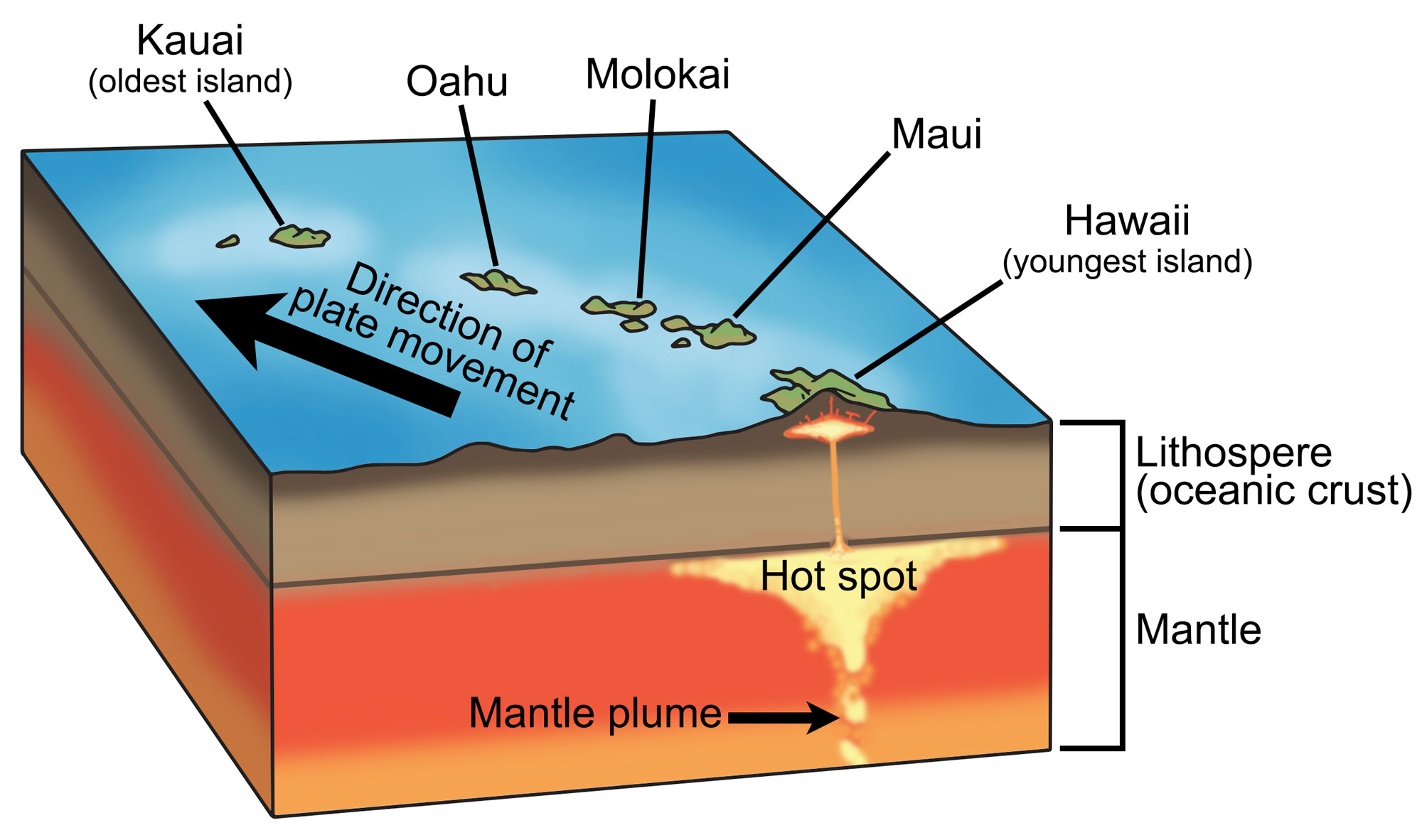
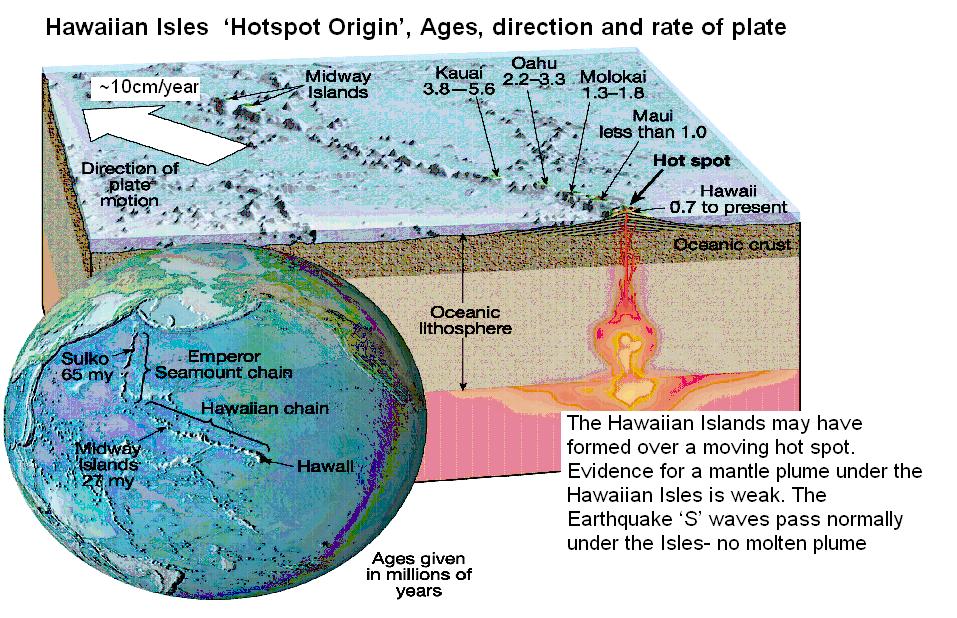
The Hawaii Islands owe their existence to a geological phenomenon known as a “hotspot.” Unlike islands formed along the edges of tectonic plates where they collide or pull apart, Hawaii is situated in the middle of the Pacific Plate. This plate is constantly moving, drifting slowly northwestward over a stationary plume of molten rock deep within the Earth’s mantle.

The Mantle Plume: Earth’s Internal Furnace
Imagine a colossal, superheated plume of magma rising from deep within the Earth. This is the Pacific hotspot, a persistent anomaly that has been steadily melting the overlying Pacific Plate for millions of years. As the Pacific Plate moves, this hotspot remains in a relatively fixed position. The constant upward pressure from this plume punches through the oceanic crust, erupting as lava and gradually building up new landmass.
A Chain of Islands: The March of the Plate
The Pacific Plate is a massive tectonic plate that covers a significant portion of the Pacific Ocean floor. Its slow but relentless movement is the key to understanding the linear arrangement of the Hawaii Islands. As the plate drifts northwest, the hotspot continues to erupt, creating new volcanoes. Over time, these volcanoes become inactive and are carried away from the hotspot by the plate’s motion, while new volcanoes form over the stationary plume.
This process has resulted in the formation of a long chain of islands and seamounts, with the youngest and most volcanically active islands in the southeast and the oldest and most eroded islands in the northwest. Hawaii‘s youngest island, the Big Island of Hawaii, is still actively growing, with ongoing eruptions from Kilauea volcano. To the northwest, islands like Kauai and Niihau are much older, their volcanic origins long dormant, their landscapes shaped by erosion and the passage of time.
From Underwater Volcanoes to Island Paradises
The initial stages of Hawaii‘s formation occurred entirely beneath the ocean’s surface. Over vast periods, repeated eruptions from the hotspot built massive underwater volcanoes. These seamounts, as they are called, grew taller and taller, their summits eventually breaching the surface of the Pacific Ocean.
The Birth of an Island: Shield Volcanoes Erupt
The volcanoes that form the Hawaii Islands are primarily shield volcanoes. These are characterized by their broad, gently sloping sides, formed by the eruption of fluid, basaltic lava. Unlike the explosive eruptions of stratovolcanoes, shield volcanoes tend to produce effusive eruptions, where lava flows relatively smoothly. This type of eruption allows the lava to spread out, building up the characteristic shield shape over thousands of years.
The Big Island of Hawaii is a prime example of this ongoing volcanic activity. It is actually composed of five distinct volcanoes: Kohala, Mauna Kea, Hualalai, Mauna Loa, and Kilauea. Of these, Mauna Loa and Kilauea are still considered active. Kilauea, in particular, has been erupting almost continuously for decades, adding new land to the island and showcasing the raw power of its creation. Mauna Loa is the largest volcano on Earth by volume and mass, another testament to the immense geological forces at play.
The Erosion and Aging of Islands
As the islands are carried away from the hotspot by the Pacific Plate, their volcanic activity ceases. Without the continuous supply of fresh lava, these older islands begin to be sculpted by the forces of erosion. Rainfall, wind, and ocean waves gradually wear down the volcanic peaks, carving out valleys, shaping coastlines, and eventually leading to the submergence of the landmass back into the ocean.
This process explains why the northwestern islands, such as Kauai, the “Garden Isle,” are so lush and verdant. Their volcanic structures are older, and while volcanic activity has long since ended, they have had millions of years for tropical vegetation to take hold and for erosion to create dramatic canyons like the Waimea Canyon, often referred to as the “Grand Canyon of the Pacific.” Kauai’s towering cliffs and deep valleys are a beautiful testament to the erosive power of nature acting upon ancient volcanic forms.
Experiencing the Volcanic Legacy
Today, the geological story of Hawaii is not just a scientific curiosity; it’s an integral part of the visitor experience. Tourists flock to Hawaii to witness firsthand the ongoing creation and erosion of these islands, offering unparalleled travel opportunities.
Landmarks of Fire and Water
The Hawaii Islands are dotted with incredible landmarks that showcase their volcanic origins and subsequent transformation. On the Big Island of Hawaii, Hawaii Volcanoes National Park is a must-visit destination. Here, visitors can witness the raw power of Kilauea and explore the dramatic volcanic landscapes. The park offers opportunities to hike through lava tubes, see steam vents, and, when conditions permit, observe active lava flows. The Chain of Craters Road within the park provides stunning views of the volcanic terrain and the coastline where lava has met the sea.
Another iconic landmark is Diamond Head, a tuff cone crater on the island of Oahu. While not actively volcanic, its formation is a direct result of past volcanic activity. Hiking to the summit of Diamond Head rewards visitors with panoramic views of Waikiki and the surrounding coastline, offering a different perspective on the islands’ geological past.
Natural Wonders and Activities
The volcanic soils of Hawaii contribute to its incredibly fertile environment, supporting lush rainforests, diverse flora, and unique fauna. The varied topography, from the rugged volcanic fields to the gentle slopes of dormant volcanoes, creates a range of activities for every type of traveler. Hiking, surfing, snorkeling, and exploring waterfalls are popular ways to experience the natural beauty.
For those interested in luxury travel, resorts in Hawaii often incorporate the islands’ natural beauty into their design and amenities, offering breathtaking ocean views and access to volcanic landscapes. Budget travelers can find more affordable accommodation options and explore the islands’ public parks and beaches, which are often accessible and offer incredible scenic beauty. The lifestyle of Hawaii is deeply intertwined with its natural environment, a direct legacy of its volcanic formation.
Planning Your Hawaiian Adventure
Understanding how the Hawaii Islands were formed enriches any visit, offering a deeper appreciation for the natural wonders you encounter. Whether you’re planning a family trip to explore volcanic craters or a romantic getaway to a secluded resort, the islands’ geological story is a fascinating backdrop to your travel experience.
When choosing your accommodation, consider the island’s geological history. Islands like the Big Island of Hawaii offer opportunities to witness active volcanism, while islands like Maui and Kauai showcase the beauty of older, more eroded volcanic landscapes. Hotels and resorts across the archipelago often provide guided tours and excursions that delve into the islands’ geology, history, and natural ecosystems, offering a truly immersive experience.
The tourism industry in Hawaii thrives on showcasing these unique geological features. From the black sand beaches formed by volcanic rock to the vibrant coral reefs that flourish in the nutrient-rich waters surrounding the islands, the legacy of the hotspot continues to shape the Hawaiiian experience. So, as you plan your trip to this extraordinary destination, remember the fiery origins beneath the Pacific, a story of creation that continues to unfold, shaping one of the world’s most beloved archipelagos.
LifeOutOfTheBox is a participant in the Amazon Services LLC Associates Program, an affiliate advertising program designed to provide a means for sites to earn advertising fees by advertising and linking to Amazon.com. Amazon, the Amazon logo, AmazonSupply, and the AmazonSupply logo are trademarks of Amazon.com, Inc. or its affiliates. As an Amazon Associate we earn affiliate commissions from qualifying purchases.