
The Hawaiian Islands are a geological marvel, a breathtaking archipelago that rises majestically from the vast expanse of the Pacific Ocean. Their very existence is a testament to the immense power and artistry of our planet’s internal processes. While many visitors to Hawaii are drawn to its pristine beaches, vibrant coral reefs, and lush rainforests, few may ponder the incredible journey these islands took to materialize. Understanding their formation not only deepens our appreciation for these paradisiacal destinations but also provides a captivating glimpse into the dynamic nature of Earth. From the iconic surf breaks of Maui to the volcanic grandeur of the Big Island, each island tells a unique story of fiery beginnings and gradual transformation. This journey from the ocean floor to a tropical paradise is a fascinating saga rooted in deep geological time.

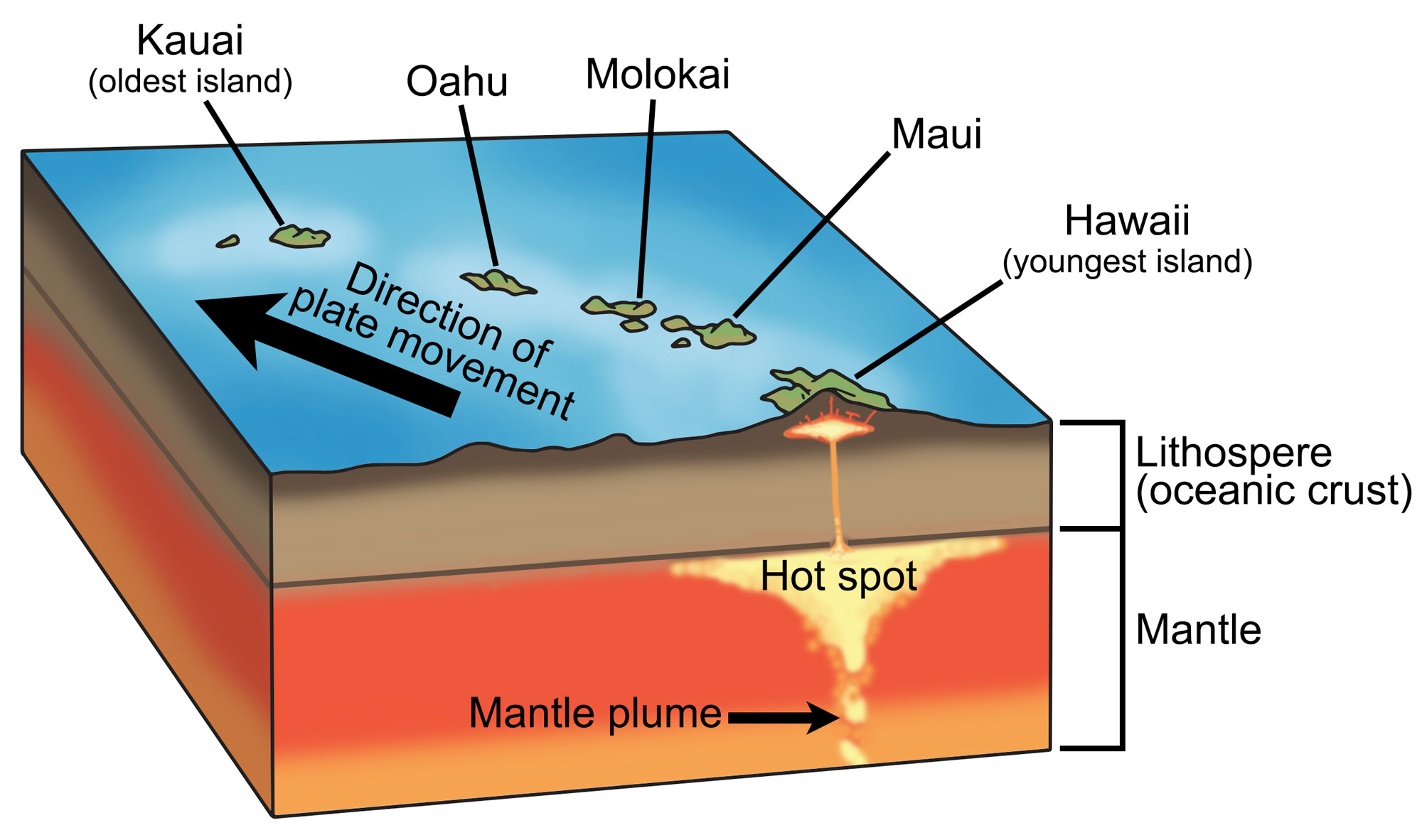
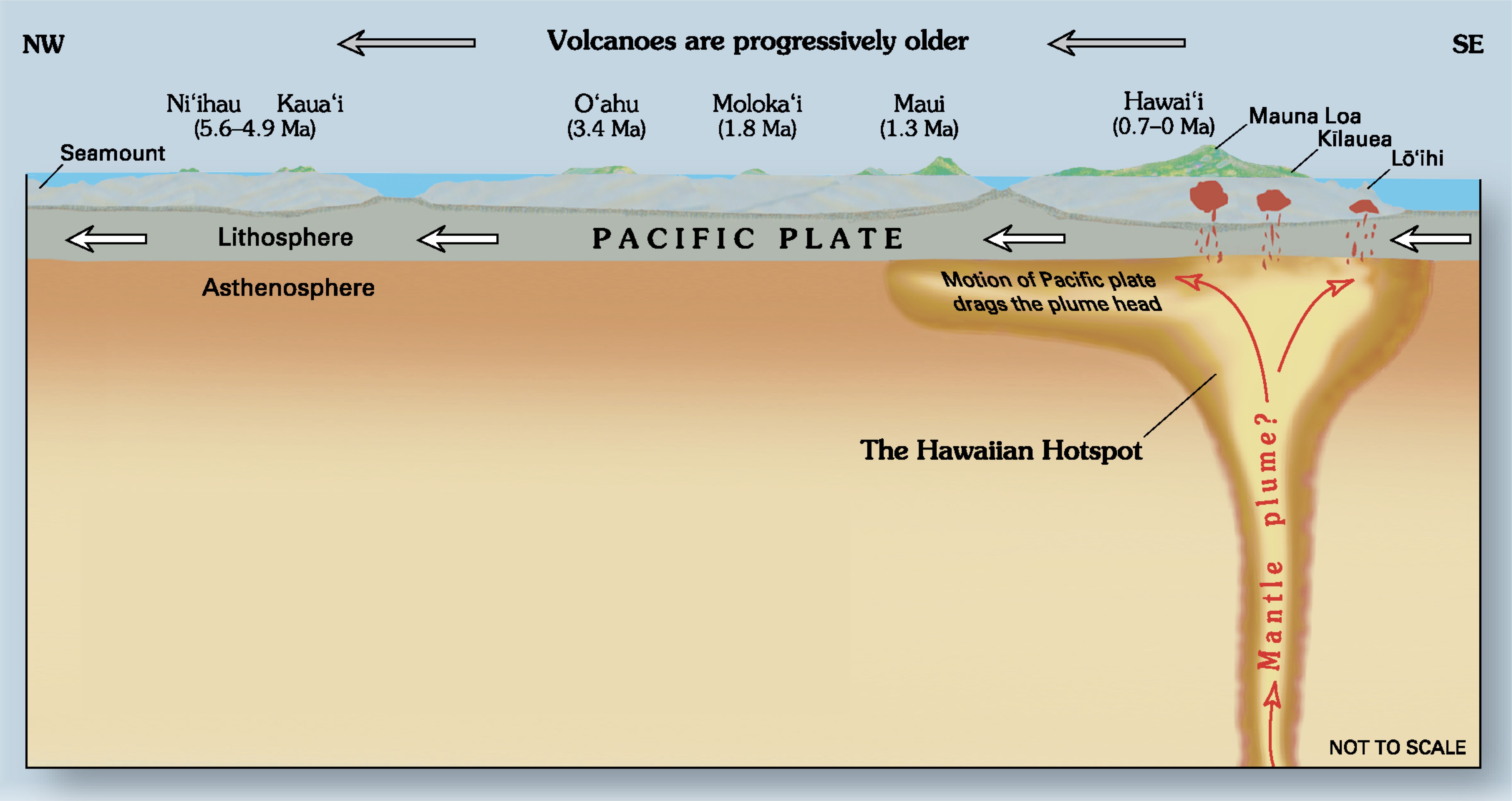
The Hawaiian archipelago is not a product of tectonic plate collision, as is the case with many mountain ranges and volcanic arcs around the world. Instead, it is formed by a phenomenon known as a hotspot. Imagine a plume of superheated rock, originating deep within the Earth’s mantle, rising towards the surface. As this plume breaches the crust, it melts the rock above, creating magma. This magma then erupts onto the ocean floor, building up layer upon layer over vast stretches of time. The Pacific Plate, one of the largest tectonic plates on Earth, is in constant motion, slowly drifting northwestward over this stationary hotspot.
The Birth of the Islands: A Fiery Origin
The formation of the Hawaiian Islands is a continuous process, with new land being created at the southeastern end of the chain, currently the Island of Hawaii (often referred to as the Big Island). This is where the hotspot is most active, feeding the colossal volcanoes that define this island.
The Volcanic Genesis
At the heart of this geological spectacle are the active volcanoes of the Island of Hawaii. Kīlauea, one of the world’s most active volcanoes, and Mauna Loa, the largest volcano on Earth by volume, are the primary architects of this landmass. These shield volcanoes are characterized by their broad, gently sloping sides, formed by the effusive eruption of fluid basaltic lava.
Mauna Loa: A Gentle Giant
Mauna Loa‘s immense size is a direct result of its persistent eruptive history over hundreds of thousands of years. Its lava flows, while extensive, are typically less explosive than those of stratovolcanoes. This gentle, effusive nature allows the lava to travel significant distances, gradually building the volcano’s massive base on the ocean floor. When viewed from afar, Mauna Loa appears as a broad, majestic dome, a testament to countless eruptions that have ascended from the depths. Its summit caldera, Mokuʻāweoweo, is a dramatic testament to past volcanic activity, a vast depression that can be seen from orbit. The sheer scale of Mauna Loa is awe-inspiring, reminding us of the immense forces at play beneath our feet.
Kīlauea: The Ever-Erupting Volcano
In contrast to the sheer mass of Mauna Loa, Kīlauea is known for its almost constant state of eruption. For decades, its summit caldera and rift zones have been a source of dramatic lava flows, captivating scientists and visitors alike. The dramatic events at Kīlauea, including the infamous 2018 eruption that reshaped the southeastern coastline, highlight the dynamic and sometimes destructive power of volcanic activity. The creation of new land and the constant reshaping of the landscape are hallmarks of Kīlauea‘s ongoing geological narrative. Visiting Hawaiʻi Volcanoes National Park offers a unique opportunity to witness these ongoing geological processes firsthand, a truly unforgettable experience that connects visitors to the primal forces of our planet.
The Northwestward Drift: A Trail of Islands
As the Pacific Plate drifts, the hotspot remains relatively stationary. This movement means that the volcanoes that were once active over the hotspot are carried away, becoming extinct and eroding over time. This continuous process creates a chain of islands, with the youngest and most volcanically active to the southeast, and the oldest and most eroded to the northwest.
The Chain Reaction of Island Formation
The Hawaiian Islands form a distinct chain, stretching for over 1,500 miles. The oldest islands in the chain, located in the Northwestern Hawaiian Islands, are heavily eroded and submerged, remnants of ancient volcanoes that were once as grand as their younger counterparts. These islands, though largely uninhabited and submerged, represent crucial marine sanctuaries and offer vital insights into the geological history of the Pacific.
Emulating the Past: Older Islands
The islands further northwest, such as Kauaʻi and Niʻihau, are much older than the Big Island or Maui. Kauaʻi, often called the “Garden Isle,” boasts dramatic sea cliffs like the Nā Pali Coast and the grand Waimea Canyon, sculpted by millions of years of erosion from wind and rain. These features are evidence of the prolonged exposure of these islands to the elements after they moved away from the hotspot‘s influence. The absence of active volcanism on these older islands means that their landscapes are dominated by the forces of erosion, creating a different but equally stunning kind of natural beauty. These islands serve as a glimpse into the future of the southeastern islands, showcasing the eventual fate of all volcanic islands as they age and wear away.
The Youngest Frontier: The Big Island and Beyond
The Island of Hawaii, or Big Island, is the youngest island in the chain, and the most geologically active. Its formation is still very much in progress, with ongoing eruptions from Kīlauea and Mauna Loa continuously adding new land to the island’s southeastern coast. This dynamic process is a stark contrast to the weathered landscapes of the older islands. The existence of the Lōʻihi Seamount, an active submarine volcano located southeast of the Big Island, is a clear indication that the chain is still growing and that new islands will eventually rise from the sea in the distant future, continuing the cycle of creation. This foresight into future island formation highlights the perpetual nature of geological change in this part of the Pacific.
Understanding Hawaii Through a Geological Lens
The formation of the Hawaiian Islands is a fascinating scientific narrative that directly impacts the unique environment, attractions, and experiences found across the archipelago. From the rugged volcanic landscapes that draw adventure seekers to the fertile lands that support rich agriculture and local cuisine, geology is intrinsically woven into the fabric of Hawaiian life and tourism.
Nature’s Grand Design: Influences on Landscape and Biodiversity
The volcanic origins of Hawaii have profoundly shaped its diverse ecosystems and breathtaking natural landmarks. The fertile volcanic soil supports lush vegetation, creating a vibrant rainforest that is home to a unique array of endemic species. These endemic species, having evolved in isolation on these islands, are found nowhere else on Earth.
The Dramatic Landscapes of Volcanic Activity
The dramatic geological processes that create and shape the Hawaiian Islands have resulted in some of the world’s most awe-inspiring natural wonders. Volcanoes National Park on the Big Island allows visitors to walk through lava tubes, witness steam vents, and even observe active lava flows (when conditions permit). The stark, often monochromatic beauty of lava fields contrasts sharply with the verdant slopes of older islands. Haleakalā National Park on Maui offers a different volcanic spectacle, with its dormant volcano providing a surreal lunar-like landscape at its summit, particularly breathtaking at sunrise. The sheer scale of these volcanic formations, from the towering peaks to the expansive calderas, is a constant reminder of the powerful geological forces at play.
Biodiversity and Endemism: A Unique Evolutionary Story
The isolation of the Hawaiian Islands has led to an extraordinary level of endemism, meaning that many of its plant and animal species are found nowhere else on Earth. This biodiversity is a direct consequence of its formation over millions of years, with species arriving by chance (e.g., by wind or ocean currents) and then evolving in isolation. The lush rainforests, the vibrant coral reefs teeming with marine life, and the unique bird species are all products of this long, isolated evolutionary journey. Conservation efforts are crucial to protect these fragile ecosystems, ensuring that the unique natural heritage of Hawaii is preserved for future generations. This unique biological tapestry is as much a part of Hawaii‘s allure as its volcanic origins.
The Human Connection: Culture, Tourism, and Lifestyle
The geological story of Hawaii is not just a scientific curiosity; it is deeply intertwined with the islands’ human history, culture, and modern-day tourism. The availability of fertile land for agriculture, the unique geological features that attract visitors, and the resources provided by the ocean all owe their existence to the volcanic processes that formed these islands.
Shaping the Hawaiian Culture
The Native Hawaiian people have lived in harmony with the powerful forces of nature for centuries, developing a deep spiritual connection to the land and sea. Their culture, mythology, and traditional practices are intimately linked to the volcanoes, the ocean, and the abundant natural resources that the islands provide. Legends of the fire goddess Pele are a powerful expression of this connection, symbolizing the awe and respect the people have for the volcanic power that shaped their home. Understanding the geological formation of Hawaii provides a deeper context for appreciating the resilience, ingenuity, and profound cultural heritage of the Hawaiian people.
A Global Tourism Magnet: Landmarks and Experiences
The dramatic and diverse landscapes born from volcanic activity are a primary draw for millions of tourists each year. From the black sand beaches created by volcanic rock to the towering cliffs and lush valleys, the geological formations provide an unparalleled backdrop for exploration and adventure. Visitors flock to witness the active volcanoes, hike through lava fields, snorkel in crystal-clear waters near volcanic coastlines, and marvel at the sheer scale of mountains that rise from the sea. The allure of these natural wonders, a direct result of the islands’ formation, makes Hawaii a premier destination for unforgettable travel experiences. Whether seeking luxury resorts with breathtaking ocean views or rugged adventures in the heart of volcanic terrain, the geological story of Hawaii provides the canvas for a truly remarkable lifestyle and travel experience. The infrastructure of accommodation and tourism is built around showcasing these incredible natural assets, from charming inns on the Island of Maui to expansive resorts on the Island of Hawaii.
In conclusion, the Hawaiian Islands are a dynamic testament to the power of Earth‘s internal heat and the slow, relentless movement of tectonic plates. Their fiery birth over a hotspot, followed by the gradual drift that created a stunning chain of islands, is a geological saga that continues to unfold. This ongoing process not only shapes the land but also imbues Hawaii with its unique character, from its awe-inspiring landscapes and rich biodiversity to its vibrant culture and enduring appeal as a global tourism destination. Understanding how these islands were formed allows us to appreciate them not just as a tropical paradise, but as a living, breathing geological wonder.
LifeOutOfTheBox is a participant in the Amazon Services LLC Associates Program, an affiliate advertising program designed to provide a means for sites to earn advertising fees by advertising and linking to Amazon.com. Amazon, the Amazon logo, AmazonSupply, and the AmazonSupply logo are trademarks of Amazon.com, Inc. or its affiliates. As an Amazon Associate we earn affiliate commissions from qualifying purchases.