
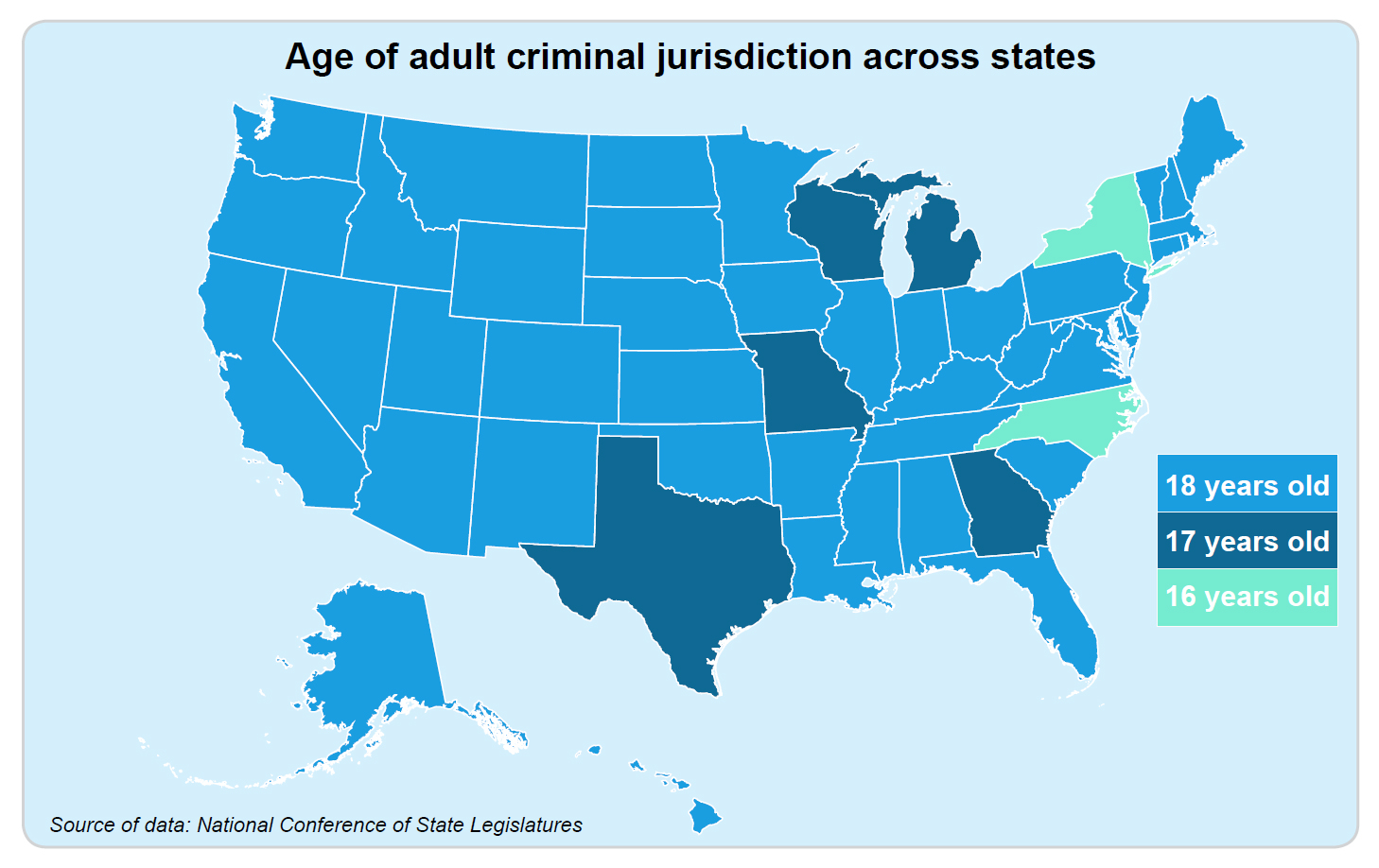
The question of legal adulthood is one that often surfaces when planning travel, particularly for younger individuals or families with teenagers. In the vast and diverse state of Texas, the answer to “Is 17 an adult?” isn’t as straightforward as a simple yes or no. While Texas law generally defines adulthood at 18, there are several nuances and specific situations where a 17-year-old might be considered to have adult rights and responsibilities, especially concerning travel, accommodation, and certain lifestyle choices. This article delves into the legal framework surrounding age of majority in Texas and how it impacts a 17-year-old’s experiences, from booking a hotel room to exploring the unique attractions of the Lone Star State.
Understanding Legal Adulthood in Texas
The cornerstone of legal adulthood in most of the United States, including Texas, is the age of 18. Upon reaching their 18th birthday, individuals are legally recognized as adults. This means they gain the right to vote, enter into contracts, serve on juries, and make independent legal decisions. For a 17-year-old, however, many of these rights are still restricted. They are legally considered minors and, as such, require parental consent for certain actions. This distinction is crucial when considering activities like renting a car, signing legal agreements, or even, in some cases, making reservations at hotels.
The Nuances of Emancipation
While 18 is the general age of majority, Texas law does provide a pathway for minors to become legally emancipated before their 18th birthday. Emancipation is a legal process that grants a minor adult rights and responsibilities. To be emancipated in Texas, a minor must petition a court and prove they are capable of managing their own financial and personal affairs and that emancipation is in their best interest. This typically requires demonstrating financial independence, stable housing, and maturity.
If a 17-year-old is successfully emancipated in Texas, they would then legally be considered an adult. This would allow them to enter into contracts, including hotel bookings and rental car agreements, without parental consent. However, emancipation is not a common occurrence and requires a significant legal undertaking. Therefore, for the vast majority of 17-year-olds in Texas, the general rules regarding minority status apply.
Implications for Travel and Accommodation in Texas
The distinction between being a minor and an adult in Texas has direct implications for travel and accommodation. When planning a trip to explore the vibrant culture of Texas, from the bustling streets of Dallas to the historic charm of San Antonio, or the sprawling landscapes of West Texas, understanding these regulations is key.
Hotel Policies and Age Restrictions
Many hotels, resorts, and other accommodation providers have their own internal policies regarding the minimum age for booking a room. These policies are often in place for liability reasons, to prevent underage individuals from renting rooms where alcohol might be consumed or other adult activities might take place. Even though a 17-year-old is not legally an adult in Texas, many hotel chains and independent establishments will require guests to be at least 18, and sometimes even 21, to check in and rent a room.
This means that a 17-year-old traveling with friends might encounter difficulties booking a hotel independently. They will likely need an adult, typically a parent or guardian, to make the reservation and be present at check-in. This is a common practice across the United States, and Texas is no exception. The Grand Hyatt Hotel in San Antonio, for example, along with other major hotel brands like Marriott or Hilton, will almost certainly have policies requiring guests to be 18 or older, and often 21, to book a room. The specific age requirement can vary from one establishment to another, so it’s always advisable to check the hotel’s policy in advance.
Even if a 17-year-old is traveling with adults, such as on a family trip to visit landmarks like the Alamo in San Antonio or the Space Center Houston, they may still need to be accompanied by an adult over the age of 18 or 21 to be listed on the reservation and to check in. This is to ensure that a responsible adult is present and accountable for the stay.
Considering Alternative Accommodation
For 17-year-olds planning a trip, understanding these hotel policies is paramount. If they are traveling without an adult who meets the age requirement, they may need to explore alternative accommodation options. This could include staying with relatives who are legal adults, booking through a platform that allows for minors to be listed as occupants if an adult is the primary booker, or, in some limited circumstances, seeking out lodging with more relaxed age policies. However, it’s important to note that even with more relaxed policies, hotels often have an inherent expectation of adult responsibility.
When planning a family vacation to Texas, whether it’s a luxury getaway to a resort in Austin or a budget-friendly stay in a suite in Houston, understanding the age requirements for booking is essential for a smooth experience. This is particularly true if the younger members of the family are approaching or at the age of 17.

Car Rentals and Driving
The ability to rent a vehicle is another area where the legal age in Texas is significant. Generally, to rent a car from companies like Hertz, Avis, or Enterprise, drivers must be at least 21 years old, and often 25, with additional fees for younger drivers (typically between 21 and 24). A 17-year-old, not being an adult and not having a full driver’s license in many cases, would not be able to rent a car in Texas or most other states. They would need to be accompanied by an adult who meets the rental company’s age and licensing requirements.
The same applies to activities that might involve renting equipment or participating in certain excursions. While a 17-year-old can obtain a learner’s permit and eventually a provisional driver’s license in Texas at certain ages, these do not grant them the legal standing to enter into contracts like rental agreements.
Lifestyle and Personal Choices for 17-Year-Olds in Texas
Beyond travel and accommodation, the distinction of being a minor in Texas affects various lifestyle choices. While a 17-year-old can certainly enjoy many of the freedoms associated with growing up, certain legal restrictions remain.
Contracts and Financial Independence
As minors, 17-year-olds in Texas generally cannot enter into legally binding contracts. This means they cannot sign leases for apartments, take out loans, or agree to significant service agreements on their own. While they can open bank accounts, these are often supervised by an adult. This limitation is a key differentiator between being 17 and legally being an adult at 18.
This has implications for long-term stays or independent living arrangements. While a younger person might dream of their own apartment in Austin or a shared house near the University of Texas, the legal framework typically requires an adult to co-sign or be the primary leaseholder.
Purchasing Certain Goods and Services
Texas law, like many others, restricts the purchase of certain items and services to individuals aged 18 and above. This includes, but is not limited to, tobacco products, alcoholic beverages, and in some cases, entry into age-restricted venues or events. While a 17-year-old can attend many tourist attractions and cultural events, their access to establishments that serve alcohol or have specific age verifications will be limited. This is a standard consideration for families planning trips to explore Texas‘s diverse offerings, from the culinary scene in Houston to the live music venues in Austin.
Legal Rights and Responsibilities
As minors, 17-year-olds in Texas are subject to laws that protect them, but also limit their autonomy. They cannot vote, serve on a jury, or be held fully responsible for criminal acts in the same way an adult would be. However, they can be tried as adults for certain serious offenses.

The Transition to Adulthood
The age of 17 in Texas represents a significant transitional period. While not legally an adult, many 17-year-olds are on the cusp of making major life decisions, such as graduating from high school, entering college, or starting their careers. The legal framework acknowledges this developmental stage, providing some freedoms while maintaining protections.
The ability to drive, engage in part-time employment, and participate in extracurricular activities are all common for 17-year-olds. They can explore many aspects of Texas life, from visiting the historic San Jacinto Monument to enjoying the natural beauty of Big Bend National Park, often with parental guidance and consent for activities that fall outside the scope of minor permissions.
In conclusion, while a 17-year-old is not legally an adult in Texas, their experience is often a blend of minor protections and emerging adult freedoms. Understanding these distinctions is vital for planning travel, accommodation, and navigating the lifestyle choices available in the Lone Star State. The key takeaway is that for most practical purposes involving legal contracts and independent actions, the age of 18 remains the benchmark for adulthood in Texas.
LifeOutOfTheBox is a participant in the Amazon Services LLC Associates Program, an affiliate advertising program designed to provide a means for sites to earn advertising fees by advertising and linking to Amazon.com. Amazon, the Amazon logo, AmazonSupply, and the AmazonSupply logo are trademarks of Amazon.com, Inc. or its affiliates. As an Amazon Associate we earn affiliate commissions from qualifying purchases.