
Embarking on a journey, whether it’s a family vacation, a solo adventure, or a group trip with friends, often brings up a myriad of questions, especially when navigating different legal landscapes. For those planning to visit or reside in Texas, and particularly for travelers aged 17, understanding the legal definition of a minor is crucial. Texas, like many states in the United States, has specific laws that determine who is considered a minor and what rights and restrictions apply to them. This directly impacts everything from booking accommodation and participating in local activities to signing contracts or even facing legal consequences.

When we talk about travel and lifestyle, the age of majority becomes a central theme. A 17-year-old is often in that liminal space between childhood and full adulthood, with a growing desire for independence and exploration. This article will delve into the legal framework surrounding 17-year-olds in Texas, exploring how their status as a minor affects their ability to travel, stay in hotels, enjoy tourism experiences, and generally navigate the vibrant culture of the Lone Star State. We’ll also provide insights for parents, guardians, and the 17-year-olds themselves, ensuring a smooth and informed experience.
The Legal Landscape: Defining a Minor in Texas
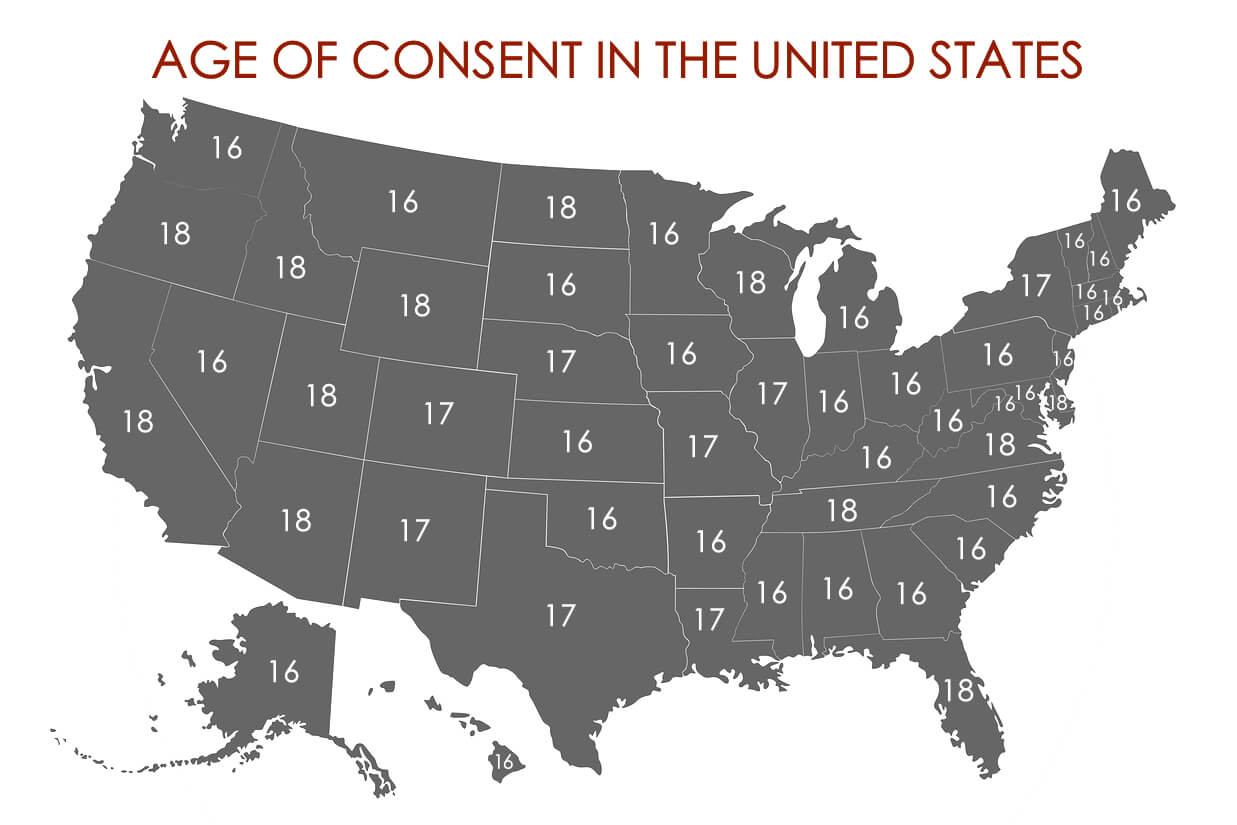
In Texas, the age of majority is generally 18 years old. This means that, for most legal purposes, a 17-year-old is indeed considered a minor. This classification carries significant implications, particularly regarding contracts, legal responsibility, and various age-restricted activities. Understanding these fundamental definitions is the first step in planning any trip or long-term stay in the state.
General Legal Standing and the Age of Majority
The concept of the “age of majority” is fundamental in law, marking the transition from childhood to adulthood, at which point an individual gains full legal rights and responsibilities. In Texas, this age is primarily set at 18. Before reaching this milestone, individuals are generally referred to as minors, and their legal affairs are often managed by parents or legal guardians. This includes the inability to legally enter into most contracts, such as leases, loans, or even independently booking certain services.
For a 17-year-old, this means they cannot, on their own, sign a lease for an apartment, take out a car loan, or be held fully responsible for certain legal actions as an adult would. While they may appear mature and capable, the law typically views them as needing parental consent and supervision for significant decisions. This protective legal framework is designed to safeguard minors from exploitation and ensure their well-being until they are deemed fully capable of making independent adult decisions. From a travel perspective, this immediately raises questions about independent bookings and liability, which we will explore further.
Exceptions and Emancipation
While 18 is the standard age of majority, Texas law does recognize certain exceptions where a minor, including a 17-year-old, can achieve a more adult legal status. The most significant of these is emancipation. Judicial emancipation allows a minor to be recognized as an adult for legal purposes before reaching the age of 18. To be emancipated, a minor typically must meet specific criteria, such as being at least 16 years old, proving they can manage their own financial affairs, and demonstrating that emancipation is in their best interest. This is a court-ordered process and is not granted lightly.
Other, more specific exceptions exist. For instance, a 17-year-old can consent to certain medical procedures, particularly those related to reproductive health, without parental consent. They can also work, albeit with restrictions on hours and types of employment, and pay taxes. In the context of criminal law, a 17-year-old can be tried as an adult for serious felonies, highlighting a complex intersection of juvenile and adult justice systems. These exceptions demonstrate that while the general rule is that 17-year-olds are minors, their legal standing is not entirely monolithic and can vary depending on the specific circumstances and legal context. However, for most common travel and lifestyle scenarios, their minor status remains the default.
Navigating Texas Travel and Accommodation as a 17-Year-Old
The legal status of a 17-year-old as a minor in Texas has direct and tangible implications for their ability to travel independently, book accommodation, and partake in various tourism activities. This section addresses the practical realities and challenges faced by young travelers and those planning trips for them in the Lone Star State.
Hotel Check-in Policies and Age Requirements
One of the most common questions for 17-year-old travelers is whether they can book and check into a hotel room independently. The short answer is generally no. While there is no uniform federal law specifying a minimum age for hotel check-in, most hotels and resorts in the United States and Texas have their own policies, typically requiring guests to be at least 18, and often 21, to check in. This policy stems from the legal principle that minors cannot enter into binding contracts. A hotel stay is a contractual agreement, and if a minor were to cause damages or fail to pay, the hotel would have limited legal recourse.
Major chains like Marriott, Hilton, and Hyatt almost universally enforce an 18 or 21-year-old minimum check-in age. For example, a 17-year-old traveling to Dallas for a concert or to Houston for a visit to Space Center Houston would likely be denied a room if attempting to check in alone. The only viable option for a 17-year-old seeking accommodation would be to be accompanied by an adult (18 or 21+, depending on the specific hotel’s policy) who can legally check into the room and assume responsibility. Even if the adult is not staying in the room, some hotels may require them to be physically present at check-in. It’s always advisable to call ahead and confirm specific age policies directly with the chosen hotel or resort, especially in popular tourism destinations like San Antonio or Austin.
Car Rental and Driving Laws
For 17-year-olds hoping to explore Texas independently by car, there are specific regulations to consider. While a 17-year-old in Texas can obtain a provisional driver’s license, allowing them to drive with certain restrictions (such as not driving between midnight and 5 a.m. unless for work or school-related activities, or having more than one non-family passenger under 21), renting a car is a different matter. Car rental companies, much like hotels, require renters to be at least 21 years old, and often charge an additional “young renter” fee for those between 21 and 24. This policy is primarily due to insurance liabilities and the higher accident rates associated with younger drivers.

Therefore, a 17-year-old cannot rent a car in Texas, even with a valid driver’s license. If they are traveling with an adult who meets the age requirements, that adult would need to be the primary renter and driver. This means that for a Texas road trip or exploring landmarks like Big Bend National Park or the San Antonio River Walk, alternative transportation methods or reliance on an adult driver are necessary. Public transportation, ride-sharing services (where permitted for minors with an adult), or organized tours can be excellent alternatives for those without an eligible driver.
Exploring Texas at 17: Activities and Restrictions
Texas offers an incredible array of attractions and experiences, from bustling city life to serene natural landscapes. However, a 17-year-old’s minor status will influence access to certain activities. Understanding these restrictions is key to planning a fun and compliant itinerary, whether it’s for a family trip, a budget travel adventure, or even a luxury travel experience.
Alcohol, Tobacco, and Nightlife Laws
This is perhaps one of the most straightforward areas of restriction: in Texas, the legal drinking age is 21, and the legal age to purchase tobacco products (including e-cigarettes) is also 21. This means a 17-year-old cannot legally purchase, possess, or consume alcohol or tobacco. Attempting to do so can lead to significant legal penalties, including fines, community service, and driver’s license suspension.
Furthermore, this impacts participation in nightlife and entertainment venues. Most bars, clubs, and venues where alcohol is the primary offering will strictly enforce a 21+ age limit, even for entry. Some music venues or restaurants that serve alcohol may allow 17-year-olds to enter if they are accompanied by a parent or legal guardian, or if the venue also operates as an all-ages performance space, but this varies greatly by establishment. For example, enjoying the live music scene in Austin might be limited to specific all-ages shows or daytime activities unless with an adult. Planning for a trip to South Padre Island or Galveston for spring break would also mean facing these stringent age restrictions for many popular spots.
Parental Consent for Certain Activities
While many mainstream attractions and landmarks in Texas are accessible to all ages – think visiting The Alamo, exploring Six Flags Over Texas, or enjoying the San Antonio River Walk – some activities might require parental consent for a 17-year-old. This is particularly true for activities that involve higher risk, such as extreme sports, certain adventure tours, or even some medical procedures.
For instance, if a 17-year-old wants to go skydiving, bungee jumping, or participate in certain water sports with an independent operator, they will almost certainly need a parent or legal guardian to sign a waiver. Even some organized tourism activities, especially those involving equipment rental or potential liability, may have similar requirements. When planning an itinerary, it is always a good practice to check with the activity provider about their specific age requirements and parental consent policies, especially if the 17-year-old is traveling without their parents. Carrying a notarized letter of consent from parents, particularly for solo or supervised group travel, can often smooth over potential issues, especially regarding medical emergencies or unexpected legal questions.
Navigating Travel as a Minor: Tips for Parents and Teens
Traveling as a 17-year-old, or with one, requires foresight and careful planning. Given their minor status in Texas, understanding the nuances can greatly enhance the travel experience and avoid unforeseen complications. This section offers practical advice for both parents and teenage travelers looking to explore the vibrant culture and diverse destinations Texas has to offer.
Independent Travel vs. Supervised Travel
The primary distinction for a 17-year-old traveler in Texas lies between independent travel and supervised travel. While a 17-year-old might feel ready for independence, their minor status legally binds them to parental or guardian oversight for most significant decisions.
- Independent Travel (with limitations): A 17-year-old can certainly fly unaccompanied on most domestic airlines, though airlines might have specific policies for unaccompanied minors (e.g., age limits for mandatory escort services). They can use public transportation, ride-sharing apps (often with adult account holder present or designated safe zones), and explore cities. However, the inability to book hotels or rent cars makes truly independent, multi-day travel challenging without pre-arranged accommodation with family or friends who are legal adults. If a 17-year-old is traveling to a distant relative’s home, for example, arrangements for drop-off and pick-up by a responsible adult are crucial.
- Supervised Travel: This is the most common and least complicated scenario. When a 17-year-old travels with a parent or legal guardian, most legal restrictions regarding accommodation and contractual agreements become moot, as the adult assumes responsibility. Even traveling with another responsible adult (e.g., an aunt, uncle, or family friend) can simplify things, especially if the adult has a notarized letter of consent from the parents. This letter should explicitly grant permission for the minor to travel with the designated adult, consent to medical treatment if necessary, and provide contact information for the parents. This document can be invaluable in unexpected situations, such as medical emergencies or interactions with law enforcement.
For budget travel or family trips, supervised travel allows 17-year-olds to fully enjoy Texas’s offerings, from the historic sites of San Antonio to the beaches of Galveston, without the logistical hurdles of their minor status.
Practical Tips for a Smooth Texas Experience
To ensure a seamless and enjoyable Texas experience for a 17-year-old, consider these practical tips:
- Documentation is Key: Always carry a valid photo ID for the 17-year-old (driver’s license, state ID, or passport). If traveling without parents, a notarized parental consent letter is highly recommended. This letter should include contact information for parents/guardians, permission for medical treatment, and the duration of the trip.
- Pre-Book and Verify: For any accommodation or specific activity, always call ahead to confirm age policies. This is especially important for smaller, independent hotels, vacation rentals, or bed and breakfasts which may have varying rules.
- Plan Age-Appropriate Itineraries: Focus on attractions and venues known to be all-ages friendly. Texas boasts incredible museums, parks, theme parks like Six Flags Over Texas, natural wonders, and cultural sites. Researching events and venues beforehand can prevent disappointment.
- Emergency Preparedness: Ensure the 17-year-old has access to emergency contacts, knows how to reach family, and has a method of payment for emergencies if they are traveling alone or in a group of minors. Providing a pre-paid debit card can be a safe option.
- Communication: Open communication between parents, the 17-year-old, and any accompanying adults is vital. Clearly discuss expectations, rules, and potential challenges before the trip begins. This not only builds trust but also ensures everyone is on the same page regarding safety and responsibilities.
In conclusion, while 17-year-olds are indeed considered minors in Texas for most legal purposes, this status doesn’t have to be a barrier to enjoying the state’s incredible travel and tourism opportunities. With careful planning, awareness of legal restrictions, and appropriate adult supervision or documentation, a Texas adventure can be a memorable and enriching experience for young travelers. From the bustling cities of Houston and Dallas to the serene landscapes of West Texas and the vibrant culture of Austin, there’s a world of discovery awaiting those ready to explore.
LifeOutOfTheBox is a participant in the Amazon Services LLC Associates Program, an affiliate advertising program designed to provide a means for sites to earn advertising fees by advertising and linking to Amazon.com. Amazon, the Amazon logo, AmazonSupply, and the AmazonSupply logo are trademarks of Amazon.com, Inc. or its affiliates. As an Amazon Associate we earn affiliate commissions from qualifying purchases.