
The world of culinary exploration often presents us with fascinating terminology, and when it comes to barbecue and slow-cooked pork, the terms “Boston butt” and “pork shoulder” frequently arise. For many home cooks and even seasoned pitmasters, the distinction can be a source of confusion. Are they interchangeable? Do they refer to the same cut of meat, or are there subtle yet significant differences? This article will delve into the heart of this meaty debate, clarifying the relationship between a Boston butt and a pork shoulder, and exploring how this understanding can enhance your next culinary adventure, whether you’re planning a trip to Charleston for some authentic Southern barbecue or simply perfecting your grilling technique in your own backyard.
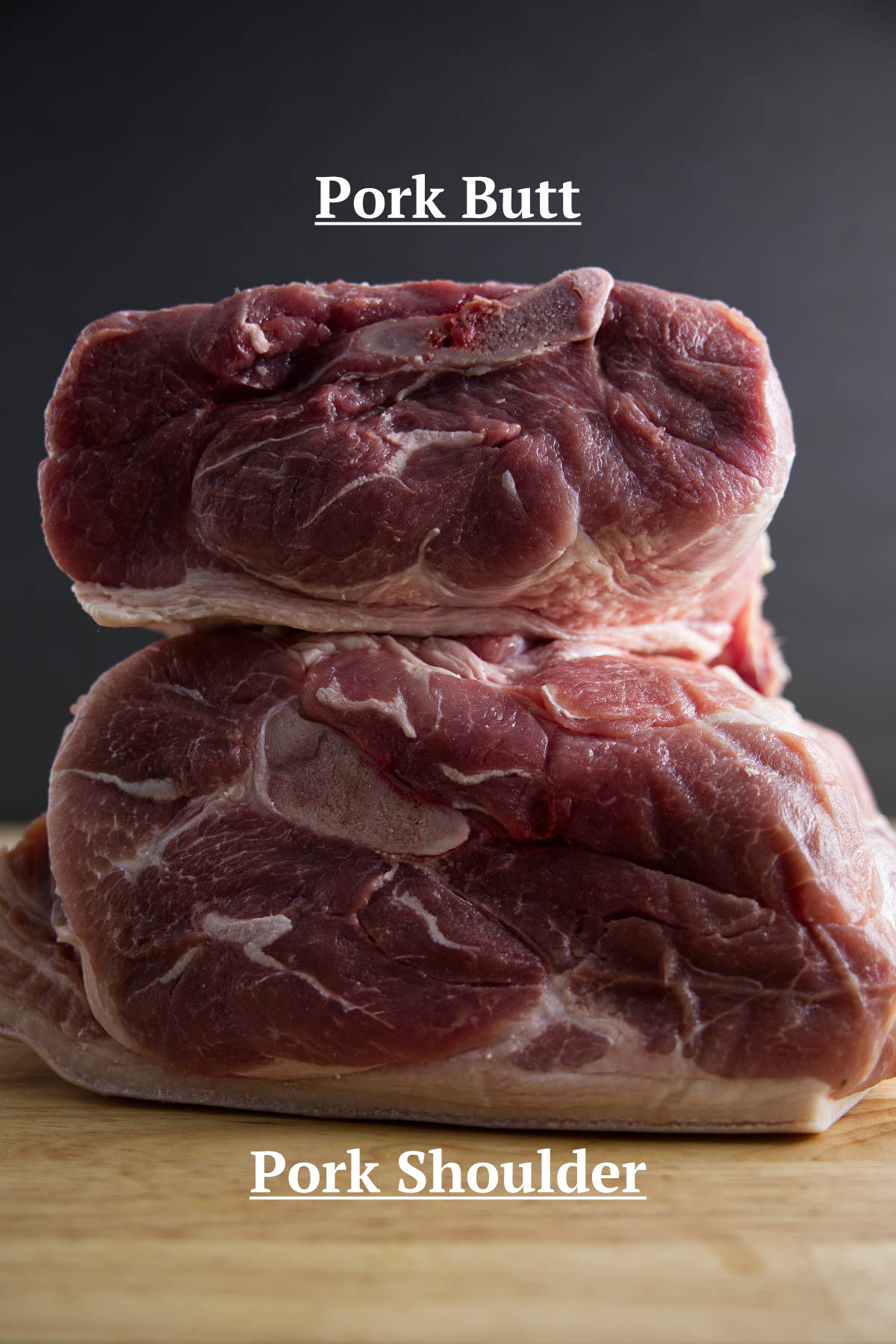
Our exploration will take us from the butcher’s block to the barbecue pit, uncovering the anatomical origins of these cuts and the culinary applications that make them so beloved. We’ll also touch upon the cultural significance of pork in various cuisines, connecting the dots between this fundamental ingredient and the broader tapestry of travel, tourism, and lifestyle experiences.
Unraveling the Anatomy: The Pork Shoulder and Its “Butt”
To truly understand if a Boston butt is the same as a pork shoulder, we must first dissect the anatomy of a pig. The term “pork shoulder” is a general designation for the entire primal cut from the upper portion of the pig’s foreleg, extending from the base of the neck to the elbow. This large section of meat encompasses several distinct muscles and is characterized by a good amount of fat and connective tissue, making it ideal for slow and low cooking methods that break down these components into tender, succulent meat.
Within this larger pork shoulder primal, there are two primary sub-primal cuts that are most commonly recognized and sold: the Boston butt and the pork picnic (also known as the picnic shoulder). This is where the primary source of confusion often lies.
The Boston Butt: The King of Pulled Pork
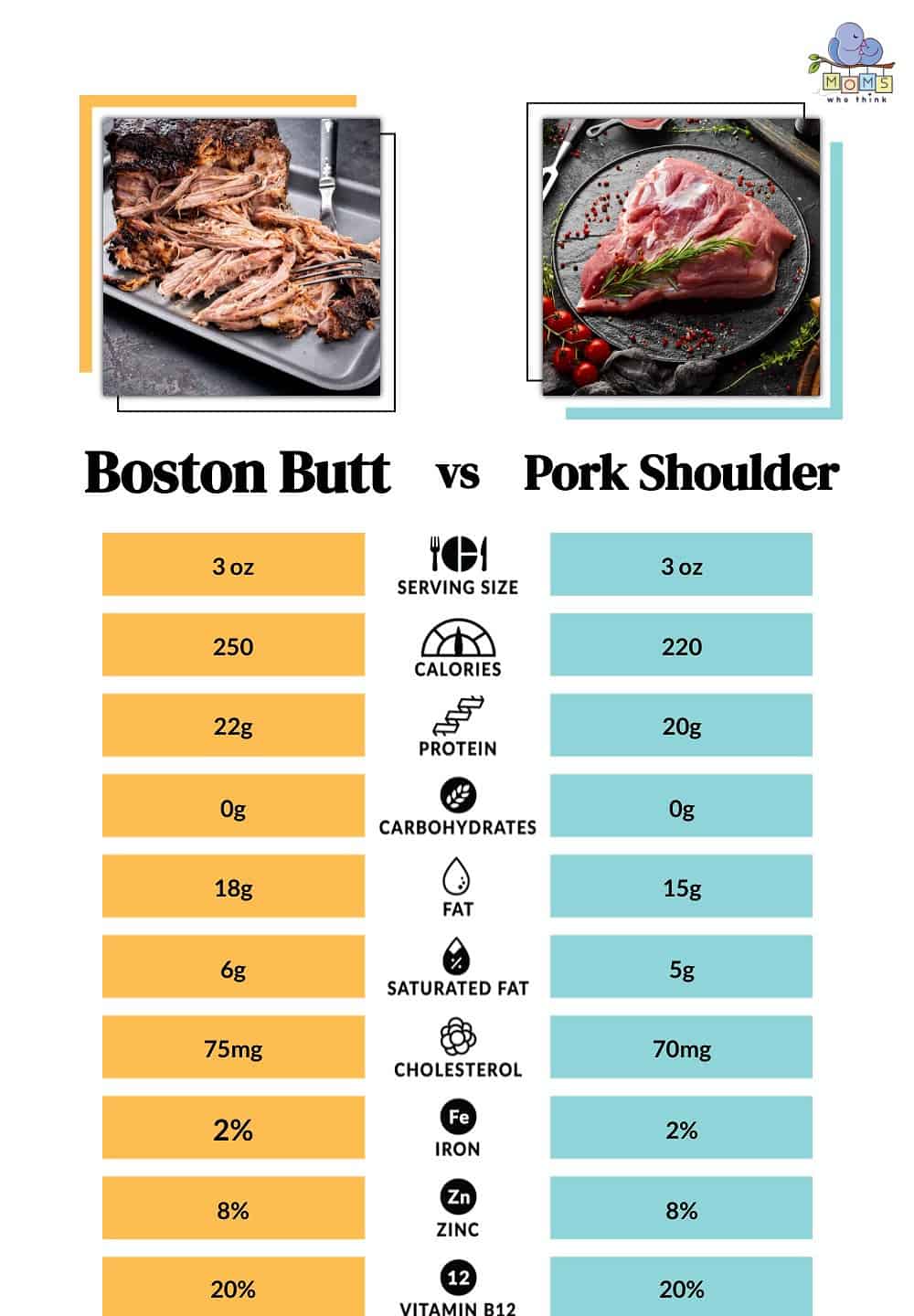
The Boston butt, more formally known as the upper portion of the pork shoulder, is typically cut from the top section, above the Boston butt’s counterpart, the picnic shoulder. It’s a boneless or bone-in cut that is richer in intramuscular fat, often referred to as marbling. This marbling is crucial for imparting moisture and flavor during the cooking process. The Boston butt is comprised of several muscles, including the supraspinatus and infraspinatus, which, when subjected to slow cooking, become incredibly tender and easy to shred. This makes it the undisputed champion for classic pulled pork dishes, a staple in the culinary landscape of the American South.
The origin of the name “Boston butt” is steeped in history, with the most widely accepted explanation dating back to the days of Colonial America. During the late 18th century, pork was often packed in barrels for preservation and transport. The Boston area was a significant trading hub, and butchers in Boston would store the upper portion of the pork shoulder, which contained less lean meat and more fat suitable for rendering into lard, in barrels. These barrels were called “butts.” Thus, the meat from the upper shoulder stored in these barrels became known as “Boston butt.” While this historical anecdote adds flavor to the discussion, the modern culinary world uses the term to denote this specific cut from the upper shoulder.
The Pork Picnic: A More Economical Choice
The pork picnic, or picnic shoulder, is the lower portion of the pork shoulder, extending from the elbow down to the foot. It generally contains less intramuscular fat than the Boston butt but has a significant amount of fat on its surface, which renders down during cooking. The picnic shoulder is also often more economical than the Boston butt. It comprises muscles like the teres major and triceps brachii. While it can be used for pulled pork, it typically requires a longer cooking time due to its slightly tougher muscle structure and different fat distribution. Many pitmasters will argue that the picnic shoulder offers a more robust, “porky” flavor profile, which can be very appealing in certain dishes.
When a butcher refers to “pork shoulder,” they are usually referring to the entire primal cut. However, when it comes to purchasing a specific cut for cooking, you’ll most commonly find it divided into either the Boston butt or the pork picnic. Therefore, while both are technically parts of the pork shoulder, the “Boston butt” is a specific section within the larger pork shoulder primal.
Culinary Applications: From Barbecue Pits to Slow Cookers
Understanding the nuances between a Boston butt and a pork picnic directly impacts your cooking strategy and the final outcome of your dishes. Both cuts excel with low and slow cooking methods, but their specific characteristics lend themselves to slightly different preparations. This is a topic that resonates deeply with food enthusiasts traveling to regions known for their barbecue traditions, like Texas or North Carolina.

The Reign of the Boston Butt in Barbecue
The Boston butt’s high fat content and excellent marbling make it the quintessential cut for classic pulled pork. When cooked low and slow for several hours, the connective tissues break down, and the fat renders, bathing the muscle fibers in moisture and flavor. This results in meat that is incredibly tender and falls apart easily, perfect for shredding and mixing with your favorite barbecue sauce. Whether smoked over hickory wood at a Texas smokehouse or braised in a slow cooker for a weeknight meal, the Boston butt is the go-to for achieving that melt-in-your-mouth texture. The rich flavor profile also makes it suitable for other dishes, such as pork roasts and stews, where its inherent succulence is a prized asset.
The Versatility of the Pork Picnic
While the Boston butt might hold the crown for pulled pork, the pork picnic is far from a lesser cut. Its slightly leaner profile, coupled with its flavorful surface fat, makes it an excellent choice for dishes where a more defined meat texture is desired. It can still be pulled, but it might require a bit more coaxing and might not achieve the same degree of disintegration as a butt. The picnic shoulder is also fantastic for braising, where the liquid helps to tenderize the meat and infuse it with flavor. Many traditional recipes for dishes like cochinita pibil in Mexico or certain European pork roasts utilize cuts similar to the picnic shoulder. Its bone-in nature can also add significant flavor during slow cooking.
When shopping, if a recipe specifically calls for “pork shoulder,” it’s generally safe to assume either a Boston butt or a picnic shoulder will work, but knowing the difference allows you to tailor your choice to your desired outcome. If you’re aiming for the most tender, easily shreddable pulled pork, opt for the Boston butt. If you’re looking for a slightly more economical cut that can still deliver fantastic results, especially in braised dishes, the pork picnic is an excellent choice.
Connecting the Cuts: Travel, Tourism, and Culinary Experiences
The understanding of specific meat cuts like the Boston butt and pork shoulder is not just a matter for the kitchen; it’s intrinsically linked to the broader world of travel, tourism, and lifestyle. When you explore a new destination, particularly one with a rich culinary heritage, understanding these local specialties can profoundly enhance your experience.
Imagine visiting a charming inn in Savannah, Georgia, where a sign outside proclaims “Authentic Pulled Pork.” Knowing that the true magic behind that tender, flavorful mound of pork likely comes from a well-cooked Boston butt allows you to appreciate the ingredients and preparation on a deeper level. Similarly, if you’re staying in a rustic villa in the Tuscan countryside and encounter a slow-braised pork dish on the menu, understanding that it might be made from a cut analogous to the pork picnic adds a layer of appreciation for the regional cooking techniques.
Embarking on Culinary Journeys
The pursuit of the perfect pork shoulder dish can be a compelling reason to travel. Food tourism is a significant driver of the travel industry, with people flocking to Austin, Texas, for its legendary barbecue scene, or to Eastern North Carolina for its vinegar-based pulled pork. These journeys offer more than just a meal; they provide an immersive experience into local culture, history, and the traditions that have shaped the way these dishes are prepared. Exploring the farmers’ markets, chatting with local butchers, and even taking a cooking class focused on regional specialties can be incredibly rewarding aspects of a trip.
Accommodation and Lifestyle Choices
Your choice of accommodation can also be influenced by your culinary interests. If you’re on a quest to master the art of slow-cooked pork, you might opt for a vacation rental with a well-equipped kitchen, perhaps even one with an outdoor grill or smoker, allowing you to experiment with recipes during your stay. For those seeking a more luxurious experience, many resorts and boutique hotels in gastronomic destinations offer cooking demonstrations or fine-dining experiences that showcase regional pork dishes prepared by expert chefs. Whether it’s a budget-friendly apartment rental for an extended culinary exploration or a high-end suite in a resort known for its farm-to-table offerings, your accommodation choices can be geared towards enhancing your gastronomic adventures.
Landmarks of Flavor
The culinary landscape is dotted with landmarks, both literal and figurative, that are synonymous with certain foods. While the Golden Gate Bridge might be a famous landmark in San Francisco, the humble barbecue joint serving exceptional pulled pork in a small town in Tennessee can be a landmark of flavor for dedicated foodies. These places, often unassuming, become destinations in themselves, drawing visitors who are eager to experience authentic tastes and local culinary traditions.
In conclusion, the question “Is a Boston butt the same as a pork shoulder?” is answered with a nuanced “yes and no.” The Boston butt is a specific, highly desirable cut from the pork shoulder, known for its marbling and ideal for pulled pork. The pork shoulder is the larger primal cut from which the Boston butt and the pork picnic are derived. Understanding this distinction not only elevates your cooking but also enriches your travel experiences, allowing you to connect more deeply with the food, culture, and people of the destinations you visit. From the historic streets of Boston to the vibrant barbecue pits of Texas, the journey of pork is a delicious adventure waiting to be explored.