
Navigating the complexities of legal statutes, especially when they intersect with personal freedoms and future opportunities, can be daunting. For residents and visitors alike in the expansive state of Texas, understanding the nuances of driving under the influence (DUI) laws is paramount. While often associated with misdemeanor charges, a DUI in Texas can, under specific circumstances, escalate to a felony, carrying far-reaching and life-altering consequences. This article aims to demystify these laws, clarifying when a DUI conviction can become a felony, outlining the severe penalties involved, and discussing the profound impact such a charge can have on an individual’s life, including their ability to travel, their career prospects, and overall lifestyle.
The allure of Texas – with its vibrant cities like Houston, Dallas, Austin, and San Antonio, its rich cultural experiences, diverse culinary scene, and expansive natural beauty – often involves exploring destinations, enjoying local festivities, or attending business events. However, the enjoyment of these experiences must always be tempered with responsible decision-making, particularly concerning alcohol consumption and driving. A seemingly innocent night out could, without proper caution, lead to a situation that transforms a leisurely trip or a professional stay into a legal nightmare, severely impacting future travel plans and lifestyle choices.
Understanding Driving Under the Influence (DUI) in Texas
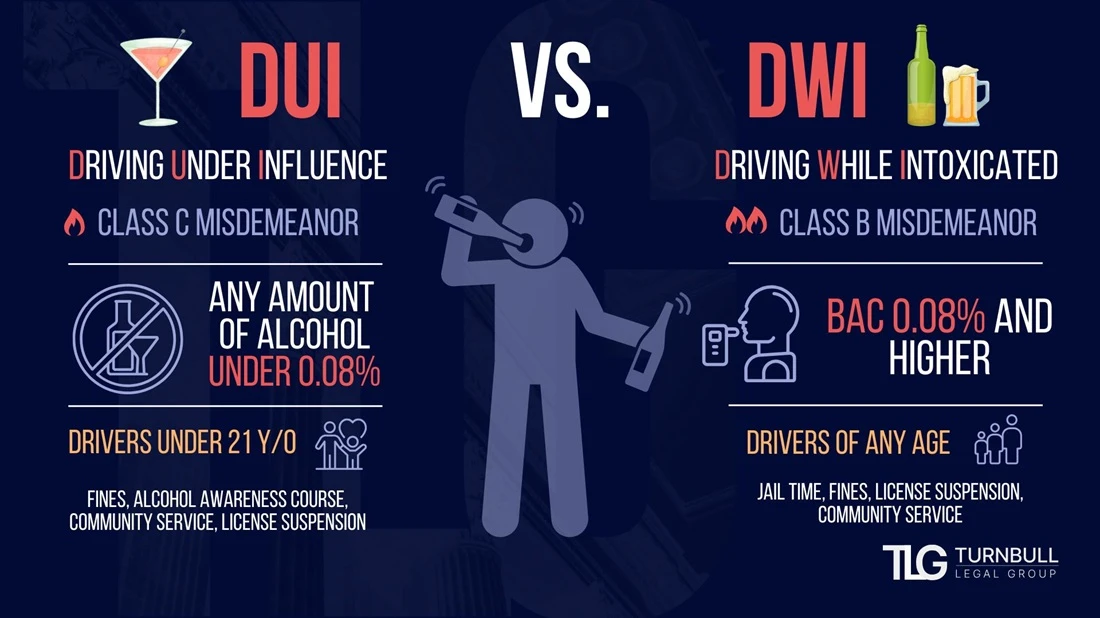
In Texas, the term “DUI” is commonly used to refer to driving while intoxicated (DWI). Unlike some other states where DUI specifically refers to minors, Texas law typically uses DWI for adults. However, for clarity and common understanding, we will use DUI/DWI interchangeably here to discuss the act of operating a motor vehicle in a public place while intoxicated.
What Constitutes Intoxication?
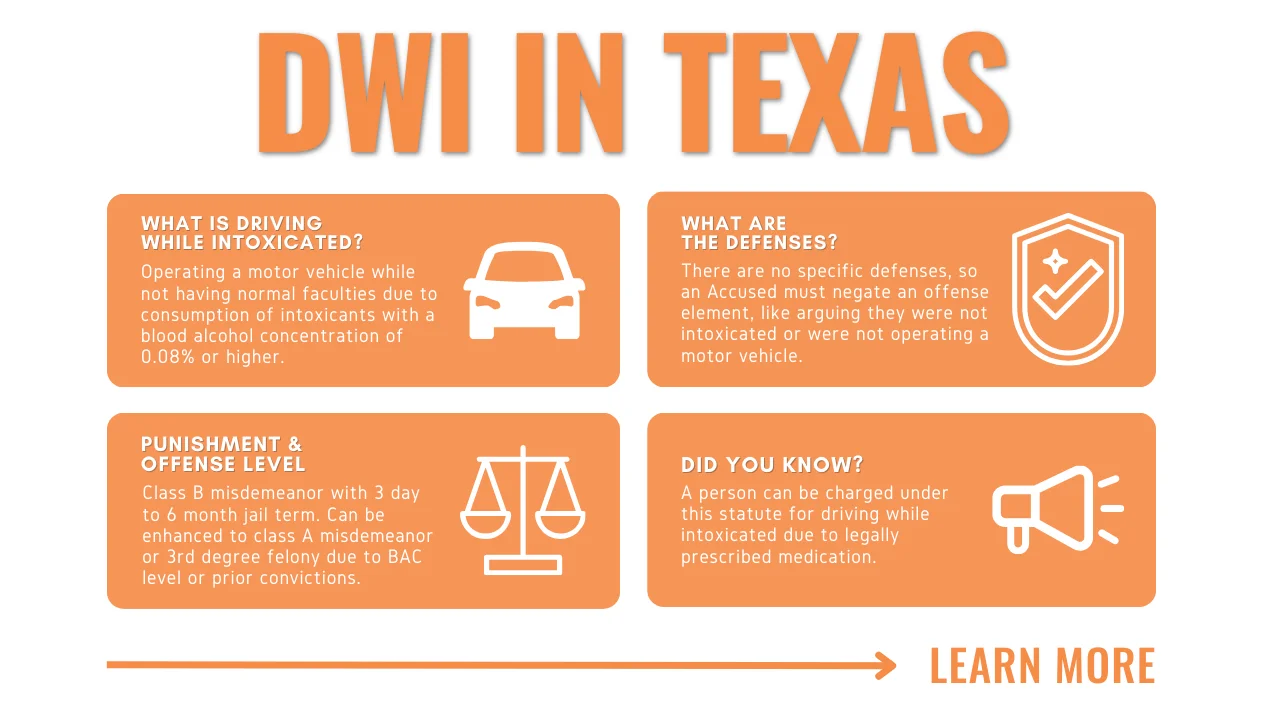
Under the Texas Penal Code, a person is considered intoxicated if:
- They do not have the normal use of mental or physical faculties by reason of alcohol, a controlled substance, a drug, a dangerous drug, a combination of two or more of those substances, or any other substance.
- They have an alcohol concentration of 0.08 or more. This “per se” intoxication level means that even if a driver feels they are not impaired, a blood alcohol content (BAC) of 0.08% or higher is sufficient for a DWI conviction.
For commercial drivers, the legal limit is even lower, at 0.04%. For minors (under 21), Texas has a “zero tolerance” policy. Any detectable amount of alcohol in a minor’s system while driving can lead to a DUI minor charge, which is a different offense with its own set of penalties, usually a Class C misdemeanor.
Initial Misdemeanor DUI Offenses
For most first-time offenders in Texas with no aggravating factors, a DUI/DWI charge is typically a Class B misdemeanor. The potential penalties for a first offense can include:
- Jail Time: Up to 180 days.
- Fines: Up to $2,000.
- License Suspension: 90 days to 1 year.
- Surcharges: Annual Texas Department of Public Safety (DPS) surcharges of $1,000 to $2,000 for three years to retain a driver’s license.
- Community Service: Required hours.
- Ignition Interlock Device: May be ordered as a condition of bond or probation.
- Alcohol Education Program: Mandatory attendance.
A second DUI/DWI offense generally elevates to a Class A misdemeanor, increasing the potential jail time to up to one year and fines up to $4,000, along with a longer license suspension (180 days to 2 years). While these are severe, they remain within the realm of misdemeanor offenses. However, certain factors can quickly change the classification from a misdemeanor to a felony.
When a DUI Becomes a Felony in Texas
The transition of a DUI/DWI charge from a misdemeanor to a felony in Texas is a critical distinction that significantly amplifies the stakes. This escalation typically occurs under circumstances involving repeat offenses or additional aggravating factors that demonstrate a higher degree of danger or harm.
Third or More DUI Offense
The most common way a DUI/DWI becomes a felony in Texas is through repeat offenses. A third or subsequent DWI offense is automatically classified as a Third-Degree Felony. This charge carries severe penalties, including:
- Prison Time: 2 to 10 years in state prison.
- Fines: Up to $10,000.
- License Suspension: Up to 2 years.
- Mandatory Ignition Interlock Device: Often required.
- DPS Surcharges: Annual surcharges of $1,500 to $2,000 for three years.
The impact of such a felony conviction extends far beyond the immediate legal penalties, affecting virtually every aspect of a person’s life, from employment opportunities to the ability to travel internationally.
DUI with Child Passenger
Driving while intoxicated with a child passenger in the vehicle is considered a particularly egregious offense in Texas. If a person is found to be driving while intoxicated with a passenger younger than 15 years of age, the charge is automatically elevated to a State Jail Felony. The penalties for this offense include:
- Prison Time: 180 days to 2 years in a state jail facility.
- Fines: Up to $10,000.
- License Suspension: Up to 2 years.
This specific felony underscores the state’s commitment to protecting vulnerable individuals and punishes those who endanger children through intoxicated driving.
Intoxication Assault
When a DWI incident results in serious bodily injury to another person, the charge becomes Intoxication Assault, a Third-Degree Felony. “Serious bodily injury” is defined as an injury that creates a substantial risk of death, causes serious permanent disfigurement, or results in protracted loss or impairment of the function of any bodily member or organ. The penalties are similar to a third DWI offense:
- Prison Time: 2 to 10 years in state prison.
- Fines: Up to $10,000.
- License Suspension: Up to 2 years.
This charge is particularly grave as it involves direct harm to another individual, highlighting the potentially tragic consequences of intoxicated driving.
Intoxication Manslaughter
The most severe felony DUI charge in Texas is Intoxication Manslaughter. This charge is filed when a person’s intoxication while driving causes the death of another person. This is classified as a Second-Degree Felony, one of the most serious non-capital felony offenses in the state. The penalties are exceptionally harsh:
- Prison Time: 2 to 20 years in state prison.
- Fines: Up to $10,000.
- License Suspension: Up to 2 years.
In cases involving emergency responders or certain public servants, the charge can be elevated further, leading to even more severe penalties. Intoxication manslaughter cases are prosecuted with extreme rigor, reflecting the immeasurable loss of life caused by such reckless behavior.
Serious Consequences of a Felony DUI
A felony DUI conviction in Texas casts a long shadow over an individual’s life, impacting not just their immediate legal standing but also their future opportunities, personal freedoms, and overall lifestyle. The repercussions are far-reaching and can significantly alter life plans, from career aspirations to the ability to simply move freely and enjoy various experiences.
Legal Ramifications and Financial Burdens
Beyond the immediate prison sentences and hefty fines, a felony DUI conviction carries a host of other legal and financial burdens:
- Permanent Criminal Record: A felony conviction is a permanent mark on one’s criminal record, which is publicly accessible and can follow an individual for life.
- Parole and Probation: Even after serving prison time, individuals may face lengthy periods of parole or probation with strict conditions, limiting their activities and requiring regular reporting.
- Increased Insurance Premiums: Automobile insurance rates will skyrocket, or coverage may be denied altogether.
- Court Costs and Legal Fees: The legal process, from arrest to trial and potential appeals, is incredibly expensive, with legal fees easily reaching tens of thousands of dollars.
- Rehabilitation Programs: Mandatory alcohol or drug rehabilitation programs can be costly and time-consuming.
- Loss of Rights: Felony convictions can lead to the loss of certain civil rights, such as the right to vote, serve on a jury, or possess firearms.
Long-Term Lifestyle and Travel Impacts
The impact on lifestyle and travel is perhaps one of the most underestimated consequences of a felony DUI. For individuals accustomed to enjoying the freedom of travel or pursuing specific career paths, a felony conviction can drastically curtail these aspects of life.
- Employment Opportunities: Many professions, especially those requiring licenses (e.g., healthcare, education, law, finance, commercial driving), will be inaccessible. Employers conducting background checks often refuse to hire individuals with felony convictions, severely limiting career prospects and earning potential. This can impact the ability to afford desired lifestyles, from luxury travel to even basic amenities.
- Professional Licenses: Existing professional licenses may be revoked or suspended, effectively ending a career.
- International Travel Restrictions: This is a major concern for many. Numerous countries, including Canada, Mexico, and countries in the European Union, have strict entry requirements and may deny entry to individuals with felony convictions, including DUI felonies. Obtaining a visa or entry waiver can be a complex, lengthy, and expensive process, often with no guarantee of success. This directly impacts the ability to plan dream vacations, visit family abroad, or engage in international business travel.
- Accommodation and Rental Services: While less common than employment or international travel issues, some upscale hotels, resorts, or even certain rental car agencies might have policies that consider criminal records, especially for long-term stays or high-value rentals, although this is more speculative and less direct than other impacts. More tangibly, the financial strain of a felony can limit options for booking desirable accommodations or participating in certain tourist activities that require upfront costs.
- Reputation and Social Stigma: A felony conviction carries significant social stigma, impacting personal relationships, community standing, and mental well-being. This can lead to isolation and limit participation in social activities or community events that are often part of a vibrant lifestyle.
- Housing Difficulties: Landlords may conduct background checks, and a felony conviction can make it challenging to rent an apartment or house, especially in competitive markets in popular cities.
These long-term impacts underscore the importance of understanding and adhering to DWI laws. The ripple effect of a felony conviction can derail meticulously planned life goals and significantly diminish the quality of life, transforming simple pleasures like a weekend getaway to Galveston or a business trip to New York into complex logistical challenges or outright impossibilities.
Navigating the Legal Process in Texas
Facing a DUI/DWI charge, especially one that could escalate to a felony, is an incredibly stressful and complex situation. The legal system in Texas is intricate, and navigating it requires informed decisions and, most critically, expert legal guidance.
Immediate Steps After an Arrest
If you find yourself arrested for a DUI/DWI in Texas, several immediate steps are crucial to protect your rights:
- Remain Silent: You have the right to remain silent. Beyond providing your identification, driver’s license, and insurance, avoid answering questions about your activities, alcohol consumption, or destination without legal counsel present. Anything you say can be used against you.
- Request an Attorney: Clearly state your desire to speak with an attorney. Do not waive this right.
- Refuse Field Sobriety Tests: While implied consent laws in Texas mean you can face administrative penalties for refusing a breath or blood test after arrest, you are generally not legally obligated to perform roadside field sobriety tests (e.g., walk-and-turn, one-leg stand, horizontal gaze nystagmus). These tests are subjective and designed to be difficult to pass.
- Understand Implied Consent: In Texas, by driving, you implicitly consent to chemical testing (blood or breath) if arrested on suspicion of DWI. Refusal can lead to an automatic driver’s license suspension by the Texas Department of Public Safety (DPS), separate from any criminal penalties. However, your attorney can often challenge this administrative license revocation (ALR) in a separate hearing.
- Document Everything: As much as possible, try to remember the details of your arrest, including the time, location, officer’s demeanor, and any statements made. This information can be vital for your defense.

The Importance of Legal Representation
The single most important step after a DUI/DWI arrest, particularly if felony charges are possible, is to secure experienced legal representation. A qualified DUI/DWI defense attorney in Texas can:
- Evaluate Your Case: Review all evidence, including police reports, body camera footage, breathalyzer results, and blood tests, to identify potential weaknesses in the prosecution’s case.
- Challenge Evidence: Contest the legality of the traffic stop, the administration of field sobriety tests, the accuracy of chemical tests, and procedural errors made by law enforcement.
- Navigate the Legal System: Guide you through complex court proceedings, explain your rights, and represent you in all hearings, from arraignment to trial.
- Negotiate with Prosecutors: Work to reduce charges, negotiate favorable plea bargains, or explore diversion programs where applicable.
- Protect Your License: Represent you in the administrative license revocation (ALR) hearing to try and prevent or minimize the suspension of your driver’s license.
- Mitigate Consequences: Advise on strategies to minimize the long-term impacts of a conviction, whether by seeking expunctions or non-disclosure orders if eligible in the future, or by emphasizing rehabilitation.
Choosing an attorney with specific expertise in Texas DWI law, especially one familiar with the courts in your specific region (e.g., Harris County for Houston, Dallas County for Dallas), can make a significant difference in the outcome of your case. Their knowledge of local judicial practices, prosecutor tendencies, and the intricate details of Texas statutes is invaluable.
In conclusion, while a first-time DUI/DWI in Texas typically begins as a misdemeanor, the stakes can quickly elevate to a felony based on factors such as repeat offenses, the presence of a child passenger, or causing serious injury or death to another person. The consequences of a felony DUI are profoundly severe, encompassing lengthy prison sentences, substantial fines, and permanent damage to one’s criminal record, which in turn jeopardizes employment, professional licenses, and the fundamental freedom to travel internationally. Understanding these serious implications underscores the critical importance of responsible decision-making and, in the unfortunate event of an arrest, seeking immediate and expert legal counsel to navigate the challenging Texas legal landscape.