
For those who cherish the freedom of the open road, the joy of discovering new destinations, or the comfort of a well-planned itinerary, understanding the legal landscape of driving under the influence is paramount. While many associate a DWI (Driving While Intoxicated) with severe penalties, the question of whether it constitutes a felony is a critical one, particularly in a state as vast and travel-centric as Texas. For travelers, digital nomads, or even residents planning a staycation, a DWI conviction can abruptly derail lifestyle aspirations, impact future travel, and complicate accommodation arrangements. Let’s delve into the specifics of Texas DWI laws and explore the far-reaching implications for your personal journey and travel dreams.
Navigating Texas Roads: Understanding DWI Charges
Texas, a state renowned for its sprawling landscapes, vibrant cities like Austin and Houston, and rich cultural tapestry, also has some of the strictest DWI laws in the United States. A DWI conviction here is a serious matter, and its classification as a misdemeanor or felony largely depends on the circumstances surrounding the offense and the driver’s criminal history.
The Initial Encounter: What Constitutes a DWI?
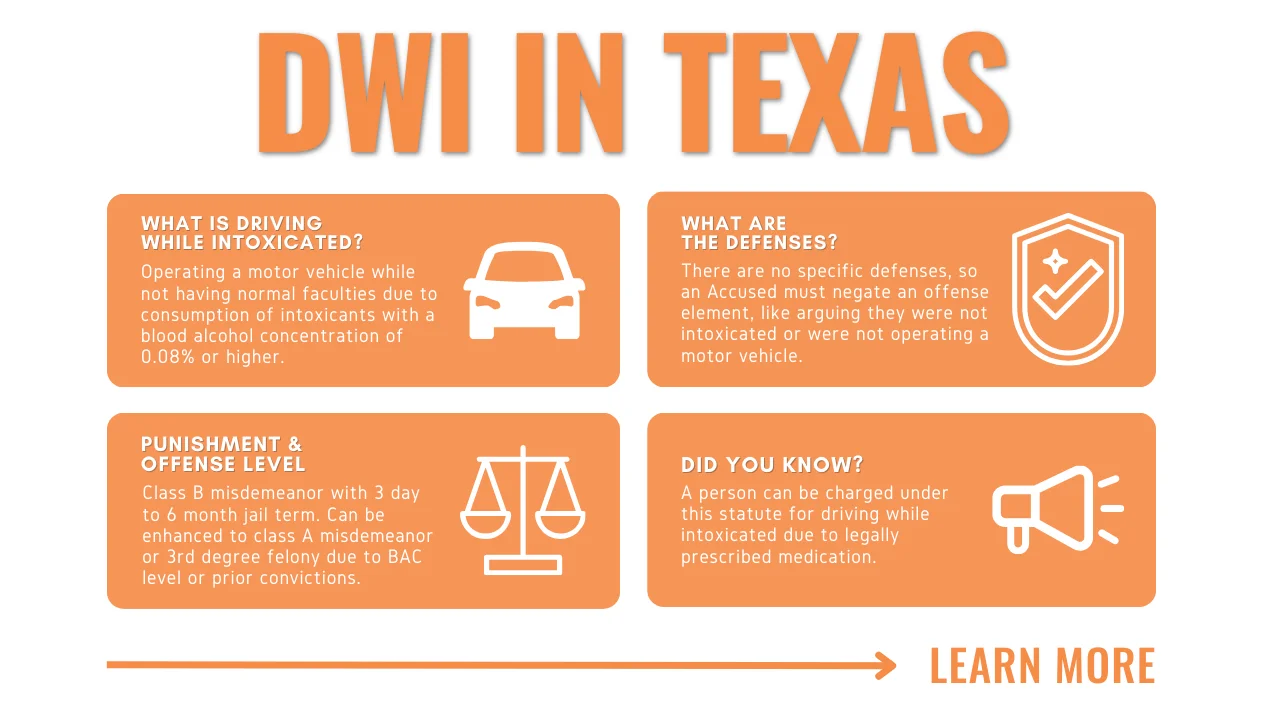
In Texas, a person commits the offense of DWI if they are operating a motor vehicle in a public place while intoxicated. Intoxication is defined as:
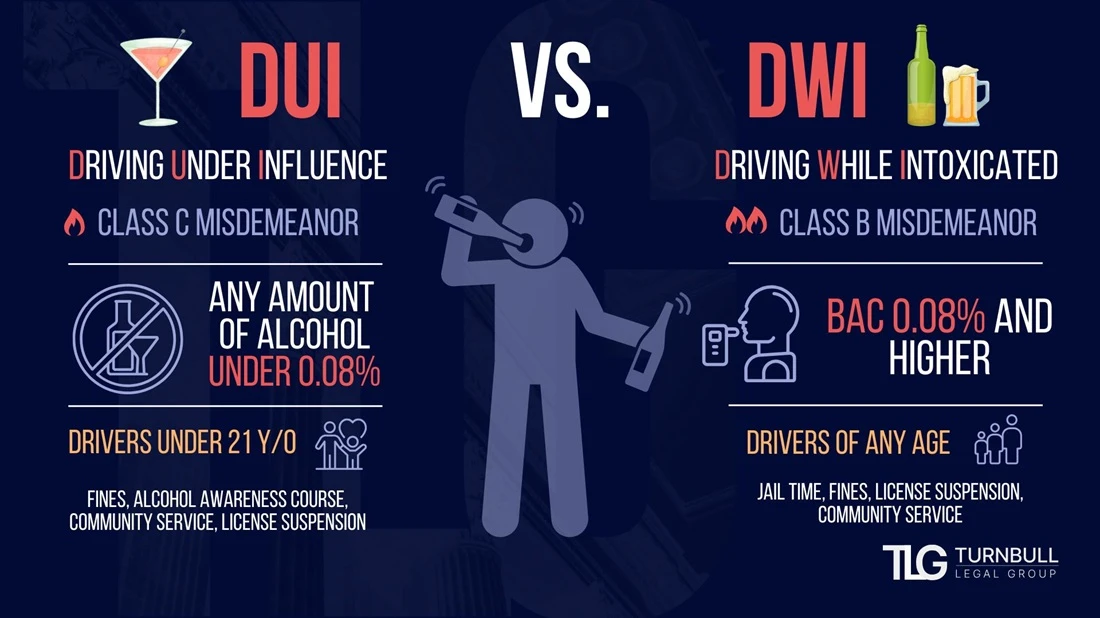
- Having a Blood Alcohol Concentration (BAC) of 0.08% or more.
- Not having the normal use of mental or physical faculties due to alcohol or drug consumption.
It’s crucial to understand that even if your BAC is below 0.08%, you can still be charged with DWI if law enforcement observes that your normal faculties are impaired. This is particularly relevant for those enjoying the diverse culinary scene or vibrant nightlife in cities like Dallas or San Antonio. A spontaneous evening out can quickly turn into a legal nightmare if responsible transportation isn’t pre-arranged.
For commercial drivers, the legal limit is even lower, at 0.04% BAC, reflecting the higher standard of safety required for professional travel and logistics. Minors (under 21) face a “Zero Tolerance” policy, meaning any detectable amount of alcohol can lead to a DWI charge, specifically a Driving Under the Influence (DUI) by a minor.
Misdemeanor vs. Felony: The Critical Distinction
While a first-time DWI offense in Texas is typically classified as a Class B Misdemeanor, it’s far from a minor infraction. The penalties are substantial, including potential jail time, significant fines, driver’s license suspension, and mandatory completion of an alcohol education program. For those whose lifestyle involves frequent road trips, exploring Big Bend National Park, or commuting between cities like Fort Worth and Dallas, a license suspension can severely disrupt daily life and travel plans.
However, a DWI can quickly escalate to a felony under specific circumstances:
- Third or Subsequent DWI Offense: This is the most common path to a felony DWI. A third or any subsequent DWI conviction in Texas is automatically classified as a Third-Degree Felony. This carries a potential prison sentence of 2 to 10 years and fines up to $10,000. For individuals who rely on seamless travel for business or leisure, a felony conviction can be a catastrophic blow.
- DWI with a Child Passenger: If you are arrested for DWI while a child under 15 years old is in the vehicle, the charge is elevated to a State Jail Felony. This offense carries a potential sentence of 180 days to 2 years in a state jail facility, plus fines up to $10,000. This is a crucial factor for families traveling through Texas or residents driving children to local attractions.
- Intoxication Assault: If your intoxication leads to serious bodily injury to another person, you can be charged with Intoxication Assault, a Third-Degree Felony. This is a particularly grim scenario that highlights the grave risks of impaired driving, transforming a pleasant journey into a life-altering tragedy.
- Intoxication Manslaughter: The most severe DWI-related charge, Intoxication Manslaughter, occurs when your intoxication causes the death of another person. This is a Second-Degree Felony, carrying a potential prison sentence of 2 to 20 years and fines up to $10,000. This devastating outcome underscores the ultimate cost of irresponsible decisions behind the wheel.
Understanding these distinctions is not just a legal exercise; it’s essential for maintaining the freedom and flexibility inherent in a travel-oriented lifestyle. A felony record can impact everything from securing accommodation to crossing international borders.
The Far-Reaching Impact of a DWI: Beyond the Courtroom
A DWI conviction, especially a felony, casts a long shadow that extends far beyond immediate legal penalties. For individuals accustomed to a life of travel, exploring new cultures, or simply enjoying the convenience of personal transport, the ripple effects can be profoundly disruptive, affecting finances, mobility, and future opportunities.
Financial Burdens: Impact on Travel Budgets and Luxury Escapes
The financial implications of a DWI are staggering and can severely deplete resources that would otherwise be allocated to travel, luxury experiences, or even basic accommodation. Fines for a first-time DWI can reach up to $2,000, while felony DWI fines can be as high as $10,000. But the costs don’t stop there.
- Surcharges and Fees: Texas imposes annual surcharges on top of fines, potentially adding thousands more over several years.
- Legal Fees: Hiring a competent attorney to navigate the complex Texas legal system can cost anywhere from a few thousand to tens of thousands of dollars, depending on the severity of the charge and the complexity of the case.
- Ignition Interlock Devices (IID): Often mandated for license reinstatement, these devices cost money for installation, monthly maintenance, and removal, further eroding disposable income.
- Increased Insurance Premiums: Expect your car insurance rates to skyrocket, sometimes for years, making vehicle ownership and rental significantly more expensive.
- Lost Wages: Court appearances, jail time, or rehabilitation programs can lead to significant loss of income, impacting your ability to save for future trips or maintain a desired lifestyle.
These cumulative financial burdens can quickly derail plans for that dream vacation to the Caribbean, a long-term stay in a Hyatt Regency Austin for a business trip, or even a simple weekend getaway to South Padre Island. The budget once earmarked for exquisite dining, boutique hotels, or cultural tours might instead be consumed by legal obligations, forcing a re-evaluation of lifestyle priorities.
Travel Restrictions and International Implications
Perhaps one of the most significant impacts of a DWI, especially a felony, for travel enthusiasts is the imposition of travel restrictions.
- Driving Privileges: A license suspension (which can range from 90 days to two years, and even longer for felony DWIs) immediately curtails your ability to drive. This makes road trips across Texas or beyond impossible, and even local navigation in cities like El Paso becomes a challenge, relying on rideshares or public transport. Renting a car for domestic travel will also likely become difficult or impossible due to your driving record.
- International Travel: This is where a felony DWI truly becomes a lifestyle impediment. Many countries, particularly Canada, Mexico, and those in the European Union (Schengen Area), have strict policies regarding individuals with criminal records, especially those involving alcohol or drug offenses.
- Canada: Is particularly stringent. A DWI conviction, even a misdemeanor, can render you “criminally inadmissible.” While it’s sometimes possible to apply for a Temporary Resident Permit or Criminal Rehabilitation, these processes are lengthy, expensive, and not guaranteed, effectively blocking spontaneous trips across the border.
- Mexico: While typically less strict than Canada, immigration officials at the border or airport can deny entry to individuals with felony convictions.
- European Union/Schengen Area: Entry can be denied if you have a criminal record, especially for felonies, as countries prioritize national security and public order.
- Asia, Middle East, South America, Africa, Australia, New Zealand: Policies vary, but a felony record can trigger visa denials or entry refusals, turning global travel dreams into frustrating bureaucratic hurdles.
For individuals whose careers involve international business travel, or whose personal passion is exploring diverse cultures globally, a felony DWI can close doors that may never reopen. The ability to freely book flights and accommodation in far-flung destinations is severely compromised.

Accommodation Challenges and Long-Term Stays
While perhaps less obvious than travel restrictions, a DWI conviction, particularly a felony, can also impact your ability to secure certain types of accommodation.
- Rental Applications: Many landlords and property management companies conduct background checks. A felony conviction can be a red flag, making it challenging to secure apartments, especially in competitive rental markets in major cities like Houston or Austin, or for long-term stays. This can complicate relocation plans or finding a base for extended travel.
- Hotel Stays: While most hotels like The Ritz-Carlton, Dallas don’t typically run background checks for standard bookings, certain extended-stay hotels or serviced apartments might have policies that could be influenced by a criminal record. For digital nomads seeking a stable base for several months, this could present an unexpected hurdle.
- Employment and Digital Nomadism: A felony record can impact employment opportunities, which in turn affects your financial ability to maintain a travel-centric lifestyle. Many companies conduct background checks, and a felony can make it difficult to secure positions, including remote roles that fund a nomadic existence.
The holistic impact of a DWI extends beyond legal sentencing; it fundamentally alters the landscape of personal freedom, financial stability, and the pursuit of a travel-rich lifestyle.
Protecting Your Travel Lifestyle: Preventing DWI in Texas
Given the severe repercussions of a DWI, especially a felony, for your travel and lifestyle aspirations, prevention is not just advised—it’s imperative. Embracing responsible practices ensures that your journeys through Texas and beyond remain free from legal entanglements and continue to be sources of joy and exploration.
Planning Ahead: Rideshares, Designated Drivers, and Public Transport
The most effective strategy against a DWI is proactive planning. Before you even take your first sip, decide how you’ll get home safely.
- Designated Driver: If you’re traveling with friends or family, establish a designated driver who will abstain from alcohol. This classic strategy remains one of the most reliable.
- Rideshare Services: Apps like Uber and Lyft are widely available in most Texas cities, including Dallas, Austin, Houston, and San Antonio. They offer a convenient and affordable alternative to driving, ensuring you can enjoy local nightlife or events without worry.
- Taxis: Traditional taxi services are always an option, especially if rideshares are less available in rural or less populated areas.
- Public Transportation: Major Texas cities offer varying degrees of public transportation, from buses to light rail. While not always ideal for late-night travel, it’s a viable option for daytime explorations of city landmarks like the Alamo or the Riverwalk.
- Hotel Shuttles: If staying at a hotel, inquire about shuttle services to local attractions or entertainment districts. Many resorts and hotels prioritize guest safety and convenience.
- Accommodation Near Attractions: When planning trips, consider booking accommodation within walking distance of the attractions or venues you plan to visit where alcohol might be consumed. This allows for spontaneous enjoyment without the need for a vehicle.
Remember, even one alcoholic drink can impair judgment. It’s always better to err on the side of caution and not drive if you’ve consumed any alcohol.
Exploring Texas Responsibly: Enjoying Local Culture Safely
Texas offers an incredible array of experiences, from wine tours in the Hill Country to breweries in Austin and lively cantinas in the Rio Grande Valley. Enjoying these aspects of local culture responsibly is key to a fulfilling and unimpeded travel lifestyle.
- Pace Yourself: If you choose to drink, do so slowly and alternate alcoholic beverages with water or non-alcoholic drinks.
- Eat Food: Never drink on an empty stomach. Food helps slow the absorption of alcohol into your bloodstream.
- Know Your Limits: Everyone’s tolerance is different. Understand your personal limits and stick to them. Don’t feel pressured to keep up with others.
- Educate Yourself: Be aware of the signs of intoxication and the rapid effects alcohol can have. Resources from the Department of Public Safety (DPS) offer valuable information.
- Explore Beyond Drinking: Texas has so much more to offer than just its nightlife. Explore its historical sites like The Alamo, natural wonders, museums such as Space Center Houston, and diverse culinary scene. Plan activities that don’t involve alcohol, ensuring a balanced and enriching travel experience.
By adopting these responsible habits, you not only safeguard yourself from the severe legal ramifications of a DWI but also preserve your ability to travel freely, explore the world, and maintain the lifestyle you’ve worked hard to achieve.
Rebuilding Your Journey: Life After a DWI
While prevention is the best course of action, it’s also important to understand the path to recovery and how to mitigate the damage if a DWI does occur. A conviction, particularly a felony, can feel like an insurmountable obstacle to your dreams of travel and a free lifestyle. However, with diligent effort, legal guidance, and commitment to change, it is possible to rebuild and reclaim your journey.
The Road to Reinstatement: Driving Privileges and Travel Opportunities
Regaining your driving privileges is often the first step in rebuilding a semblance of normalcy and restoring your ability to travel domestically. The process can be complex and includes:
- Serving Your Suspension: Adhering strictly to the terms of your license suspension.
- Completing Requirements: This typically includes a DWI Education Program, sometimes an advanced intervention program, and potentially substance abuse evaluations and treatment.
- Ignition Interlock Device (IID): For many DWI convictions, an IID will be a mandatory condition for license reinstatement or for an occupational license, which allows limited driving. You’ll need to pay for installation, monthly monitoring, and removal.
- SR-22 Insurance: This is a certificate of financial responsibility required by the state. It signifies that you carry minimum liability coverage and will result in significantly higher insurance premiums for several years.
- Paying Fees: All associated court costs, fines, and license reinstatement fees must be paid.
Once your license is reinstated and all conditions met, your domestic travel capabilities will largely return. However, the felony record itself remains a hurdle for international travel. While some countries might become accessible over time (after a certain number of years, or through special applications like Canada’s Criminal Rehabilitation), others may remain off-limits indefinitely. Researching specific country entry requirements well in advance and consulting with an immigration attorney specializing in criminal inadmissibility for your desired destinations is crucial.
Seeking Legal Guidance: Navigating the Complexities
Navigating the aftermath of a DWI, particularly a felony charge, is incredibly complex and should not be attempted without professional legal assistance. An experienced Texas DWI attorney can:
- Explain Your Rights: Ensure you understand the charges against you and your legal options.
- Negotiate Plea Bargains: In some cases, an attorney might be able to negotiate a reduced charge or a more favorable sentence, potentially avoiding a felony conviction or reducing the severity of penalties.
- Represent You in Court: Provide expert defense and guide you through court proceedings.
- Assist with License Reinstatement: Help you understand and complete all the steps required by the Department of Public Safety (DPS) to get your driver’s license back.
- Advise on Expungement or Non-Disclosure: Depending on the specifics of your case and state laws, an attorney can advise if your record can eventually be expunged or sealed through an order of non-disclosure. While not all DWI convictions qualify, if yours does, it could significantly alleviate the long-term impact on employment, housing, and even some travel.
Beyond immediate legal help, seeking support for any underlying issues that contributed to the DWI, such as alcohol or substance abuse, is vital. Many organizations offer resources and support systems designed to help individuals regain control and make healthier lifestyle choices. Prioritizing personal well-being is a critical step in ensuring that future journeys are safe, fulfilling, and free from past mistakes.
In conclusion, while a first-time DWI in Texas is typically a misdemeanor, it can quickly escalate to a felony under aggravating circumstances or with repeat offenses. The consequences of such a conviction extend far beyond the courtroom, profoundly impacting your finances, travel freedom, accommodation options, and overall lifestyle. By understanding the law, making responsible choices, and seeking appropriate guidance when necessary, you can protect your ability to explore the world and live a life rich with experiences.