
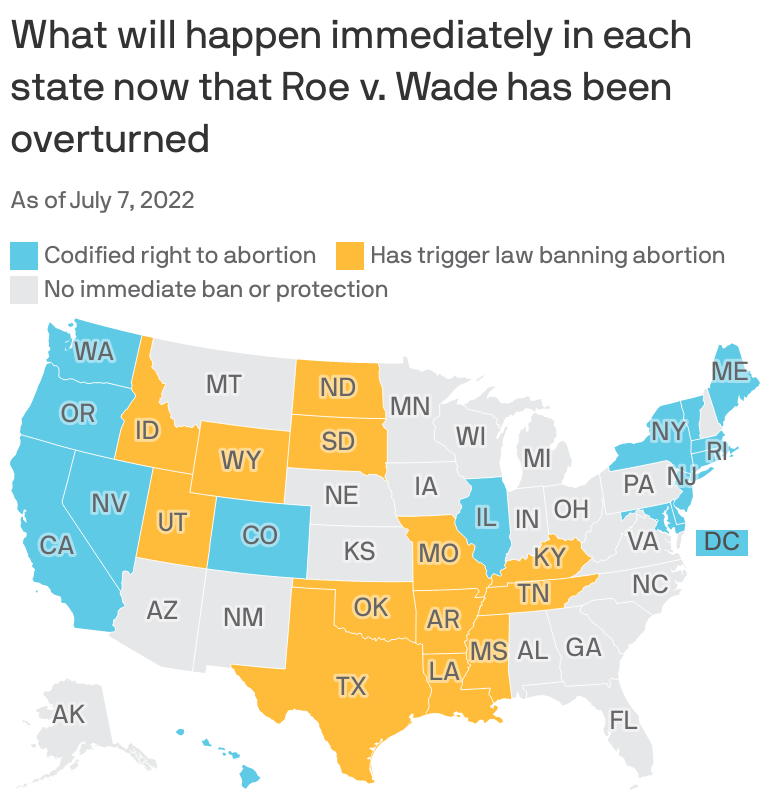
For many travelers, the considerations for choosing a destination extend far beyond scenic vistas and luxurious accommodations. Lifestyle and personal freedoms often play a pivotal role, particularly when navigating sensitive healthcare decisions. In the realm of reproductive rights, the legal landscape across the United States has seen significant shifts, making it crucial for individuals to understand the specific protections and access available in any given state. When it comes to the question, “Is abortion legal in Colorado?”, the answer is a resounding yes, making the Centennial State a notable destination for those seeking or supporting comprehensive reproductive healthcare services.
Colorado has long been a leader in protecting reproductive freedoms, a stance that has only strengthened in recent years. This commitment ensures that individuals can access abortion services without facing state-imposed barriers like waiting periods, parental consent requirements, or gestational limits. For residents and visitors alike, this provides a clear understanding of the healthcare landscape, allowing for informed travel and lifestyle decisions. Beyond its progressive healthcare policies, Colorado offers an unparalleled experience, blending urban sophistication with breathtaking natural beauty. This article will delve into the specifics of reproductive rights in Colorado, guiding you through what to expect, how to plan your trip, and how to seamlessly integrate healthcare considerations with the rich tapestry of travel, tourism, and lifestyle experiences that Colorado provides.

Colorado’s Stance on Reproductive Rights: A Welcoming Horizon for Travelers
Colorado stands out as a state firmly committed to safeguarding reproductive healthcare access. This commitment is not merely a matter of policy but is enshrined in state law, offering clarity and security for individuals. Understanding this legal framework is the first step in appreciating why Colorado has become a significant destination for those prioritizing reproductive freedom.
Understanding the Legal Landscape in Colorado
The legal foundation for abortion access in Colorado is robust and clear. Abortion is legal in Colorado at all stages of pregnancy, a protection codified into state law. In 2022, Colorado passed the Reproductive Health Equity Act (RHEA), which explicitly protects the right to abortion, contraception, and the right to make decisions about one’s own reproductive healthcare without government interference. This landmark legislation ensures that individuals can access the full spectrum of reproductive healthcare services.
Crucially, RHEA removed any remaining restrictions that could have limited access, affirming that there are no gestational limits, mandatory waiting periods, or parental consent requirements for minors seeking abortion services in Colorado. This comprehensive approach means that healthcare providers in Colorado can offer care based on medical necessity and patient choice, rather than being constrained by political mandates. For individuals traveling from states with more restrictive laws, Colorado’s legal environment offers a profound sense of relief and security, knowing that their healthcare decisions are respected and protected. The state’s proactive stance has solidified its reputation as a “sanctuary state” for reproductive rights, attracting not only those in need of care but also medical professionals dedicated to providing it.
Colorado as a Destination for Reproductive Healthcare Access
Given its legal protections, Colorado has become a critical destination for individuals seeking abortion services, particularly those traveling from states where such access has been severely curtailed or outright banned. This influx of healthcare travelers has shaped the state’s travel and tourism sector in unique ways, with an increasing focus on providing supportive and discreet environments for visitors. Major cities like Denver, Boulder, and Fort Collins host reputable clinics and medical centers equipped to provide a wide range of reproductive health services. These facilities are often staffed by compassionate professionals dedicated to patient care and privacy.
The accessibility of these services is further enhanced by Colorado’s well-developed infrastructure, including major airports and a variety of accommodation options. Travelers can find everything from discreet hotels and extended-stay apartments near medical facilities to more secluded resorts for recovery. The state’s welcoming atmosphere extends beyond its legal protections, with many local communities and organizations offering support and resources to those traveling for healthcare. This makes Colorado not just a place where abortion is legal, but a place where individuals can feel supported and respected throughout their journey.
Planning Your Trip to Colorado: Travel, Accommodation, and Logistics
Embarking on a journey for healthcare, especially for sensitive procedures like abortion, requires careful planning and consideration of various logistical aspects. Colorado’s robust travel infrastructure and diverse accommodation options are well-suited to support such trips, whether they are brief or require a longer stay for recovery and relaxation.
Navigating Travel to Colorado: Airports and Ground Transportation
Colorado is easily accessible from across the United States and internationally, primarily through Denver International Airport (DIA), one of the busiest airports in the world. DIA serves as a major hub, offering numerous direct flights to a vast array of destinations, making travel to the state’s capital, Denver, incredibly convenient. From DIA, travelers can utilize various ground transportation options, including the A-Line commuter train service that connects directly to Denver Union Station downtown, as well as ride-sharing services, taxis, and rental cars.
For those heading to other cities like Boulder or Fort Collins, shuttle services, regional buses, and rental cars are readily available at DIA. Colorado Springs also has its own airport, Colorado Springs Airport (COS), which offers direct flights to several major cities, providing another convenient entry point for those whose healthcare providers are located in the southern part of the state. When planning your travel, consider the proximity of your chosen clinic or hospital to your accommodation and transportation hubs to minimize stress and travel time. Early booking of flights and rental cars, especially during peak tourist seasons (winter for skiing, summer for hiking), is advisable to secure the best rates and availability.
Finding Suitable Accommodation: Hotels, Resorts, and Long-Term Stays
The choice of accommodation is paramount for comfort, privacy, and convenience, especially when traveling for healthcare. Colorado offers a spectrum of lodging options to suit diverse needs and budgets. For short stays, a variety of hotels can be found near major medical facilities in cities like Denver, Boulder, and Fort Collins. Many reputable hotel chains, such as the Hyatt Regency Denver or the Omni Interlocken Hotel, offer comfortable rooms with amenities designed for relaxation. Look for hotels that offer services like room service, quiet rooms, and easy access to transportation.
For those requiring a longer stay, perhaps for recovery or if bringing a support person, extended-stay hotels or serviced apartments like those offered by Homewood Suites by Hilton or Residence Inn by Marriott provide kitchenettes and more spacious living areas, creating a home-away-from-home feel. Boutique hotels in charming neighborhoods or quiet resorts in the foothills can also offer a more discreet and serene environment. When booking, consider amenities such as on-site dining, laundry facilities, and proximity to pharmacies or grocery stores. Online booking platforms, travel agencies, and direct calls to hotels can help secure the best rates and ensure your specific needs are met. Many establishments prioritize guest privacy, making them ideal for sensitive travel.
Combining Healthcare with Colorado’s Attractions and Lifestyle
While the primary purpose of travel might be healthcare, Colorado’s rich offerings provide ample opportunities to integrate wellness, relaxation, and even a touch of tourism into your trip. Depending on your health and recovery needs, you might find solace in the state’s natural beauty or comfort in its urban amenities.
For those able to explore, even mildly, Denver offers cultural attractions like the Denver Art Museum or a stroll through Washington Park. In Boulder, the Pearl Street Mall provides a vibrant pedestrian experience with shops and cafes. If rest is paramount, many hotels offer spa services, indoor pools, and comfortable common areas. The key is to listen to your body and engage in activities that promote healing and peace of mind. Colorado’s lifestyle often emphasizes outdoor activity and a laid-back approach, which can be conducive to recovery. Consider taking a scenic drive through the Rocky Mountains or enjoying a quiet moment by one of the state’s many lakes, if appropriate for your condition.
Exploring Colorado Beyond Healthcare: Tourism, Culture, and Recreation
Colorado is synonymous with outdoor adventure, stunning landscapes, and a vibrant cultural scene. For those whose health permits, extending a trip to embrace the state’s tourism opportunities can provide a therapeutic and enriching experience, complementing the primary purpose of their visit.
Discovering Colorado’s Natural Beauty and Landmarks
The state’s most iconic feature is undoubtedly the majestic Rocky Mountains. A visit to Rocky Mountain National Park offers breathtaking drives along Trail Ridge Road, abundant wildlife viewing, and numerous hiking trails for all skill levels. Even a gentle scenic drive can be incredibly restorative. Other natural wonders include Garden of the Gods Park near Colorado Springs, with its dramatic red rock formations, and the Great Sand Dunes National Park and Preserve, a surreal landscape of towering dunes.
For a unique experience, consider visiting a Colorado hot spring resort like those in Glenwood Springs or Pagosa Springs. These offer a luxurious and therapeutic way to relax and rejuvenate amidst stunning scenery. Historic mining towns such as Breckenridge and Telluride combine mountain beauty with charming main streets, boutique shops, and excellent dining. These landmarks provide opportunities for quiet contemplation, gentle exploration, or simply appreciating the grandeur of nature, depending on your physical and emotional state.
Immersing in Local Culture and Culinary Experiences
Colorado’s cities offer a dynamic blend of culture, arts, and innovative cuisine. Denver, the state capital, boasts a thriving arts district, numerous museums like the Denver Museum of Nature & Science, and a vibrant live music scene at venues such as Red Rocks Amphitheatre. Foodies will delight in Denver’s diverse culinary landscape, from farm-to-table restaurants in the LoDo district to ethnic eateries and innovative breweries.
Boulder, known for its progressive vibe and stunning backdrop of the Flatirons, offers excellent dining, unique shops along the Pearl Street Mall, and a strong emphasis on wellness and outdoor living. Fort Collins is a craft beer mecca, home to numerous breweries, and also offers a charming historic downtown and easy access to outdoor activities. Engaging with local culture can be a wonderful distraction and a way to experience the unique spirit of Colorado beyond its natural attractions. Even a simple visit to a local coffee shop or a walk through a farmer’s market can provide a comforting sense of normalcy and connection.
Lifestyle Considerations: Wellness, Relaxation, and Support
The lifestyle in Colorado often emphasizes health, wellness, and a balanced approach to life. Many communities prioritize outdoor recreation, healthy eating, and mental well-being, which can be beneficial for travelers seeking a supportive environment. For those undergoing a sensitive medical procedure, access to wellness services can be particularly valuable. Many hotels and resorts offer on-site gyms, yoga classes, or spa treatments. Beyond formal services, simply being in the fresh mountain air, enjoying a healthy meal, or finding a quiet spot for reflection can contribute significantly to recovery and peace of mind.
Furthermore, Colorado’s status as a sanctuary state for reproductive rights means there are often local advocacy groups and support networks available. While these are primarily geared towards residents, some may offer resources or guidance for out-of-state visitors. It’s important to prioritize self-care, whether that means engaging in gentle activities, indulging in a good book, or simply allowing yourself time for quiet rest. The overall progressive and health-conscious lifestyle prevalent in many Colorado cities creates an atmosphere that can be profoundly supportive for those navigating personal health journeys.

Resources and Support for Visitors
Traveling for healthcare can be a daunting experience, but Colorado’s welcoming environment and available resources aim to make the process as smooth and supportive as possible. Knowing where to find additional help can provide significant peace of mind.
Connecting with Local Services and Support Networks
While clinics and medical facilities are the primary point of contact for healthcare, there are often broader networks of support available. Many reproductive rights organizations, both state-specific and national, can provide information on clinics, financial assistance programs, and logistical support for out-of-state patients. Websites like the National Abortion Federation or the Colorado Organization for Latina Opportunity and Reproductive Rights (COLOR) can be valuable starting points for information and referrals.
Additionally, many local communities in Colorado have established informal networks or volunteer groups that may assist travelers with non-medical needs, such as transportation, lodging recommendations, or simply providing a comforting presence. While discretion is often paramount, connecting with trusted resources can alleviate much of the burden associated with travel for sensitive healthcare. It’s always advisable to verify the legitimacy of any support organization and ensure their services align with your needs.
Ensuring a Comfortable and Informed Experience
The key to a comfortable and informed experience when traveling for abortion services in Colorado lies in thorough preparation and open communication with healthcare providers. Before your trip, confirm all appointments, understand the full scope of services and associated costs, and inquire about any specific pre- or post-procedure instructions. Many clinics offer telehealth consultations, which can be a valuable tool for initial discussions and planning.
When considering your return travel, ensure you are medically cleared for travel and feel physically and emotionally ready. If you are traveling with a support person, clearly communicate your needs and preferences to them. The staff at Colorado clinics are generally well-versed in assisting out-of-state patients and can often provide guidance on local resources, accommodation, and transportation. By leveraging the comprehensive legal protections, diverse travel infrastructure, and supportive community ethos of Colorado, individuals can navigate their healthcare journey with greater confidence and peace of mind. The state’s unwavering commitment to reproductive freedom makes it a destination that not only offers necessary medical care but also the opportunity for a respectful and supportive experience within a beautiful and vibrant setting.
LifeOutOfTheBox is a participant in the Amazon Services LLC Associates Program, an affiliate advertising program designed to provide a means for sites to earn advertising fees by advertising and linking to Amazon.com. Amazon, the Amazon logo, AmazonSupply, and the AmazonSupply logo are trademarks of Amazon.com, Inc. or its affiliates. As an Amazon Associate we earn affiliate commissions from qualifying purchases.