
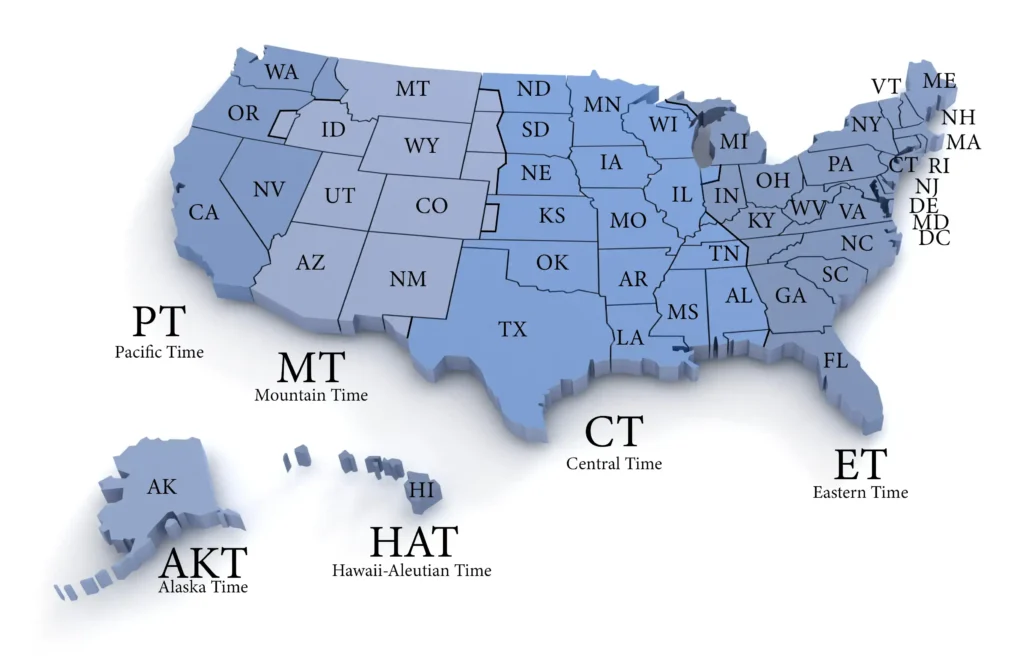
Planning a trip to the Heart of Dixie involves meticulous attention to detail, from selecting the perfect accommodation to mapping out your must-see attractions. One often-overlooked yet critical detail, especially for travelers traversing multiple states or making tight connections, is understanding local time zones. So, let’s address a common query right off the bat: is Alabama in the Central Time Zone?
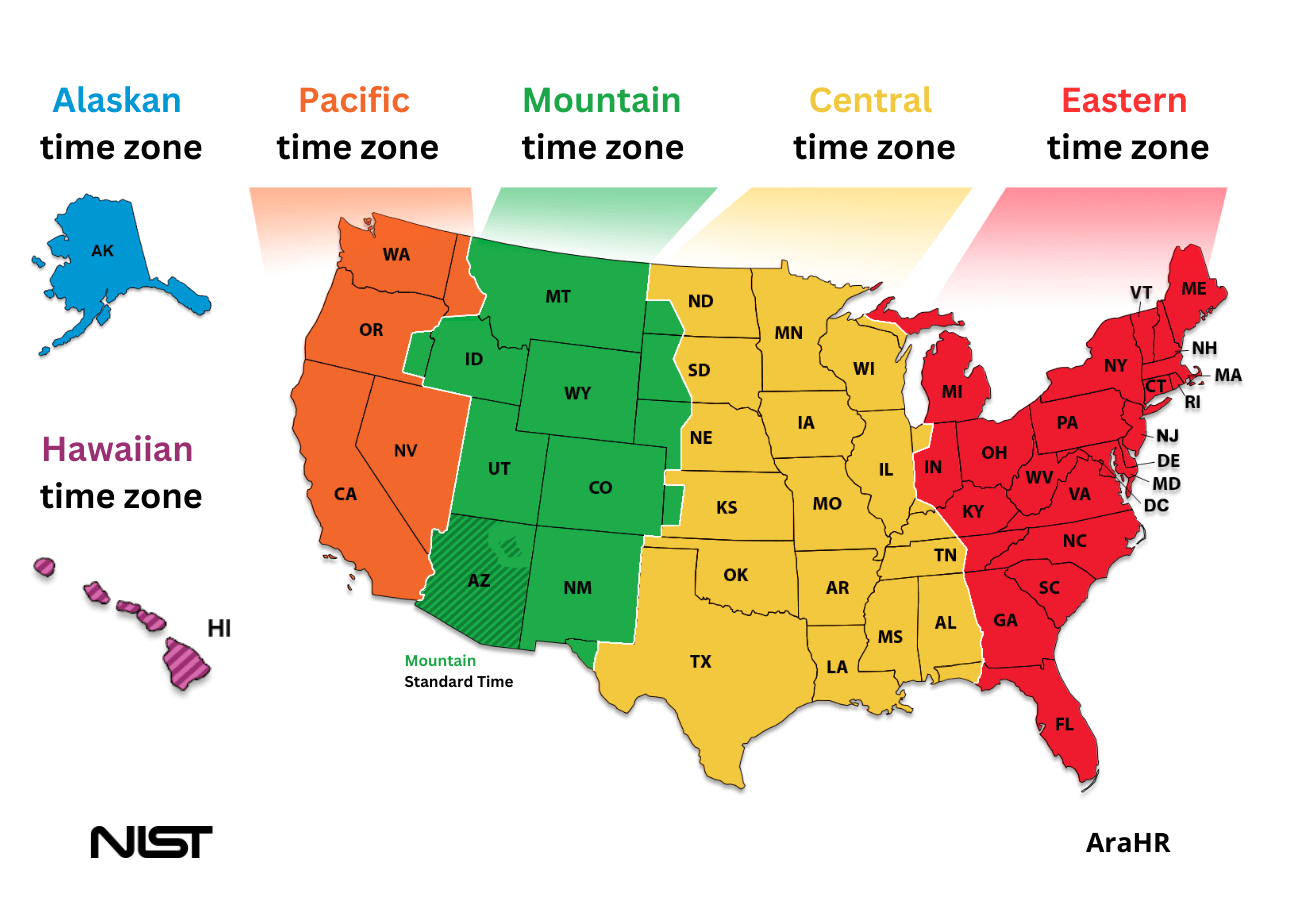
The short answer is: mostly, yes. The vast majority of Alabama operates on Central Time Zone (CT), observing Central Daylight Time (CDT) during the summer months. However, there’s a small, notable exception that every traveler should be aware of, particularly if their itinerary takes them near the state’s eastern border. This seemingly minor detail can significantly impact your travel plans, from flight arrivals and hotel check-ins to dining reservations and attraction visiting hours, making it a crucial piece of information for a seamless Alabama experience.
Understanding Alabama’s time zone landscape is not just about avoiding missed appointments; it’s about optimizing your entire travel experience. For those looking to immerse themselves in local culture, explore historical landmarks, or simply relax on the state’s beautiful beaches, knowing the precise time allows for better planning, ensuring you make the most of every moment.

Navigating Alabama’s Time Zones: A Traveler’s Guide
For most visitors, navigating Alabama’s time zones will be straightforward, as the state predominantly adheres to one standard. However, being aware of the nuances can save you from potential confusion and ensure your travel plans unfold without a hitch.
The Predominant Central Time Zone
The overwhelming majority of cities, towns, and regions within Alabama fall under the Central Time Zone (CT). This means that during standard time, Alabama is six hours behind Coordinated Universal Time (UTC-6). When Daylight Saving Time is observed, from early March to early November, the state switches to Central Daylight Time (CDT), moving one hour forward to UTC-5. This is consistent with many other Southern and Midwestern states in the United States.
Major metropolitan areas and popular tourist destinations such as Birmingham, Huntsville, Montgomery, Mobile, Tuscaloosa, Auburn, and the beloved Gulf Shores and Orange Beach all operate on Central Time Zone. This uniformity simplifies planning for most trips, whether you’re exploring the bustling city life of Birmingham, delving into the space history of Huntsville, or enjoying the white sandy beaches of the Gulf Coast.
For travelers arriving from other time zones, particularly those from the Eastern Time Zone or further west, adjusting your internal clock and devices upon arrival is key. This ensures you’re always on local time for check-ins, tour departures, and dining experiences, allowing for a stress-free immersion into Alabama’s charm.
The Eastern Exception: Phenix City and Russell County
Here’s where the time zone landscape in Alabama introduces a slight twist. While the vast majority of the state is in Central Time Zone, a small portion, specifically Phenix City and parts of Russell County, unofficially observes the Eastern Time Zone (ET). This unique situation is primarily due to their direct proximity to Columbus, Georgia, which is firmly in the Eastern Time Zone.
For practical purposes and to facilitate commerce and daily life with their larger neighbor across the Chattahoochee River, residents and businesses in Phenix City and Russell County often align their clocks with Eastern Time Zone. This means they are an hour ahead of the rest of Alabama. While legally the entire state is designated Central Time Zone, this de facto adherence to Eastern Time Zone in this border region is a significant detail for travelers.
If your journey takes you to this eastern edge of Alabama, particularly if you plan to visit attractions in Phenix City or interact with local businesses, it is highly advisable to confirm their operating hours in Eastern Time Zone. This is especially critical for hotel bookings, restaurant reservations, or any scheduled activities. A quick phone call or checking their website can prevent any temporal mishaps and ensure your plans proceed smoothly. This localized adjustment is a prime example of how local culture and economic ties can influence daily practices, even across official state and time zone lines.
Time Zones and Your Alabama Travel Experience
Understanding Alabama’s time zones is more than just a trivial detail; it’s a foundational element for a well-orchestrated trip, touching upon every aspect from itinerary planning to enjoying local culture.
Planning Your Itinerary and Attractions
The impact of time zones on your travel itinerary cannot be overstated. For those flying into Alabama, your arrival time will directly reflect the local Central Time Zone, which might mean gaining or losing an hour depending on your origin. This can affect connecting flights, ground transportation arrangements, and your initial check-in at your chosen accommodation.
When planning visits to Alabama’s diverse landmarks and attractions, always confirm their operating hours in local time. For instance, the awe-inspiring U.S. Space & Rocket Center in Huntsville, the poignant Birmingham Civil Rights Institute, or the historic USS Alabama Battleship Memorial Park in Mobile all operate on Central Time Zone. However, if you venture towards Phenix City, any attractions or businesses there will likely follow Eastern Time Zone.
For outdoor enthusiasts, exploring the trails of Cheaha State Park or golfing along the scenic Robert Trent Jones Golf Trail requires adherence to local time to maximize daylight hours and ensure you don’t miss tee times or park access. Likewise, planning a day trip to the historic The Shoals area, encompassing Florence, Sheffield, Muscle Shoals, and Tuscumbia, will be guided by Central Time Zone, ensuring you can visit the legendary recording studios and historical sites without a hitch. Careful planning ensures you make the most of your travel budget and time, avoiding any costly or disappointing missed opportunities.
Hotels, Accommodation, and Seamless Stays
Accommodation is often the cornerstone of any travel experience, and time zones play a direct role in ensuring a smooth stay. Hotel check-in and check-out times are invariably set to the local time. If you’re arriving from an Eastern Time Zone location to, say, a SpringHill Suites in Mobile, remember you’ll gain an hour. Conversely, traveling to Phenix City from elsewhere in Alabama means you’ll lose an hour. This distinction is crucial for coordinating early check-ins or late check-outs, especially when managing tight schedules or connecting flights.
Booking a luxurious retreat at the historic Grand Hotel Golf Resort & Spa in Point Clear or a sophisticated stay at The Battle House Renaissance Mobile Hotel & Spa requires attention to these details. Confirming reservation times, amenity schedules, and any concierge services in local time is paramount for a relaxing experience. For those opting for vacation rentals or long-term stays, coordinating arrival with hosts or property managers also necessitates time zone awareness.
Whether you’re looking for family-friendly resorts on the Gulf Coast, charming boutique hotels in historic downtowns, or budget-friendly apartments for an extended business trip, always double-check the time zone implications. This foresight ensures your accommodation is ready when you are, setting a positive tone for the rest of your Alabama adventure.
Food, Culture, and Local Lifestyle
Time zone awareness extends beyond logistical planning; it profoundly influences your ability to fully immerse yourself in Alabama’s rich food scene and vibrant local culture. Dinner reservations, showtimes for local theater or live music venues, and even the start of community festivals or sporting events are all tied to the local clock.
Imagine missing a reservation at a highly-rated Southern restaurant in Birmingham or arriving an hour late for a live jazz performance in Mobile simply because your watch hadn’t adjusted. These small missteps can detract from the cultural experiences that make travel so rewarding. In areas like Phenix City, where Eastern Time Zone is observed, the pace of life for local businesses and social gatherings will also follow this schedule. This means coordinating with friends or family who might be in a different time zone within the state requires an extra layer of planning.
From indulging in fresh seafood along the Gulf Coast to savoring barbeque in Montgomery, or experiencing the unique blend of music and history in Florence, being on local time ensures you’re never out of sync with the rhythm of Alabama. It allows you to participate fully in activities, connect with locals at appropriate times, and truly soak in the authentic Southern lifestyle, unhindered by temporal confusion.
Essential Tips for Time Zone Awareness in Alabama
To truly master your journey through Alabama, integrating time zone awareness into your routine is a simple yet powerful strategy. These tips will help you navigate the clocks with confidence, ensuring a smooth and enjoyable trip.
Tools and Strategies for Time Management
In today’s interconnected world, managing time zones is easier than ever. Your smartphone is your best friend here:
- Automatic Time Zone Settings: Ensure your phone’s settings are configured to automatically update its time zone based on your location. This is usually a default setting, but it’s worth double-checking before you travel.
- World Clock Features: Utilize your phone’s world clock function to add Central Time Zone (CT) and Eastern Time Zone (ET), especially if you plan to visit Phenix City. This allows for quick mental conversions.
- Online Converters: Before your trip, use online time zone converters to plan out specific events, flight times, and reservation schedules. This visual aid can be incredibly helpful for complex itineraries.
- Confirmation is Key: For critical appointments—like hotel check-ins, guided tours, or important meetings—always confirm the time directly with the venue or organizer. A quick phone call or email can save significant headaches.
- Set Reminders: Create calendar reminders for key events, and ensure these reminders are set to the local time zone of the event’s location.
For travelers embarking on business stays or those requiring precise scheduling, adopting these habits can transform potential stress into seamless execution. Even for leisurely family trips, having everyone’s devices properly adjusted avoids confusion and ensures everyone is on time for that highly anticipated beach excursion or museum visit.
Maximizing Your Alabama Adventure
Ultimately, being mindful of Alabama’s time zones is about maximizing your adventure. By proactively addressing this logistical detail, you unlock the full potential of what this diverse state has to offer. From the historic streets of Mobile to the vibrant nightlife of Birmingham, the serene beauty of the Gulf Coast, and the innovative spirit of Huntsville, every destination promises unique experiences.
For long-term stays, whether for work or extended exploration, adapting to the local time quickly will enhance your integration into the community and overall well-being. Budget travelers can also benefit, as knowing precise times can help avoid missed transportation or forfeited bookings, which can incur additional costs.
So, while the answer to “Is Alabama in the Central Time Zone?” is predominantly yes, remembering that small eastern exception and adopting smart time management practices will empower you to enjoy every moment of your journey. Alabama beckons with its Southern charm, rich history, and diverse attractions. With a clear understanding of the clock, you’re perfectly poised for an unforgettable travel experience.