
When planning a trip to the vibrant state of Alabama, understanding its time zone is a crucial detail that can impact everything from flight schedules to dinner reservations. Many travelers, especially those coming from or heading to neighboring states, often find themselves pondering this very question: “Is Alabama in the Eastern Time Zone?” The answer, however, is not as straightforward as a simple “yes” or “no.” Alabama straddles two distinct time zones, presenting a unique geographical and logistical consideration for visitors.
This duality is a fascinating aspect of Alabama’s identity, influenced by its history, geography, and its position within the broader landscape of the United States. For the avid traveler, the diligent planner, or even the curious local, unraveling this time zone mystery unlocks a smoother travel experience and a deeper appreciation for the state’s intricate character. Whether you’re booking your stay at a luxurious resort in Huntsville or exploring the historic streets of Mobile, knowing the local time is paramount.
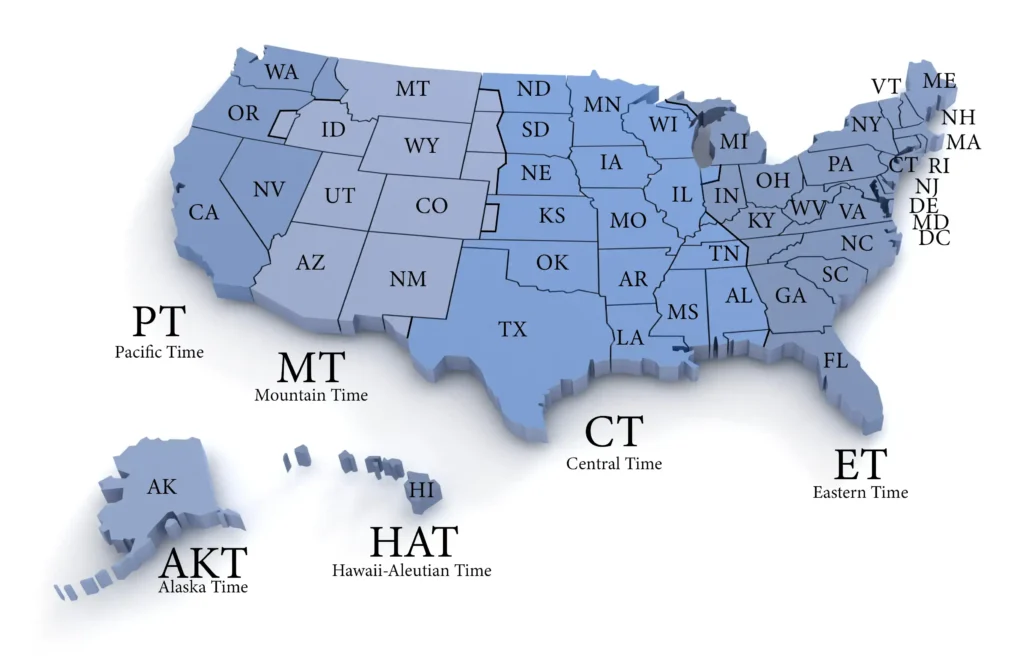
Navigating Alabama’s Time Zone Divide
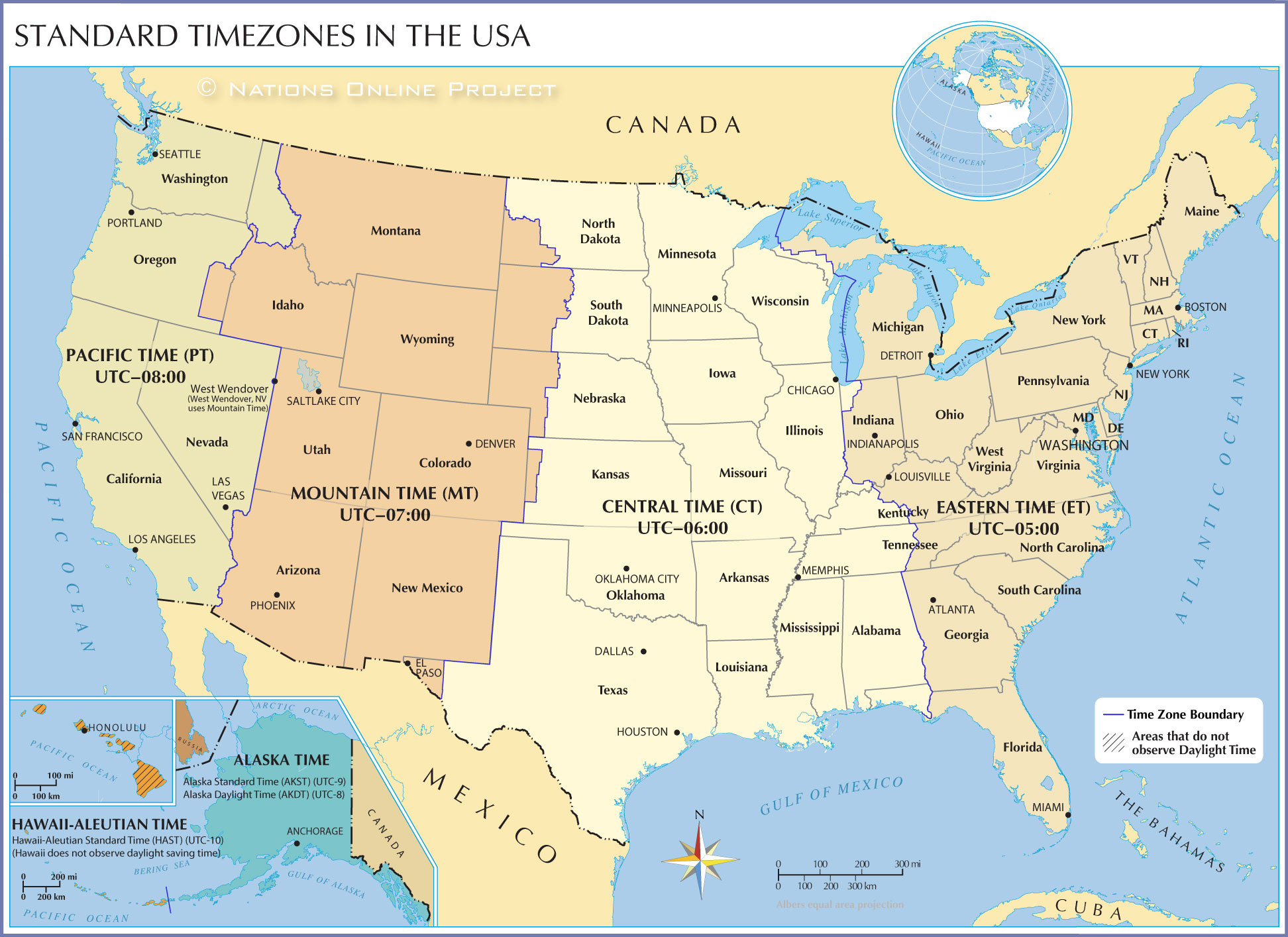
The core of the confusion surrounding Alabama’s time zone lies in the fact that the state is not uniformly in one zone. Instead, it’s split between the Central Time Zone and the Eastern Time Zone. This division is not arbitrary but follows specific geographical lines that have been established for practical reasons. Understanding where these lines fall is key to navigating Alabama accurately.
Central Time Zone Dominance
The vast majority of Alabama observes the Central Time Zone. This means that most of the state operates on Central Standard Time (CST), which is UTC-6, and observes Central Daylight Time (CDT) during daylight saving months, which is UTC-5. Major cities and popular tourist destinations like Birmingham, Montgomery, and Huntsville are all firmly situated within the Central Time Zone.
This includes a significant portion of the state’s population and its key economic and cultural hubs. When you are in these areas, and most of Alabama, you will be observing Central Time. This is a crucial piece of information for anyone planning activities, booking accommodations, or coordinating with people within these regions. For instance, if you are booking a tour of the USS Alabama Battleship Memorial Park in Mobile, be aware that Mobile operates on Central Time. Similarly, exploring the historic Civil Rights District in Montgomery will put you in the Central Time Zone.
Eastern Time Zone Pockets
However, there are specific areas in the eastern part of Alabama that fall within the Eastern Time Zone. These areas are generally located along the state’s border with Georgia. The exact demarcation line can be a bit nuanced, but for practical travel purposes, it’s important to be aware that some counties in eastern Alabama observe Eastern Standard Time (EST), UTC-5, and Eastern Daylight Time (EDT), UTC-4.
This means that if your travel plans take you to these specific eastern counties, your watch should be one hour ahead of the time in the rest of the state. While these areas might not be as heavily populated with major tourist attractions as the central and western parts of the state, they are still part of Alabama and deserve due consideration. Understanding this difference is particularly important for those who might be driving across the state or coordinating with individuals or businesses located in these specific eastern regions. For example, if you are attending an event in a town like Phenix City, which is right on the border with Columbus, Georgia, you’ll be operating on Eastern Time.
Why the Time Zone Split? Historical and Geographical Factors
The division of Alabama into two time zones is not a modern imposition but rather a reflection of historical development and geographical realities. Time zones in the United States were standardized with the advent of railroads in the late 19th century, aiming to bring order to conflicting local times. States with significant east-west extent often found themselves naturally bisected by these new time zone boundaries.

Railroads and Standardization
The initial implementation of standard time zones in the United States was heavily influenced by the needs of railway companies. Before standardization, each town kept its own local time, often based on solar noon. This made scheduling train departures and arrivals incredibly complex and prone to errors. The establishment of four continental time zones—Eastern, Central, Mountain, and Pacific—brought a much-needed uniformity to the nation’s schedules.
Alabama, with its significant east-west dimension, naturally fell into a position where its western parts aligned more closely with the Central Time Zone, which generally follows the 90th meridian west, and its eastern parts with the Eastern Time Zone, roughly following the 75th meridian west. While the exact boundaries have been adjusted over time based on population distribution, economic considerations, and local preferences, the fundamental principle of aligning with natural geographical and historical patterns has largely persisted. For a state like Alabama, this meant that the natural flow of commerce and travel, especially with its neighbors like Georgia to the east, played a role in where the time zone boundaries were ultimately set.
Geographical Considerations and State Boundaries
The geographical layout of Alabama is a primary reason for its time zone split. The state’s eastern border is naturally aligned with the western edge of the Eastern Time Zone. As the time zones were established, counties and communities located closer to the Georgia border often found it more practical to align with the time observed in their neighboring states. This was particularly true for communities that had strong economic and social ties with cities across the state line.
Conversely, the western parts of Alabama, and indeed the majority of the state, are geographically closer to the natural longitude lines associated with the Central Time Zone. This alignment facilitates easier coordination with other Central Time Zone states like Mississippi, Tennessee, and Florida (which also has a split time zone). The historical context of settlement patterns and the development of transportation networks further cemented these divisions, making it the logical and practical choice for the state’s temporal organization.
Practical Tips for Travelers
For any visitor to Alabama, being aware of the time zone split is not just an interesting piece of trivia; it’s a practical necessity. Whether you’re planning to explore the historic architecture in Selma, enjoy the beaches of Gulf Shores, or experience the rich cultural heritage in Tuscaloosa, a little foresight can prevent logistical headaches.
Planning Your Itinerary
When planning your travel itinerary, it’s essential to confirm the time zone of your specific destination within Alabama. If your travels are concentrated in major cities like Birmingham, Montgomery, or Huntsville, you will be in the Central Time Zone. However, if your visit includes areas near the eastern border with Georgia, such as parts of Lee County or Russell County, you might be in the Eastern Time Zone.
Always double-check the time zone for specific attractions, tours, hotel bookings, and restaurant reservations. Online booking platforms and travel guides usually provide this information, but it’s wise to cross-reference. For example, if you book a stay at the Ritz-Carlton, Reynolds Plantation (which is actually in Georgia, but illustrates the border proximity concept for time zone awareness), and then plan a day trip into eastern Alabama, being mindful of the time difference is crucial. Similarly, if you are flying into an airport that serves a border region, confirm the airport’s time zone.
Staying Connected and Informed
In today’s interconnected world, staying informed is easier than ever. Most smartphones and digital devices automatically update to the correct local time when connected to a network, which can be a lifesaver when crossing time zones. However, it’s still good practice to be aware of the time difference, especially when dealing with time-sensitive communications or bookings.
If you are coordinating with locals or businesses in Alabama, always clarify the time zone they are operating on. A simple question like, “What time is that in Central Time?” or “Are you in the Eastern Time Zone?” can prevent misunderstandings. For those planning business stays or engaging in corporate travel, confirming meeting times across different parts of the state or with out-of-state partners is paramount. Understanding the time zone split in Alabama is not just about telling time; it’s about facilitating smooth travel, clear communication, and an enjoyable experience in the beautiful state of Alabama.