
In the vast and intricate world of modern travel, few questions weigh as heavily on a traveler’s mind as the safety of their chosen airline. The decision to embark on a journey, whether for a crucial business meeting, a much-anticipated family vacation, or a solo adventure, is inherently tied to the assurance of a safe passage. When contemplating a flight with a specific carrier, such as Alaska Airlines, passengers often seek reassurance through objective data, historical records, and a deeper understanding of industry standards. As a cornerstone of the travel experience, air safety isn’t merely a statistic; it’s the invisible foundation upon which all other aspects of a memorable journey – from exquisite hotels and vibrant tourism experiences to the discovery of awe-inspiring landmarks – are built.
This comprehensive guide will delve into the multifaceted topic of airline safety, examining the robust frameworks that govern the industry, scrutinizing the performance of carriers like Alaska Airlines, and ultimately empowering travelers with the knowledge to make informed decisions. We will explore how a commitment to safety not only protects lives but also underpins the entire global travel ecosystem, influencing everything from destination choices to the very nature of our lifestyle on the move.

Decoding Airline Safety: Metrics and Benchmarks
Understanding airline safety goes beyond anecdotal evidence or sensationalized news headlines. It involves a systematic analysis of regulatory frameworks, accident records, incident reports, and the continuous operational practices of airlines worldwide. For passengers seeking to gauge the safety of a carrier, a look at these foundational elements is crucial.
The Regulatory Framework: FAA and NTSB
At the forefront of aviation safety in the United States are two critical agencies: the Federal Aviation Administration (FAA) and the National Transportation Safety Board (NTSB). The Federal Aviation Administration (FAA) is responsible for regulating all aspects of civil aviation within the United States, including air traffic control, pilot certification, aircraft manufacturing standards, and airline operations. Their stringent regulations cover everything from how an aircraft is designed and maintained to the training and rest periods for pilots and cabin crew. Compliance with Federal Aviation Administration (FAA) rules is non-negotiable for any airline operating in the country, and regular audits ensure adherence to these high standards.
The National Transportation Safety Board (NTSB), on the other hand, is an independent federal agency responsible for investigating transportation accidents, including those involving civil aircraft. When an aviation incident occurs, the National Transportation Safety Board (NTSB) launches a thorough investigation to determine the probable cause and issue safety recommendations to prevent future occurrences. These recommendations often lead to improvements in regulations, aircraft design, or operational procedures, making the entire aviation system safer. This two-pronged approach – proactive regulation by the Federal Aviation Administration (FAA) and reactive, in-depth investigation by the National Transportation Safety Board (NTSB) – forms a robust safety net for air travelers. Beyond the United States, organizations like the European Union Aviation Safety Agency (EASA) play similar roles, ensuring global safety harmonization.

Analyzing Accident Records and Incident Reports
While no industry can guarantee zero incidents, commercial aviation is renowned for its exceptional safety record, particularly in developed nations. When evaluating an airline’s safety, experts look at its historical accident record. A single incident, especially one investigated thoroughly, can lead to widespread changes that enhance overall safety. Reputable airlines typically have long periods, often decades, without fatal accidents.
Beyond major accidents, airlines track and analyze every minor incident – from mechanical malfunctions to operational deviations. These incident reports are invaluable, providing data for continuous improvement. Predictive analytics and proactive maintenance schedules are often developed based on these reports, allowing airlines to address potential issues before they escalate. Websites like AirlineRatings.com and Aircraft Accident Archives compile and analyze this data, offering public ratings and historical context for various carriers. For passengers, understanding that airlines are constantly learning and adapting from every flight is key to appreciating the layers of safety built into air travel.
Operational Excellence: Maintenance and Training
The backbone of airline safety lies in two interconnected pillars: meticulous aircraft maintenance and rigorous crew training. Modern commercial aircraft are marvels of engineering, designed with redundancies and built to withstand extreme conditions. However, their continued safe operation relies on an unwavering commitment to maintenance protocols. Airlines employ highly skilled mechanics and technicians who perform routine inspections, preventative maintenance, and necessary repairs according to strict manufacturer guidelines and regulatory requirements. Components are replaced based on flight hours, cycles, or calendar time, ensuring that every part of the aircraft is operating within specified tolerances.
Equally critical is the comprehensive training received by flight crews. Pilots undergo extensive initial training and continuous recurrent training in flight simulators that replicate every conceivable scenario, from engine failures to adverse weather conditions. They are tested on their decision-making skills, adherence to standard operating procedures, and ability to manage emergencies. Cabin crew members are also rigorously trained in safety procedures, including emergency evacuations, first aid, and handling disruptive passengers. This relentless focus on training ensures that every individual involved in the flight operation is prepared to act swiftly and effectively, maintaining the highest possible safety standards for passengers flying to diverse destinations like Anchorage or Mexico.
Alaska Airlines’ Commitment to Safety
Alaska Airlines has long been recognized as a prominent player in North American aviation, serving a wide network of destinations across the United States, Canada, Mexico, and Costa Rica. For travelers considering them for their next journey, understanding their specific safety record and practices is paramount.
A Legacy of Reliability: Historical Context
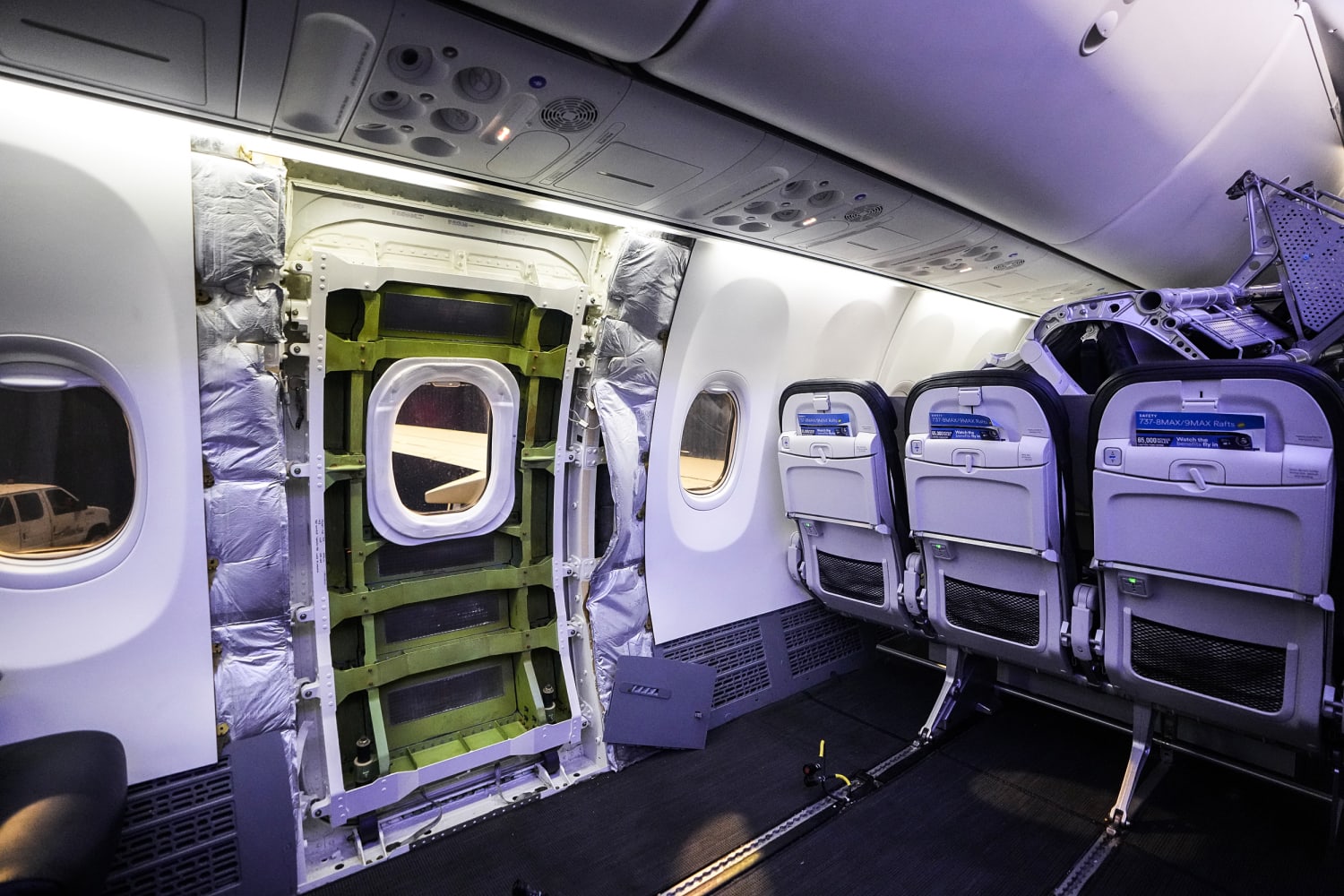
Alaska Airlines boasts a strong safety record, particularly in recent decades. The airline has operated for many years without a fatal accident, a testament to its consistent adherence to safety protocols and continuous improvement. This long history of safe operation positions them favorably among their peers. While no airline is immune to incidents – as demonstrated by a recent incident involving a cabin panel – the industry’s response to such events, including immediate grounding of similar aircraft for inspection and collaboration with regulatory bodies, is crucial. Alaska Airlines’ proactive measures and transparent communication following the Boeing 737 MAX 9 door plug incident reinforced their commitment to passenger safety above all else. Such incidents, though rare, often lead to enhanced scrutiny and even safer practices across the entire aviation industry, benefiting all travelers.
Fleet Modernization and Technology Investment
A key component of Alaska Airlines’ safety strategy is its commitment to maintaining a modern and well-serviced fleet. The airline primarily operates Boeing 737 aircraft, with a strong emphasis on newer generation models like the 737 MAX. Newer aircraft often incorporate advanced avionics, more efficient engines, and improved safety features compared to older models. By investing in fleet modernization, Alaska Airlines benefits from the latest in aerospace technology and design, which translates directly into enhanced reliability and safety.
Beyond new aircraft purchases, the airline also invests heavily in maintenance technology. This includes predictive maintenance programs that utilize data analytics to anticipate potential issues before they arise, advanced diagnostic tools, and state-of-the-art repair facilities at hubs like Seattle-Tacoma International Airport, Portland International Airport, and Los Angeles International Airport. This technological edge in both its aircraft and its maintenance operations contributes significantly to its robust safety profile.
Pilot Training and Cabin Crew Protocols
The human element remains paramount in aviation safety. Alaska Airlines prides itself on its highly skilled and experienced flight crews. Their pilots undergo rigorous initial training to meet Federal Aviation Administration (FAA) standards and participate in recurrent training programs that exceed regulatory minimums. These programs utilize full-motion flight simulators to practice a wide array of emergency scenarios, ensuring pilots are proficient in handling everything from severe weather to system malfunctions. The emphasis is on continuous learning, crew resource management, and effective communication, all critical for safe operations.
Similarly, Alaska Airlines’ cabin crew members are extensively trained not only in service but, more importantly, in safety and emergency procedures. They are the first responders in an aircraft cabin, trained in first aid, CPR, emergency evacuations, fire suppression, and managing various onboard situations. Their ability to remain calm and effectively guide passengers in an emergency is a vital layer of the airline’s overall safety strategy. This integrated approach to training ensures that from the cockpit to the cabin, every crew member is a dedicated safety professional.
Passenger Experience and Emergency Preparedness
While most flights are uneventful, Alaska Airlines emphasizes comprehensive emergency preparedness, which directly impacts the passenger experience. Before every flight, clear safety briefings are provided, and safety cards are available, outlining procedures for seatbelts, oxygen masks, life vests, and emergency exits. This seemingly routine aspect is a crucial part of empowering passengers with critical information.
In the rare event of an unexpected situation, Alaska Airlines has established protocols for communication and assistance. Their crews are trained to manage situations professionally, ensuring passenger comfort and safety are prioritized. From ensuring timely access to medical equipment on board to having robust ground support for unforeseen diversions or delays, the airline’s approach to safety extends beyond just the flight itself, encompassing the entire journey. This commitment provides a layer of confidence for all travelers, whether they are flying for luxury travel or simply a short hop to Portland.
The Far-Reaching Impact of Air Travel Safety on Your Journey
The safety of air travel is not an isolated concern; it fundamentally underpins and enables nearly every facet of the global travel and tourism industry. When passengers feel confident in their chosen airline, it opens up a world of possibilities, connecting them to new cultures, experiences, and opportunities.
Connecting Travelers to Destinations and Experiences
Safe and reliable air travel is the arterial system of global tourism. It allows millions of people annually to reach far-flung destinations that would otherwise be inaccessible. Consider the allure of Hawaii‘s pristine beaches, the historical depths of Rome, or the bustling energy of New York City. None of these attractions would be within practical reach for most without the assurance of safe air transit. Airlines like Alaska Airlines serve as vital bridges, transforming distant dreams into tangible experiences.
Travel guides, often found on platforms like ours, meticulously detail the best things to do, where to find authentic local culture, and how to discover hidden gems. These guides only become relevant once a traveler has safely arrived at their chosen destination. The confidence instilled by a safe flight allows travelers to focus on the excitement of their upcoming adventure, whether it’s exploring ancient architecture or savoring exotic food.
Assuring Accommodation and Tourism Plans
The entire accommodation sector, from opulent resorts and boutique hotels to cozy apartments and private villas, relies heavily on the predictability and safety of air travel. Imagine booking a suite at a luxurious Grand Hyatt Hotel in Tokyo or a charming guesthouse in Paris, only to be uncertain about the safety of your flight. Safe airlines ensure that your meticulously planned booking remains viable and your arrival on schedule.
Similarly, tourism businesses – tour operators, local activity providers, restaurants, and souvenir shops – thrive on the influx of visitors brought by air travel. A reputation for airline safety contributes significantly to a region’s overall appeal as a tourist destination. When an airline maintains a strong safety record, it builds trust, encouraging more people to explore new locales, participate in diverse activities, and contribute to local economies. Conversely, concerns about air safety can quickly deter travelers, leading to cancellations in accommodation and a decline in tourism revenue.
Enhancing Different Lifestyle Travel Segments
Air travel safety is a universal concern that transcends different lifestyle segments of travelers. For those engaging in luxury travel, the expectation of safety is often intertwined with seamless service and exclusive amenities. For families planning family trips with young children, safety is usually the absolute top priority, influencing everything from airline choice to seating arrangements. Parents want the assurance that their loved ones are in the safest possible hands when flying to Disneyland or a beach resort.
Business travelers, who frequently fly for critical meetings or corporate events, depend on reliable and safe air transport to fulfill their professional obligations. Delays or, worse, safety incidents can have significant financial and reputational impacts. Even budget travelers, while seeking cost-effective options, never compromise on safety. The lowest fare holds no value if the journey itself is perceived as risky. Therefore, an airline’s commitment to safety serves all these diverse travel needs, providing the fundamental assurance required for any type of journey, whether it’s a quick trip to San Francisco or a long-term stay in another country.
Empowering Travelers: How to Assess Airline Safety
While regulatory bodies and airlines work tirelessly to ensure safety, informed travelers can also take proactive steps to assess and understand airline safety. Empowering yourself with knowledge allows for greater peace of mind and more confident travel planning.
Utilizing Independent Safety Ratings
Several independent organizations and websites specialize in evaluating airline safety based on publicly available data, audits, and historical records. AirlineRatings.com, for example, provides a comprehensive safety rating system that considers factors such as crash history, governmental audits (from the Federal Aviation Administration and International Civil Aviation Organization for all countries), fleet age, and International Air Transport Association (IATA) Operational Safety Audit (IOSA) certification. These ratings offer a quick and reliable benchmark for comparing airlines.
Similarly, consulting reports from aviation safety analysts or reputable industry publications can provide deeper insights into specific airline practices and overall industry trends. These resources synthesize complex data into digestible formats, helping travelers understand where an airline stands in terms of safety performance relative to global standards.
Reading Passenger Reviews and Reports
While not a substitute for official safety audits, passenger reviews on platforms like TripAdvisor, Skytrax, or Google can offer valuable qualitative insights. Travelers often share their experiences regarding aircraft cleanliness, crew professionalism, and how incidents (minor or otherwise) were handled. These first-hand accounts, while subjective, can highlight aspects of an airline’s operational culture that might not be captured in statistical data alone. For instance, consistent praise for attentive and well-trained cabin crew can indirectly speak to an airline’s emphasis on safety protocols and emergency preparedness.
It’s important to approach reviews with a critical eye, considering the context and overall sentiment, rather than focusing on isolated negative reports. However, patterns of concern or consistent positive feedback can certainly contribute to a more holistic understanding of an airline’s commitment to passenger well-being.
Understanding Travel Insurance and Preparedness
Even with the safest airlines and the most meticulous planning, unforeseen circumstances can arise. This is where travel insurance becomes an invaluable tool for preparedness. While it doesn’t prevent incidents, robust travel insurance can provide financial protection against flight cancellations, delays, lost luggage, medical emergencies abroad, and even trip interruptions. It’s an essential component of responsible travel planning, offering a safety net for your investment in your trip.
Beyond insurance, personal preparedness is also key. Familiarizing yourself with airline policies, carrying essential medications, having copies of important documents, and knowing emergency contacts are all small but significant steps. Staying informed about your flight status and destination advisories enhances your overall safety and comfort, allowing you to fully enjoy your chosen lifestyle of exploration and adventure.
Conclusion: Flying with Confidence
In conclusion, the question “Is Alaska Airlines Safe?” can be confidently answered with a resounding yes, based on industry standards, regulatory oversight, and their consistent operational record. Alaska Airlines, like all major carriers operating under the stringent watchful eye of the Federal Aviation Administration (FAA) and subject to the rigorous investigations of the National Transportation Safety Board (NTSB), adheres to some of the highest safety standards in the world. Their commitment to a modern fleet, extensive pilot and crew training, and proactive safety management systems underscores their dedication to passenger well-being.
The safety of air travel is not just about avoiding accidents; it is about fostering a global environment where people can connect, explore, and enrich their lives. It enables the vibrant industry of tourism, supports myriad accommodation options, and opens up access to countless landmarks and destinations worldwide. Whether you’re planning a thrilling adventure, a relaxing resort getaway, or an important business trip, choosing an airline with a proven safety record like Alaska Airlines allows you to embark on your journey with confidence, focusing on the exciting experiences that await you rather than concerns about the flight itself. Safe travels are the bedrock of unforgettable travel memories, shaping our lifestyle choices and expanding our horizons.