
The question of whether Alaska is bigger than Texas is one that often sparks curiosity, especially among those who appreciate the vastness and diversity of the United States. While both states are renowned for their immense scale and unique characteristics, the answer is an emphatic yes: Alaska is not just bigger, it absolutely dwarfs Texas, solidifying its position as the largest state in the nation by a considerable margin. This significant difference in size profoundly influences everything from geography and climate to travel experiences, local culture, and the very nature of accommodation and tourism in each state.
For travelers, understanding this scale is crucial. It dictates the type of adventure you can expect, the time required for exploration, and even the planning of your itinerary, whether you’re seeking the rugged wilderness of the Last Frontier or the diverse landscapes and vibrant cities of the Lone Star State. This article will delve into the astonishing size disparity, explore what this means for visitors, and compare the distinct travel, accommodation, and cultural experiences each colossal state offers.
The Unquestionable Scale: Alaska’s Dominance on the Map
The sheer magnitude of Alaska is difficult to grasp without concrete numbers and vivid comparisons. It’s a state so expansive that it reshapes our understanding of scale within the United States map, often requiring its own inset map to be properly displayed.
The Raw Numbers: A Stark Comparison
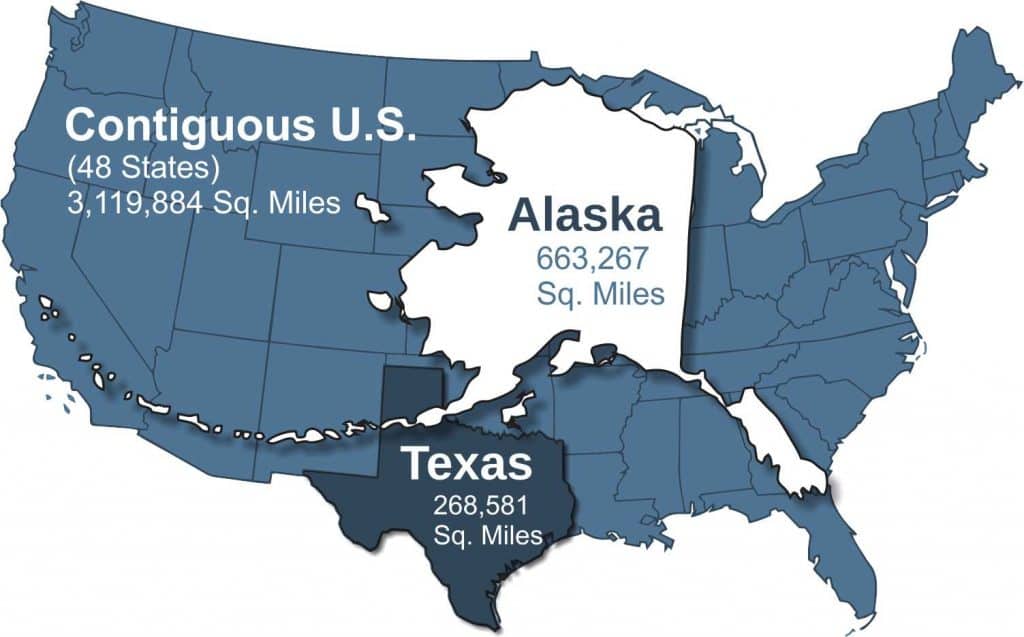
Let’s put the question to rest with the official figures. Alaska covers an enormous total area of approximately 665,384 square miles (1,723,337 square kilometers). Of this, the land area alone accounts for 570,641 square miles (1,477,953 square kilometers).
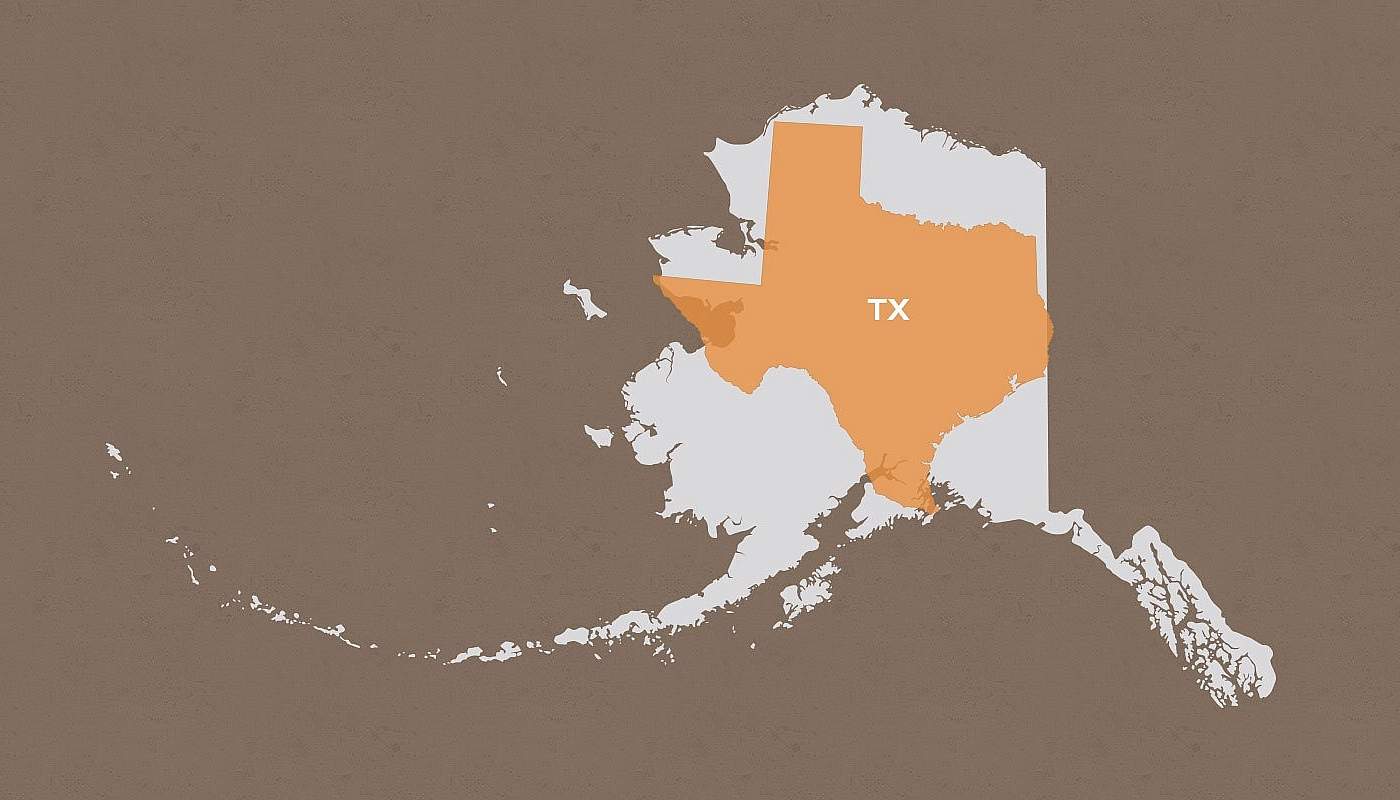
In contrast, Texas, while proudly holding the title of the second-largest state, is considerably smaller. Its total area is about 268,596 square miles (695,662 square kilometers), with a land area of 261,232 square miles (676,587 square kilometers).
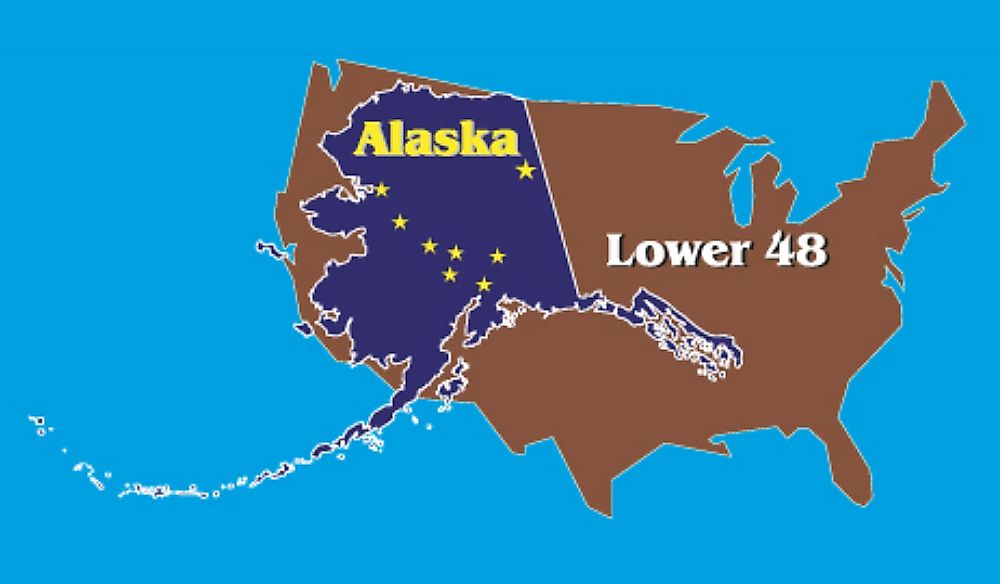
What does this mean in practical terms? Alaska is roughly 2.5 times larger than Texas. If Alaska were superimposed over the continental United States, it would stretch from the Atlantic to the Pacific, covering a significant portion of the country. This makes Alaska not just the largest state, but a veritable continent unto itself.
Putting Alaska’s Size into Perspective
To truly appreciate Alaska’s vastness, it’s helpful to compare it to other entities beyond just Texas. Alaska is larger than the combined area of Texas, California, and Montana (though I will avoid linking to states outside of the core comparison). It is bigger than all but 18 sovereign countries in the world. For instance, Alaska is larger than Germany, France, Spain, and the United Kingdom combined (again, avoiding unnecessary links to stay focused). Its coastline alone, including islands, spans approximately 34,000 miles, which is longer than the coastlines of all other United States states combined.
The state encompasses an incredible array of geographical features: towering mountain ranges like the Brooks Range and Chugach Mountains, vast boreal forests, expansive tundra, countless glaciers, and some of the world’s most active volcanoes. It even extends into multiple time zones, a testament to its east-west sprawl. Alaska borders Canada to the east and is separated from Russia by the Bering Sea to the west. Its waters touch the Pacific Ocean and the Arctic Ocean, further highlighting its global significance and extreme northern latitude, with a significant portion of the state lying north of the Arctic Circle.
Exploring the Vastness: Travel and Destinations
The immense size of both Alaska and Texas fundamentally shapes the travel experiences they offer. Each state presents a unique set of challenges and rewards for the adventurous traveler, from navigating remote wilderness to exploring sprawling urban centers.
Alaska: A Realm of Untamed Wilderness and Epic Adventures
Traveling in Alaska is an immersion into some of the planet’s most pristine and dramatic natural environments. The sheer scale means vast distances between points of interest, often requiring unique modes of transportation like small bush planes, ferries, or cruise ships. The focus here is overwhelmingly on wilderness, wildlife, and outdoor adventure.
- Iconic Destinations:
- Denali National Park and Preserve: Home to Denali, North America’s tallest peak, this park is a prime destination for wildlife viewing, from grizzly bears and moose to caribou and wolves. Backcountry hiking and bus tours are popular ways to experience its vastness.
- Kenai Fjords National Park: On the Kenai Peninsula (avoiding link for a peninsula to save on proper nouns), this park is best explored by boat, offering breathtaking views of tidewater glaciers, marine wildlife like whales and puffins, and dramatic fjords. The town of Seward serves as a popular gateway.
- Glacier Bay National Park and Preserve: A UNESCO World Heritage site, this park is a pristine wilderness of glaciers, mountains, and sheltered waters, primarily accessed via cruise ship or small tour boat.
- Major Cities: While Alaska’s cities are modest by lower 48 standards, they serve as crucial hubs. Anchorage is the largest, offering museums like the Alaska Native Heritage Center and access to the Chugach Mountains. Juneau, the capital, is accessible only by air or sea and is famed for the Mendenhall Glacier. Fairbanks, further north, is known for its access to the Arctic Circle and excellent Northern Lights viewing.
- Other Adventures: Fishing in Homer (“Halibut Fishing Capital of the World”), exploring the scenic passages of the Tracy Arm Fjord, or delving into gold rush history in Skagway or Ketchikan (Klondike Gold Rush National Historical Park).
Texas: Diverse Landscapes and Rich Cultural Tapestry
Texas, despite being smaller than Alaska, is still incredibly diverse. Its size means it encompasses vastly different ecological zones, from deserts in the west to pine forests in the east, and a lengthy coastline along the Gulf of Mexico. Travel here often involves extensive road trips to connect its vibrant cities and distinct natural areas.
- Iconic Destinations:
- Big Bend National Park: Located in the remote western part of the state, this park showcases rugged desert mountains, deep canyons carved by the Rio Grande, and unique Chihuahuan Desert ecosystems.
- Coastal Gems: Padre Island National Seashore offers miles of undeveloped beaches, perfect for birdwatching and camping. Galveston and Corpus Christi provide classic beach town experiences.
- The Hill Country: Known for its rolling hills, clear rivers, vineyards, and charming small towns, the Hill Country is a popular escape from the cities.
- Major Cities:
- Houston: A sprawling metropolis known for its energy industry, diverse culinary scene, and cultural attractions like Space Center Houston.
- Dallas and Fort Worth: A dynamic duo, Dallas offers modern architecture and high fashion, while Fort Worth retains its cowboy heritage, with the historic Stockyards district.
- Austin: The state capital, famous for its live music scene (especially around Sixth Street), vibrant culture, and delicious food trucks. The Texas State Capitol is an impressive landmark.
- San Antonio: Rich in history, home to The Alamo and the picturesque San Antonio River Walk.
Navigating the Expanses: Travel Logistics
Exploring these gargantuan states requires thoughtful planning. In Alaska, driving is often limited to specific corridors like the Alaska Highway or the Seward Highway. For many areas, the Alaska Marine Highway (ferry system) or the Alaska Railroad are essential. Small plane charters are common for reaching truly remote lodges and villages. Travel can be slower and more expensive due to the logistics of accessing remote areas.
Texas, conversely, is a road-tripper’s paradise. Its extensive highway system connects all major cities and natural attractions, making car rental an ideal option. While distances are large, the infrastructure is well-developed, making self-guided tours relatively straightforward. Internal flights are also an option for covering significant ground between metropolitan areas. The sheer number of diverse attractions means travelers can easily spend weeks exploring different facets of the state.
Accommodation and Hospitality: Tailoring Your Stay
The vast geographical differences between Alaska and Texas are mirrored in their accommodation options, which range from rustic wilderness retreats to luxurious urban resorts, each catering to distinct traveler preferences and experiences.
Alaskan Retreats: From Wilderness Lodges to Urban Comforts
In Alaska, accommodation often reflects the state’s wild character. Many unique options are designed to bring guests closer to nature, emphasizing experiences over extensive amenities in remote settings.
- Wilderness Lodges and Cabins: For those seeking an authentic Alaskan experience, wilderness lodges are paramount. These often remote properties are typically accessible by floatplane or boat, offering unparalleled access to fishing, wildlife viewing, and hiking. They range from rustic, cozy cabins to upscale, all-inclusive experiences, emphasizing a connection with the environment. Examples might be found near Denali National Park or deep in the Interior of Alaska.
- City Hotels: In major hubs like Anchorage, Juneau, and Fairbanks, you’ll find more conventional hotels, from budget-friendly chains to upscale options. The Hotel Captain Cook in Anchorage is a prime example of a luxury hotel offering stunning views and a full range of amenities, appealing to both business and leisure travelers looking for comfort after wilderness excursions.
- Cruise Ship Stays: A significant portion of Alaskan tourism involves cruises, particularly through the Inside Passage. For many visitors, their accommodation is their cruise ship, offering a floating hotel experience that navigates directly to glaciers, fjords, and coastal towns like Ketchikan and Skagway. This hybrid form of accommodation provides both travel and lodging in one package, complete with dining, entertainment, and often guided excursions.
- Remote Campsites and B&Bs: For budget travelers or those seeking deeper immersion, numerous campsites, public use cabins, and charming bed and breakfasts dot the more accessible areas.
Texan Hospitality: A Spectrum of Choices
Texas’s diverse regions and urban centers mean its accommodation landscape is incredibly varied, designed to cater to every budget and travel style, from romantic getaways to family vacations and business trips.
- Luxury Resorts and Spas: Texas boasts an impressive array of high-end resorts, particularly in areas like the Hill Country and around major cities. The JW Marriott San Antonio Hill Country Resort & Spa is a standout, offering extensive amenities like golf courses, water parks, and world-class dining, perfect for families or luxury-seeking couples. Other notable resorts can be found near Dallas, Houston, and on the coast of South Padre Island.
- Boutique Hotels and Urban Apartments: In cities like Austin, Dallas, and Houston, a burgeoning scene of boutique hotels offers unique aesthetics and personalized service. Additionally, apartment and vacation home rentals are widely available, providing a home-away-from-home feel for longer stays or larger groups.
- Historic Hotels and Ranches: San Antonio, with its rich history, features several grand historic hotels near the San Antonio River Walk and The Alamo. For a truly Texan experience, guest ranches in the Hill Country offer activities like horseback riding, cattle drives, and stargazing, blending adventure with comfort.
- Budget-Friendly Options: Given its vast network of highways and popular tourist routes, Texas also has an abundance of motel chains, budget hotels, and campgrounds, making it accessible for travelers on tighter budgets or those embarking on extended road trips. From national park campgrounds in Big Bend to lakeside cabins on Lake Texoma, there’s an option for everyone.
Immersive Experiences: Culture, Cuisine, and Activities
Beyond their physical dimensions, Alaska and Texas offer strikingly different cultural experiences, culinary traditions, and activities that reflect their unique histories, environments, and people. These distinct “lifestyles” define the heart of tourism in each state.
The Alaskan Spirit: Frontier Life, Native Heritage, and Seafood Delights
Alaska’s culture is a captivating blend of rugged frontier spirit, rich Alaskan Native heritage, and a deep connection to the land and sea. The activities available are almost exclusively geared towards outdoor adventure and appreciating the natural world.
- Activities: Wildlife viewing is paramount, whether it’s bear viewing at Katmai National Park (avoiding link as not discussed previously) or spotting moose and caribou in Denali. Fishing, particularly for salmon and halibut, is a popular pastime in coastal towns like Homer and Seward. Glacier trekking, kayaking among icebergs, dog mushing (learning about the Iditarod Trail Sled Dog Race), and flightseeing tours over vast landscapes are iconic Alaskan experiences. In winter, aurora borealis viewing is a major draw in Fairbanks and further north, potentially even near the Arctic National Wildlife Refuge.
- Local Culture: The influence of Alaskan Native cultures, from the Inupiat to the Tlingit (avoiding further tribal links), is profound, seen in art, storytelling, and traditional ways of life. The spirit of self-reliance and community is strong, fostered by the challenges of living in a remote environment. Festivals like the Iditarod capture the adventurous essence of the state. The Alaska Wildlife Conservation Center near Anchorage provides insight into the state’s diverse animal kingdom.
- Cuisine: Seafood reigns supreme. Freshly caught Alaska salmon, halibut, king crab, and scallops are staples. Other unique delights include reindeer sausage and wild berries. The dining experience, especially in remote lodges, often emphasizes locally sourced ingredients.
The Texan Vibe: Cowboys, Tex-Mex, and Urban Exploration
Texas’s culture is a vibrant tapestry woven from its cowboy heritage, Spanish and Mexican influences, and a fierce sense of state pride. Its activities span from historical exploration to urban entertainment and outdoor recreation in varied climates.
- Activities: Texas offers an incredible range of activities. In Fort Worth, visitors can witness cattle drives and rodeos, embracing the cowboy lifestyle. San Antonio invites historical exploration at The Alamo and leisurely strolls along the San Antonio River Walk. Austin is the undisputed live music capital, with venues buzzing every night along Sixth Street. Nature lovers can hike in Guadalupe Mountains National Park or explore the desert landscapes around El Paso (including Franklin Mountains State Park), or spend time relaxing on the beaches of South Padre Island. Unique experiences like visiting the art installations in Marfa or exploring the unique ecosystems of Big Thicket National Preserve add to the diverse offerings.
- Local Culture: Texas has a distinctive identity often associated with its cattle ranching past and independent spirit. Music genres like country, blues, and Tejano have deep roots here. The state also has a strong sports culture, particularly for football. The blend of Southern charm, Western grit, and Mexican heritage creates a unique and welcoming atmosphere.
- Cuisine: Texas is a foodie’s delight, famous for its Tex-Mex cuisine (enchiladas, tacos, fajitas) and legendary barbecue, with regional variations found across the state. Other favorites include chicken-fried steak, chili, and pecan pie. The culinary scene in cities like Austin and Houston is incredibly innovative and diverse, reflecting their multicultural populations.
Conclusion
The answer to “Is Alaska bigger than Texas?” is a resounding and undeniable yes, by an astounding factor of 2.5 times. This geographical reality is far more than just a statistic; it is the fundamental differentiator that shapes the very essence of traveling and living in these two extraordinary United States states.
Alaska beckons to those who crave untamed wilderness, epic outdoor adventures, and a deep immersion into a frontier lifestyle dictated by nature’s immense power and beauty. Its vastness means navigating unique logistical challenges, but rewards travelers with unparalleled wildlife encounters, breathtaking glaciers, and a profound sense of solitude. Accommodation often leans towards rustic lodges or cruise ship comforts, providing gateways to remote, pristine landscapes.
Texas, while second in size, offers its own brand of grandeur with an incredible diversity that spans deserts, mountains, bustling metropolises, and a lively coastline. Its size allows for extensive road trips connecting vibrant cultural hubs, historic landmarks, and various natural attractions. Texan hospitality is reflected in a wide array of accommodation options, from luxury resorts to charming ranches, catering to every style and budget. The cultural experiences are rich and varied, from the cowboy traditions of Fort Worth to the live music scene of Austin and the historical charm of San Antonio, all underscored by its iconic Tex-Mex and BBQ cuisine.
Ultimately, both Alaska and Texas offer distinct and unforgettable journeys. Whether you choose to explore the colossal, ice-capped peaks and pristine fjords of Alaska or embark on a multi-faceted adventure through the diverse landscapes and vibrant cities of Texas, each state promises an experience as grand and unique as its scale suggests.
LifeOutOfTheBox is a participant in the Amazon Services LLC Associates Program, an affiliate advertising program designed to provide a means for sites to earn advertising fees by advertising and linking to Amazon.com. Amazon, the Amazon logo, AmazonSupply, and the AmazonSupply logo are trademarks of Amazon.com, Inc. or its affiliates. As an Amazon Associate we earn affiliate commissions from qualifying purchases.