
The question “Is Alaska cold?” is almost as old as the perception of the Last Frontier itself. For many prospective travelers, the image of Alaska conjures visions of perpetual snow, towering glaciers, and temperatures that would make an Eskimo shiver. While it’s true that Alaska is home to some of the planet’s most extreme cold and boasts a significant portion of its land within the Arctic Circle, to brand the entire state of Alaska as merely “cold” is to vastly oversimplify its incredibly diverse climate and geography.
As a premier travel destination, Alaska offers a spectrum of experiences that defy easy categorization. From mild, sun-drenched summers in Anchorage to the crisp, aurora-lit nights of Fairbanks, understanding Alaska’s climate is crucial for planning an unforgettable trip. This article delves beyond the stereotypes, exploring the nuances of Alaska’s weather patterns, the best times to visit for various activities, essential packing tips, and how to make the most of your adventure, regardless of the thermometer’s reading. Let’s uncover the truth about Alaska’s temperatures and discover why it’s a vibrant, year-round destination for every type of traveler.
Understanding Alaska’s Diverse Climate: More Than Just Ice and Snow
To truly grasp Alaska’s climate, one must appreciate its immense size and varied topography. Spanning over 663,000 square miles, Alaska is the largest state in the United States and encompasses multiple climate zones, each with its own distinct characteristics. From temperate rainforests along the coast to arid tundra in the far north and continental extremes in the interior, Alaska’s weather is a tapestry woven from proximity to the ocean, elevation, and latitude.
Seasonal Variations: A Year-Round Destination
One of the most surprising aspects of Alaska for first-time visitors is its glorious summer. Forget the images of endless winter; summer in Alaska is a vibrant, bustling season.
Summer (June – August): The Season of Midnight Sun
Summer is undeniably the peak travel season in Alaska, and for good reason. Temperatures across the state are surprisingly mild, even warm, and the days are incredibly long, sometimes offering nearly 24 hours of daylight in the northern regions.
- Coastal Regions: Cities like Anchorage, Juneau, Ketchikan, and Seward experience average daily temperatures ranging from 55°F to 75°F (13°C to 24°C). These areas, influenced by the Pacific Ocean and the Alaska Current, have a maritime climate characterized by cooler summers, milder winters, and higher precipitation. It’s perfect for cruises, fishing expeditions, and wildlife viewing.
- Interior Alaska: Fairbanks, situated in the state’s interior, has a more continental climate. Summers here can be quite warm, often reaching into the 70s and 80s°F (20s°C) and occasionally touching 90°F (32°C). The dryness of the interior also means fewer rainy days compared to the coast. This is ideal for exploring Denali National Park and experiencing the true vastness of the Alaskan wilderness.
Winter (November – March): A Wonderland of Ice and Light
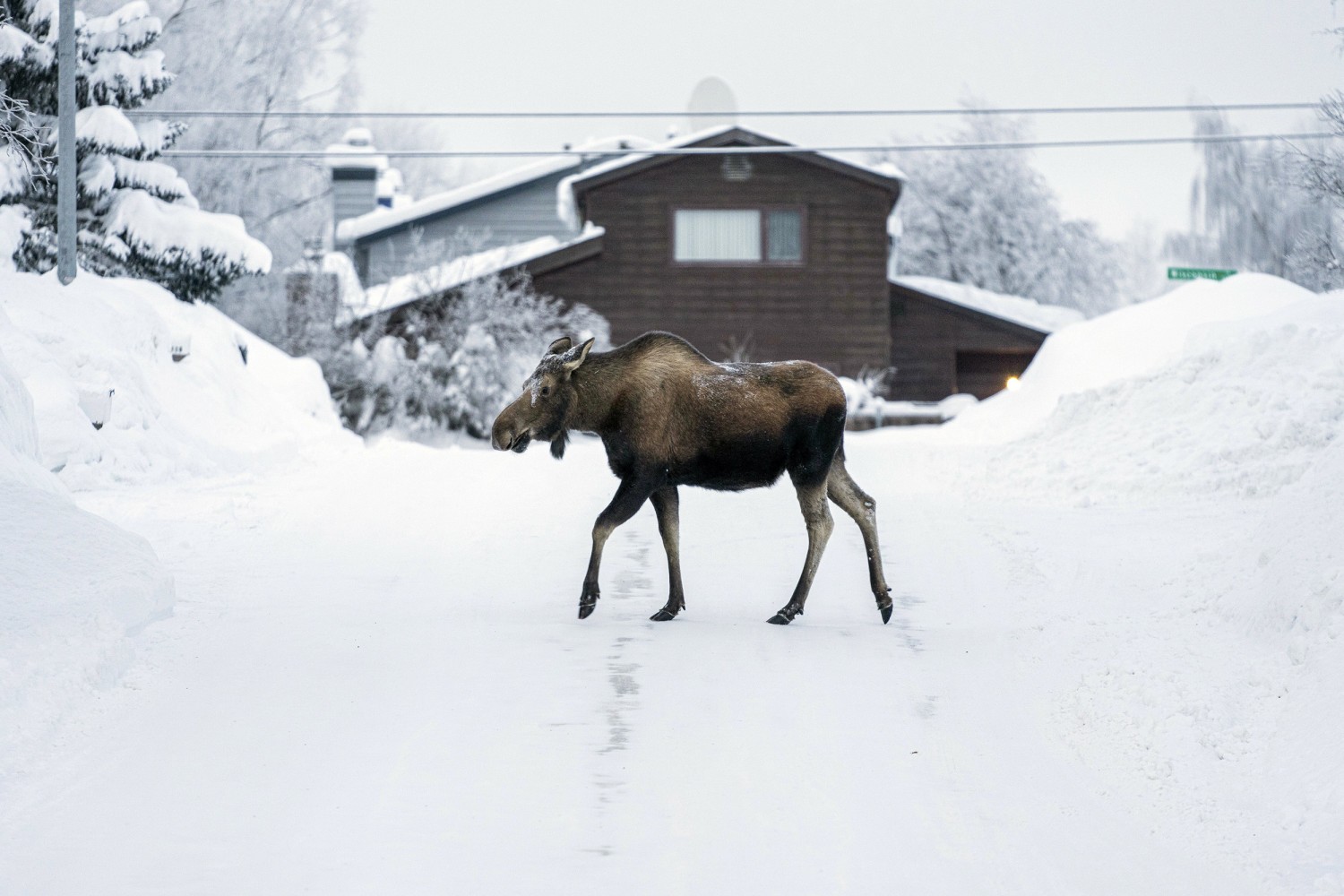
When the subject of “cold” comes up, winter in Alaska is what most people envision. And yes, it can be profoundly cold, especially in the interior and northern parts of the state. However, this season also transforms Alaska into a breathtaking wonderland, offering unique experiences like the Northern Lights.
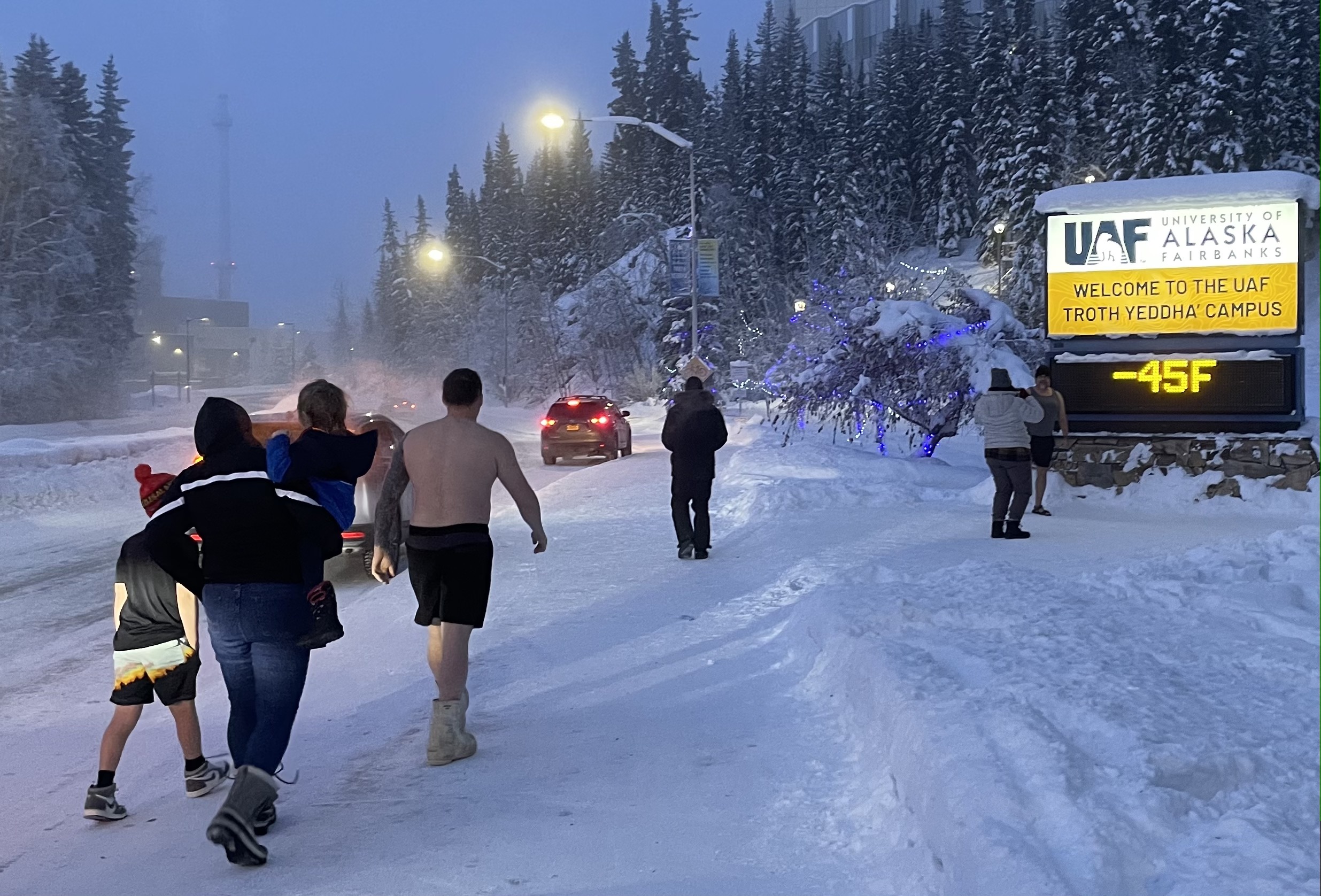
- Interior Alaska: Fairbanks is famous for its extreme cold, with winter temperatures commonly dropping to -20°F to -40°F (-29°C to -40°C), and sometimes even colder. While formidable, this dry cold, combined with long nights, creates optimal conditions for viewing the aurora borealis and enjoying winter sports like dog sledding and ice sculpting.
- Coastal Regions: Anchorage and the Kenai Peninsula experience milder winters thanks to oceanic influence, with average temperatures typically ranging from 10°F to 30°F (-12°C to -1°C). Snowfall is abundant, making these areas perfect for skiing, snowshoeing, and other snow-based activities.

Spring (April – May) & Autumn (September – October): The Shoulder Seasons
These transitional seasons, often overlooked, offer a distinct charm and fewer crowds, making them excellent choices for budget travel and experiencing a quieter side of Alaska.
- Spring: As the snow melts and wildlife emerges from hibernation, average temperatures rise from the 30s°F to 50s°F (0°C to 10s°C). It’s a time of renewal, ideal for spotting newborn animals and witnessing the landscape transform.
- Autumn: The state dons a spectacular array of reds, oranges, and yellows as the leaves change. Temperatures cool down from 30s°F to 50s°F (0°C to 10s°C), and the days shorten. It’s a fantastic time for hiking and potentially catching the early season Northern Lights in the interior.
Geographic Influences on Temperature
Alaska’s vastness means that geography plays an enormous role in its localized climate.
- Coastal vs. Interior: The Pacific coast, including the Inside Passage and south-central Alaska, benefits from the moderating effect of the ocean, resulting in milder temperatures and more precipitation. The interior, shielded by mountain ranges like the Alaska Range, experiences greater temperature extremes – hot summers and very cold winters.
- Arctic vs. Subarctic: The northernmost regions, above the Arctic Circle, have a polar climate with long, dark, and extremely cold winters, and short, cool summers. Areas like Utqiagvik (formerly Barrow), the northernmost city in the United States, average below freezing for much of the year.
Planning Your Alaskan Adventure: When to Go and What to Pack
Choosing the right time to visit Alaska largely depends on what experiences you prioritize. Each season unveils a different facet of the state’s rugged beauty and offers unique opportunities for adventure.
Best Seasons for Specific Experiences
- Summer (June-August): This is prime time for wildlife viewing (bears, whales, moose), glacier cruising in places like Glacier Bay National Park or Kenai Fjords National Park, fishing for salmon in rivers like the Kenai River, hiking in Denali National Park, and exploring vibrant cities. The long daylight hours allow for extended exploration.
- Winter (November-March): If witnessing the ethereal Aurora Borealis is on your bucket list, winter in Fairbanks is your best bet due to its clear skies and prime location. Winter also offers thrilling dog sledding tours, snowmobiling, ice fishing, and downhill skiing at resorts like Alyeska Resort in Girdwood. Events like the Iditarod Trail Sled Dog Race start in March, adding to the winter excitement.
- Shoulder Seasons (April-May & September-October): These months are excellent for travelers seeking a quieter, more intimate experience. Spring offers the magic of awakening nature and emerging wildlife, while autumn dazzles with vibrant fall foliage and potentially early Northern Lights sightings. Both seasons provide opportunities for hiking, photography, and exploring towns without the peak season crowds.
Essential Packing Guide for Alaskan Weather
Regardless of when you visit, layering is the golden rule for packing for Alaska. Even in summer, temperatures can fluctuate dramatically within a single day, especially if you’re venturing into different elevations or coastal areas.
- Layering System:
- Base Layer: Moisture-wicking material (synthetic or merino wool) to keep sweat away from your skin.
- Mid-Layer: Insulating layer like fleece or a puffy jacket for warmth.
- Outer Layer: Waterproof and windproof shell jacket and pants to protect against rain, snow, and wind.
- Footwear: Sturdy, waterproof hiking boots are a must, even for casual walking. In winter, insulated, waterproof boots are essential.
- Accessories: Hat, gloves or mittens, and a scarf are crucial for any season, but especially in cooler months. Sunglasses are important year-round due to glare from snow or water.
- Other Essentials: Insect repellent (especially in summer), sunscreen, a daypack, and a reusable water bottle. For winter, consider thermal underwear, hand warmers, and face protection.
Always check the local forecast for the specific regions you plan to visit, as conditions can vary widely across the state.
Accommodations and Tourism: Embracing Alaska’s Charm
Alaska’s tourism infrastructure caters to a wide array of preferences, from rustic wilderness lodges to luxurious city hotels. The growth of tourism has led to diverse accommodation options and a rich tapestry of cultural and culinary experiences.
Hotels and Resorts for Every Traveler
The types of accommodation in Alaska mirror its diverse landscapes and visitor demographics. Whether you’re seeking a cozy cabin, a bustling city hotel, or an exclusive wilderness retreat, Alaska has it all.
- Urban Comforts: In cities like Anchorage and Juneau, you’ll find a range of options from well-known chains to boutique hotels. The Hotel Captain Cook in Anchorage is a prime example of luxury accommodation, offering stunning views and top-tier amenities.
- Wilderness Lodges and Cabins: For those looking to immerse themselves in nature, remote lodges and cabins offer unparalleled access to Alaska’s wilderness. Many are situated near national parks or prime wildlife viewing areas, like the Denali Princess Wilderness Lodge near Denali National Park. These often combine rustic charm with comfortable amenities, sometimes even including gourmet dining.
- Resorts: For travelers seeking a blend of adventure and relaxation, resorts such as Alyeska Resort in Girdwood provide year-round activities, from skiing and snowboarding in winter to hiking and scenic tram rides in summer.
- Booking Tips: It’s highly recommended to book your accommodation well in advance, especially for summer travel, as popular options fill up quickly. Utilizing online booking platforms and reading reviews can help you compare prices and amenities to find the perfect fit for your travel style and budget.
Immersive Cultural and Culinary Experiences
Alaska’s allure extends beyond its natural beauty to its rich cultural heritage and unique culinary scene.
- Local Culture: Engage with the vibrant indigenous cultures of Alaska by visiting cultural centers like the Alaska Native Heritage Center in Anchorage or exploring museums in Fairbanks and Juneau. Many communities offer opportunities to learn about traditional art, music, and storytelling.
- Alaskan Cuisine: Seafood reigns supreme in Alaska. Indulge in fresh-caught King crab, Halibut, and world-renowned wild Alaskan salmon. Beyond seafood, savor local specialties like reindeer sausage, fry bread, and for the adventurous, even mukluk (traditional seal oil dish). Farmers’ markets in cities like Anchorage and Homer offer a taste of local produce and artisan goods.
- Local Activities: Participate in local festivals, explore art galleries, or embark on guided tours to learn about the region’s history, from the Gold Rush era to modern-day resource industries.
Beyond the Chill: Unforgettable Landmarks and Lifestyles
While the question of “cold” might initiate the conversation about Alaska, it’s the state’s unparalleled natural landmarks and the unique lifestyle it fosters that leave an indelible impression on visitors.
Iconic Landmarks and Natural Wonders
Alaska is a land of superlatives, home to some of the most breathtaking natural landmarks on Earth.
- Mount Denali: Standing at 20,310 feet, Mount Denali (formerly Mount McKinley) is the highest peak in North America and the centerpiece of Denali National Park. The park itself is a vast wilderness offering unmatched opportunities for wildlife viewing (grizzly bears, caribou, moose, wolves) and scenic drives.
- Glacier Bay National Park and Preserve: A UNESCO World Heritage site, Glacier Bay is a dynamic landscape of tidewater glaciers, towering mountains, and deep fjords. It’s best experienced via a cruise, allowing visitors to witness calving glaciers and abundant marine life.
- Kenai Fjords National Park: Located near Seward, this park protects an incredible expanse of ice and ocean, including the massive Harding Icefield, which spawns numerous glaciers. Boat tours from Seward offer close-up views of glaciers, whales, puffins, and sea lions.
- Chugach National Forest & Tongass National Forest: These two vast national forests offer extensive opportunities for hiking, camping, and wildlife observation. The Tongass, located in Southeast Alaska, is the largest national forest in the United States and a temperate rainforest wonderland.
- Alaska Wildlife Conservation Center: Near Portage, this center provides care and rehabilitation for injured and orphaned wildlife, offering visitors guaranteed views of Alaskan animals like bears, moose, elk, and musk oxen in a natural setting.
Lifestyle and Travel Tips for the Adventurous Soul
Visiting Alaska is more than just a trip; it’s an immersion into a unique lifestyle shaped by its rugged environment and resilient communities.
- Embrace Adventure: Alaska is a playground for adventurers. Whether it’s heli-skiing in the Chugach Mountains, kayaking among icebergs in Prince William Sound, or flightseeing over Denali, the opportunities for thrilling experiences are endless.
- Respect Nature: Alaska’s wilderness is pristine and powerful. Practice Leave No Trace principles, be bear-aware, and always inform others of your travel plans when venturing into remote areas.
- Travel Styles: Alaska can be tailored to various travel styles. Luxury travelers can enjoy high-end resorts, gourmet dining, and exclusive tours, while budget travelers can opt for camping, hostels, and self-guided adventures. Family trips will find educational and exciting activities, from exploring wildlife refuges to panning for gold. Even for business stays, Anchorage provides modern amenities alongside opportunities for quick outdoor escapes.
- Connectivity: While major cities have reliable cell service and internet, expect limited or no connectivity in many remote areas. This is part of Alaska’s charm – an opportunity to truly disconnect.
In conclusion, the answer to “Is Alaska cold?” is not a simple yes or no. It’s a resounding “It depends!” Alaska offers a stunning array of climates and experiences throughout the year, challenging preconceptions and inviting travelers to discover its multifaceted beauty. From the warm, endless daylight of summer to the crisp, aurora-illuminated nights of winter, this vast state promises adventure, natural splendor, and cultural richness for every intrepid explorer. So, pack wisely, open your mind, and prepare to be enchanted by the true reality of Alaska—a destination that is truly cool, in every sense of the word.