
Alaska, the United States’ northernmost frontier, often conjures images of vast wilderness, majestic glaciers, and abundant wildlife. For many contemplating a visit, the allure is purely natural—a chance to witness the spectacular beauty of a landscape largely untouched by human hands. However, beneath this awe-inspiring surface lies a state with a distinct political identity that subtly shapes its culture, policies, and ultimately, the experiences available to travelers. When asking “Is Alaska Democrat or Republican?”, the answer isn’t a simple red or blue; it’s a nuanced blend of fierce independence, strong conservative values, and pockets of progressive thought, all deeply intertwined with its unique geography and resource-rich economy. Understanding this political backdrop can enrich a traveler’s appreciation for the local culture, the state’s approach to tourism, and the very preservation of its iconic natural wonders.
This article delves into Alaska’s political leanings, not to dissect partisan politics, but to explore how these inclinations manifest in the state’s character, its approach to development versus conservation, and its overall lifestyle. From the bustling streets of Anchorage to the remote wilderness lodges near Talkeetna, and the historic charm of Juneau, the political pulse of Alaska influences everything from infrastructure projects to the protection of national parks and the economic vitality of its communities. For anyone planning to travel, explore accommodations, or immerse themselves in Alaskan culture, recognizing these underlying dynamics provides a deeper context to this truly remarkable destination.
Understanding Alaska’s Political Landscape Through a Traveler’s Lens
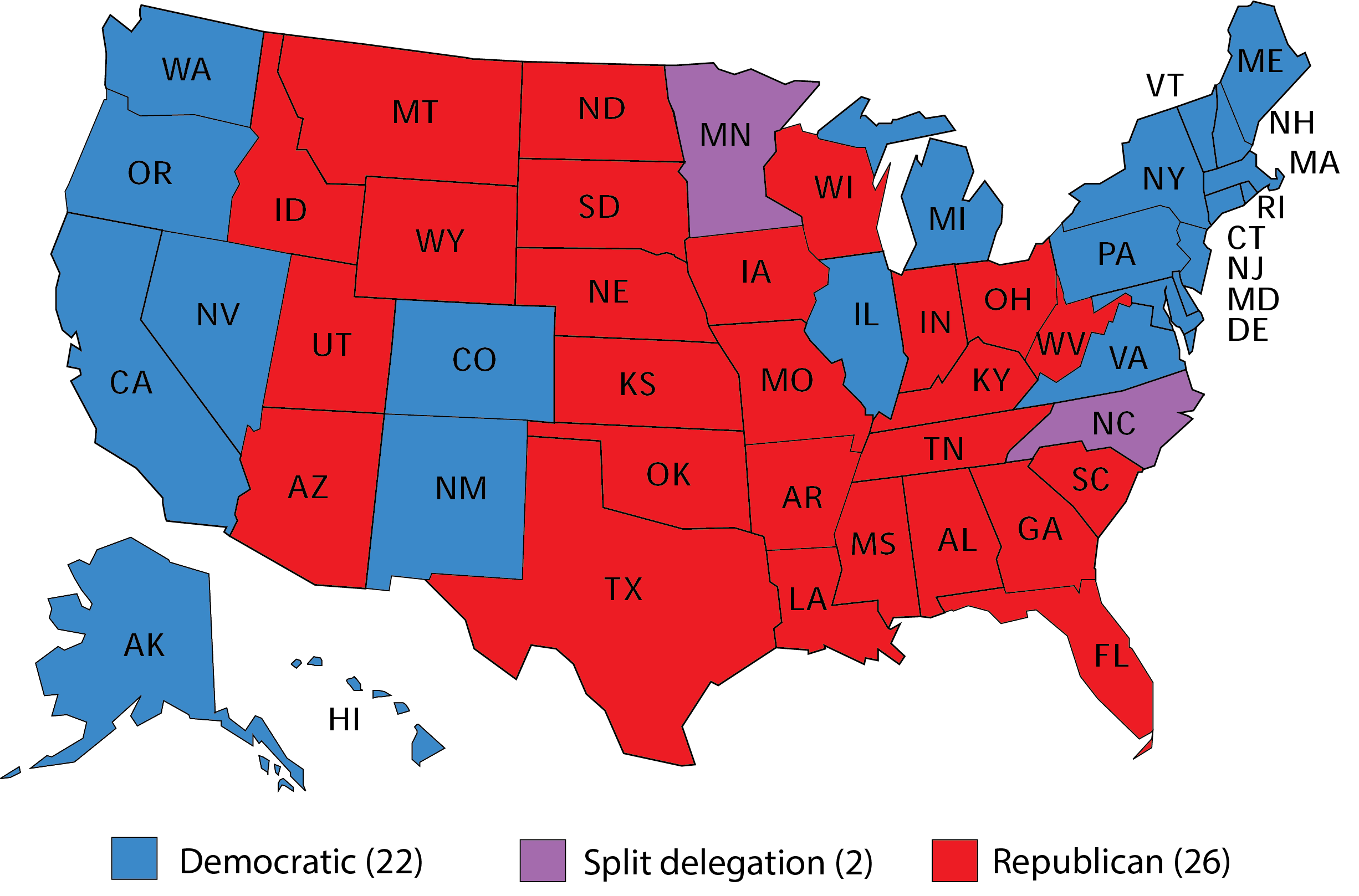
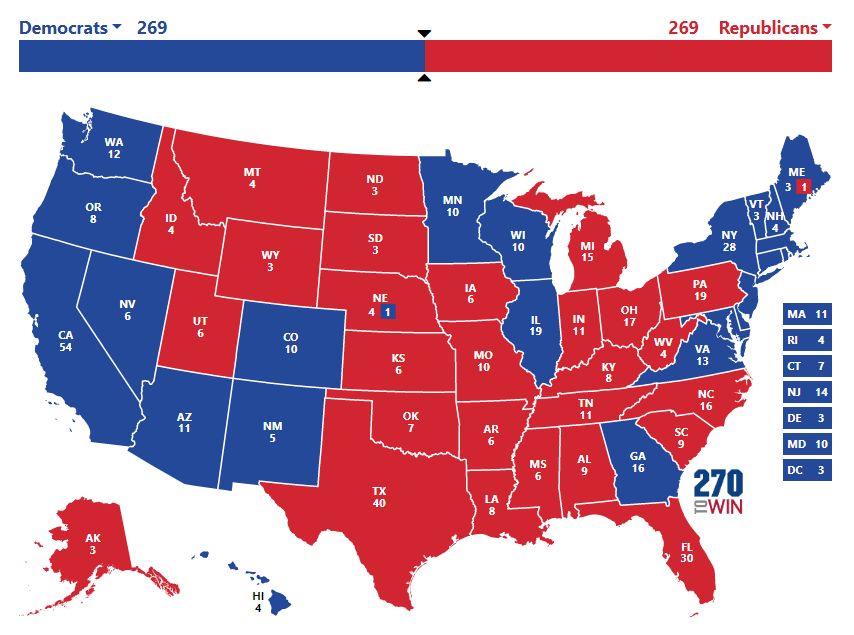
Alaska’s political identity is as rugged and independent as its landscape. Historically, the state has been a Republican stronghold, consistently voting for Republican presidential candidates since 1968, with a few notable exceptions. This conservative leaning is often attributed to a culture built on self-reliance, a strong emphasis on individual freedoms, and an economy historically dominated by resource extraction industries like oil, gas, and mining. These industries, seen as vital for the state’s prosperity and the high dividends its residents receive from the Alaska Permanent Fund, often find allies in conservative political platforms. However, this isn’t the entire story. Alaska also has a significant independent voter base and a strong libertarian streak, often reflected in its tendency to elect politicians who may not strictly adhere to party lines. For travelers, this translates into a unique blend of community values and an emphasis on personal responsibility, visible in how local businesses operate, how communities manage their resources, and the independent spirit that permeates much of Alaskan life.
A Predominantly Red State with Independent Streaks
At a federal level, Alaska typically sends Republican representatives and senators to Washington D.C. The state’s voters often prioritize issues such as energy independence, gun rights, and limited government intervention, reflecting a broader conservative philosophy. However, local politics often paint a more complex picture. Ballot initiatives and specific legislative battles can reveal a diverse electorate, where the sheer vastness of the state and the varied livelihoods of its residents create distinct local priorities. For instance, while resource development is championed in many areas, there’s also a powerful environmental lobby, often supported by those whose livelihoods depend on tourism, fishing, and the pristine nature of Alaska’s wilderness. This tension is a constant undercurrent that visitors might observe in local debates, public art, or even the themes explored in local museums and cultural centers, offering a deeper insight into the state’s soul.

Urban vs. Rural Divides: Impact on Culture and Services
Much like other large United States states, Alaska experiences a significant political and cultural divide between its urban centers and its vast rural areas. Cities like Anchorage, the state’s largest city, and to a lesser extent, the capital city of Juneau, tend to be more diverse and lean slightly more progressive. Anchorage is a melting pot of cultures, home to a significant portion of the state’s population, and its economy is more diversified, including tourism, trade, and military bases. Here, you might find a broader range of opinions, a more developed infrastructure, and a wider array of dining and entertainment options. Hotels in Anchorage, such as the historic Hotel Captain Cook, cater to a cosmopolitan clientele, reflecting the city’s more open and diverse character.
Conversely, the smaller towns and vast rural stretches, particularly those in the interior or on the North Slope Borough, are often more conservative and traditional. These communities are tightly knit, often with strong ties to subsistence living, traditional Alaska Native cultures, and industries like fishing, hunting, and mining. The services and amenities in these areas reflect a greater emphasis on functionality and self-sufficiency, with accommodations often taking the form of rustic lodges, cabins, or bed-and-breakfasts that offer an authentic, off-the-grid experience. For travelers, this urban-rural divide means a rich tapestry of experiences: from the bustling cultural scene and modern amenities of Fairbanks or Anchorage to the profound solitude and traditional lifestyles encountered in more remote destinations along the Yukon River or in villages accessible only by bush plane.
Resource Management, Conservation, and Travel Experiences
One of the most defining aspects of Alaska’s political landscape, with direct implications for tourism, is the ongoing tension between resource development and environmental conservation. The state is incredibly rich in natural resources, from vast oil fields to valuable minerals and abundant fisheries. For decades, the debate over how to best manage these resources – whether to extract them for economic gain or preserve them for their ecological and aesthetic value – has been at the forefront of Alaskan politics. This struggle directly impacts the very landscapes and wildlife that draw millions of visitors to the Last Frontier each year.
Balancing Industry and Pristine Wilderness
The conservationist viewpoint, often aligned with environmental advocacy groups and some Democratic platforms, champions the protection of Alaska’s pristine wilderness, iconic national parks, and vibrant ecosystems. They advocate for strict regulations on resource extraction, expanded protected areas like the Arctic National Wildlife Refuge, and the promotion of sustainable tourism that minimizes ecological impact. On the other side, proponents of resource development, typically aligned with conservative perspectives, argue for responsible extraction to fuel the state’s economy, create jobs, and ensure energy independence for the United States. They emphasize technological advancements that mitigate environmental risks and point to the long history of successful resource industries in Alaska.
For travelers, this delicate balance is palpable. Destinations like Denali National Park and Preserve stand as testaments to successful conservation, offering unparalleled opportunities for wildlife viewing, hiking, and mountaineering. The park’s management, influenced by federal regulations and public opinion, aims to preserve its natural state while allowing access for visitors. Similarly, the vast Tongass National Forest in Southeast Alaska, the largest national forest in the United States, is a battleground for logging versus preservation, directly affecting access to wilderness areas, local fishing guides, and the overall experience of cruising the Inside Passage. When booking an Alaskan cruise or a remote lodge, visitors are often implicitly supporting one side of this equation, underscoring the importance of choosing operators committed to sustainable practices.
Implications for Outdoor Adventures and Wildlife Tourism
Political decisions around resource management directly shape the types and accessibility of outdoor adventures in Alaska. Regulations on fishing, hunting, and guiding services, for example, are often influenced by the prevailing political climate and the push-and-pull between economic interests and conservation goals. A visit to the Kenai Peninsula, famous for its salmon runs and marine wildlife, highlights this. Here, commercial fishing, sportfishing, and ecotourism coexist, sometimes contentiously, under a framework of state and federal regulations that are subject to political shifts. Whether it’s the permits required for bear viewing in Katmai National Park or the ongoing debates about road access into remote areas, political decisions are always at play.
Travelers seeking immersive wilderness experiences will find a plethora of options, from luxury wilderness lodges offering guided excursions into pristine areas to budget-friendly camping and hiking in state parks. The existence and funding of state parks, wildlife refuges, and public lands are a direct reflection of political priorities. Moreover, many Alaskan tourism operators, regardless of their personal political leanings, often champion conservation out of necessity, recognizing that their livelihoods depend entirely on the health and beauty of Alaska’s natural environment. This symbiotic relationship between nature, economy, and politics makes for a vibrant and often passionate local community that visitors can experience firsthand, whether through a guided fishing trip in Seward or a glacier tour out of Valdez.
The Alaskan Lifestyle: A Blend of Independence and Community
The political leanings of Alaska are not just about voting patterns; they are deeply ingrained in the very fabric of the Alaskan lifestyle. This lifestyle is characterized by a strong sense of independence, resilience, and a profound connection to the land, often coupled with a surprising emphasis on community support, especially in remote areas where neighbors truly rely on one another. These characteristics shape the local culture, the unique food scene, and the overall atmosphere that welcomes travelers to the Last Frontier.
Local Culture, Food, and Unique Attractions
Alaska’s independent spirit fosters a distinctive local culture. You’ll find a prevalence of small, owner-operated businesses, from artisanal craft shops in Ketchikan to family-run guide services in Skagway. The food scene is heavily influenced by the state’s natural bounty: incredibly fresh seafood, particularly salmon and halibut, wild game, and foraged berries. Restaurants often pride themselves on sourcing locally, and culinary experiences range from fine dining in Anchorage to rustic crab boils in coastal towns. This emphasis on local products and self-sufficiency often resonates with conservative values of supporting local economies and traditional ways of life, but it equally appeals to progressive consumers seeking sustainable and authentic experiences.
Beyond the plate, Alaskan culture is rich with unique events and attractions. The Iditarod Trail Sled Dog Race, a testament to grit and endurance, embodies the spirit of self-reliance and adventure. Indigenous cultures, represented by the Alaska Native Claims Settlement Act and various tribal organizations, contribute vibrant traditions, art, and storytelling, particularly in places like Sitka and the University of Alaska Fairbanks museum. These cultural facets are a complex blend of historical preservation, modern interpretation, and economic development, often navigating the political currents of land use and cultural recognition. Visitors engaging with these aspects gain a deeper understanding of the diverse communities that call Alaska home.
Accommodation and Tourism Infrastructure in a Diverse State
The range of accommodation options and tourism infrastructure in Alaska reflects its diverse political landscape and commitment to both economic development and preserving its unique environment. In larger cities, you’ll find a spectrum of hotels, from international chains to boutique hotels, offering modern amenities suitable for business travelers or luxury tourists. The Alyeska Resort in Girdwood, for example, offers world-class skiing and luxury lodging, representing investment in high-end tourism.
However, move beyond these hubs, and accommodation shifts to rustic lodges, remote cabins, and charming bed-and-breakfasts, many of which are family-owned and reflect a do-it-yourself ethos. These establishments are often integral to their local communities, providing employment and a base for outdoor adventures. The state’s investment in infrastructure, such as the Alaska Marine Highway System (a ferry network connecting coastal communities), or road maintenance to remote areas, is a constant subject of political debate, balancing cost with the vital need for connectivity in such a vast state. Access to landmarks like the Alaska Wildlife Conservation Center or scenic routes like the White Pass and Yukon Route Railroad is heavily dependent on such infrastructure. Travelers should note that while services might be sparse in remote areas, the spirit of hospitality and ingenuity is strong, offering unique, immersive experiences that are distinctly Alaskan. This blend of rugged self-sufficiency and communal support makes Alaska an unforgettable destination for those seeking genuine connection to nature and culture.
Conclusion: An Unforgettable Experience Beyond Political Labels
While the question “Is Alaska Democrat or Republican?” reveals a predominantly conservative state with strong independent and libertarian leanings, particularly outside its major urban centers, it’s crucial for travelers to understand that this political identity is merely one layer of a complex and captivating destination. Alaska’s political landscape influences the state’s policies on resource management, conservation, and infrastructure development, which in turn shape the travel experiences available. The ongoing debates between economic development and environmental preservation directly impact the health of its national parks, the accessibility of its wilderness areas, and the sustainability of its tourism industry.
Ultimately, however, the unparalleled beauty of Alaska transcends political labels. Visitors come for the majestic glaciers of Glacier Bay National Park, the towering peaks of Denali, the abundant wildlife ranging from bears to whales, and the vibrant tapestry of Alaskan Native cultures. They seek adventure on the Pacific Ocean coastline, tranquility in the interior’s vast forests, and the unique experience of the midnight sun or the Aurora Borealis dancing across the Arctic Ocean sky.
Whether you’re enjoying a luxury stay at a wilderness resort, embarking on a budget-friendly camping trip, or immersing your family in local culture, your experience in Alaska will be defined by its natural wonders and the resilient, independent spirit of its people. Understanding the political undercurrents can add a layer of depth to your journey, helping you appreciate the decisions that shape this extraordinary place. But the true magic of Alaska lies in its ability to inspire awe and foster a profound connection to the wild, regardless of political affiliation. It’s a land of unmatched beauty and adventure, inviting all to explore its grandeur and form their own indelible impressions.
LifeOutOfTheBox is a participant in the Amazon Services LLC Associates Program, an affiliate advertising program designed to provide a means for sites to earn advertising fees by advertising and linking to Amazon.com. Amazon, the Amazon logo, AmazonSupply, and the AmazonSupply logo are trademarks of Amazon.com, Inc. or its affiliates. As an Amazon Associate we earn affiliate commissions from qualifying purchases.