
The question “Is Alaska Republican?” often arises when discussing the unique sociopolitical landscape of the United States’s largest and least densely populated state. For many travelers, understanding the political leanings of a destination goes beyond mere curiosity; it can offer insights into the local culture, the dominant values, and even the types of experiences one might expect. Alaska, known for its vast wilderness, rugged individualism, and resource-driven economy, certainly has a distinct political identity that heavily influences its lifestyle and, by extension, its tourism sector. While the answer isn’t a simple yes or no, the state undeniably leans conservative, and this ethos permeates much of what makes Alaska a fascinating place to visit.
From the bustling streets of Anchorage to the remote wilderness lodges of Denali National Park, the spirit of self-reliance and a connection to the land are palpable. These values are often associated with the Republican Party platform and play a significant role in shaping everything from conservation policies to the development of infrastructure that supports both residents and the millions of tourists who flock here annually. As we delve into Alaska’s political identity, we’ll explore how its conservative bent influences its appeal as a travel destination, its unique blend of accommodation options, and the unforgettable lifestyle experiences it offers.
The Political Compass of the Last Frontier
To truly understand Alaska’s political landscape, one must look at its history, demographics, and economic drivers. Unlike many other states, Alaska’s journey to statehood and its subsequent development have been heavily influenced by its unique challenges and opportunities, fostering a culture distinct from the lower 48.
Historical Roots and Modern Trends
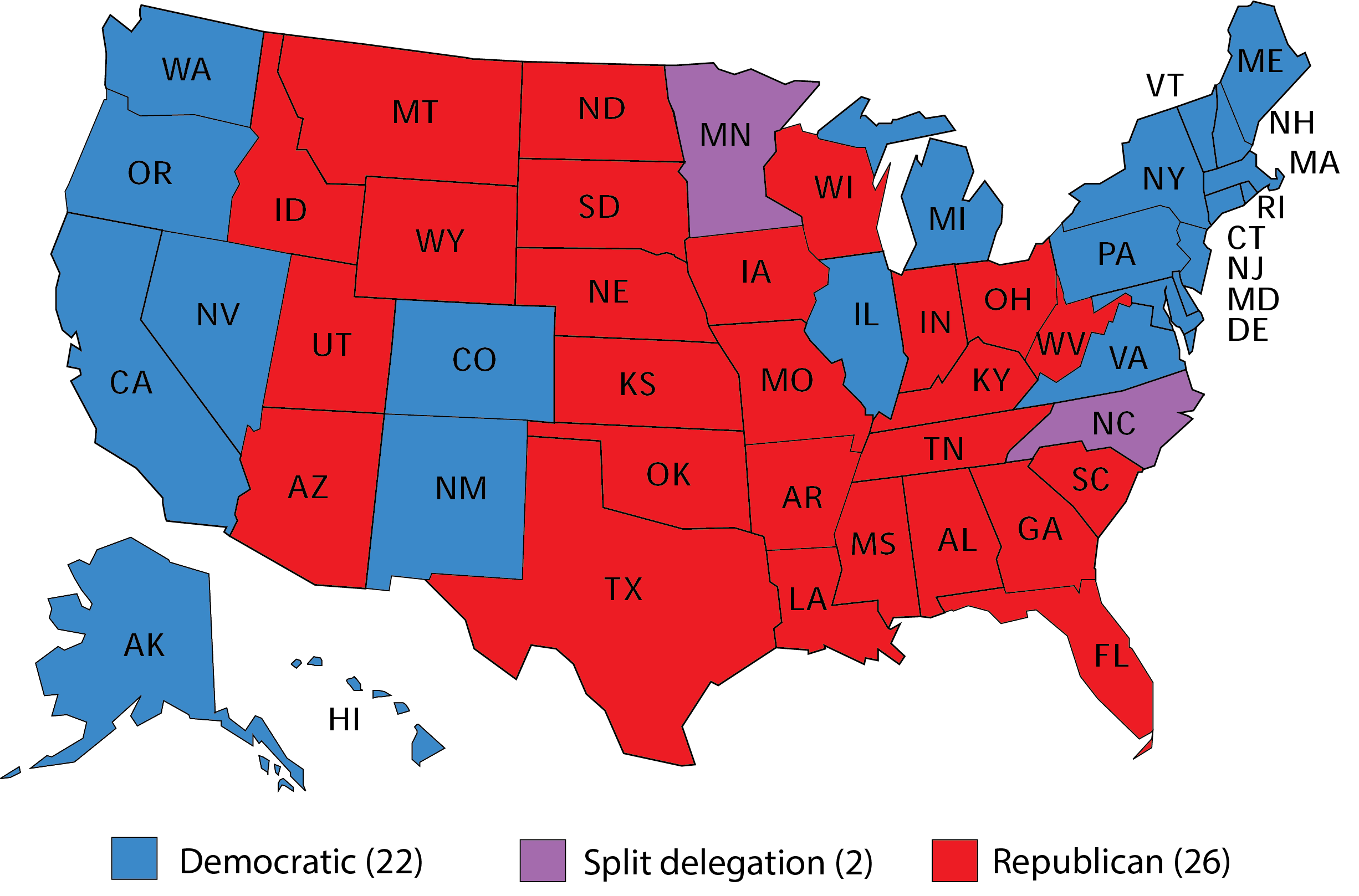
Alaska has historically been a strongly conservative state, and this trend largely continues today. Since gaining statehood in 1959, the state has predominantly voted Republican in presidential elections. Its populace often champions values of independence, self-sufficiency, and limited government intervention, which resonate strongly with the Republican Party platform. This deep-seated conservatism is rooted in the state’s frontier mentality, where individuals often rely on their own grit and resourcefulness to thrive amidst challenging conditions. The vast, untamed wilderness of Alaska fosters a practical approach to life, where resource management and economic opportunity are often prioritized alongside environmental concerns.
However, labeling Alaska as monolithically Republican would be an oversimplification. While the state leans heavily conservative, particularly in rural areas and among those involved in resource extraction industries, there are pockets of strong progressive and independent thought. Urban centers like Anchorage and Juneau, the capital, exhibit more diverse political leanings. A significant portion of the population registers as “undeclared” or “non-partisan,” indicating a strong inclination towards independent thinking rather than strict party loyalty. Furthermore, the powerful voice of Alaskan Native Corporations and indigenous communities adds another complex layer to the political fabric, often advocating for specific land rights, environmental protections, and social programs that may align with either party depending on the issue.
Key Political Figures and Policies
Alaska’s political identity has been shaped by influential figures who embody its rugged spirit. Names like former Governor Sarah Palin brought national attention to Alaska’s brand of conservatism, emphasizing energy independence and a strong focus on traditional values. Senator Lisa Murkowski, while a Republican, is known for her independent streak and willingness to cross party lines, reflecting the nuanced political identity of many Alaskans. The late Senator Ted Stevens and Congressman Don Young were also long-serving figures who championed Alaska’s interests, often focusing on resource development and federal funding for infrastructure in the geographically isolated state.
Key policies often reflect the state’s conservative leanings. Resource development, particularly oil and gas, has been a cornerstone of Alaska’s economy and political discourse since the discovery of oil at Prudhoe Bay and the construction of the Trans-Alaska Pipeline System. Debates around drilling in areas like the Arctic National Wildlife Refuge are often fierce, pitting economic growth against environmental conservation—a classic conservative vs. progressive divide. The state also maintains a unique Permanent Fund, funded by oil revenues, which pays annual dividends to residents, a policy that resonates with libertarian-leaning voters who favor direct benefits to citizens. These political stances directly impact travel; for instance, policies on land use affect access to wilderness areas, while investments in infrastructure can enhance or limit travel routes.
Beyond the Ballot Box: Alaska’s Conservative Ethos and its Lifestyle Reflections
The political leanings of Alaska are not just abstract concepts discussed in government halls; they deeply influence the everyday lifestyle, cultural norms, and indeed, the very essence of what makes Alaska unique for both residents and visitors.
Self-Reliance and the Great Outdoors: A Core Alaskan Value
Perhaps the most defining characteristic of the Alaskan lifestyle, and one that aligns perfectly with conservative values, is an unwavering commitment to self-reliance and an intimate connection to the great outdoors. In a state where vast distances, extreme weather, and unpredictable wildlife are daily realities, practicality and resilience are paramount. Many Alaskans embrace a subsistence lifestyle, hunting, fishing, and foraging to supplement their diet, fostering a profound respect for nature and the skills needed to thrive within it. This ethos translates directly into the state’s popular tourism offerings.
Visitors come to Alaska seeking authentic wilderness experiences: bear viewing on Kodiak Island, deep-sea fishing in Homer or Seward, hiking in the Chugach Mountains, or exploring the vastness of Denali National Park beneath the towering Mount Denali. These activities are not merely recreational but are extensions of the Alaskan way of life, reflecting a profound appreciation for individual freedom and the raw power of nature. Resorts and lodges, often family-run, emphasize rustic charm coupled with essential amenities, focusing on facilitating outdoor adventures rather than opulent luxury. Think of charming cabins overlooking a fjord, like the Alaska Bear Viewing Lodge, or an adventure-focused stay at Alyeska Resort in Girdwood, offering direct access to skiing and hiking trails.
Economic Foundations: Resource Development and Its Impact on Communities
Alaska’s economy has historically been (and largely remains) driven by resource extraction – primarily oil, natural gas, mining, and commercial fishing. These industries are often championed by conservative politicians who advocate for responsible development to fund state services and provide employment. This economic foundation has shaped the very fabric of many Alaskan communities, particularly outside the major population centers. Towns like Prudhoe Bay exist almost solely because of the oil industry, while fishing communities along the coast, such as Ketchikan and Sitka, thrive on marine resources.
The political emphasis on resource development also influences infrastructure. The famed Dalton Highway, for instance, was originally built to service the Trans-Alaska Pipeline System but now also serves as an adventurous route for tourists seeking to venture into the Arctic Circle. The constant debate between conservation and resource extraction means that travelers will encounter diverse perspectives. Some will find pristine wilderness protected by federal or state parks, while others will see working landscapes that fuel the state’s economy. This dual identity offers a fascinating lens through which to experience Alaska, providing insights into the delicate balance between human endeavor and the natural world. Many tourism businesses, from cruise lines exploring Glacier Bay National Park to remote lodges, often operate with an awareness of this balance, promoting sustainable practices while also providing livelihoods for local communities.

Navigating Alaska as a Traveler: Understanding Local Culture and Community
For travelers, understanding the underlying political and cultural currents of Alaska can significantly enrich their experience. It’s not about choosing a side, but rather appreciating the diverse viewpoints that contribute to the state’s unique character.
Urban Hubs vs. Wilderness Retreats: A Tale of Two Alaskas
The political and cultural landscape of Alaska is not uniform. A distinct contrast exists between its urban centers and its vast wilderness areas. Cities like Anchorage and Fairbanks, while still bearing the hallmarks of Alaskan resilience, tend to be more diverse and politically moderate. Anchorage, as the largest city, is a melting pot of cultures and boasts a wider array of amenities, including luxury hotels like the Hotel Captain Cook or the Anchorage Marriott Downtown. Here, you’ll find a more liberal demographic alongside conservative residents, creating a dynamic social environment. Juneau, the capital, accessible only by air or sea, also exhibits a unique blend due to its government and tourism sectors, with landmarks such as the Mendenhall Glacier drawing global visitors.
Conversely, the smaller towns and remote communities, particularly those in the interior or northern regions, often reflect a more traditional, conservative, and self-sufficient lifestyle. In these areas, the emphasis is less on political affiliations and more on community support, practical skills, and a shared reliance on the land. When traveling through these regions, visitors might encounter less overt political discussion and more focus on local traditions, outdoor activities, and the challenges of living in such isolated environments. Accommodation in these areas often takes the form of quaint bed-and-breakfasts, fishing lodges, or remote cabins, designed to immerse guests in the natural surroundings rather than provide city comforts.

Engaging with Alaskan Culture: Tips for Visitors
Understanding Alaska’s predominantly conservative yet fiercely independent spirit is key to a rewarding travel experience. Here are a few tips:
- Respect for the Land: Regardless of political affiliation, Alaskans share a deep respect for their natural environment. Show appreciation for the pristine wilderness and adhere to leave-no-trace principles.
- Embrace Independence: The spirit of self-reliance means Alaskans value directness and practicality. Engage with locals openly, and you’ll find them welcoming and eager to share their knowledge of the state.
- Cultural Nuance: Be mindful that Alaska is home to many indigenous communities, each with distinct cultures and histories. Visiting places like Sitka National Historical Park or the cultural centers in Ketchikan offers invaluable insight.
- Safety and Preparedness: The emphasis on self-sufficiency means personal responsibility for safety is highly valued. Be prepared for your adventures, especially in remote areas.
This underlying ethos influences even subtle aspects of tourism. Guides leading treks through the Brooks Range or cruises through the Kenai Peninsula will often highlight self-sufficiency and respect for wildlife, mirroring the local values. It’s a land where personal freedom intertwines with the demands of the environment, creating a unique cultural tapestry.
Planning Your Alaskan Adventure: Where Politics Meets Practicalities
Knowing Alaska’s political leaning isn’t about letting it dictate your travel plans, but rather using it as a lens to appreciate the unique destination fully. It helps frame expectations about the local atmosphere, the types of activities promoted, and the general vibe you’ll encounter.
Choosing Your Destination: From Anchorage to Juneau and Beyond
When planning your Alaskan journey, consider how different regions might align with your interests. If you prefer a balance of urban amenities and access to wilderness, major cities like Anchorage and Fairbanks are excellent starting points. Anchorage offers diverse dining, vibrant arts, and a range of accommodation from upscale hotels to budget-friendly apartments, all while being a gateway to the Kenai Peninsula and Denali. Fairbanks, further north, is the prime location for witnessing the spectacular Northern Lights and exploring interior Alaska’s rugged beauty, perhaps with a stay at a rustic lodge like the Chena Hot Springs Resort.
For those seeking a more traditional Alaskan experience rooted in history and nature, the Southeast panhandle, including cities like Juneau, Ketchikan, and Skagway, offers cruise ship tourism, rich indigenous cultures, and unparalleled access to glaciers and fjords. These communities, while economically reliant on tourism, often maintain a strong connection to their past and the surrounding environment. Inland and northern communities, accessible by smaller planes or adventurous drives along routes like the Dalton Highway, represent the quintessential “Last Frontier” experience, appealing to those seeking true solitude and a deeper immersion into the self-reliant Alaskan lifestyle, with accommodations often being simpler, more intimate lodges or even wilderness cabins.
Accommodation and Experiences Reflecting Alaskan Identity
Alaska’s accommodation options often reflect its unique blend of practical necessity and appreciation for the natural world. You’ll find everything from global hotel chains in Anchorage and Fairbanks to charming, independently run lodges and cabins nestled deep in the wilderness. Many accommodations, regardless of their political leanings, emphasize connecting guests with the outdoors. Boutique hotels in historic towns might focus on local art and history, while remote resorts, such as the Kodiak National Wildlife Refuge Lodge, prioritize wildlife viewing and outdoor excursions.
The lifestyle of Alaska is an experience in itself. It’s about witnessing magnificent landscapes, from the coastal rainforests of the Pacific Ocean to the tundra stretching towards the Arctic Ocean. It’s about understanding the challenges and rewards of living in a place defined by its vastness and wildness. Whether you’re exploring the gold rush history of Skagway, dog sledding near Talkeetna, or simply enjoying the quiet grandeur from a remote cabin, your travels through Alaska will be a testament to the enduring spirit of its people and the profound beauty of the land they call home. The conservative undercurrent in Alaska largely reinforces this narrative, promoting a lifestyle deeply intertwined with nature, resourcefulness, and a strong sense of community and personal freedom.
In conclusion, while Alaska does lean Republican, this political identity is complex and multifaceted, shaped by its frontier history, resource-driven economy, and diverse population. For travelers, this translates into a unique cultural experience emphasizing self-reliance, respect for nature, and a welcoming, albeit practical, approach to life. Understanding these nuances will undoubtedly enhance your journey through the awe-inspiring Last Frontier, making your adventure not just a trip, but an immersion into a truly distinctive American lifestyle.