
Embarking on a journey to the stunning Grand Canyon State often brings with it dreams of crimson sunsets, vast deserts, and unique cultural experiences. Yet, for many travelers, one question frequently arises that can significantly impact their itinerary and overall experience: “Is Arizona on Mountain Time?” The answer, while seemingly straightforward, carries a fascinating nuance that is crucial for anyone planning a visit, from a luxurious desert resort stay to an adventurous hike through a national park.
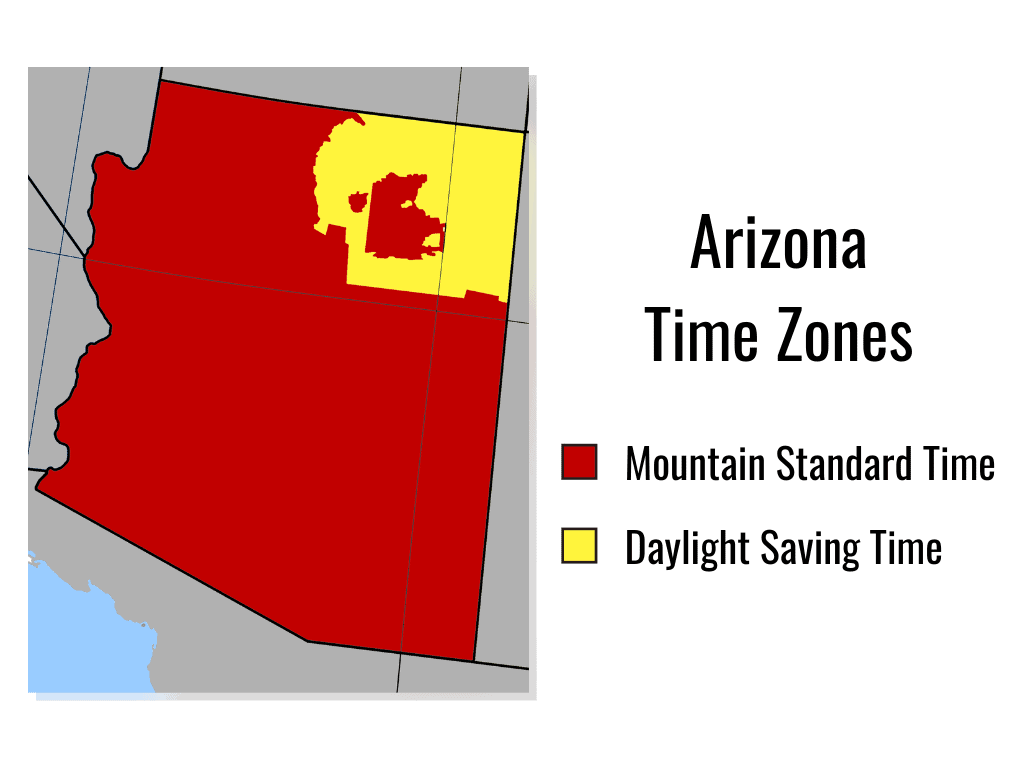
Generally speaking, the majority of Arizona does observe Mountain Standard Time (MST) year-round, making it one of the few places in the United States that does not participate in Daylight Saving Time (DST). This means that for much of the year, particularly during the spring and summer months when DST is active elsewhere, Arizona’s clocks effectively fall out of sync with its Mountain Time neighbors like Utah and Colorado, aligning instead with Pacific Daylight Time (PDT) observed in California and Nevada. However, this seemingly simple arrangement comes with a notable exception: the expansive Navajo Nation, which spans parts of northeastern Arizona, New Mexico, and Utah, does observe Daylight Saving Time. This creates a unique temporal “island” within Arizona, where travelers might find themselves changing their clocks forward and backward not once, but twice, within a single day’s journey.
Understanding this intricate time zone dance is not just a matter of trivial knowledge; it’s a critical component of successful travel planning, particularly when booking accommodations, scheduling tours to iconic landmarks, or simply ensuring you don’t miss a dinner reservation. From the bustling streets of Phoenix to the spiritual vortexes of Sedona and the ancient mysteries of Monument Valley, Arizona’s unique relationship with time is a fascinating aspect of its identity that every visitor should be aware of. This article will delve into the specifics of Arizona’s time zone, its implications for travelers, and essential tips to ensure your visit is seamless and memorable, covering everything from accommodation bookings to experiencing local culture and making the most of your lifestyle choices while traveling.
Understanding Arizona’s Unique Time Zone Status
Arizona’s deviation from the common practice of Daylight Saving Time is rooted in its unique climate and a desire to conserve energy. The intense summer heat means that pushing daylight later into the evening would simply extend the period of peak air conditioning use, rather than reducing it. Since 1968, with a brief exception, the state has opted out of DST, maintaining a consistent clock throughout the year. This decision profoundly impacts the state’s relationship with its neighbors and creates a distinctive rhythm for life and travel within its borders.
The Mountain Standard Time (MST) Constant
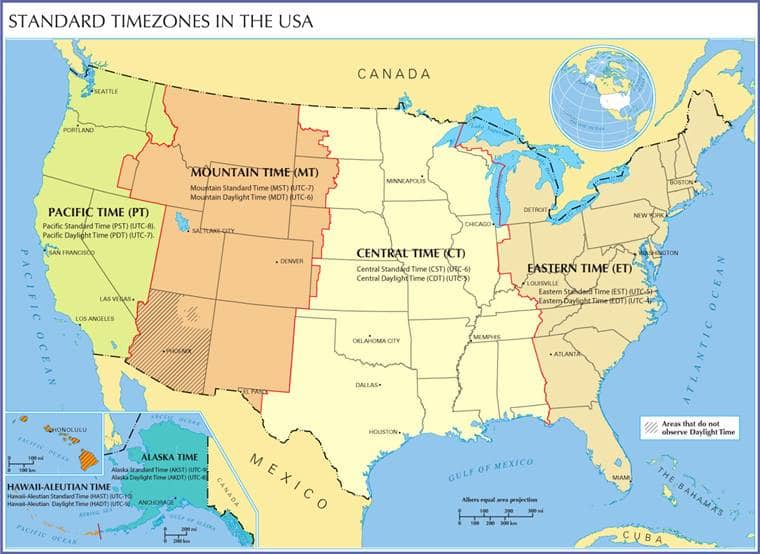
For the vast majority of Arizona, including major metropolitan areas like Phoenix, Tucson, Scottsdale, and Flagstaff, time operates on a fixed Mountain Standard Time schedule. This means that from the second Sunday in March to the first Sunday in November, when much of the United States “springs forward” for Daylight Saving Time, Arizona effectively shifts its time zone relative to other regions. During these months, Arizona is on the same time as Pacific Daylight Time (e.g., California and Nevada). When Daylight Saving Time ends in November, Arizona then returns to being one hour ahead of Pacific Standard Time (PST) and aligns with its default position as Mountain Standard Time. This consistent clock offers a certain stability and predictability for residents, impacting everything from business hours to school schedules and the timing of local events. For travelers seeking a hassle-free experience, arriving in most parts of Arizona means no need to adjust watches or internal clocks during the summer, a welcome relief from the typical DST confusion.

The Daylight Saving Time Exception: Navajo Nation
The exception to Arizona’s year-round MST policy lies within the sovereign borders of the Navajo Nation. This vast indigenous territory, which spans parts of northeastern Arizona and extends into Utah and New Mexico, observes Daylight Saving Time in alignment with the rest of those states. The reasoning behind this decision is largely pragmatic: to keep the Navajo Nation’s clocks synchronized with its non-Arizona components, simplifying coordination for governance, commerce, and communication across its expansive territory.
This creates a peculiar situation for travelers. Imagine driving from Flagstaff (on MST) towards Monument Valley (within Navajo Nation), especially during the spring and summer months when DST is in effect. As you cross the border into the Navajo Nation, you would need to set your clock forward one hour. To complicate matters further, there’s an enclave within the Navajo Nation – the Hopi Nation – which, like the rest of Arizona, does not observe Daylight Saving Time. So, if your journey took you through the Hopi Nation and then back into the Navajo Nation (or out into the rest of Arizona), you might be adjusting your clock multiple times. While maps and GPS systems can aid in navigation, a clear understanding of these time zone boundaries is paramount for a smooth trip, especially when dealing with scheduled tours, cultural experiences, or hotel check-ins in these regions.
Navigating Time Zones for an Unforgettable Arizona Trip
The unique time zone situation in Arizona adds an intriguing layer to travel planning. For those venturing beyond the major cities into the diverse landscapes of the state, especially its northern and eastern reaches, being time-savvy is essential for a truly unforgettable experience. This awareness touches upon every aspect of a trip, from the initial booking of flights and accommodations to the spontaneous decision to join a guided tour or dine at a local eatery.
Planning Your Itinerary and Bookings
When it comes to travel planning, particularly booking flights and connecting transportation, always confirm the time zone of your departure and arrival points. While airlines generally handle this automatically, double-checking never hurts. If flying into Phoenix Sky Harbor International Airport or Tucson International Airport, remember they adhere to MST year-round. However, if your journey involves crossing state lines or entering the Navajo Nation, manual time adjustments will be necessary. For instance, if you’re driving from Las Vegas, Nevada (on PDT during summer), into Arizona, you will gain an hour, as Arizona during DST months is effectively on PDT as well. Similarly, driving from Utah (on MDT during summer) into Arizona means setting your clock back an hour.
Accommodation bookings are another area where time zone awareness is critical. Hotel check-in and check-out times are always local. If you’re staying at a luxurious resort in Scottsdale or a charming boutique hotel in Sedona, their operations will be on MST year-round. However, if you’ve booked a remote cabin or a unique stay within the Navajo Nation near Monument Valley or Antelope Canyon, be prepared for their operating hours to follow Mountain Daylight Time (MDT) during DST months. Always confirm directly with your chosen accommodation, especially if you anticipate a late arrival or early departure. This small verification can prevent missed connections or unnecessary delays, ensuring your stay starts and ends smoothly.
The Impact on Attractions and Activities
Arizona is home to some of the United States’ most iconic landmarks and attractions. From the awe-inspiring vistas of the Grand Canyon National Park to the historical depth of Petrified Forest National Park and the vibrant energy of Old Town Scottsdale, each offers unique experiences. The operating hours for these sites, including visitor centers, gift shops, and guided tours, are invariably set to their local time. For instance, if you’re planning a sunrise hike at the Grand Canyon (South Rim), you’ll adhere to Arizona’s year-round MST.
However, many popular tours, especially those visiting attractions within the Navajo Nation like Antelope Canyon or Monument Valley, will operate on MDT during Daylight Saving Time months. Tour operators typically specify the local time zone for their tours, but a quick confirmation is always advisable. Imagine booking a slot for a photogenic tour of Antelope Canyon at 10:00 AM, only to arrive an hour late because your phone automatically adjusted to Arizona time, not Navajo Nation time. Such a mistake could mean missing your slot, or worse, forfeiting your payment, as many of these tours are popular and tightly scheduled. This is particularly crucial for time-sensitive activities like horseback riding tours, hot air balloon rides over Sedona, or river rafting excursions that often have strict departure times.
Time-Sensitive Tips for Travelers and Accommodations
For a truly worry-free Arizona experience, proactive time management is key. This translates into tangible actions that enhance the overall tourism and accommodation aspects of your journey, ensuring you embrace the local lifestyle rather than battle the clock.
Ensuring Smooth Hotel Stays and Check-ins
Hotels and other accommodation providers, whether a sprawling resort in Mesa, a charming bed & breakfast in Bisbee, or even an apartment rental in downtown Phoenix, will always operate on the local time of their physical location. This is standard practice globally, but the Arizona anomaly adds a layer of complexity.
- Confirm all booking times: When making reservations, especially if traveling during Daylight Saving Time and planning to visit the Navajo Nation, double-check the time zone specified on your booking confirmation for check-in/check-out.
- Communicate with staff: If you anticipate arriving late or have a tight schedule that borders a time zone change, a quick call to your hotel, villa, or suite to confirm your estimated arrival time, in their local time, can prevent any misunderstandings or even a canceled reservation.
- Utilize modern technology with caution: While smartphones usually auto-adjust time zones, they rely on cellular towers or GPS. In remote areas, or when crossing borders, they might not update immediately or correctly. Manually check your phone’s time settings or consider a simple analog watch as a reliable backup. Some travelers find it helpful to keep their phone on “manual time” settings when navigating these specific borders.
Embracing Local Culture and Dining
The rhythm of local life, including food and activities, is intrinsically linked to the time zone. Arizona’s year-round MST means that sunsets in the summer arrive later by the clock than in states observing DST, offering more extended daylight hours for evening explorations and al fresco dining.
- Dining Reservations: Popular restaurants, particularly in tourist hotspots like Sedona or Old Town Scottsdale, can fill up quickly. Ensure your reservation times align with the local MST. If you’re dining within the Navajo Nation, remember they’ll be an hour ahead during DST months.
- Local Events and Festivals: Many tourism-focused events, from rodeos in Prescott to art walks in Tubac, are advertised in local time. Always verify the time for events, especially if traveling across time zone boundaries on the same day.
- Cultural Experiences: When visiting Navajo or Hopi communities, it’s not just about adhering to tour times but also respecting the local pace of life. Understanding their time zone choice reflects a deeper appreciation for their unique cultural autonomy. For example, if you plan to visit a traditional market or a cultural center in the Navajo Nation, their opening hours will be on MDT during summer.
Beyond the Clock: Lifestyle and Experiences in the Grand Canyon State
Arizona’s unique time zone contributes to a distinctive lifestyle and overall travel experience, whether you’re embarking on luxury travel, a budget travel adventure, a family trip, or a business stay. The absence of Daylight Saving Time for most of the state influences how daily life unfolds, often with a more relaxed pace.
For those pursuing luxury travel, the seamlessness of an itinerary is paramount. High-end resorts and tour operators are typically well-versed in Arizona’s time nuances and will guide their guests accordingly. However, even in a pampered setting, a personal understanding of the time zones can prevent minor inconveniences, such as missing a spa appointment or a private guided excursion. Imagine a sunset dinner cruise on Lake Havasu – knowing the true local time ensures you catch the optimal light for that perfect photo.
Budget travelers and those on family trips might find the time zone implications more impactful, as they often manage tighter schedules and self-planned itineraries. Ensuring everyone is on the same clock, particularly children, can prevent meltdowns and missed opportunities. Planning meal times, attraction visits, and rest stops across the Navajo Nation border requires foresight. The later sunsets in summer also extend daylight for outdoor activities, offering more value for money on attractions with fixed closing times.
Business stays in Arizona also warrant time zone consideration. Professionals scheduling meetings with contacts in neighboring states like California, Nevada, or Utah must always account for the temporal shifts. During DST, Arizona is on par with PDT (making it easier for calls to Los Angeles or San Francisco) but an hour behind MDT (affecting calls to Denver or Salt Lake City). This subtle difference can significantly impact communication and productivity for business travelers.
Ultimately, Arizona’s time zone quirk is not a deterrent but rather a characteristic that adds to the state’s unique allure. It encourages travelers to be more mindful, engaged, and prepared – qualities that enhance any journey. The consistent sun-drenched days in most of the state, unburdened by the annual clock change, embody a relaxed, timeless quality that perfectly complements its stunning natural beauty and rich cultural tapestry.
In conclusion, while the simple answer to “Is Arizona on Mountain Time?” is generally yes, with a crucial year-round adherence to Mountain Standard Time for most areas, the exception of the Navajo Nation observing Daylight Saving Time is a detail no savvy traveler should overlook. By being aware of these nuances, whether planning your travel itinerary, booking accommodation at a stylish resort, engaging in local tourism activities, visiting iconic landmarks, or simply embracing the relaxed lifestyle of the desert, you can ensure a smooth, enjoyable, and unforgettable experience in the heart of the American Southwest. Keep your clocks in check, and prepare to immerse yourself in the timeless beauty of Arizona.
LifeOutOfTheBox is a participant in the Amazon Services LLC Associates Program, an affiliate advertising program designed to provide a means for sites to earn advertising fees by advertising and linking to Amazon.com. Amazon, the Amazon logo, AmazonSupply, and the AmazonSupply logo are trademarks of Amazon.com, Inc. or its affiliates. As an Amazon Associate we earn affiliate commissions from qualifying purchases.