
Austin, Texas, often hailed as the “Live Music Capital of the World,” is a city that consistently captures national attention for its unique blend of vibrant culture, rapid economic growth, and an unmistakable laid-back charm. Situated in the heart of the Texas Hill Country, Austin has evolved from a sleepy state capital into a bustling metropolis, attracting a diverse influx of new residents, tech giants, and tourists alike. But beyond the headlines and accolades, what is it truly like to call Austin home?
For those contemplating a move or a long-term stay, or even just a visit, understanding the multifaceted appeal and potential challenges of living in Austin is crucial. This article delves deep into the city’s lifestyle, accommodation options, cultural offerings, and economic landscape, providing a comprehensive guide to help you answer the pressing question: “Is Austin, Texas a good place to live?” We’ll explore everything from its iconic landmarks and thriving tourism scene to the intricacies of its housing market and the distinct “Keep Austin Weird” ethos that defines its identity.
The Allure of Austin: Culture, Lifestyle, and Economic Vibrancy
Austin isn’t just a place on the map; it’s a lifestyle. The city has cultivated a reputation for being an epicenter of creativity, innovation, and an unparalleled quality of life, drawing people from across the United States and beyond. Its unique character is a fusion of Southern hospitality, Texan pride, and a decidedly progressive, independent spirit.
A Thriving Hub of Innovation and Opportunity
One of the primary drivers behind Austin’s growth and appeal is its robust economy. Often dubbed “Silicon Hills,” the city has become a magnet for technology companies, startups, and a highly skilled workforce. Major players like Dell, Apple, and Tesla have established significant presences here, creating a dynamic job market in sectors ranging from IT and advanced manufacturing to healthcare and education. This economic vitality translates into diverse career opportunities and a strong sense of upward mobility for many residents.
Beyond tech, Austin’s economy is diversified, supported by a thriving creative industry, government jobs (as the state capital), and a burgeoning tourism sector. The presence of the University of Texas at Austin also fuels innovation, attracts talent, and contributes to the city’s vibrant intellectual and social scene. For those seeking a place with ample professional growth potential, Austin’s economic landscape presents a compelling case.
The “Keep Austin Weird” Ethos and Cultural Scene
The unofficial slogan “Keep Austin Weird” perfectly encapsulates the city’s commitment to individuality, artistic expression, and local culture. This ethos permeates every aspect of Austin life, from its eclectic shops and vibrant street art to its myriad of festivals and live music venues.
- Live Music Capital: Austin’s identity is inextricably linked to its music scene. Every night, countless venues, from intimate clubs on Sixth Street and Rainey Street to larger concert halls, host a diverse array of genres. Major events like the Austin City Limits Music Festival and South by Southwest (SXSW) draw international crowds, cementing Austin’s status as a global music destination.
- Culinary Delights: The food scene in Austin is legendary. Beyond traditional Texan BBQ and Tex-Mex, the city boasts an incredible array of innovative restaurants, farm-to-table eateries, and, most famously, a ubiquitous and diverse food truck culture. From gourmet tacos to vegan comfort food, there’s a culinary adventure awaiting every palate.
- Outdoor Lifestyle: Despite being a bustling city, Austin places a strong emphasis on outdoor recreation. The city is crisscrossed with hiking and biking trails, and its numerous parks and waterways offer endless opportunities for swimming, kayaking, paddleboarding, and enjoying nature. This blend of urban amenities and natural beauty significantly enhances the quality of life for residents.
Navigating Austin: Accommodation, Travel, and Visitor Insights
Whether you’re planning a short visit or considering a long-term relocation, understanding Austin’s accommodation landscape and how to navigate the city is paramount. The options range from luxury hotels to charming boutique stays and diverse residential neighborhoods, each offering a unique experience.
Diverse Accommodation Options for Every Need
Austin’s growth has led to a booming hospitality and housing market. For travelers, the city offers a wide spectrum of hotels, suites, and resorts catering to various budgets and preferences. Downtown Austin features upscale hotels with stunning skyline views, perfect for business stays or luxury travel. Boutique hotels in areas like South Congress Avenue provide a more unique, locally infused experience, while extended-stay apartments and serviced villas are ideal for longer visits or family trips. Booking in advance, especially during festival seasons, is always recommended due to high demand.
For those considering moving to Austin, the accommodation market presents both opportunities and challenges. The city has experienced significant appreciation in housing prices, driven by its economic success and desirability. However, a diverse range of neighborhoods offers different living experiences:
- Downtown and Central Austin: Ideal for young professionals and those seeking an urban, walkable lifestyle, with a mix of high-rise apartments, lofts, and historic homes in areas like Bouldin Creek.
- North Austin: Home to tech campuses and family-friendly communities, offering a suburban feel with master-planned communities like Mueller and the upscale retail/residential district of the Domain.
- South Austin: Known for its bohemian vibe, older homes, and vibrant local businesses, offering a more relaxed, artsy atmosphere.
- West Austin and Lake Areas: Characterized by affluent neighborhoods like Westlake Hills, offering larger homes, scenic views, and access to Lake Austin and Lake Travis.
- Suburbs (e.g., Round Rock, Pflugerville, Georgetown, Lakeway): For those seeking more affordable housing, larger lots, and a quieter pace, the surrounding communities in Travis County and beyond provide excellent options, often with good schools and amenities.
Renting is a popular choice, with a variety of apartments and rental homes available, though competition can be stiff. Comparing neighborhoods based on proximity to work, school districts, and desired lifestyle is crucial for making an informed decision about long-term accommodation.
Getting Around Austin: Transportation Tips
Austin is a car-dependent city, and traffic can be a significant challenge, especially during peak hours. However, efforts are being made to improve public transportation and pedestrian/biker infrastructure.
- Driving: Most residents own cars. Be prepared for congestion on major highways like I-35 and MoPac (Loop 1).
- Public Transit: Capital Metro operates bus services throughout the city, and a commuter rail line connects downtown to northern suburbs. While improving, it doesn’t cover all areas comprehensively.
- Ride-Sharing and Taxis: Services like Uber and Lyft are widely available and popular, particularly for nightlife.
- Biking and Walking: Downtown and central neighborhoods are increasingly bike and pedestrian-friendly, with extensive trail systems like the Ann and Roy Butler Lady Bird Lake Hike-and-Bike Trail.
Exploring Austin’s Heart: Landmarks and Attractions
Austin is rich with historical landmarks, natural wonders, and vibrant attractions that contribute to its appeal as a destination and a place to live. These sites offer residents and visitors alike a glimpse into the city’s past, its natural beauty, and its recreational offerings.
Iconic Sights and Natural Wonders
The city’s landscape is dotted with places that are not just tourist attractions but integral parts of the local experience:
- Texas State Capitol: An architectural masterpiece, taller than the U.S. Capitol, offering free tours and a beautiful surrounding park. It’s a symbol of Texan history and governance.
- Zilker Park: Often called “Austin’s most-loved park,” this 351-acre urban oasis is home to numerous attractions including Barton Springs Pool, the Umlauf Sculpture Garden & Museum, and the Austin Nature & Science Center. It’s a prime spot for picnics, recreation, and hosts major events.
- Barton Springs Pool: A beloved natural swimming pool fed by underground springs, maintaining a refreshing 68-70 degree Fahrenheit temperature year-round. It’s an iconic Austin experience.
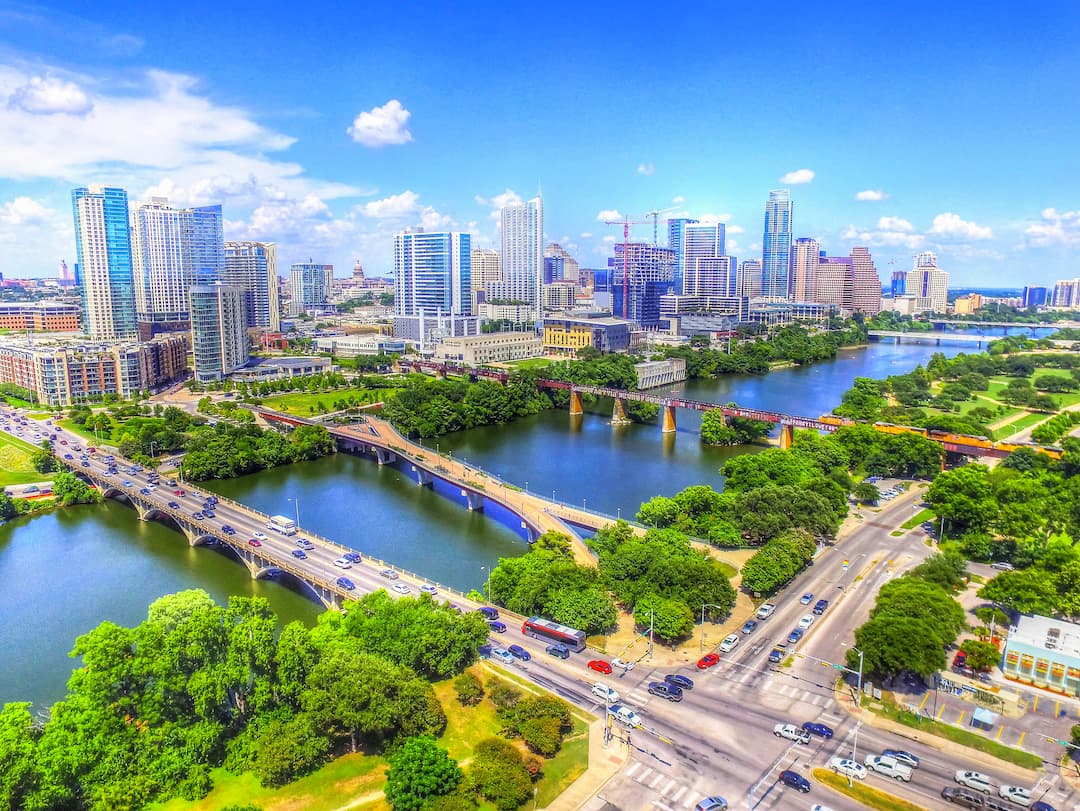
- Lady Bird Lake: The heart of Austin’s outdoor scene, this reservoir on the Colorado River is perfect for kayaking, paddleboarding, and canoeing. The surrounding 10-mile hike-and-bike trail offers stunning skyline views.
- Mount Bonnell: One of the highest points in Austin, offering panoramic views of the city skyline, Lake Austin, and the surrounding Hill Country. It’s a popular spot for sunsets.
- Congress Avenue Bridge: Home to the largest urban bat colony in North America. From March to October, thousands of Mexican free-tailed bats emerge at dusk, creating a spectacular natural phenomenon that draws crowds to the bridge.
These landmarks provide not only recreational opportunities but also connect residents to the natural beauty and historical fabric of Austin, enhancing its appeal as a vibrant place to live.
Making Austin Home: Practical Considerations
Deciding whether Austin is the right place for you involves weighing several practical factors, from the cost of living to the community atmosphere and public services.
Cost of Living and Housing Market
While Austin’s economy offers high salaries in many sectors, the cost of living, particularly housing, has risen significantly. Austin is generally more expensive than other major cities in Texas but can be more affordable than coastal tech hubs. Utilities, groceries, and transportation costs are roughly in line with national averages, but housing remains the biggest expenditure. Prospective residents should factor in higher rental prices or home purchase costs when budgeting. However, the absence of a state income tax in Texas can offset some of these expenses.
Education and Healthcare
Austin boasts a strong public school system, with many highly rated schools, especially in suburban districts. The University of Texas at Austin anchors a robust higher education landscape, including several other colleges and universities. Healthcare facilities are excellent, with a number of reputable hospitals and specialized medical centers serving the region.
Community and Lifestyle
The community in Austin is generally welcoming and diverse, attracting people from all walks of life. There’s a strong sense of local pride and engagement, fostered by community events, farmers’ markets, and neighborhood associations. The city caters to a wide range of lifestyles – from vibrant nightlife and cultural events for young adults to family-friendly parks and activities, and serene natural escapes for those seeking tranquility. Its reputation as a fit and active city is well-deserved, with countless opportunities for sports, fitness, and outdoor adventures.
Conclusion: Is Austin Texas A Good Place To Live?
So, “Is Austin, Texas a good place to live?” The answer, like the city itself, is multifaceted and largely depends on individual priorities and preferences. Austin undeniably offers an exceptional quality of life for many. Its dynamic economy provides ample job opportunities, particularly in the tech sector. The city’s unique cultural identity, vibrant music scene, renowned food culture, and abundant outdoor recreational opportunities create a lifestyle that is both engaging and enriching.
However, prospective residents must also consider the challenges. The rapidly rising cost of living, especially housing, and increasing traffic congestion are significant drawbacks that come with the city’s popularity and growth. The summers are long and hot, which might not appeal to everyone.
For those who value a progressive, energetic environment, a strong job market, a thriving arts scene, and an active outdoor lifestyle, and who are prepared for a competitive housing market, Austin can be an excellent place to call home. It’s a city that continues to evolve, balancing its rapid development with a steadfast commitment to preserving its distinct “weird” charm. Ultimately, Austin is more than just a place to live; it’s an experience, a community, and for many, a genuinely good place to build a life.
LifeOutOfTheBox is a participant in the Amazon Services LLC Associates Program, an affiliate advertising program designed to provide a means for sites to earn advertising fees by advertising and linking to Amazon.com. Amazon, the Amazon logo, AmazonSupply, and the AmazonSupply logo are trademarks of Amazon.com, Inc. or its affiliates. As an Amazon Associate we earn affiliate commissions from qualifying purchases.