
For culinary enthusiasts and intrepid travelers alike, understanding the nuances of local cuisine is often as enriching as visiting iconic landmarks or luxuriating in a five-star hotel. Food is a universal language, a direct portal into a culture’s history, traditions, and very soul. Among the many fascinating culinary curiosities, the question “Is Boston Butt the same as pork shoulder?” frequently arises, particularly for those exploring the rich tapestry of barbecue culture across America and beyond. While seemingly a straightforward question, the answer delves into butchery, regional history, and the art of slow cooking, unveiling a story that is as much about gastronomic delight as it is about cultural identity.
The short answer is: yes, the Boston Butt is a cut from the pork shoulder, but it is not the entire pork shoulder. It’s a specific, highly prized section, primarily used for dishes like pulled pork due to its ideal fat content and muscle structure. The pork shoulder itself is a larger primal cut, typically divided into two main sub-sections: the Boston Butt (or blade roast) and the picnic shoulder (or arm roast). To truly appreciate the culinary adventures these cuts enable, let’s embark on a journey through their anatomy, history, and global impact.
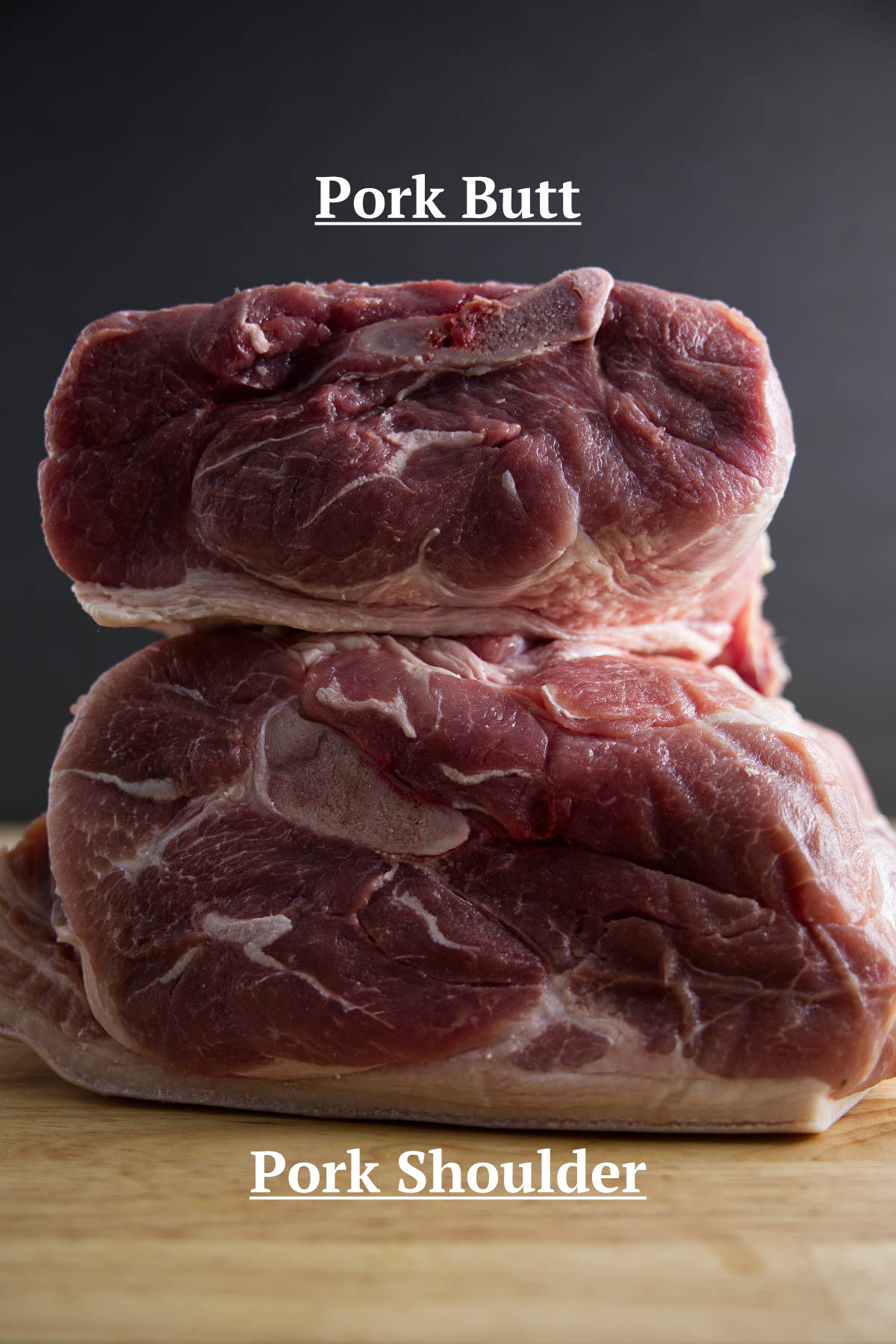
Unpacking the Culinary Conundrum: Understanding Pork Shoulder Cuts
The journey of understanding the pork shoulder begins at the butcher’s block, where the larger primal cut from the front leg and shoulder of a pig is carefully divided. This division is crucial to discerning why the Boston Butt holds such a revered status in the world of barbecue and slow-cooked dishes.
The Anatomy of Pork Shoulder: Boston Butt vs. Picnic Shoulder
The pork shoulder, often referred to simply as “pork shoulder” in a general sense, encompasses the entire upper foreleg of the hog. This entire section is robust, packed with muscle and connective tissue, making it perfect for slow-cooking methods that tenderize the meat to perfection. However, butchers typically separate it into two distinct parts, each with its own characteristics and ideal culinary applications:
- The Boston Butt (or Pork Butt): This cut comes from the upper part of the front shoulder, specifically the area that includes the blade bone (scapula). Despite its misleading name, it has nothing to do with the rear end of the pig. The Boston Butt is characterized by a good balance of lean muscle, intramuscular fat (marbling), and connective tissue. It’s often sold as a boneless or bone-in block, typically rectangular, weighing anywhere from 5 to 10 pounds. The generous marbling and connective tissue break down beautifully during long cooking processes, resulting in incredibly tender, juicy meat that is easy to shred. This makes it the undisputed champion for pulled pork, carnitas, and slow-roasted pork. Its robust structure also means it holds up well to intense, smoky environments, which is why it’s a staple in barbecue pits across the Southern United States.

- The Picnic Shoulder (or Pork Picnic/Arm Roast): This cut is located just below the Boston Butt, closer to the hog’s trotters. It includes the arm bone and often a good portion of skin. While also part of the shoulder, the picnic shoulder is typically leaner than the Boston Butt and contains more gristle and a higher proportion of skin. It’s often sold with the skin on, which, when cooked properly, can result in wonderfully crispy crackling. Due to its leaner nature and tougher texture, it requires even longer cooking times to achieve tenderness but can yield excellent results for dishes like smoked hams, stews, or even some types of pulled pork where a slightly chewier texture is desired. Sometimes, the picnic shoulder is cured and smoked to produce a “picnic ham,” a more affordable alternative to traditional hams.
Understanding these distinctions is vital for anyone planning a culinary trip focused on regional barbecue or seeking to replicate authentic flavors at home, perhaps in a well-appointed villa or apartment rental where cooking facilities are a highlight of the accommodation experience.

Historical Roots and Regional Names: Why “Boston Butt”?
The peculiar name “Boston Butt” has fascinated many, leading to humorous speculation and often, confusion. Its origin is a charming piece of New England history, dating back to the pre-Civil War era. In colonial Boston, butchers would take less popular, economically cut portions of pork shoulder and pack them into barrels for storage and transport. These barrels were known as “butts” – a term for a specific type of cask or barrel. The specific cuts of pork packed into these “butts” from Boston eventually became known as “Boston Butts.”
As the cuts became popular and the method of shipping spread, the name stuck, even as the practice of barrel packing faded. Today, the name is primarily associated with this specific, highly marbled cut of pork shoulder that has become the gold standard for slow-cooked pork. This historical tidbit highlights how regional customs and logistical practices can leave an indelible mark on culinary terminology, offering a glimpse into the local culture that travelers so eagerly seek. Imagine exploring the historic streets of Boston and then enjoying a succulent pulled pork sandwich, knowing the story behind its name – a truly immersive travel experience.
A Culinary Journey: Pork Shoulder Across Global Destinations
The versatility of pork shoulder, particularly the Boston Butt, extends far beyond its American barbecue fame. Its ability to absorb flavors, tenderize beautifully, and feed a crowd makes it a global culinary staple, influencing dishes from bustling street food stalls to gourmet restaurant tables.
Barbecue Capitals and Their Signature Styles: A Taste of America
No discussion of pork shoulder is complete without a deep dive into America’s barbecue heartland. The United States is a mosaic of barbecue traditions, each fiercely proud of its unique style, with pork shoulder often at the core. A culinary tour through these regions is a bucket-list item for many food-focused travelers.
-
The Carolinas: Both North Carolina and South Carolina are hallowed grounds for pork barbecue. While whole hog cooking is prominent, pulled pork made from the Boston Butt is king. In Eastern North Carolina, the meat is chopped or pulled and dressed with a vinegar-based sauce, emphasizing the pure flavor of the pork. Moving west into the Piedmont region, the sauce often gains a touch of tomato and a hint of sweetness. South Carolina is famous for its “mustard belt,” where a tangy, mustard-based sauce reigns supreme, offering a distinct flavor profile that contrasts sharply with its neighbors. Exploring these regions often involves driving scenic routes, staying in charming bed and breakfasts, and seeking out local ‘Q joints that have perfected their craft over generations – a true testament to authentic tourism.
-
Kansas City, Missouri: Known for its diverse barbecue offerings, Kansas City embraces the Boston Butt with open arms. Here, pork is often slow-smoked and then slathered with a thick, sweet, and tangy tomato-and-molasses-based sauce. The emphasis is on big flavors, with a focus on caramelized bark and tender, juicy meat. A trip to Kansas City is incomplete without visiting one of its legendary barbecue institutions, some of which have expanded into large, lively restaurants that double as cultural landmarks.
-
Memphis, Tennessee: This city is synonymous with pork ribs, but its pulled pork is equally legendary. Memphis barbecue is characterized by its “dry rub” technique, where pork shoulders are heavily seasoned with a spice blend before smoking, creating a flavorful crust. Sauces are often served on the side, allowing diners to choose their preferred level of sweetness or heat. The annual Memphis in May World Championship Barbecue Cooking Contest draws thousands, making it a prime destination for event-based tourism and a vibrant example of local culture.
-
Texas: While beef brisket is king in Texas, particularly in the Central Texas style, pork shoulder still finds its place, especially in regions with a more diverse barbecue landscape. Pulled pork sandwiches are common, often showcasing the state’s bold rubs and a more peppery, less sweet sauce. The sheer scale of Texas barbecue means that a road trip through its various culinary hubs is an essential experience for any food lover.
These barbecue regions offer not just food, but a complete sensory experience – the smoky aromas, the lively atmosphere of local eateries, and the warm hospitality, making them perfect destinations for immersive lifestyle travel.
Beyond America: International Interpretations of Pork Shoulder
The adaptability of pork shoulder has ensured its presence in diverse culinary traditions worldwide, often taking on unique characteristics based on local spices, cooking methods, and cultural preferences.
-
Mexico – Carnitas: Perhaps one of the most famous international renditions of slow-cooked pork shoulder is Mexico’s carnitas. Meaning “little meats,” carnitas involve simmering chunks of pork shoulder (often with a mix of other pork cuts) in its own fat or lard, sometimes with additions like orange juice, onion, and various spices, until incredibly tender. The meat is then often fried until crispy on the outside, creating a delightful contrast of textures. Served in tacos, tortas, or simply on a plate with fresh salsa and tortillas, carnitas are a quintessential street food experience throughout Mexico and beyond, especially in places like Mexico City or the Yucatán Peninsula. Exploring local markets and street food vendors offers an authentic glimpse into Mexican food culture, a highlight of any travel itinerary.
-
The Philippines – Lechon Kawali and Adobo: In the Philippines, pork shoulder is transformed into dishes like Lechon Kawali, where pork belly (or shoulder with skin) is boiled until tender, then deep-fried until gloriously crispy. The result is succulent meat encased in crackling skin. Pork shoulder is also a key ingredient in various versions of Adobo, the national dish, where it’s braised in vinegar, soy sauce, garlic, and peppercorns, creating a rich, tangy, and savory stew. Experiencing these dishes provides insight into the vibrant and flavorful cuisine of Southeast Asia.
-
Cuba and the Caribbean – Lechón Asado: Similar to whole roasted pig traditions found globally, many Caribbean nations, especially Cuba, celebrate Lechón Asado (roast pig). While often a whole hog, cuts from the pork shoulder are frequently marinated in a potent mojo sauce (garlic, sour orange, oregano, cumin) and slow-roasted until fall-apart tender, often with a crispy skin. This celebratory dish is a cornerstone of family gatherings and festive occasions, reflecting the communal spirit of Latin America and the Caribbean.
-
Spain – Cochinillo Asado: While traditionally suckling pig, the concept of slow-roasted pork shoulder (pala de cerdo asada) is also prevalent, particularly in home cooking. Marinated simply with garlic, herbs, and white wine, it’s roasted until the meat is incredibly tender and the skin crispy. Experiencing such dishes often means dining in quaint, historic restaurants or even during homestays, providing an intimate connection to Spanish culinary traditions.
-
Germany and Central Europe – Schweinshaxe and Goulash: In Germany, particularly Bavaria, a roasted pork knuckle (Schweinshaxe) is a popular dish. While not exclusively shoulder, it shares the characteristic of requiring long, slow cooking for tenderness. Pork shoulder is also a common cut for hearty stews like goulash found across Central Europe, showcasing its ability to stand up to robust flavors and prolonged simmering.
From the smoky pits of America to the spiced kitchens of Asia and Latin America, the pork shoulder, in its various forms, proves to be a culinary chameleon, adapting to local tastes while consistently delivering deeply satisfying, flavorful meals. This global reach makes it a fascinating subject for any traveler interested in the world’s diverse food cultures.
From Farm to Table: Preparing and Enjoying Pork Shoulder
The true magic of the Boston Butt and other pork shoulder cuts lies in their transformation through patient cooking. This process is not merely about applying heat; it’s an art form that unlocks incredible flavors and textures, central to many cherished culinary traditions.
Slow Cooking Secrets: Achieving Perfect Pulled Pork
The enduring popularity of pulled pork, especially in America, is a testament to the Boston Butt’s excellence. Achieving perfectly tender, juicy, and flavorful pulled pork requires adherence to a few key principles of slow cooking:
-
Low and Slow Temperature: This is the golden rule. Whether smoking in a dedicated pit, roasting in an oven, or braising in a slow cooker, maintaining a low temperature (typically between 225°F to 275°F or 107°C to 135°C) for an extended period (8-16 hours, depending on size) is crucial. This allows the connective tissues and collagen within the meat to slowly break down into gelatin, resulting in a moist, tender texture. High heat would simply dry out and toughen the meat.
-
Seasoning and Marinade: A good rub or marinade is essential for building flavor. Dry rubs often feature a blend of salt, pepper, paprika, brown sugar, garlic powder, and onion powder, creating a flavorful crust (or “bark”) during cooking. Marinades, especially for dishes like carnitas or Lechón Asado, infuse the meat with acids (like citrus or vinegar) and aromatic spices, tenderizing and flavoring from within.
-
Moisture Management: While the Boston Butt has ample fat, maintaining moisture throughout the long cooking process is important. This can involve spritzing the meat with apple cider vinegar, water, or broth during smoking, or cooking in a covered vessel to trap steam. Some methods involve a “Texas Crutch,” wrapping the meat in foil or butcher paper once it hits a certain internal temperature to push it through the “stall” (when evaporation cools the meat, slowing cooking) and retain moisture.
-
Resting Period: Once cooked, allowing the pork shoulder to rest for at least 30 minutes, or even an hour, is critical. This allows the muscle fibers to relax and reabsorb juices, ensuring a more tender and flavorful end product.
-
Shredding: The final step involves “pulling” the pork apart, typically with forks or bear claws, to create the signature shredded texture. This is when the meat is often mixed with a finishing sauce, if desired, or served plain to highlight the smoky, meaty flavor.
Mastering these techniques elevates the simple act of cooking into a rewarding culinary experience, making it a popular activity for those enjoying a long-term stay in an apartment with a well-equipped kitchen, or for travelers keen on a hands-on cooking class as part of their cultural immersion.
Culinary Tourism: Experiencing Pork Shoulder in Local Eateries
For the traveler, tasting expertly prepared pork shoulder dishes in their native environments is an unparalleled experience. It goes beyond mere consumption; it’s an engagement with local culture, history, and community.
-
Street Food Adventures: In places like Mexico or Southeast Asia, seeking out street food stalls selling carnitas or various pork belly preparations is a quintessential experience. The vibrant atmosphere, the tantalizing aromas, and the direct interaction with local cooks offer an authentic glimpse into daily life that no luxury resort can replicate.
-
Barbecue Trails and Festivals: For barbecue enthusiasts, embarking on a self-guided “barbecue trail” through the Carolinas, Texas, or Kansas City is a pilgrimage. Visiting renowned smokehouses, sampling different regional styles, and attending annual barbecue festivals (such as the Memphis in May event or the Oklahoma Joe’s BBQ & Blues Festival) are immersive experiences that combine food, music, and community spirit. Many travel guides and tourism boards highlight these culinary landmarks, making them easy to discover.
-
Fine Dining Interpretations: Even in high-end restaurants across Europe or Asia, chefs are reimagining humble pork shoulder cuts into gourmet creations. From slow-braised pork shoulder with exotic spices in Italy to sophisticated pulled pork sliders in a modern Seoul eatery, these dishes showcase the versatility and elevated potential of the cut. These experiences often complement a luxury travel itinerary, offering unexpected gastronomic delights.
-
Cooking Classes and Workshops: For those who wish to delve deeper, many destinations offer cooking classes focused on local specialties. Learning to prepare carnitas in a traditional Mexican kitchen or perfecting a dry rub for pulled pork in a Southern barbecue school provides hands-on experience and invaluable cultural insight. This type of experiential tourism caters to those seeking an interactive and educational dimension to their travels.
Planning Your Culinary Adventure: Where to Savor the Best Pork
Integrating the pursuit of exceptional pork dishes into your travel plans can elevate a simple trip into an unforgettable culinary expedition. Whether you’re a budget traveler or planning a luxury getaway, there are endless opportunities to savor these magnificent cuts.
Festivals and Food Trails: Immersive Experiences
For travelers seeking truly immersive food experiences, focusing on specific festivals or food trails can be incredibly rewarding.
-
The American Barbecue Belt: Plan a road trip through the Southern United States, hitting key cities like Memphis, Kansas City, and various spots in the Carolinas and Texas. Many local tourism boards offer maps and guides to iconic barbecue joints. Attending a major barbecue festival can be a vibrant, sensory overload in the best possible way, combining incredible food with live music and a festive atmosphere. These events often attract both local and international visitors, fostering a unique sense of community.
-
Mexican Street Food Tours: In Mexico, consider guided street food tours in cities like Mexico City, Oaxaca, or Guadalajara. These tours often lead you to hidden gems, allowing you to sample authentic carnitas and other pork dishes from vendors who have perfected their craft over generations. Such tours often come with expert local guides who can share insights into the history and cultural significance of the food, turning a meal into a storytelling experience.
-
European Culinary Routes: While less focused solely on pork shoulder, many European countries offer culinary routes that highlight regional specialties. For instance, in Germany or Austria, you can explore traditional eateries known for their hearty meat dishes. In Spain, food tours might introduce you to local tapas bars serving various pork preparations. These experiences often combine gastronomic delights with visits to historical landmarks and picturesque towns.
Accommodation and Dining: Pairing Your Stay with Local Flavors
Your choice of accommodation can significantly enhance your culinary journey.
-
Boutique Hotels with Renowned Restaurants: Many boutique hotels and luxury resorts pride themselves on their culinary offerings, often featuring restaurants that specialize in local cuisine. Staying at such a hotel can provide convenient access to exquisite dining experiences without having to leave the premises. Look for hotels that highlight farm-to-table initiatives or specific regional specialties on their menus. For example, a stay at a charming inn in Charleston, South Carolina, might include a restaurant that serves award-winning pulled pork, providing both comfort and convenience.
-
Apartments and Villas for Self-Catering: For those who enjoy cooking or traveling with family, booking an apartment or a private villa with a fully equipped kitchen offers the flexibility to experiment with local ingredients. Imagine buying a Boston Butt from a local market in America or fresh pork from a “mercado” in Mexico and preparing your own version of pulled pork or carnitas. This not only allows for budget-friendly meals but also provides a deeper connection to the local food system and a more personalized culinary lifestyle.
-
Food-Centric Accommodations: Some unique accommodations, like certain farm stays or guesthouses, offer cooking classes or communal dining experiences that focus on local dishes. This can be an excellent way to learn traditional recipes and share meals with other travelers and hosts, creating lasting memories.
By carefully planning your itinerary to include both iconic food experiences and comfortable accommodation, you can craft a travel narrative that is rich in flavor and cultural immersion.
The Verdict: More Than Just a Cut, It’s a Cultural Icon
In conclusion, “Is Boston Butt the same as pork shoulder?” The answer is a resounding ‘yes, but with distinction.’ The Boston Butt is a specific, highly favored section of the larger pork shoulder, distinguished by its ideal fat-to-meat ratio that makes it perfect for slow-cooking. Its name, a quirk of colonial Boston butchery, adds to its unique identity.
Beyond its anatomical specifics, the pork shoulder, in its various forms like the Boston Butt and picnic shoulder, transcends mere ingredient status. It is a cornerstone of countless culinary traditions across America and around the world, from the smoky barbecue pits of Memphis and Kansas City to the vibrant street food of Mexico and the Philippines. Its versatility, rich flavor, and ability to feed communities make it a symbol of comfort, celebration, and culinary heritage.
For travelers, understanding and seeking out these regional pork shoulder dishes offers an authentic gateway into local cultures. It’s an invitation to savor the slow-cooked history, the communal joy, and the distinctive flavors that define each destination. So, whether you’re planning a grand tour of barbecue capitals, a gastronomic adventure through Latin America, or simply seeking to master the art of pulled pork in your own kitchen, the journey into the world of pork shoulder promises a richly rewarding experience for the palate and the soul.
LifeOutOfTheBox is a participant in the Amazon Services LLC Associates Program, an affiliate advertising program designed to provide a means for sites to earn advertising fees by advertising and linking to Amazon.com. Amazon, the Amazon logo, AmazonSupply, and the AmazonSupply logo are trademarks of Amazon.com, Inc. or its affiliates. As an Amazon Associate we earn affiliate commissions from qualifying purchases.