
The Freedom Trail in Boston is more than just a path; it’s a meticulously preserved artery of American history, winding through the very streets where the seeds of a nation were sown. For countless travelers planning a trip to this historic city, the question invariably arises: “Is the Boston Freedom Trail worth it?” This isn’t just a casual query; it’s a deep dive into whether this iconic 2.5-mile (4-kilometer) red-lined route truly delivers an engaging, educational, and memorable experience for diverse visitors.
In an age where authentic travel experiences are paramount, and online reviews heavily influence our itineraries, turning to platforms like Reddit offers a raw, unfiltered glimpse into what real travelers think. From solo adventurers and history buffs to families with young children and budget-conscious explorers, the collective wisdom of the internet can provide invaluable insights. Our goal is to synthesize these diverse perspectives, integrate expert travel advice, and help you determine if a walk along the Freedom Trail should be at the top of your Boston itinerary. We’ll explore the trail’s historical significance, delve into the various ways to experience it, and offer practical tips to ensure your visit, whether short or long, is as enriching as possible, aligning with your travel style and preferences.
The Allure of the Freedom Trail: A Journey Through American History
Boston’s Freedom Trail is not merely a tourist attraction; it’s a living museum, a testament to the revolutionary spirit that defined a pivotal moment in global history. It’s a pilgrimage for those who wish to walk in the footsteps of patriots and understand the monumental struggle for independence.
What is the Freedom Trail?
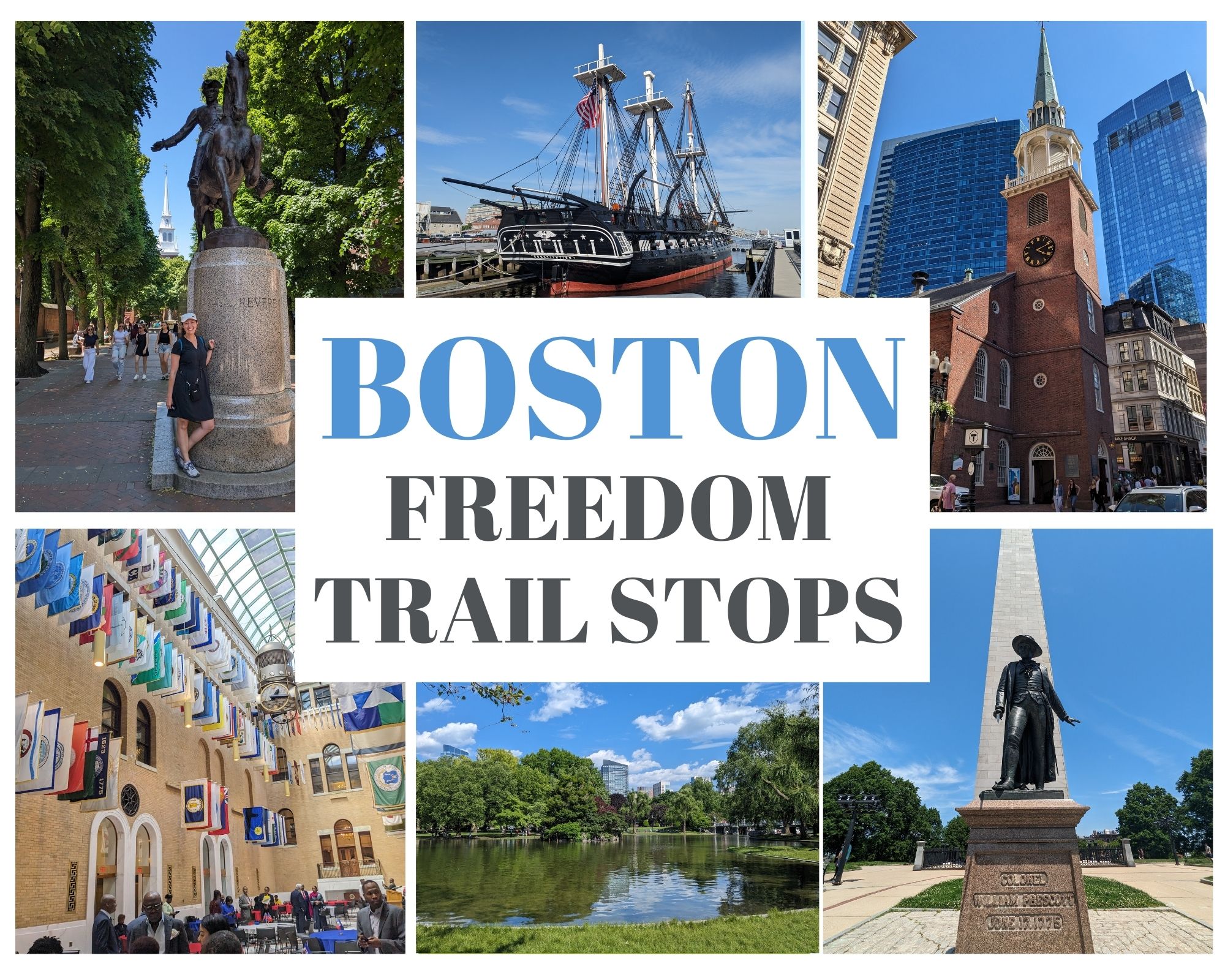
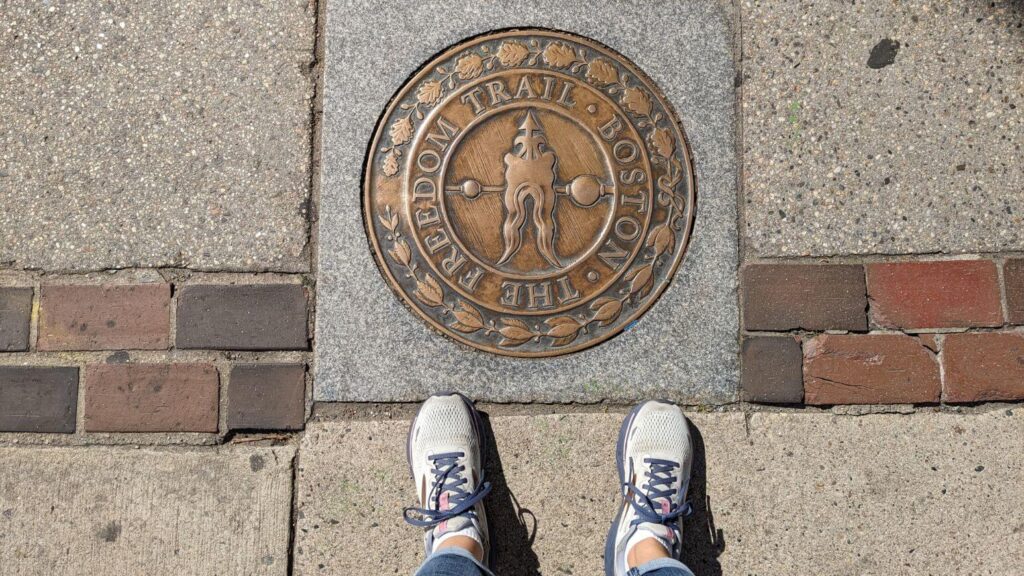
At its core, the Freedom Trail is a 2.5-mile urban walking route marked by a distinctive red brick line or painted red stripe on the sidewalk. It connects 16 historically significant sites that played crucial roles in the American Revolution and the early days of the United States. Starting at Boston Common, the oldest park in the U.S., the trail guides visitors through downtown Boston, the North End, and across the Charlestown Bridge, concluding at the Bunker Hill Monument and the USS Constitution.
Along this immersive journey, you’ll encounter a parade of iconic landmarks:
- Boston Common: The starting point, a historical gathering place.
- Massachusetts State House: With its gleaming gold dome.
- Park Street Church: Where “My Country, ‘Tis of Thee” was first sung publicly.
- Granary Burying Ground: Final resting place for Paul Revere, Samuel Adams, and John Hancock.
- King’s Chapel & King’s Chapel Burying Ground: A beautiful Anglican church and another significant cemetery.
- Old South Meeting House: Where the Boston Tea Party was incited.
- Old State House: Site of the Boston Massacre and former seat of colonial government.
- Faneuil Hall: Known as the “Cradle of Liberty.”
- Paul Revere House: The oldest house in downtown Boston.
- Old North Church: “One if by land, and two if by sea.”
- Copp’s Hill Burying Ground: Overlooking Boston Harbor.
- USS Constitution: “Old Ironsides,” the oldest commissioned warship afloat in the world.
- Bunker Hill Monument: Commemorating the Battle of Bunker Hill.
Each stop offers a distinct window into the past, with opportunities to enter museums, churches, and historic homes, often for a small fee, enriching the journey beyond just the walk.
Why it Captivates Travelers
The Freedom Trail captivates travelers for several compelling reasons, making it a cornerstone of Boston tourism and a frequently recommended destination.
Firstly, it provides an unparalleled immersive experience into a pivotal era. Unlike reading history from a book, walking the trail allows you to stand where momentous events unfolded, breathing life into historical narratives. It appeals to history enthusiasts seeking a tangible connection to the past, offering a rich tapestry of stories about revolutionaries, protests, and the birth of a nation.
Secondly, the trail integrates seamlessly with Boston’s vibrant urban landscape. It’s an opportunity to explore diverse neighborhoods, from the bustling heart of downtown to the charming, narrow streets of the North End, offering glimpses into local culture, architecture, and daily life. This fusion of historical significance and contemporary city exploration makes it a uniquely satisfying experience. For those interested in landmarks and architecture, the trail offers a stunning array of colonial, Georgian, and federal-style buildings, each with its own story.
Finally, the Freedom Trail is accessible to a wide range of travelers. Its well-marked path makes self-guided tours easy, while numerous guided tour options cater to those seeking deeper insights and engaging storytelling. It’s an activity that can be enjoyed by individuals, couples, families, and groups, making it a versatile attraction that consistently draws visitors to Boston year after year. For many, it’s not just a walk, but an essential Boston experience.
Diving into Reddit’s Insights: The Traveler’s Perspective
When it comes to real, unvarnished opinions about travel destinations and attractions, Reddit stands out as a treasure trove. Travelers from all walks of life share their experiences, offering a comprehensive and often humorous look at what works and what doesn’t. Regarding the Freedom Trail, the feedback is robust, oscillating between enthusiastic endorsements and more measured, nuanced critiques.
The Enthusiasts: “Absolutely Worth It!”
Many Reddit users wholeheartedly recommend the Freedom Trail, citing its educational value and immersive nature as primary draws. The prevailing sentiment among enthusiasts is that the trail is a must-do, especially for first-time visitors to Boston.
Key takeaways from the positive reviews include:
- Educational Immersion: Users frequently praise the trail for bringing history to life. “It’s one thing to read about the Revolutionary War, another to walk where it happened,” commented one user. The tangible connection to the past, visiting sites like the Old State House or Paul Revere House, is often highlighted as profound.
- Walkability and Accessibility: The clear red line marking the path makes navigation incredibly easy, even for those unfamiliar with Boston. Many appreciate that it’s a self-paced activity, allowing them to spend more time at sites of particular interest or skip others if time is short. The fact that it’s largely flat and well-maintained contributes to its appeal as a family-friendly activity.
- Variety of Experience: Whether opting for a self-guided tour with an app or guide book, or joining one of the many guided tours (often led by costumed historical interpreters), the flexibility to tailor the experience is a significant plus. Guided tours are especially lauded for their engaging storytelling and ability to provide context that might otherwise be missed. “Our guide was fantastic, weaving humor and incredible facts into every stop,” shared a delighted traveler.
- Integration with Boston Exploration: Beyond the historical sites, the trail offers a fantastic way to discover different neighborhoods, including the charming North End with its renowned Italian food, and the bustling area around Faneuil Hall and Quincy Market. It’s seen as an efficient way to cover a lot of ground and get a feel for the city’s unique character.
The Skeptics & Nuanced Views: “It Depends…”
While overwhelmingly positive, Reddit discussions also feature more cautious or critical viewpoints, often prefaced with “it depends on what you’re looking for.” These insights are crucial for setting realistic expectations and planning an enjoyable trip.
Common criticisms and caveats include:
- Crowds and Commercialization: During peak season (summer) and weekends, the Freedom Trail can get extremely crowded, particularly around major attractions like Faneuil Hall. Some users lament the commercial feel around these areas, which they feel detracts from the historical ambiance. “It felt like a theme park at times, especially near Quincy Market,” noted one user.
- Overwhelm and “Site Fatigue”: With 16 sites packed into 2.5 miles, some visitors, especially those trying to see everything in one go, reported feeling overwhelmed or experiencing “site fatigue.” Without proper pacing or pre-research, the sheer volume of historical information can become daunting. “After the fifth burying ground, they all started to blend together,” admitted a traveler.
- Cost of Entry: While the walk itself is free, many of the individual sites (e.g., Paul Revere House, Old South Meeting House) charge an admission fee. This can add up, making the overall experience more expensive than some budget travelers anticipate. “Be prepared to pay for individual museums if you want to go inside,” was a common piece of advice.
- Context is Key: Several users emphasized that the experience’s value heavily depends on whether you have an interest in history or make an effort to understand the context of each stop. Without a guide or prior knowledge, some sites might appear underwhelming or just “old buildings.” “If you’re not into history, it might just feel like a long walk,” a user cautioned.
- Alternative Ways to Experience Boston’s History: Some suggestions included focusing only on specific parts of the trail, exploring certain neighborhoods like the North End or Charlestown independently, or taking a specialized tour (e.g., a Boston Tea Party Ships & Museum tour) that dives deep into one aspect of history.
In summary, Reddit’s consensus is that the Freedom Trail is valuable, but its ultimate “worth” is subjective and heavily influenced by preparation, personal interest, and how you choose to experience it.
Maximizing Your Freedom Trail Experience: Tips for Every Traveler
To truly make the Freedom Trail “worth it” for your specific travel style, a bit of planning goes a long way. Drawing from expert advice and the collective wisdom of seasoned travelers, here’s how to get the most out of your historical journey.
Planning Your Walk: Self-Guided vs. Guided Tours
Choosing between a self-guided tour and a guided tour is one of the first decisions you’ll make, and each offers distinct advantages.
- Self-Guided Tours: The Flexible Approach
- Pros: Maximum flexibility to set your own pace, linger at sites that interest you most, or skip those that don’t. It’s often more budget-friendly as you only pay for individual site admissions you choose. You can start and stop whenever you like, perhaps breaking the trail into multiple days.
- How to Enhance: Don’t go unprepared! Download a reliable app (like the official Freedom Trail Foundation app) or an audio guide that provides historical context and interesting anecdotes for each stop. Invest in a good guidebook. These tools transform a simple walk into an insightful journey. This approach is ideal for independent travelers, those on a tight schedule, or repeat visitors who want to revisit specific landmarks.
- Guided Tours: The Immersive Storytelling Experience
- Pros: Expert guides (often in period costumes) offer a rich narrative, bringing history to life with engaging stories, humor, and unique perspectives you might miss on your own. They can answer questions, manage logistics, and provide valuable local tips. This is excellent for those who prefer an organized experience, have a deeper interest in detailed history, or are traveling with children who might benefit from interactive storytelling.
- How to Choose: Research tour companies. Some focus on specific themes (e.g., women of the revolution, African-American history in Boston), while others offer general overviews. Check reviews for guide quality and group size. Tours typically last 90 minutes to 3 hours, covering a significant portion but rarely all 16 sites in one go.
Beyond the Trail: Enhancing Your Boston Visit
The Freedom Trail is a fantastic starting point, but Boston has so much more to offer. Integrating the trail into a broader travel plan will enrich your overall tourism experience.
- Culinary Delights: The trail naturally leads you through the North End, Boston’s historic Italian district. Plan a stop for authentic pasta, cannolis, or a fresh seafood dinner. Near Faneuil Hall, Quincy Market offers a smorgasbord of local and international street food. Exploring local culture through food is an essential part of any trip.
- Diverse Attractions: Don’t limit your Boston visit to just revolutionary history. Consider exploring the Boston Tea Party Ships & Museum, the New England Aquarium, or the world-class Museum of Fine Arts. A short MBTA ride can take you to Cambridge to explore Harvard University or catch a Red Sox game at Fenway Park.
- Accommodation Choices: Your choice of accommodation can significantly impact your Boston experience. Hotels near the beginning of the trail (Boston Common area) offer central access, while boutique hotels in the North End provide a charming, neighborhood feel. For luxury travel, consider high-end resorts with skyline views. Budget travel options include hostels or apartments further out with good public transport links. Always compare booking sites and reviews.
- Best Time to Visit: Spring (April-May) and Fall (September-October) offer the most pleasant weather for walking, fewer crowds than summer, and beautiful scenery. Winter can be charming but cold, while summer is warm and bustling.
Practical Considerations for a Smooth Journey
A comfortable and well-prepared traveler is a happy traveler. Keep these travel tips in mind:
- Footwear is Key: This cannot be stressed enough. You’ll be walking several miles on city sidewalks. Comfortable, broken-in walking shoes are an absolute necessity.
- Hydration and Snacks: Carry a water bottle, especially during warmer months. There are plenty of cafes and shops along the way, but having your own provisions saves time and money.
- Weather Preparedness: Boston’s weather can be unpredictable. Dress in layers, and consider a light rain jacket or umbrella, even if the forecast looks clear. Sunscreen and a hat are essential during sunny days.
- Budgeting: Decide beforehand which indoor sites you want to enter, as admission fees can add up. Factor in costs for food, souvenirs, and transportation. Boston can be an expensive city, so planning your budget travel accordingly is wise.
- Public Transportation (MBTA): The Freedom Trail is a linear path. You might want to use the “T” (MBTA) to get back to your starting point, or to hop between sections if you’re breaking up the walk. Consider a multi-day pass if you plan to use it frequently.
The Verdict: Is the Freedom Trail Worth It for You?
After delving into the vibrant discussions on Reddit and integrating comprehensive travel guides and expert advice, the resounding answer to “Is the Boston Freedom Trail worth it?” is a qualified yes, absolutely – if you approach it with the right mindset and preparation.
For history enthusiasts, it’s an undeniable pilgrimage, offering a tangible connection to the birth of a nation that few other places can match. For first-time visitors to Boston, it serves as an excellent orientation to the city’s rich past and its charming neighborhoods, providing a coherent narrative thread through many key attractions. Even for families, with careful planning to choose engaging guided tours or incorporating breaks, it can be a highly educational and memorable experience.

However, its worth is significantly enhanced by how you choose to experience it. Simply walking the red line without any context might leave some feeling underwhelmed. The true magic unfolds when you engage with the stories, whether through a knowledgeable guide, a detailed audio tour, or personal research into the lives and events that shaped each landmark.
Consider your travel style:
- If you love history and walking: The Freedom Trail is an essential, highly rewarding experience.
- If you prefer a relaxed pace and don’t want to feel rushed: Opt for a self-guided tour, break the trail into sections, and prioritize the sites that genuinely pique your interest.
- If you’re on a tight budget: Focus on the free outdoor aspects, utilizing free apps or online resources for historical context, and selectively choose one or two paid attractions that you absolutely want to explore internally.
- If you want deep insights and lively narration: Invest in one of the many excellent guided tours offered by the Freedom Trail Foundation or private companies.
Ultimately, the Freedom Trail is far more than just a red line on the pavement; it’s an invitation to step back in time, to connect with the foundational stories of America, and to explore the vibrant, modern city that grew from these revolutionary roots. With a little planning and an open mind, your journey along this iconic path will undoubtedly be a highlight of your Boston adventure.