
The question “Is Boston, Massachusetts racist?” is one that immediately raises eyebrows and sparks intense debate. It’s a query that delves deep into the historical fabric and contemporary identity of one of America’s oldest and most venerated cities. For many, Boston is synonymous with revolutionary ideals, intellectual prowess, and charming cobblestone streets. It’s a city that boasts an unparalleled legacy as the cradle of the American Revolution, a beacon of education with world-renowned universities like Harvard University and the Massachusetts Institute of Technology (MIT), and a vibrant hub for culture, arts, and innovation. Millions of travelers annually flock to its historic landmarks, indulge in its rich culinary scene, and soak in its distinctive lifestyle, making it a top-tier global travel destination.
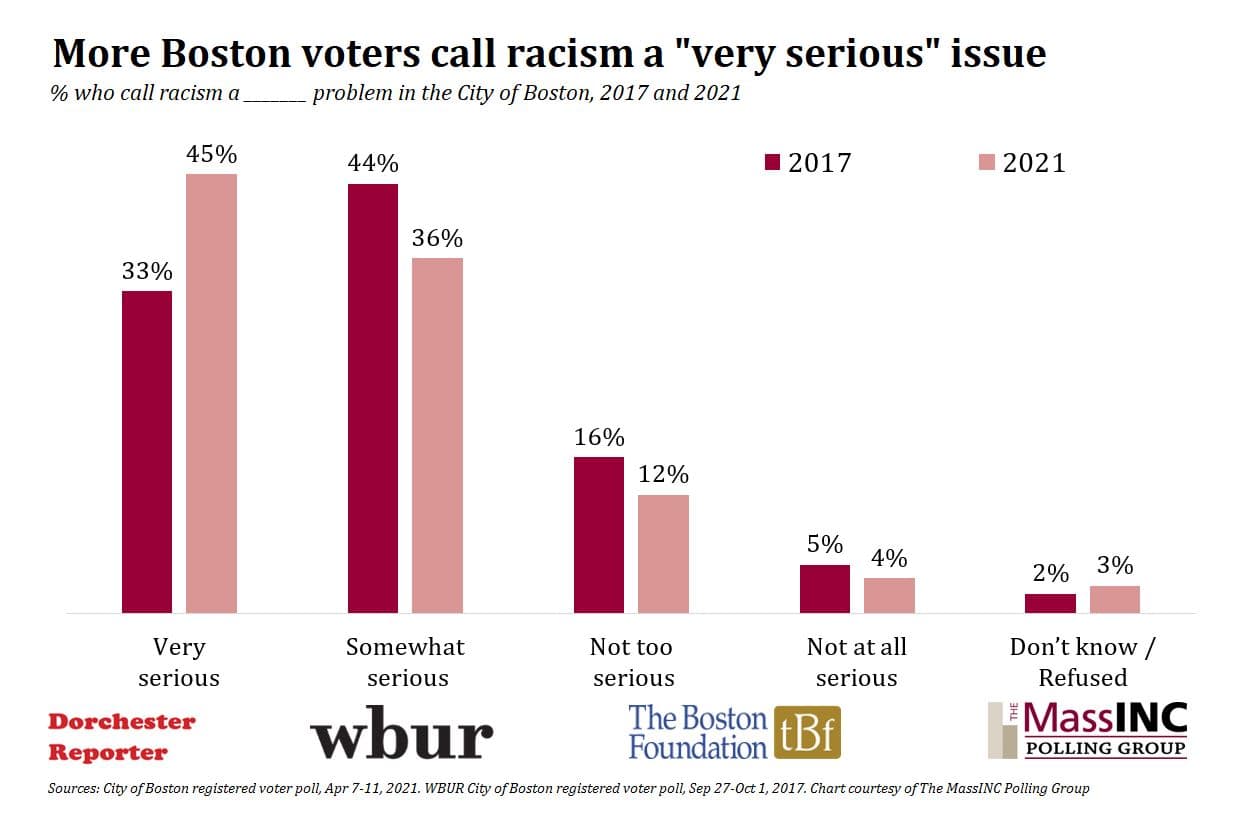
However, beneath this picturesque veneer lies a complex, often painful, history with race that has undeniably shaped its reputation. For decades, Boston has grappled with the perception, and often the reality, of racial discrimination, a legacy that continues to influence how both residents and visitors experience the city today. This article aims to explore this sensitive topic with nuance, offering a comprehensive perspective that acknowledges the historical context while also examining the modern Boston experience. For those considering Boston as their next destination for tourism, accommodation, or simply a leisurely visit, understanding this multifaceted identity is crucial for a truly informed and enriching journey. We will delve into its past, scrutinize its present, and offer insights for travelers navigating this dynamic and evolving metropolis.
Understanding Boston’s Complex History with Race
To truly address the question of whether Boston is racist, one must first confront its intricate and often contradictory history with race. The city’s narrative is not monolithic; it’s a tapestry woven with threads of both progressive idealism and deep-seated prejudice.
A Legacy of Abolition and Division
Boston’s role in the fight for abolition is a point of immense pride. It was a hotbed of anti-slavery sentiment, home to prominent abolitionists like William Lloyd Garrison and a crucial stop on the Underground Railroad. The African Meeting House on Beacon Hill, the oldest surviving Black church building in the United States, stands as a powerful testament to this legacy, serving as a church, school, and community center for the city’s Black population and a focal point for the abolitionist movement. The Black Heritage Trail further illuminates the contributions and struggles of Boston’s African American community from the colonial period through the 19th century. These historical narratives often paint Boston as a champion of freedom and equality.
However, this progressive image starkly contrasts with later periods of intense racial strife. The most significant and scarring chapter in Boston’s racial history is arguably the desegregation busing crisis of the 1970s. Mandated by federal courts to integrate its public schools, the city erupted in violent protests, particularly in predominantly white working-class neighborhoods like South Boston. Images of white residents hurling rocks and racial slurs at buses carrying Black schoolchildren shocked the nation and indelibly stamped Boston with a reputation for racial animosity. This period laid bare deep-seated racial divisions and a pervasive anti-Black sentiment that many felt had long simmered beneath the surface. The scars of busing contributed to significant white flight, reshaping the city’s demographics and leaving a lasting legacy of distrust and segregation that the city continues to address. While decades have passed, the echoes of this era are still present in conversations about race in Boston.
Demographic Landscape and Neighborhoods
Today, Boston is a vibrant and diverse metropolitan area. According to recent census data, no single racial or ethnic group constitutes a majority of the city’s population. This diversity is reflected in its myriad neighborhoods, each with its own distinct character, history, and demographic makeup. Areas like Roxbury, Dorchester, and Mattapan are historically and predominantly Black and Caribbean communities, rich in cultural heritage and community spirit. Chinatown is a bustling hub for Boston’s Asian population, offering an authentic glimpse into Asian cultures and cuisines. The North End remains the city’s historic Italian neighborhood, while the South End is known for its beautiful Victorian brownstones, diverse population, and thriving arts scene.
However, even with this diversity, issues of racial inequity persist. Gentrification, driven by a booming economy and a demand for urban living, has significantly impacted historically diverse and working-class neighborhoods. Rising housing costs have pushed out long-time residents, often people of color, raising concerns about displacement and the erosion of cultural identity. While efforts are underway to foster inclusivity and address systemic inequalities, the wealth gap and disparities in access to resources across racial lines remain significant challenges. Understanding these dynamics is essential for any traveler seeking a genuine appreciation of Boston’s social landscape.
The Modern Boston Experience: What Visitors Should Know
For visitors planning a trip to Boston, the nuanced historical context can be daunting. However, the modern experience for travelers, particularly those staying in and exploring the popular tourist areas, often presents a different picture than the city’s historical reputation might suggest.
Perceptions vs. Reality for Travelers
The perception of Boston as unwelcoming or racially charged is a powerful one, often perpetuated by historical anecdotes and media portrayals. Yet, the reality for many contemporary travelers, especially those of color, frequently diverges from this stereotype. While individual experiences can vary greatly, the vast majority of visitors report positive interactions and do not encounter overt racism during their stays.
Boston’s major tourist attractions are generally welcoming and multicultural spaces. Sites like the Freedom Trail, which winds through historic downtown Boston connecting 16 historically significant sites; Faneuil Hall Marketplace, a vibrant center for shopping and dining; and Boston Common, the oldest city park in the United States, draw a diverse international crowd. Museums such as the Museum of Fine Arts and the Isabella Stewart Gardner Museum, along with institutions like the New England Aquarium and sporting venues like Fenway Park, are bustling with people from all walks of life. The service industry in these areas, from hotels and restaurants to tour guides, is accustomed to catering to a global clientele, prioritizing hospitality and professionalism. Many studies and surveys, while acknowledging past issues, show that the contemporary Boston is actively working towards becoming a more inclusive city. However, it is also important to note that subtle biases or microaggressions can still occur, and individual experiences are subjective.
Diversity in Culture, Food, and Arts
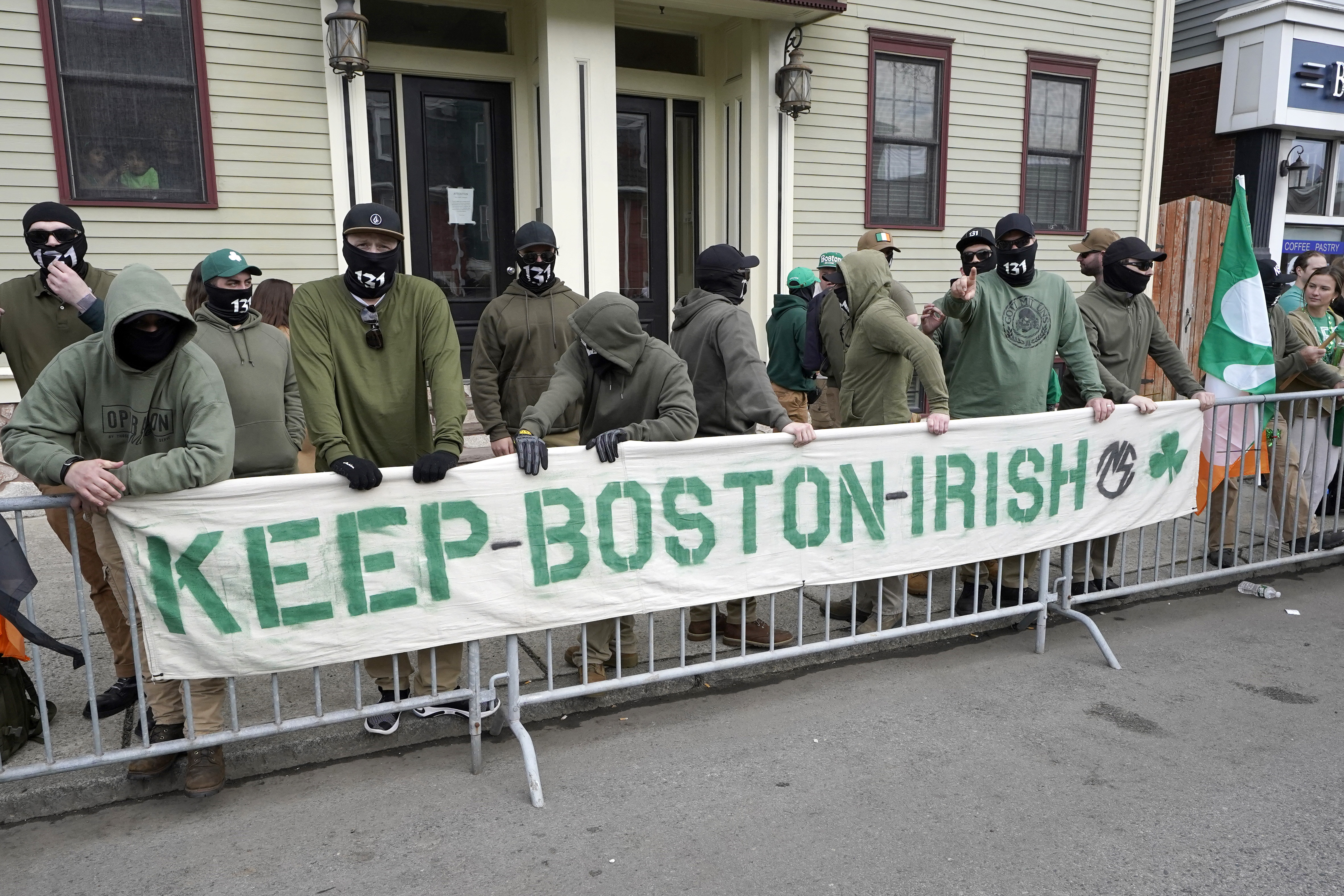
One of Boston’s greatest strengths as a travel destination is its incredibly rich and diverse cultural landscape. This diversity is a powerful counter-narrative to any claims of widespread racism. The city’s culinary scene is a prime example, offering a gastronomic journey that reflects its varied population. Beyond the iconic clam chowder and lobster rolls, visitors can savor authentic Italian pastries in the North End, dim sum in Chinatown, Ethiopian delights in the South End, or vibrant Caribbean flavors in Dorchester. The availability of global cuisines is a testament to the city’s multicultural fabric.
The arts and entertainment scene further underscore Boston’s diversity. The Huntington Theatre Company, ArtsEmerson, and numerous smaller theaters regularly feature works from diverse playwrights and performers, exploring themes relevant to various communities. Music venues across the city showcase everything from classical performances by the Boston Symphony Orchestra to jazz, hip-hop, and world music in intimate clubs and larger arenas. Throughout the year, Boston hosts a multitude of cultural festivals celebrating Irish, Italian, Asian, Latin American, and African traditions, providing vibrant experiences for both locals and tourists. These cultural expressions serve as bridges between communities and offer visitors a chance to engage deeply with the city’s inclusive spirit.
Navigating Boston: Tips for a Positive Travel Experience
For prospective visitors, an informed approach can enhance their travel experience in Boston. By understanding the city’s nuances and making conscious choices, travelers can ensure a positive and enriching stay.
Choosing Your Accommodation
The selection of your accommodation can significantly influence your perception of Boston. The city offers a wide array of options, from luxurious resorts and boutique hotels to comfortable suites and convenient apartments, catering to every budget and preference. Areas like Back Bay, Beacon Hill, and the Seaport District are generally considered affluent, highly touristed, and diverse in their visitor base, offering a universally welcoming atmosphere. Here, you’ll find top-tier properties like the Omni Parker House, The Ritz-Carlton, Boston, or the Boston Harbor Hotel, known for their excellent amenities and service.
For those interested in exploring different facets of Boston and engaging with more local communities, considering accommodation in neighborhoods like Cambridge or Somerville (just across the Charles River) might be appealing. These cities are known for their progressive leanings, diverse populations, and vibrant cultural scenes. When booking your stay, reviewing guest comments and online reviews can provide insights into previous visitors’ experiences and help you choose a location that aligns with your expectations for inclusivity and comfort.
Engaging with Local Culture and Community
To gain a more balanced and authentic perspective of Boston, it’s highly recommended to venture beyond the primary tourist zones. Explore neighborhoods such as Jamaica Plain, known for its bohemian vibe, community activism, and independent shops, or Roxbury, where you can delve into rich African American history and contemporary Black culture. These areas offer genuine local culture, distinct food options, and opportunities to support diverse local businesses.
Attending community events, visiting local markets, or engaging with neighborhood-specific cultural centers can provide invaluable experiences. Consider exploring the Museum of African American History or attending a gospel service in a historic church. These interactions often reveal a Boston that is actively working towards social justice and celebrates its multicultural identity. By stepping outside the tourist bubble, visitors can find a city that is far more complex and often more welcoming than its historical reputation might suggest.

Important Landmarks and Historical Sites to Visit
While the Freedom Trail offers an essential glimpse into Boston’s revolutionary past, it’s just one thread in the city’s rich historical tapestry. To understand Boston’s full narrative, visitors should seek out landmarks that represent various communities and historical struggles. The African Meeting House and the Black Heritage Trail on Beacon Hill are indispensable for understanding the fight for civil rights and the contributions of African Americans.
Other notable historical sites like the Paul Revere House and the Old North Church are iconic, but consider juxtaposing these with visits to cultural centers in historically immigrant neighborhoods. The architectural diversity of Boston, from the historic brownstones of Back Bay to the modern glass towers of the Seaport District, tells a story of constant evolution. Exploring these sites with an open mind and a willingness to learn about different perspectives will significantly enrich your travel experience and provide a more complete picture of this historically significant city.
Conclusion
The question “Is Boston, Massachusetts racist?” does not yield a simple yes or no answer. Like many cities with deep historical roots, Boston’s past includes chapters marked by significant racial tension and overt discrimination. The legacy of events like the busing crisis undeniably shaped its reputation and continues to inform current discussions about race. However, to define modern Boston solely by these historical low points would be an oversimplification.
Today, Boston is a vibrant, increasingly diverse, and internationally-minded city. Its institutions, communities, and residents are actively engaged in dialogues and initiatives aimed at addressing systemic inequalities and fostering a more inclusive environment. While challenges certainly remain, particularly concerning housing affordability and socio-economic disparities, the everyday experience for most visitors and many residents is one of a welcoming and dynamic urban center.
For travelers, Boston offers a profound journey through American history, a rich tapestry of cultural experiences, and world-class amenities. By approaching your visit with an open mind, an eagerness to explore beyond the obvious, and a willingness to engage with its diverse communities, you will discover a city that is far more nuanced than its historical reputation might suggest. Boston is a city evolving, learning from its past, and striving towards a more equitable future, making it an endlessly fascinating and rewarding destination for any discerning traveler.
LifeOutOfTheBox is a participant in the Amazon Services LLC Associates Program, an affiliate advertising program designed to provide a means for sites to earn advertising fees by advertising and linking to Amazon.com. Amazon, the Amazon logo, AmazonSupply, and the AmazonSupply logo are trademarks of Amazon.com, Inc. or its affiliates. As an Amazon Associate we earn affiliate commissions from qualifying purchases.