
As one of America’s most historic and vibrant cities, Boston, Massachusetts consistently draws millions of visitors each year, eager to explore its rich past, world-class institutions, and dynamic cultural scene. From the cobblestone streets of the North End to the grand brownstones of Beacon Hill and the innovation hubs across the Charles River in Cambridge, Boston offers a diverse array of experiences. For any traveler planning a trip, a paramount concern often revolves around personal safety. Is Boston, Massachusetts, a safe destination for tourists, families, solo adventurers, and business travelers alike? The short answer is overwhelmingly yes, but like any major metropolitan area, understanding its nuances, knowing which areas to explore with ease, and adopting sensible travel practices are key to ensuring a smooth and enjoyable visit.
Boston generally boasts a lower violent crime rate compared to many other large U.S. cities, and its tourist-heavy areas are particularly well-policed and maintained. The city’s strong community ties, active urban planning, and continuous efforts by local law enforcement contribute to its reputation as a relatively secure environment. However, safety is a multi-faceted concept, encompassing everything from street crime to public transportation security, and even how secure your chosen accommodation is. This comprehensive guide aims to provide a detailed overview of safety in Boston, offering practical tips and insights to help you navigate this iconic city with confidence.
Understanding Boston’s Safety Landscape
When evaluating the safety of any destination, it’s essential to look beyond anecdotal evidence and consider official statistics, local perceptions, and the specific dynamics of different neighborhoods. Boston’s safety profile is generally positive, making it a comfortable place for exploration.
Overall Crime Statistics and Perceptions
According to data compiled by various agencies, including the Boston Police Department and federal reports, Boston’s crime rates have seen a steady decline over several decades, mirroring trends in many major American cities. While property crime, such as pickpocketing or petty theft, can occur—especially in crowded tourist areas or on public transit—violent crime remains relatively low, particularly in districts frequented by visitors. The city benefits from a proactive police presence in high-traffic zones, including downtown, major shopping districts like Newbury Street, and around popular landmarks.
Perceptions of safety are often influenced by local residents and regular visitors. Many Bostonians express a strong sense of security within their communities, which contributes to the city’s overall welcoming atmosphere. Tourists often report feeling safe walking around Boston’s historic districts, even during evening hours, largely due to good street lighting, visible activity, and the presence of other pedestrians. This perception is generally accurate for the majority of areas you’d want to explore as a visitor.
Safe Neighborhoods vs. Areas to Exercise Caution
Boston is a city of distinct neighborhoods, each with its own character and safety profile. Understanding these distinctions is crucial for informed travel.
-
Generally Very Safe & Tourist-Friendly:
- Beacon Hill: Known for its picturesque streets and historic architecture, this area is highly affluent and extremely safe, day and night.
- Back Bay: Home to upscale boutiques, elegant brownstones, and beautiful parks, Back Bay is consistently one of Boston’s safest and most desirable neighborhoods. This includes areas around Copley Square and Boylston Street.
- North End: Boston’s historic Little Italy is bustling with activity, especially in the evenings, with diners and strollers making it feel very safe and vibrant.
- Downtown Boston / Financial District: While business-focused during the day, these areas are generally safe, particularly around major attractions like Faneuil Hall Marketplace and the New England Aquarium.
- Seaport District: A newer, rapidly developing area with modern architecture, restaurants, and hotels, the Seaport District is well-lit, busy, and considered very safe.
- Cambridge: While technically a separate city, Cambridge (home to Harvard University and MIT) is easily accessible and exceptionally safe, particularly in areas like Harvard Square and Kendall Square.
-
Areas Requiring General Awareness (Not Necessarily Unsafe, But Less Tourist-Focused):
- Roxbury, Dorchester, Mattapan: These neighborhoods are largely residential and, while undergoing revitalization, historically have higher crime rates than the more central, tourist-centric areas. It’s not that they are inherently dangerous for visitors, but they lack major tourist attractions and may feel less comfortable for those unfamiliar with urban environments, especially after dark. If you find yourself in these areas, it’s best to be aware of your surroundings and stick to well-trafficked streets.
- Areas near transit hubs late at night: Like in any major city, exercising extra caution around major transportation hubs, such as South Station or certain MBTA stations, late at night is advisable. While generally safe, these areas can attract individuals experiencing homelessness or substance abuse issues.
Navigating Boston as a Tourist
Boston is a remarkably walkable city, making exploration on foot a popular and often preferred method. However, understanding safety nuances for different activities and transportation modes can greatly enhance your experience.
Public Transportation Safety
Boston’s public transportation system, primarily operated by the MBTA (Massachusetts Bay Transportation Authority), colloquially known as “the T,” includes subway lines, buses, commuter rail, and ferries. It’s an efficient way to get around the city and surrounding areas. Generally, the MBTA is safe, especially during peak hours and daytime. Stations are typically well-lit, and trains are often busy with commuters and tourists.
- Tips for MBTA safety:
- Be aware of your belongings: Pickpocketing can occur in crowded areas, especially during rush hour. Keep wallets in front pockets, secure bags close to your body, and avoid displaying valuable electronics openly.
- Travel with others at night if possible: While most subway lines are safe after dark, some bus routes or less-frequented stations might feel less secure, particularly if you’re traveling alone.
- Utilize active stations: Try to use main stations that have more activity and potentially visible security personnel or station attendants.
- Avoid empty cars: If a subway car is completely empty, especially late at night, it might be prudent to wait for a more populated one.
Ride-sharing services like Uber and Lyft are readily available and widely used in Boston, providing a safe and convenient alternative, particularly for late-night travel or when venturing to less familiar areas. Taxis are also abundant and regulated.
Staying Safe While Exploring Attractions
Boston’s array of attractions, from historical sites to museums and sports venues, are typically located in safe, well-trafficked areas.
- Freedom Trail: Walking the Freedom Trail is one of the most popular activities and is incredibly safe. The route passes through many historic and popular districts. Just be mindful of pedestrian and vehicle traffic, especially when crossing streets.
- Museums & Cultural Sites: Institutions like the Museum of Fine Arts, the Isabella Stewart Gardner Museum, and the Museum of Science are in well-regarded neighborhoods and have their own security.
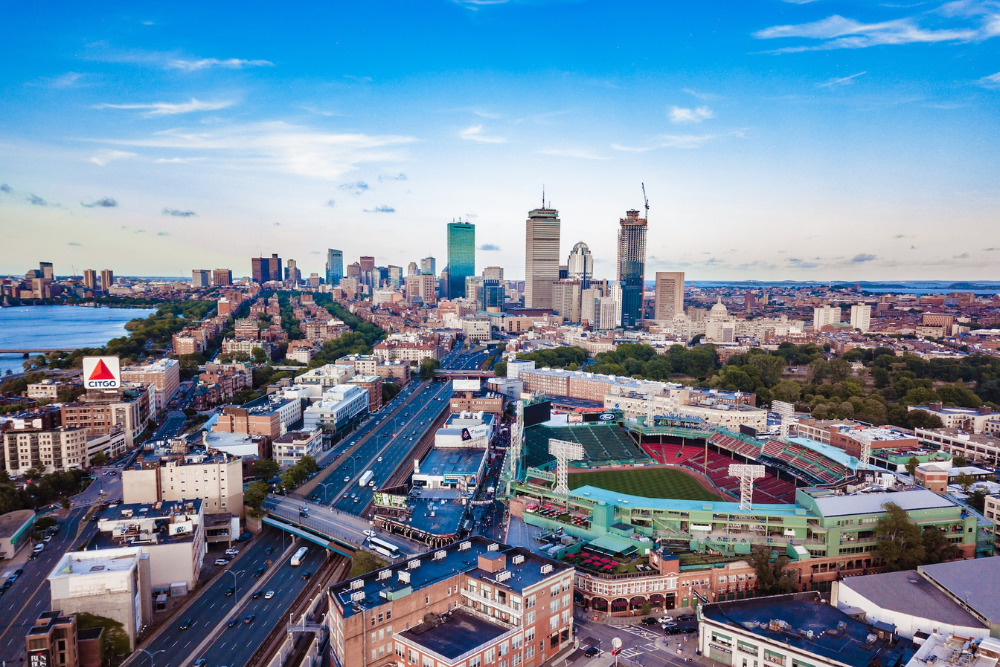
- Fenway Park: Attending a Boston Red Sox game at Fenway Park is a quintessential Boston experience. The area around the park is vibrant and heavily policed on game days, making it very safe for attendees.
- General Awareness: Always be aware of your surroundings, avoid walking alone in dimly lit or deserted areas, especially at night, and keep valuable items out of sight. Trust your instincts; if a situation feels off, remove yourself from it.
Dining and Nightlife Considerations
Boston’s dining and nightlife scene is thriving, offering everything from quaint North End trattorias to lively pubs and upscale cocktail lounges. These establishments are generally located in safe areas like Back Bay, Seaport, and the Theater District.
- Safe Partying: If enjoying Boston’s nightlife, drink responsibly. Never leave your drink unattended. Arrange for transportation in advance if you plan to consume alcohol, whether it’s a designated driver, a ride-share, or a taxi.
- Group Travel: When out with friends, it’s always a good idea to stay together or ensure everyone knows how they’re getting home.
- Late-night Snacks: Many safe establishments remain open late, particularly in the North End or Downtown Crossing, but always exercise the same caution you would in any city after dark.
Accommodation and Personal Safety
Choosing the right accommodation is a significant part of planning a safe trip. Boston offers a vast range of options, from luxury hotels to budget-friendly apartments and boutique inns.
Choosing Safe Stays
When booking accommodation, prioritize established hotels or reputable short-term rental properties with positive reviews, particularly concerning safety and location.
- Reputable Hotels: Hotels in well-known, central neighborhoods like Back Bay, Beacon Hill, the Seaport District, and Downtown Crossing are typically excellent choices. Many luxury options like the Four Seasons Hotel Boston or the Boston Harbor Hotel offer top-tier security and are in prime locations. Mid-range hotels such as the Omni Parker House also boast strong safety records and central access.
- Short-Term Rentals: If opting for platforms like Airbnb, carefully read reviews about the neighborhood and the specific property. Look for hosts with high ratings and properties that are well-lit and have secure entry systems. Verify the exact address and research the area beforehand.
- Amenities for Safety: Consider accommodations that offer amenities like 24-hour reception, secure key card access, and in-room safes for valuables.
Essential Safety Tips for Travelers
Beyond neighborhood selection and accommodation choices, adopting a few general safety practices will go a long way in ensuring a trouble-free visit to Boston.
- Situational Awareness: Always be aware of your surroundings. Avoid distractions like constantly looking at your phone, especially when walking in crowded areas or after dark.
- Valuables: Don’t flash large sums of cash or expensive jewelry. Keep your wallet in a front pocket or use a travel-safe money belt.
- Documents: Carry copies of important documents (passport, ID, tickets) separately from the originals, and keep a digital copy as well.
- Emergency Numbers: Know the local emergency number (911 in the U.S.) and have your hotel’s address and phone number handy.
- Solo Travelers: If traveling alone, inform someone of your itinerary. Avoid isolated areas at night. Consider taking self-defense classes before your trip.
- Trust Your Gut: If a situation or person makes you feel uncomfortable, remove yourself from it. It’s always better to be safe than sorry.
Boston for Diverse Traveler Lifestyles
Boston caters to a wide spectrum of travelers, each with unique needs and safety considerations.
Family Travel Safety
Boston is an exceptionally family-friendly city, offering a wealth of educational and entertaining attractions. Safety for families largely revolves around being prepared and keeping children supervised.
- Kid-Friendly Zones: Attractions like the Boston Children’s Museum, the New England Aquarium, and the Boston Common and Public Garden are safe and designed for family enjoyment.
- Identification for Children: Ensure children carry some form of identification (even a simple card with parent’s contact info) in case they get separated. Establish a meeting point if exploring crowded areas.
- Stroller Access & Walkability: Many parts of Boston are very walkable and stroller-friendly, though some older cobblestone streets or subway stations may present challenges. Research stroller access for specific attractions or MBTA stations if this is a concern.
- Traffic Awareness: Always hold children’s hands in busy areas and teach them about pedestrian safety rules, as city traffic can be swift.
Solo Travelers and Business Stays
Solo travelers, whether for leisure or business, will find Boston welcoming and easy to navigate. The city’s low crime rate in tourist areas, coupled with its excellent public transportation and compact design, makes it ideal for independent exploration.
- Solo Dining: Many restaurants, especially in areas like Back Bay and the Seaport District, are accustomed to solo diners and offer comfortable bar seating.
- Business Travel: For those on business, hotels often have dedicated business centers and meeting facilities. The Financial District and Seaport District are popular for business stays, offering convenience and security. Early morning and late-night travel for business appointments should follow general safety guidelines, preferring well-lit, active routes or ride-shares.
- Networking Safely: When attending conferences or networking events, be mindful of personal belongings and avoid sharing excessive personal information with strangers.
Conclusion
Is Boston, Massachusetts safe? Emphatically yes, it is. This historic city offers a largely secure and enjoyable experience for all types of travelers. By understanding its safe and less-trafficked neighborhoods, utilizing public transportation wisely, selecting secure accommodation, and practicing general urban safety tips, visitors can confidently immerse themselves in everything Boston has to offer. From strolling the historic Freedom Trail to catching a game at Fenway Park or exploring the academic prowess of Cambridge, Boston promises a memorable and, most importantly, safe adventure. Plan your trip with awareness, and you’re sure to fall in love with the charm and character of this iconic New England gem. Before you pack your bags, remember to check current travel advisories and local guidelines for the most up-to-date information, ensuring your visit is as smooth and secure as possible.