
The question “Is Boston racist?” is complex, steeped in history, and often debated, especially within the United States. For visitors considering Boston as a travel destination, understanding this nuanced aspect of the city’s identity can significantly enrich their experience and perspective. Boston, the capital of Massachusetts and a foundational city of the American Revolution, has a dual legacy: a cradle of liberty and abolitionism, yet also a city marked by persistent racial inequalities and highly publicized racial tensions in its more recent past. This article delves into Boston’s historical relationship with race, examines its present-day realities, and offers insights for travelers seeking to engage with this vibrant, evolving metropolis. By exploring its unique blend of historical landmarks, diverse local culture, and contemporary efforts towards inclusivity, we aim to provide a comprehensive understanding of what a traveler might encounter and how to approach the city with an informed perspective.

Boston’s Complex History with Race
To truly understand contemporary Boston, one must first grapple with its intricate and often contradictory past regarding race. The city, a beacon of progress in many ways, has also wrestled with significant racial challenges that continue to shape its identity.
A Legacy of Contradictions: From Abolition to Segregation
Boston’s role in American history is legendary. It was here that Crispus Attucks, a man of African and Native American descent, became the first casualty of the Boston Massacre, symbolizing the intertwined struggles for freedom and racial equality from the very beginning. During the antebellum period, Boston emerged as a stronghold of the abolitionist movement in New England. Figures like Harriet Tubman, Frederick Douglass, and William Lloyd Garrison, through his influential newspaper The Liberator, found a receptive audience and powerful allies in the city. Boston was a critical stop on the Underground Railroad, and its citizens played a pivotal role in advocating for the end of slavery, even contributing to the Union cause during the Civil War.
However, this progressive stance often coexisted uneasily with deeply ingrained racial prejudices. Even as slavery was abolished, informal segregation and discrimination persisted. African Americans faced housing discrimination, limited employment opportunities, and social exclusion, often confined to specific neighborhoods such as Roxbury and the South End. These areas, while developing rich cultural identities, also became symbols of systemic barriers. This stark contrast between its abolitionist ideals and its everyday realities of racial segregation created a complex legacy that would profoundly impact the city for generations.
The Impact of Busing and Urban Renewal
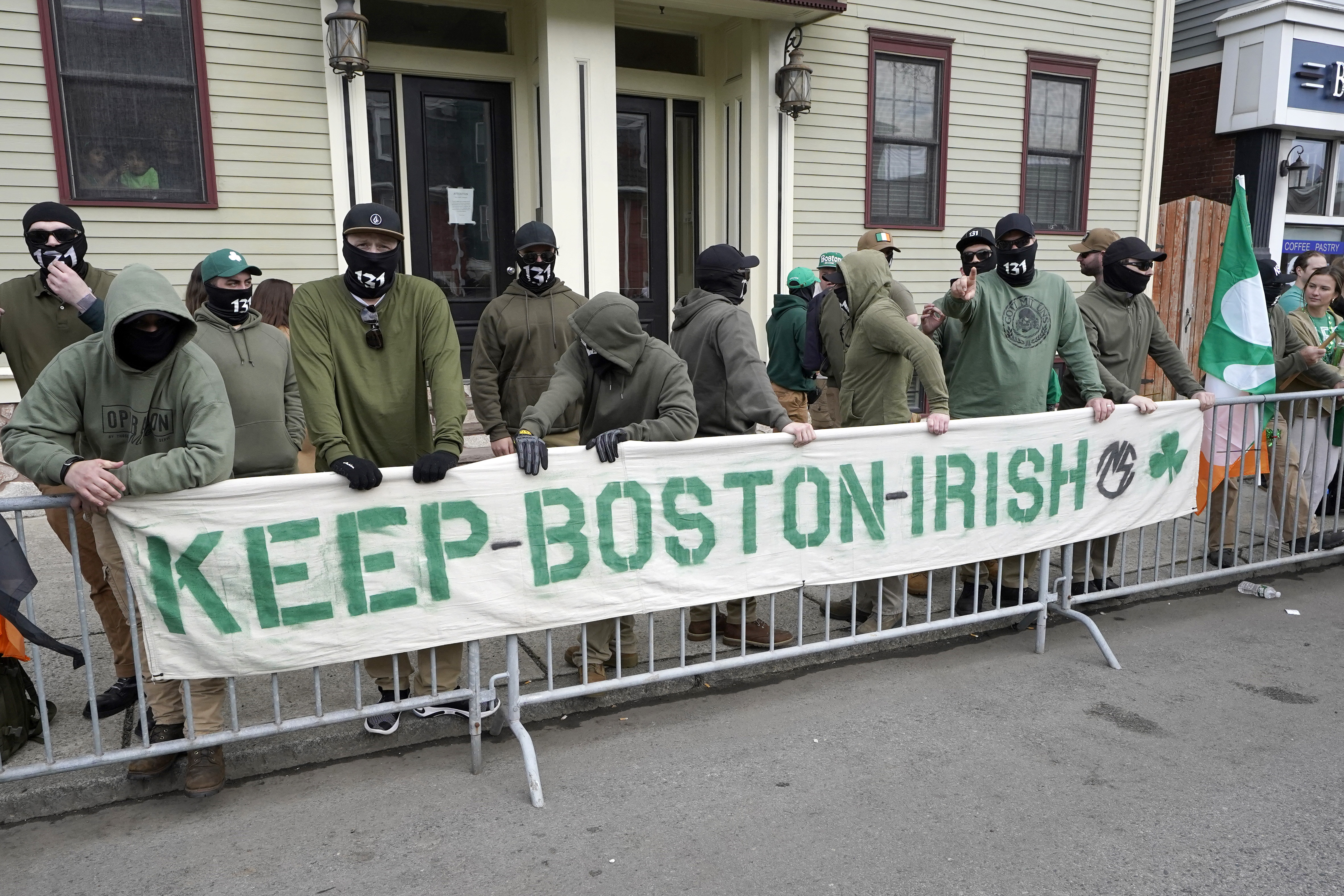
The mid-20th century brought these underlying tensions to a boiling point. Like many American cities, Boston underwent significant urban renewal projects that often displaced minority communities and altered the city’s demographic landscape. Simultaneously, the struggle for civil rights gained national momentum, leading to a landmark desegregation order in the 1970s. The court-ordered busing initiative, designed to integrate Boston’s public schools, ignited widespread protests and racial violence, particularly in Irish-American working-class neighborhoods like South Boston.
Images of angry mobs confronting African American students, spearheaded by figures such as Louise Day Hicks, shocked the nation and indelibly stained Boston’s reputation. While leaders like Ted Kennedy spoke out against the violence, the crisis left deep scars, fostering a perception of Boston as a deeply racist city, a perception that, despite decades of change, continues to challenge its identity. The events of the busing era led to “white flight” to surrounding suburbs, intensifying the racial divide and creating segregated residential patterns that persist to some extent today, often highlighted in local media like the Boston Globe. This period is crucial for any traveler to understand when reflecting on Boston’s racial narrative.
Modern Boston: Perceptions vs. Reality
While its historical baggage is undeniable, Boston today is a far more diverse and consciously inclusive city than the one depicted in 1970s headlines. Understanding this evolution is key to experiencing modern Boston as a traveler.
Shifting Demographics and Diverse Neighborhoods
Contemporary Boston is a melting pot, reflecting global migration trends. The city and its metropolitan area, encompassing vibrant communities like Cambridge, Somerville, Everett, Chelsea, Revere, and Quincy, are home to a rich tapestry of cultures, languages, and traditions. The once predominantly white city has seen significant growth in its Black, Hispanic, and Asian populations, particularly in neighborhoods like Dorchester, Mattapan, Hyde Park, East Boston, and Chinatown. These areas pulse with distinct local cultures, offering travelers authentic experiences that range from diverse culinary scenes to vibrant community festivals.
For tourists, exploring these neighborhoods offers a rich counter-narrative to the city’s historical perceptions. From the bustling markets and authentic eateries of Chinatown to the rich Caribbean and Vietnamese influences in Dorchester, these areas provide a glimpse into the dynamic, multicultural fabric of modern Boston. Understanding these demographic shifts reveals a city that, while still facing challenges, is actively evolving into a more diverse and globally connected urban center.
Institutions and Initiatives for Inclusivity
Boston is also home to world-renowned educational institutions like the Massachusetts Institute of Technology, Harvard University, Northeastern University, Boston University, and Emerson College, which attract a diverse student and faculty body from all corners of the globe. These institutions, alongside numerous cultural organizations and civic groups, are actively engaged in promoting diversity, equity, and inclusion. Museums like the Museum of African American History on Beacon Hill, housed in the historic African Meeting House, play a vital role in preserving and sharing the stories of Black Bostonians. The Black Heritage Trail offers guided tours that highlight African American contributions to the city’s history, providing a powerful educational experience for visitors.
Beyond historical remembrance, many contemporary initiatives address systemic inequalities, foster dialogue, and celebrate diversity through public art, community events, and social justice programs. These efforts reflect a concerted commitment to confront the city’s past and build a more equitable future. For travelers interested in local culture and meaningful activities, engaging with these institutions and initiatives can provide deeper insights into Boston’s ongoing journey towards inclusivity. These landmarks and cultural destinations offer not just historical context but also a vibrant, active engagement with the city’s evolving identity.
Experiencing Boston as a Traveler
For visitors, experiencing Boston means navigating both its celebrated historical attractions and its dynamic, diverse contemporary life. A thoughtful approach can ensure a rewarding and insightful trip.
Navigating the City with Awareness
Boston is generally considered a safe city for travelers, and its public transportation system makes it easy to explore various neighborhoods. Most iconic tourist attractions, such as the Freedom Trail, Faneuil Hall, and areas like Beacon Hill and Back Bay, are well-maintained and welcoming. These areas primarily reflect the historical narrative and more affluent sides of Boston.
However, a truly comprehensive travel experience involves venturing beyond these well-trodden paths. By exploring neighborhoods like the South End (known for its Victorian architecture, art galleries, and diverse culinary scene), Chinatown (a hub of Asian culture and food), or the burgeoning Seaport District (a modern area with innovation and waterfront activities), visitors can witness the city’s true demographic breadth. While encountering overt racism is rare for most tourists, especially in central areas, being aware of the city’s history and engaging with its diverse communities can offer a more authentic and enriching experience. Travelers are encouraged to treat all communities with respect and an open mind, recognizing that personal experiences can vary.

Cultural Immersion and Engaging with Local Life
To truly immerse oneself in Boston’s local culture, travelers should seek out experiences that highlight its diversity. Consider a food tour through Chinatown or East Boston, where you can sample authentic cuisines from around the world. Visit the Museum of African American History or walk the Black Heritage Trail to gain a deeper understanding of the contributions of Black Bostonians. Attend a performance or exhibition at the Isabella Stewart Gardner Museum, the Museum of Fine Arts, or the Institute of Contemporary Art, many of which feature diverse artists and themes. Even family trips can include diverse activities, like exploring the Franklin Park Zoo in Roxbury, which is part of a historically significant urban green space.
Engaging with local events, neighborhood festivals, and diverse dining establishments allows travelers to move beyond the superficial and connect with the city’s living, breathing culture. Whether you’re interested in luxury travel or budget travel, the city offers a wealth of options for experiences, attractions, and local activities that celebrate its multicultural identity. From exploring hidden gems along the Rose Kennedy Greenway to discovering vibrant street art in emerging districts, there are endless opportunities for cultural exploration.
Choosing Your Stay: Accommodation and Neighborhoods
When planning accommodation, consider the type of experience you seek. Boston offers a wide array of hotels, suites, resorts, and apartments, catering to every budget and lifestyle. For those interested in historical charm and upscale amenities, properties in Beacon Hill, Back Bay, or the Downtown Crossing area like the Hotel Commonwealth, The Langham Boston, Omni Parker House, Mandarin Oriental Boston, or The Newbury Boston offer luxurious stays and easy access to famous landmarks. Cambridge also boasts excellent options like The Charles Hotel, providing a different academic and cultural vibe.
For travelers seeking a more diverse and contemporary atmosphere, exploring accommodation options in areas like the Seaport District, with its modern hotels and lively dining scene such as the AC Hotel by Marriott Boston Downtown, or even closer to culturally rich neighborhoods (though direct hotel options might be limited, apartments or boutique stays are available), can offer a different perspective. Many online booking platforms provide detailed reviews and comparison tools to help you choose. Whether you prioritize proximity to historical sites, a vibrant nightlife, or a quiet, residential feel, Boston’s diverse neighborhoods offer unique benefits for your long-term stay or short family trips alike.
Moving Forward: Boston’s Ongoing Journey
Ultimately, the question “Is Boston racist?” doesn’t have a simple yes or no answer. Like many cities with deep historical roots and complex social structures, Boston carries the weight of its past while actively striving to forge a more inclusive future. It is a city of profound contrasts: the site of the Boston Tea Party and the birthplace of American ideals of freedom, yet also a place where racial tensions have simmered and occasionally erupted. Its historic streets, walked by revolutionaries like John Adams, John Hancock, and Paul Revere, tell tales of both liberation and lingering divides.
Today, Boston is a vibrant, globally connected city where diversity is increasingly celebrated. Visitors will find welcoming communities, world-class attractions, and a rich cultural scene that extends far beyond its colonial past. From the storied halls of the Boston Public Library to the iconic landmarks of the Freedom Trail like King’s Chapel and Old North Church, from the majestic USS Constitution and the Bunker Hill Monument to the energetic crowds at Fenway Park, the city offers countless destinations and experiences. Its scientific and cultural hubs like the Museum of Science and the New England Aquarium, and its tranquil green spaces such as Boston Common and the Public Garden, paint a picture of a modern metropolis. Even navigating through Logan International Airport speaks to its global connectivity.
As a traveler, approaching Boston with an open mind, an eagerness to learn, and a willingness to explore its diverse facets will undoubtedly lead to a more profound and memorable journey. Engage with its history, savor its local food, discover its rich local culture, and appreciate its ongoing efforts to address and overcome its racial challenges. Take a stroll along the Charles River Esplanade, admire the architecture of Commonwealth Avenue and the boutiques on Newbury Street, or learn about spiritual history at the Mary Baker Eddy Library and the Christian Science Plaza. Dive into the burgeoning innovation districts along the Fort Point Channel, or enjoy a craft beer at the Sam Adams Boston Brewery, named after the revolutionary Samuel Adams. Boston offers rich experiences that extend beyond any single narrative, inviting every visitor to discover their own connection to this extraordinary city.
LifeOutOfTheBox is a participant in the Amazon Services LLC Associates Program, an affiliate advertising program designed to provide a means for sites to earn advertising fees by advertising and linking to Amazon.com. Amazon, the Amazon logo, AmazonSupply, and the AmazonSupply logo are trademarks of Amazon.com, Inc. or its affiliates. As an Amazon Associate we earn affiliate commissions from qualifying purchases.