
Boston, a city steeped in history and buzzing with modern energy, presents a captivating paradox for travelers: a compact, easily navigable urban core that also boasts an extensive public transportation system. The question “Is Boston walkable?” is not a simple yes or no; rather, it’s a nuanced exploration of how this vibrant New England metropolis caters to the pedestrian explorer. From its cobblestone streets and historic neighborhoods to its expansive parks and waterfront promenades, Boston offers a rich tapestry of experiences best discovered on foot.
This article delves into the walkability of Boston, examining the factors that contribute to its pedestrian-friendliness, exploring key neighborhoods and attractions accessible by foot, and offering practical tips for navigating the city like a local. We’ll consider how Boston’s urban planning, historical development, and commitment to green spaces combine to create an inviting environment for those who prefer to explore at a slower pace, allowing for spontaneous discoveries and deeper immersion into the city’s unique character. Whether you’re a history buff eager to retrace the steps of the American Revolution, a foodie on a culinary quest, or simply someone who appreciates the charm of a city experienced through its streets and squares, Boston promises a rewarding walking adventure.
Exploring Boston’s Walkable Neighborhoods
Boston’s charm lies in its distinct neighborhoods, each with its own personality and offering a unique perspective on the city. Many of these areas are remarkably walkable, allowing visitors to easily transition from one experience to another without needing to rely heavily on public transport or personal vehicles. The compact nature of many of Boston’s central districts makes it possible to cover significant ground on foot, soaking in the atmosphere and stumbling upon hidden gems along the way.
Beacon Hill: A Glimpse into Old Boston
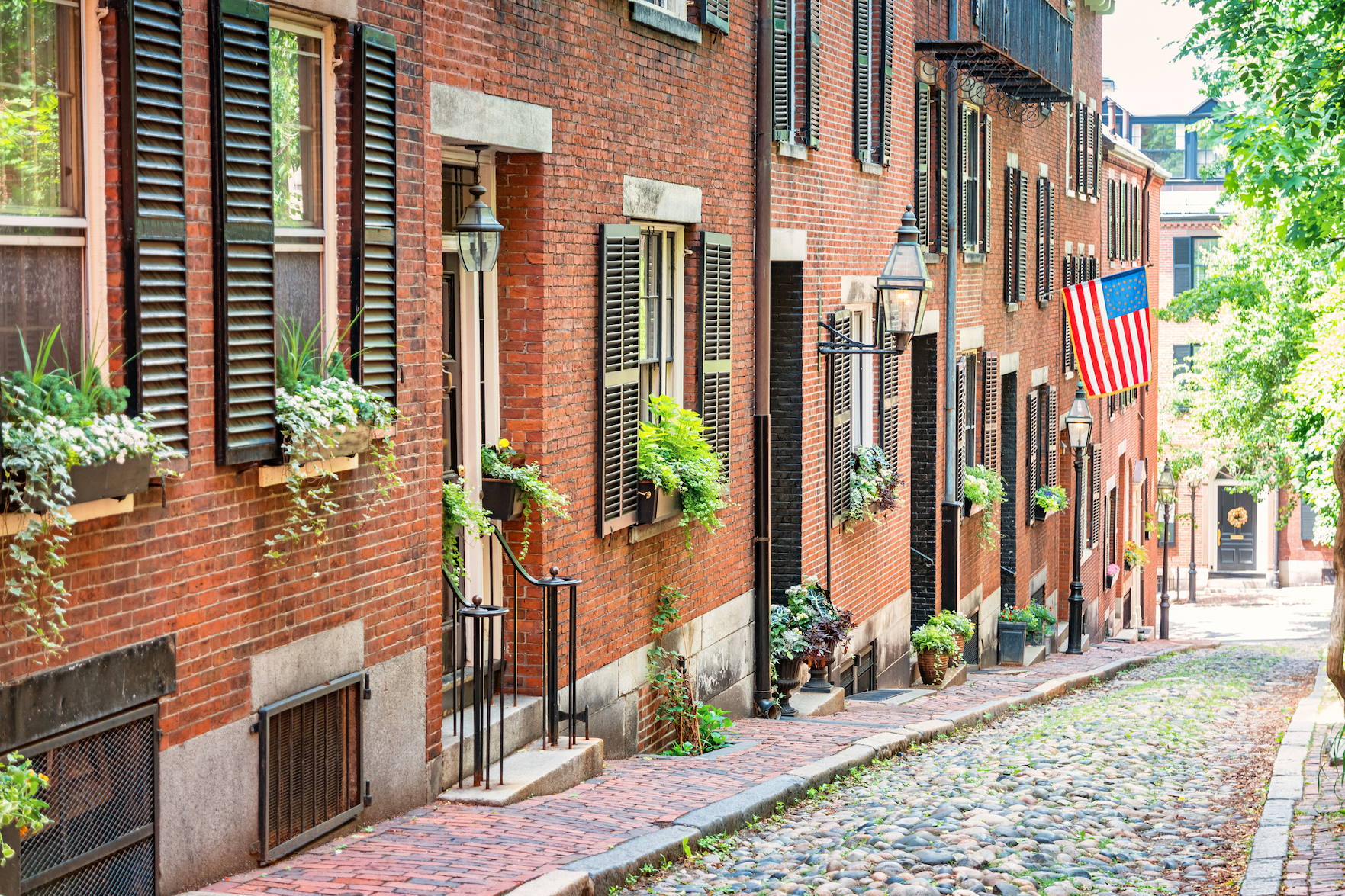
Stepping into Beacon Hill is like stepping back in time. This picturesque neighborhood, characterized by its narrow cobblestone streets, gas-lit lampposts, and Federal-style row houses, is a quintessential example of Boston’s historical charm. The streets here are designed for leisurely strolls, with inviting boutiques, antique shops, and cozy cafes tucked away on every corner. Acorn Street, often cited as the most photographed street in America, is a must-see for its quintessential cobblestone charm. Walking through Beacon Hill offers a romanticized view of 19th-century Boston, a stark contrast to the modern skyscrapers that punctuate the city’s skyline. The Massachusetts State House, with its gleaming golden dome, stands majestically at the top of Beacon Hill, offering impressive architecture and panoramic views of the city. The residential streets, particularly those south of Beacon Street, are quiet and elegant, inviting exploration without the hustle and bustle of busier commercial areas. It’s a neighborhood where one can truly appreciate the architectural heritage and intimate scale of early American urban development.
The North End: A Culinary and Cultural Odyssey
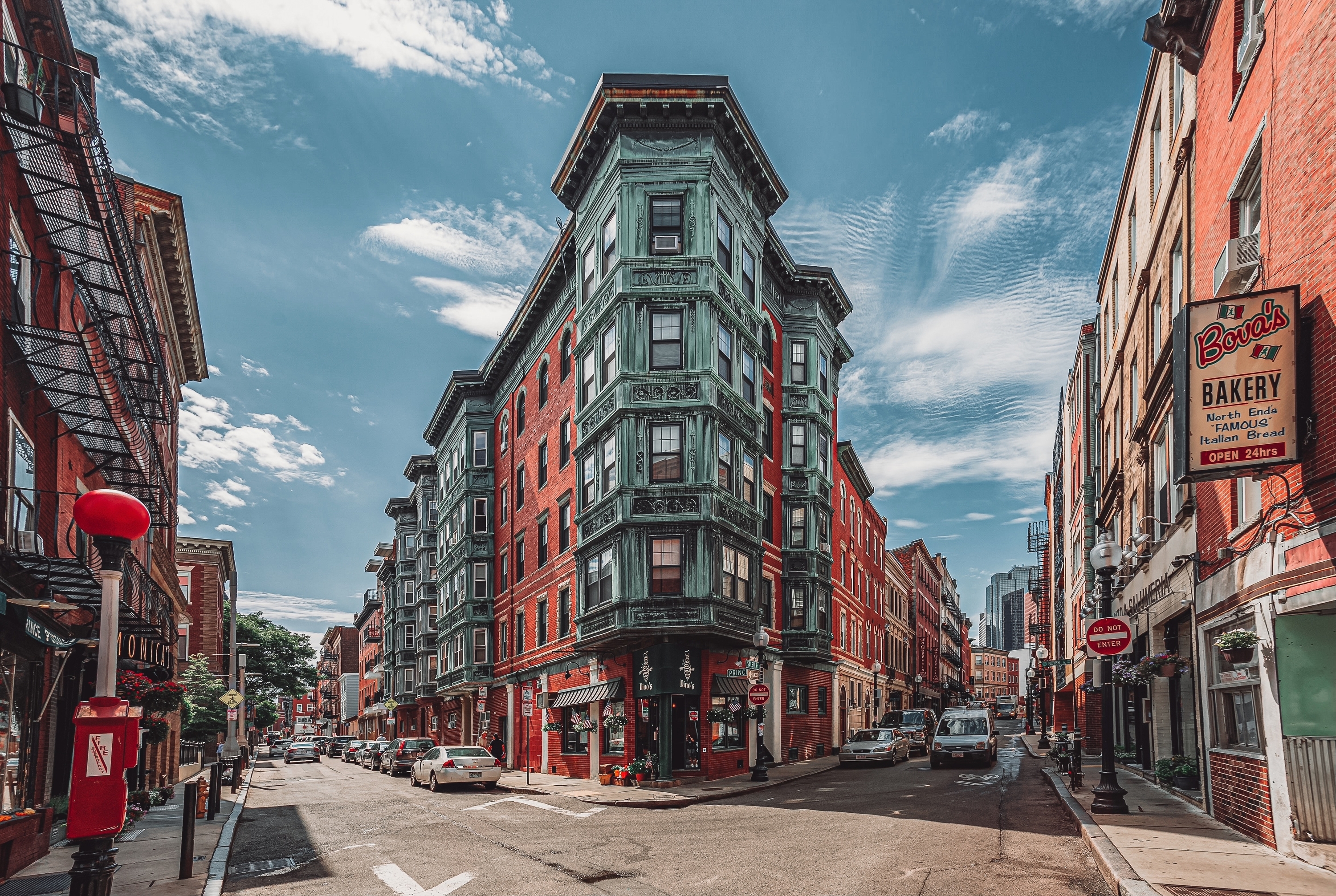
The North End is Boston’s oldest residential neighborhood and its vibrant Italian-American heart. This area is a sensory delight, with the aromas of freshly baked bread, rich espresso, and savory pasta dishes wafting from its numerous restaurants and bakeries. The streets are narrow and winding, leading to bustling piazzas and historic sites. Walking through the North End is an immersive cultural experience, where you can visit historic landmarks like the Paul Revere House and the Old North Church, both integral to the history of the American Revolution. The lively atmosphere, the friendly banter of shopkeepers, and the sheer concentration of incredible food options make it a pedestrian paradise. Exploring the side streets reveals hidden gems, from small family-run pastry shops to intimate trattorias. It’s a neighborhood best explored on foot, allowing you to savor each moment and discover its many delights at your own pace. Don’t miss the opportunity to indulge in a cannoli or sfogliatelle from one of the famous pastry shops.
Back Bay: Victorian Elegance and Modern Shopping
Back Bay offers a different flavor of walkability, blending grand Victorian architecture with high-end shopping and a sophisticated urban atmosphere. Newbury Street is the heart of Back Bay’s shopping scene, a tree-lined avenue featuring a stunning array of boutiques, art galleries, and flagship stores housed within beautifully preserved Victorian brownstones. The sidewalks here are wide and inviting, perfect for a leisurely afternoon of browsing and people-watching. Beyond Newbury Street, Commonwealth Avenue Mall provides a beautiful, green oasis, a wide boulevard perfect for a tranquil stroll, dotted with statues and benches. The contrast between the elegant residential streets and the vibrant commercial thoroughfares makes Back Bay a dynamic area to explore on foot. The Boston Public Library, a magnificent Beaux-Arts building, is another architectural marvel worth visiting and easily accessible on foot from many parts of Back Bay. The architecture here is a significant draw, showcasing intricate details and imposing facades that speak to a period of great prosperity and artistic expression.
Navigating Boston’s Green Spaces and Waterfront
Beyond its historic streets and bustling neighborhoods, Boston is also renowned for its beautiful parks and accessible waterfront, offering tranquil escapes and scenic routes for pedestrians. These green spaces and waterfront areas enhance the city’s walkability, providing natural beauty and recreational opportunities that are easily integrated into a walking tour of the city.
The Emerald Necklace: A Necklace of Green
Frederick Law Olmsted’s masterpiece, the Emerald Necklace, is a system of parks and parkways that stretches for nearly 1,100 acres through Boston and Brookline. This interconnected chain of green spaces provides miles of walking, jogging, and biking paths, offering a welcome respite from the urban environment. The necklace includes notable areas such as the Boston Common and the Public Garden, America’s first public botanical garden, famous for its Swan Boats. Further along, Franklin Park offers a vast expanse of natural beauty, with rolling hills, meadows, and a zoo. Walking along the Emerald Necklace allows for a unique perspective on Boston, connecting various neighborhoods and providing opportunities for relaxation, recreation, and enjoying nature within the city limits. The trails are well-maintained and offer varying levels of activity, from gentle strolls to more vigorous hikes.
The Charles River Esplanade and Waterfront
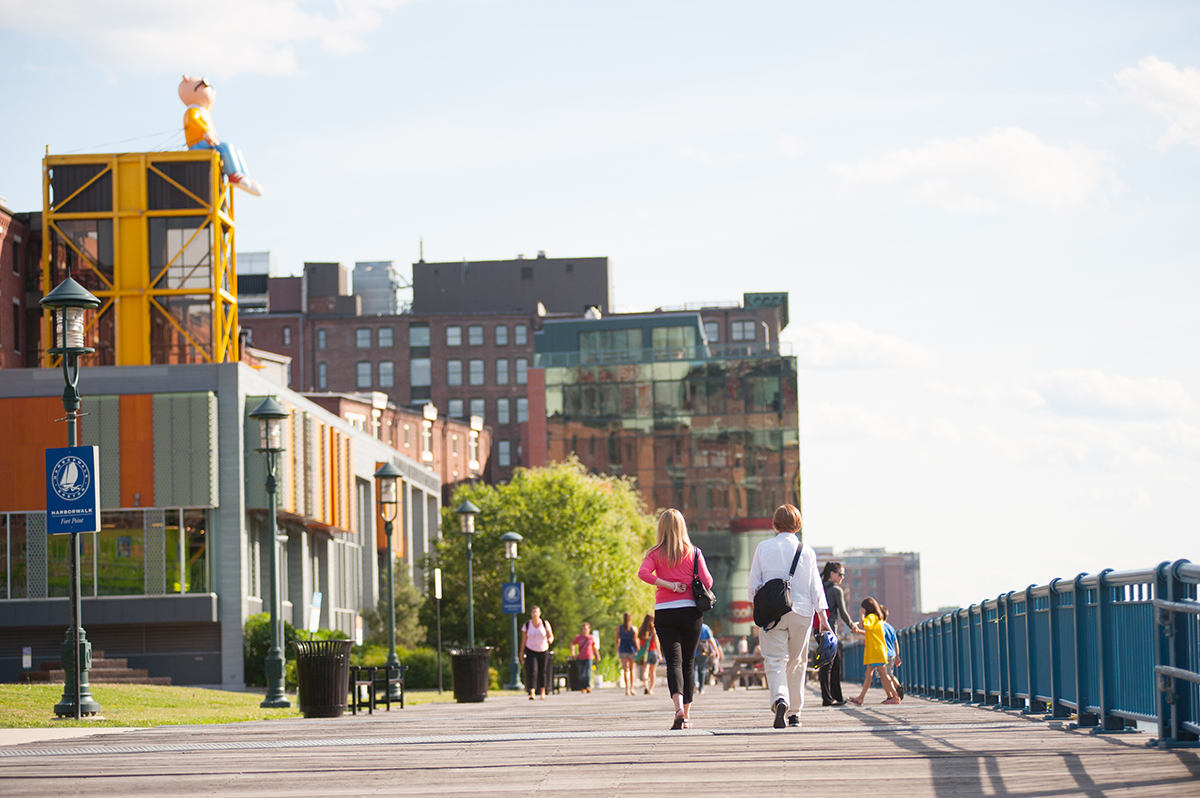
The Charles River Esplanade is a beloved urban parkland stretching along the north bank of the Charles River. It offers stunning views of the Boston skyline and Cambridge, and is a popular spot for walkers, runners, and cyclists. Wide, paved pathways make for easy navigation, and numerous access points allow visitors to join the Esplanade from various parts of the city. The Esplanade is particularly beautiful during sunrise and sunset, offering a serene backdrop for a walk. Beyond the Esplanade, Boston’s extensive waterfront, including areas like the Seaport District and the North End Waterfront, has been revitalized to provide public access and recreational amenities. Walking along the harbor offers fresh sea air, impressive harbor views, and a chance to explore maritime history. The Harborwalk, a public promenade, connects many of these waterfront areas, providing a continuous path for exploration.
Planning Your Walkable Boston Itinerary
When planning a trip to Boston, embracing its walkability can significantly enhance your experience. By focusing on pedestrian-friendly areas and utilizing the efficient public transportation system when necessary, you can create an itinerary that maximizes your exploration while minimizing logistical headaches.
Leveraging Public Transportation for Extended Exploration
While Boston is remarkably walkable, its public transportation system, known as the “T,” is an invaluable asset for covering longer distances or reaching farther-flung attractions. The MBTA (Massachusetts Bay Transportation Authority) operates a subway (the “T”), bus, commuter rail, and ferry system. For a truly walkable experience, consider staying in a hotel located near a “T” station, such as the Omni Parker House or the Fairmont Copley Plaza Boston. From such a base, you can easily hop on the “T” to reach different neighborhoods or attractions that are not within comfortable walking distance. For instance, you might walk around Back Bay and then take the Green Line to explore the Museum of Fine Arts. Conversely, you could explore the historic sites in the North End and then take the Orange Line to visit the Museum of Science. This combination of walking and public transit allows for both in-depth neighborhood exploration and efficient travel across the city. Purchasing a CharlieCard or CharlieTicket makes using the “T” convenient and cost-effective.
Packing for Comfort and Convenience
Comfortable footwear is paramount for anyone planning to explore Boston on foot. The city’s varied terrain, from smooth sidewalks to cobblestone streets, demands supportive and well-worn shoes. Beyond footwear, consider packing layers of clothing, as Boston’s weather can be unpredictable. A light jacket, umbrella, and sunscreen are essential. For navigating, a reliable map or a smartphone with a mapping application is indispensable. Many of Boston’s attractions are within close proximity, making it easy to walk between them. For example, a walking tour of the Freedom Trail can be easily accomplished on foot, connecting iconic sites like the Old State House, Faneuil Hall, and Bunker Hill Monument. Staying hydrated is also important, especially during warmer months, so carrying a reusable water bottle is a good idea.
Embracing the Unexpected: Spontaneous Discovery
One of the greatest joys of exploring a walkable city like Boston is the opportunity for spontaneous discovery. By allowing yourself to deviate from a rigid itinerary, you can stumble upon charming cafes, unique boutiques, or unexpected historical markers. The city’s layout, with its network of smaller streets and hidden alleys, encourages this kind of exploration. Perhaps you’ll be drawn down a quiet side street in Beacon Hill by the scent of baking bread, leading you to a delightful local bakery. Or maybe a turn down a less-traveled path near the Charles River Esplanade will reveal a serene park bench with an unparalleled view of the cityscape. Boston’s history is palpable on its streets, and walking allows you to connect with it in a way that driving or taking public transit might not. It’s in these unscripted moments that the true essence of Boston often reveals itself.
In conclusion, Boston is indeed a highly walkable city, offering a rich and varied experience for those who choose to explore on foot. From the historic charm of its oldest neighborhoods to the modern vibrancy of its waterfront and the tranquility of its green spaces, Boston invites exploration at every turn. By combining pedestrian exploration with strategic use of its public transportation system, visitors can craft an itinerary that is both comprehensive and intimate, truly immersing themselves in the heart and soul of this historic American gem.