
Navigating the legal landscape of conversations, especially when you’re on the go exploring new destinations, can be a complex undertaking. As travelers, we often find ourselves in situations where recording conversations might seem convenient, whether it’s capturing a memorable travel tip from a local guide in San Francisco or documenting an important business discussion during a stay at a Los Angeles resort. However, understanding the laws surrounding consent for recording conversations is crucial to avoid legal entanglements. This is particularly true when exploring the Golden State, California, a popular destination for tourists and business travelers alike. The question arises: Is California a 2-party consent state? The answer directly impacts how you can legally conduct recorded conversations within its borders, influencing everything from personal travel diaries to professional engagements.
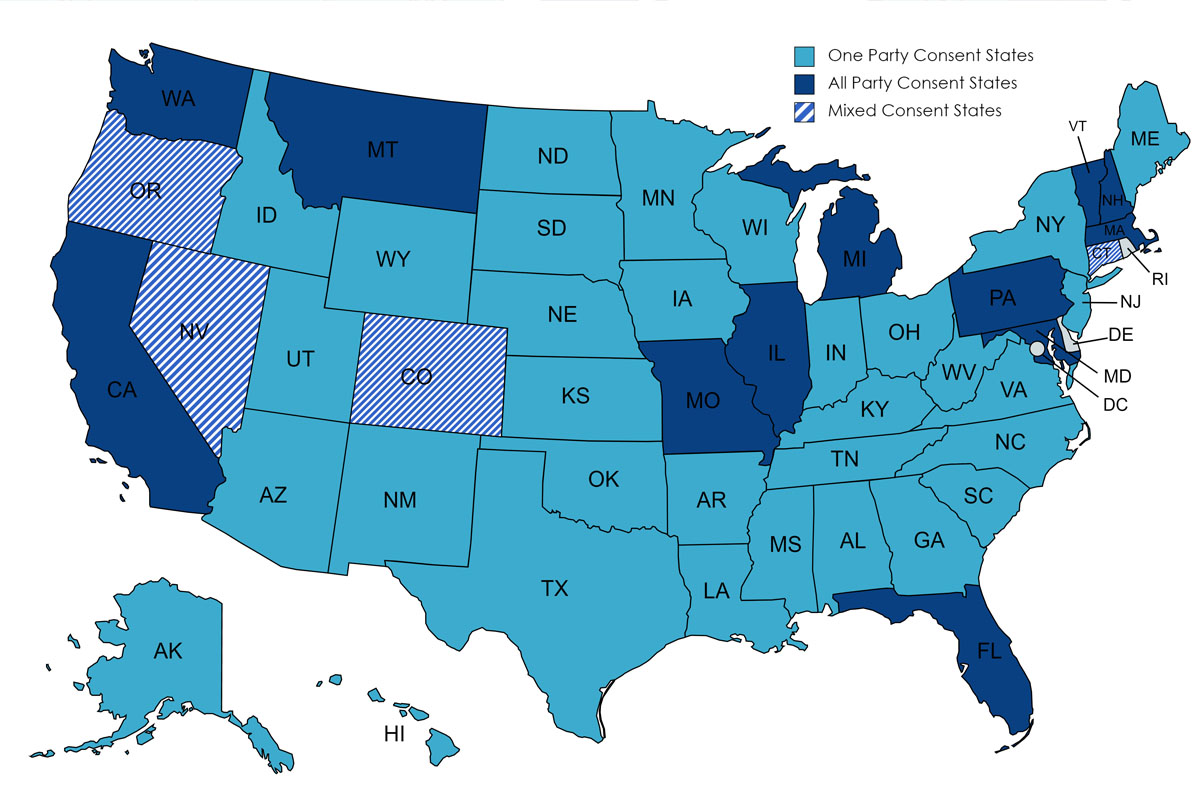
The concept of “consent” in the context of recording conversations refers to whether all parties involved in a conversation must agree to be recorded. States generally fall into one of two categories: one-party consent or two-party consent (also known as all-party consent). In one-party consent states, only one person involved in the conversation needs to give permission for it to be recorded. Conversely, in two-party consent states, every participant must be aware of and agree to the recording. This distinction is vital for anyone planning a trip, booking accommodation, or engaging in activities within California.
Understanding Consent Laws in California
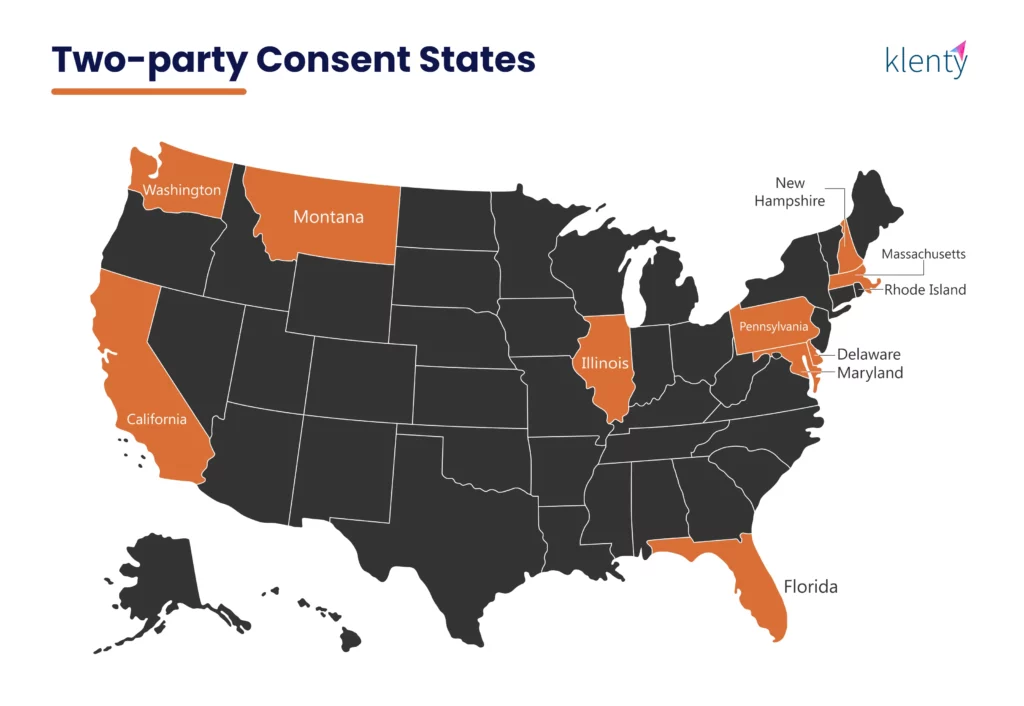
California operates under a two-party consent law for the recording of conversations. This means that when you are in California, it is illegal to record a confidential communication without the consent of all parties involved. This law, primarily enshrined in California Penal Code Section 632, is designed to protect the privacy of individuals and their conversations.
What Constitutes a “Confidential Communication”?
The definition of a “confidential communication” under California Penal Code Section 632 is key to understanding the scope of the law. A communication is considered confidential if any party to the conversation has an objectively reasonable expectation that the conversation is not being overheard or recorded. This expectation is not subjective; it must be reasonable under the circumstances.
Factors Determining Confidentiality
Several factors contribute to whether a conversation is deemed confidential and thus protected by California’s two-party consent law:
- Location of the Conversation: Conversations held in private settings, such as a hotel room at the Beverly Hills Hotel, a secluded villa in Napa Valley, or a business meeting room in San Diego, are more likely to be considered confidential. Even conversations in semi-private areas, like a quiet corner of a café or a park bench where others are unlikely to overhear, could be protected if there’s an expectation of privacy.
- Nature of the Conversation: Discussions involving personal matters, business strategies, sensitive information, or intimate details are typically viewed as confidential. The more private the subject matter, the stronger the expectation of privacy.
- Presence of Others: If a conversation takes place in a public space where it’s reasonable to assume others could overhear, it might not be considered confidential. However, the mere presence of other people doesn’t automatically negate confidentiality if the conversation is conducted in a way that suggests an intention to keep it private. For instance, a whispered conversation between two people at a busy airport terminal might still be considered confidential.
- Use of Amplification or Recording Devices: The law specifically targets the recording of confidential communications. This includes using any electronic device, regardless of whether it amplifies, increases, or reproduces the sound. This encompasses everything from professional recording equipment to the built-in microphone on a smartphone.
When you’re exploring the vibrant streets of San Francisco, enjoying the theme parks in Anaheim, or attending a conference in Sacramento, it’s essential to remember this principle. If you’re discussing sensitive personal or business matters and have a reasonable expectation that no one else is listening or recording, then California’s two-party consent law applies.
Exceptions to the Rule
While California’s two-party consent law is broad, there are certain exceptions. Understanding these can provide clarity for various scenarios, from documenting a guided tour of Yosemite National Park to handling a customer service issue at a hotel.
Public Conversations
As mentioned, conversations that take place in a truly public setting where there is no reasonable expectation of privacy are generally not covered by the two-party consent law. For example, shouting an order at a busy food truck in Oakland or a casual chat with a street performer in Santa Monica are unlikely to be considered confidential communications.
Law Enforcement and Legal Proceedings
The law has specific provisions for law enforcement officers engaged in official duties and for recordings made in the course of legal proceedings, such as court hearings or depositions. These are governed by separate legal frameworks and are not subject to the general two-party consent requirement for private individuals.
Business Calls with Toll-Free Numbers
There’s a specific exception related to calls made to businesses operating a toll-free telephone number. California Penal Code Section 632.7 states that it is not unlawful to record or intercept a communication from a telephone corporation or a communication made to a toll-free number advertised to the public, unless the person is aware that the communication is being recorded or is being transmitted to a toll-free number advertised to the public. This means that if you call a business’s toll-free number and they inform you that the call is being recorded for quality assurance or training purposes, they are complying with the law. You, as the caller, do not need to explicitly consent, but you are generally informed.
Other Limited Exceptions
Other limited exceptions might exist for specific governmental or investigative purposes, but for the average traveler or resident, the core principle of two-party consent for confidential communications remains paramount.
Practical Implications for Travelers in California
The fact that California is a two-party consent state has significant practical implications for anyone visiting or residing in the state, especially concerning travel, accommodation, and lifestyle choices. Whether you’re documenting a unique culinary experience in San Diego, capturing family memories at Disneyland, or conducting business from a San Francisco hotel suite, awareness of this law is essential.
Recording Conversations
When traveling through California, it’s crucial to be mindful of any recordings you make.
- Personal Use: If you’re recording a conversation with a travel companion, a guide, or a local you’ve met, ensure everyone involved knows and agrees to the recording. This applies whether you’re capturing stories about the history of the Golden Gate Bridge or planning your next itinerary item.
- Business Use: For business travelers, the stakes are even higher. Recording client meetings, interviews, or sensitive business discussions in California without the explicit consent of all parties can lead to serious legal repercussions, including civil lawsuits and potential criminal charges. This is critical when booking business stays or attending conferences in cities like San Jose.
- Social Media and Content Creation: If you plan to share content online that includes recorded conversations, be extra vigilant. Even seemingly innocuous recordings can fall under the confidential communication umbrella if there was an expectation of privacy. This applies to vlogs, podcasts, or any other form of content creation.
Best Practices for Recording
To ensure compliance with California’s two-party consent law:
- Obtain Explicit Consent: The safest approach is to clearly state that you intend to record the conversation and obtain verbal or written consent from all participants before you begin recording. For example, “I’d like to record this conversation for my travel journal. Is that okay with you?”
- Inform Participants: Even if you don’t get explicit verbal consent, clearly indicating that you are recording can serve as a form of informing them. However, explicit consent is always preferred and legally safer.
- Avoid Recording Confidential Communications: If you are unsure whether a conversation is confidential or if you can obtain consent, it is best to refrain from recording.
- Be Aware of Your Surroundings: Consider the environment in which the conversation is taking place. Public areas with no expectation of privacy are generally less of a concern, but the definition of “public” can be nuanced.
Digital Communication and Privacy
The implications of California’s two-party consent law extend beyond voice recordings. While the primary focus of California Penal Code Section 632 is on the recording of confidential communications, the underlying principle of privacy protection is a significant aspect of the state’s legal framework, influencing how digital communications are handled.
Text Messages and Emails
While direct recording of text messages or emails isn’t typically covered by Section 632, California has strong privacy laws that protect electronic communications. Unauthorized access to or disclosure of such communications can have legal consequences. It’s always advisable to be respectful of others’ digital privacy.
Location Data and Personal Information
In the context of travel and accommodation, companies often collect data, including location data. California has enacted robust privacy legislation, such as the California Consumer Privacy Act (CCPA), which grants consumers more control over their personal information collected by businesses. When booking accommodation through platforms or interacting with services that collect your data, understanding their privacy policies is crucial. This is especially relevant for luxury travel where personalized services might involve extensive data collection.
Legal Ramifications of Violating the Law
Violating California’s two-party consent law can have significant legal consequences. The law is not merely a suggestion; it carries penalties designed to deter unauthorized recording.
Civil Penalties
Individuals who violate California Penal Code Section 632 can be held liable in civil court for damages. This means that a party whose conversation was illegally recorded can sue the recorder for:
- Actual damages: These can include economic losses suffered as a result of the unlawful recording.
- Statutory damages: California Penal Code Section 637.2 provides for statutory damages of up to $5,000 per violation, in addition to any actual damages. This means even if no specific financial loss can be proven, significant damages can still be awarded.
- Injunctive relief: A court can issue an order to prevent further violations.
- Attorney’s fees and costs: The prevailing party in a civil lawsuit may be awarded their attorney’s fees and court costs.
This means that mistakenly recording a conversation at your resort in Palm Springs or during a business trip to San Francisco could lead to a costly lawsuit.
Criminal Penalties
In addition to civil liability, the unlawful recording of a confidential communication in California can also result in criminal charges.
- Misdemeanor Charges: A first-time offense is typically charged as a misdemeanor.
- Potential Jail Time and Fines: Conviction for a misdemeanor can lead to up to one year in county jail, a fine of up to $2,500, or both.
- Felony Charges: Subsequent offenses or recordings made with malicious intent can be prosecuted as felonies, carrying more severe penalties, including state prison time and higher fines.
These penalties underscore the seriousness with which California treats privacy violations. They serve as a strong deterrent for anyone considering recording conversations without the consent of all parties.
Impact on Evidence
Furthermore, evidence obtained through an illegal recording in California is generally inadmissible in court. This means that if a recording is made in violation of the two-party consent law, it cannot be used as evidence in legal proceedings, whether criminal or civil. This further reinforces the importance of adhering to the law.

Conclusion: Prioritizing Privacy When Traveling in California
As a two-party consent state, California places a high value on the privacy of its residents and visitors. The California Penal Code is clear: recording a confidential communication without the consent of all parties is illegal and carries significant civil and criminal penalties. This principle is fundamental whether you’re exploring iconic landmarks like the Hollywood Sign, enjoying the beaches of Malibu, attending a festival in Monterey, or simply having a private conversation in your hotel room.
For travelers, the implications are straightforward yet crucial. Always assume that conversations in California are confidential unless the circumstances clearly indicate otherwise. Before pressing record on any device, whether it’s your smartphone, a digital camera, or a dedicated audio recorder, make it a habit to obtain explicit consent from everyone involved. This practice not only ensures legal compliance but also demonstrates respect for the privacy of others, fostering more positive and trustworthy interactions.
When planning your next adventure to the Golden State, from the bustling cities to the serene national parks, remember that responsible communication and respect for privacy are as important as booking the perfect accommodation, discovering local tourism gems, or enjoying the diverse lifestyle experiences California offers. By understanding and adhering to the two-party consent law, you can ensure your travels are enjoyable, memorable, and legally sound. This awareness is key to navigating California and its unique legal landscape with confidence, allowing you to focus on the experiences rather than potential legal pitfalls.
LifeOutOfTheBox is a participant in the Amazon Services LLC Associates Program, an affiliate advertising program designed to provide a means for sites to earn advertising fees by advertising and linking to Amazon.com. Amazon, the Amazon logo, AmazonSupply, and the AmazonSupply logo are trademarks of Amazon.com, Inc. or its affiliates. As an Amazon Associate we earn affiliate commissions from qualifying purchases.