
For couples venturing into the vibrant landscapes of California, whether for a luxurious escape to Napa Valley, an adventurous road trip along the Pacific Coast Highway, a magical family vacation to Disneyland, or considering a more permanent move to the sun-drenched shores of Los Angeles or the tech hubs of Silicon Valley, understanding the legal nuances of marital status is more than just a bureaucratic detail – it’s a foundational aspect of travel planning, accommodation choices, and lifestyle considerations. The question, “Is California a common law marriage state?” is frequently asked by those exploring the United States, particularly by couples who have lived together for years and consider themselves married without a formal ceremony. The answer, while seemingly straightforward, carries significant implications for everything from booking a honeymoon suite to navigating property rights and healthcare decisions during an extended stay or relocation.
This article delves into California‘s specific legal stance on common law marriage, elucidating why this distinction is crucial for travelers, residents, and anyone planning their lifestyle in the Golden State. We’ll explore the direct answer, examine how valid common law marriages from other states are treated, and discuss the practical ramifications for couples concerning accommodation, travel insurance, legal protections, and alternative arrangements like Domestic Partnerships. Understanding these legal frameworks will empower you to make informed decisions, ensuring your California experience, whether short-term or long-term, is as seamless and enjoyable as the state’s picturesque scenery.
The Straight Answer: California’s Stance on Common Law Marriage
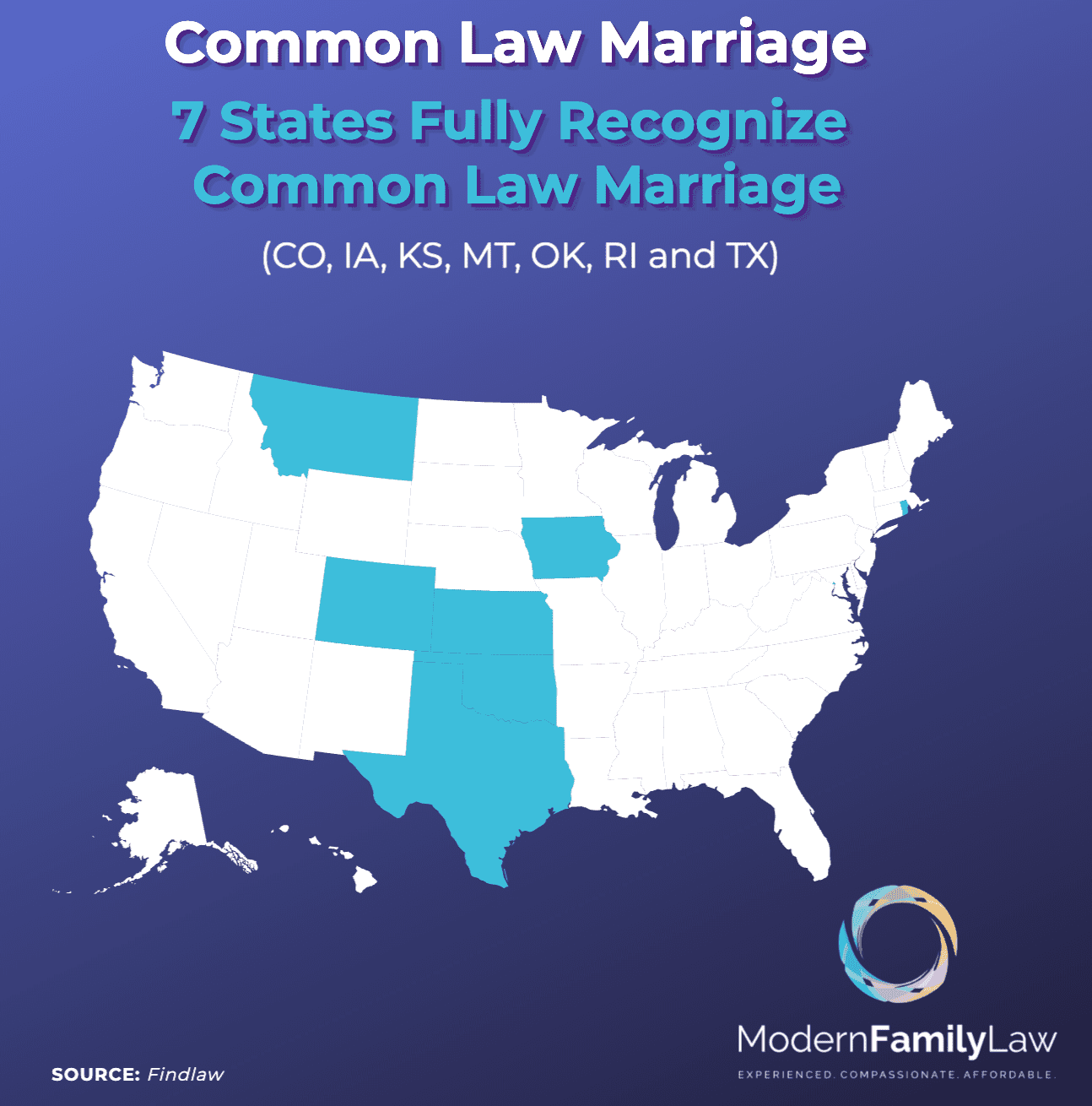
Let’s cut directly to the chase: California is not a common law marriage state. This means that if you and your partner simply live together in California for an extended period, even if you present yourselves as married to friends, family, and the community, the state will not automatically recognize you as legally married. Unlike some other states in the United States (such as Colorado, Iowa, Kansas, Montana, New Hampshire for inheritance purposes only, Oklahoma, Rhode Island, South Carolina, Texas, Utah, and the District of Columbia), where a couple can establish a legal marriage without a license or ceremony by meeting specific criteria like intending to be married, holding themselves out as married, and cohabiting, California explicitly abolished common law marriage in 1895.
For a marriage to be legally recognized in California, it must be solemnized. This typically involves obtaining a marriage license from a county clerk and participating in a ceremony officiated by an authorized individual (such as a judge, minister, priest, or other religious officiant). The marriage must then be registered with the state. This strict adherence to formal processes underscores California’s commitment to clear legal definitions of marital status.
Recognition of Out-of-State Common Law Marriages
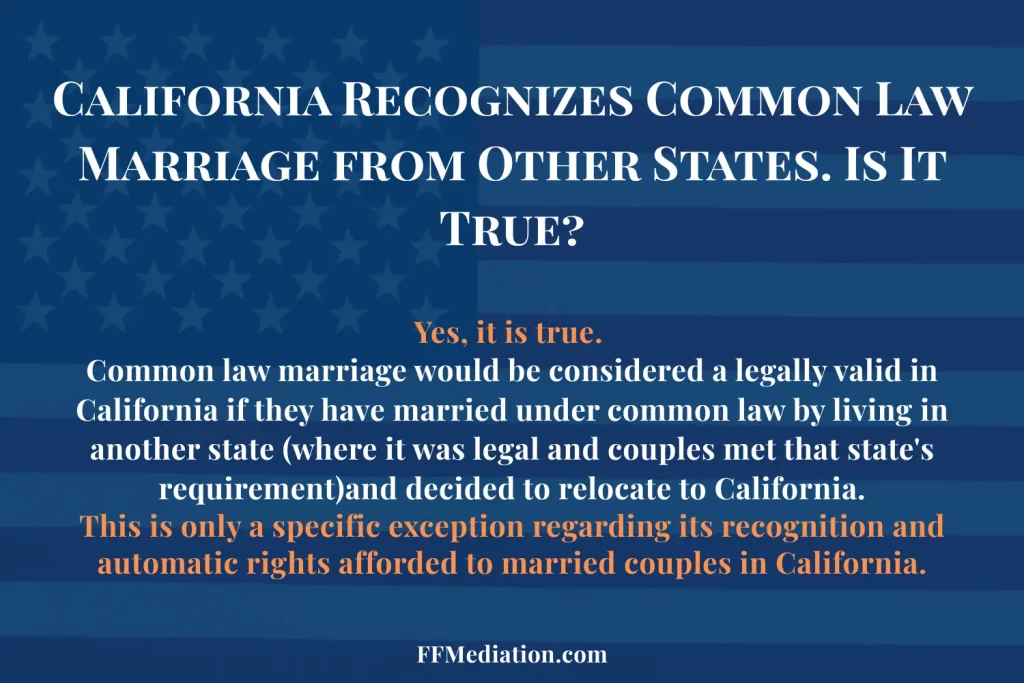
While California does not create common law marriages, it does recognize valid common law marriages that were legally established in other states or jurisdictions where they are permitted. This is a crucial distinction, operating under the legal principle of comity, which generally dictates that states respect the laws and judicial decisions of other states.
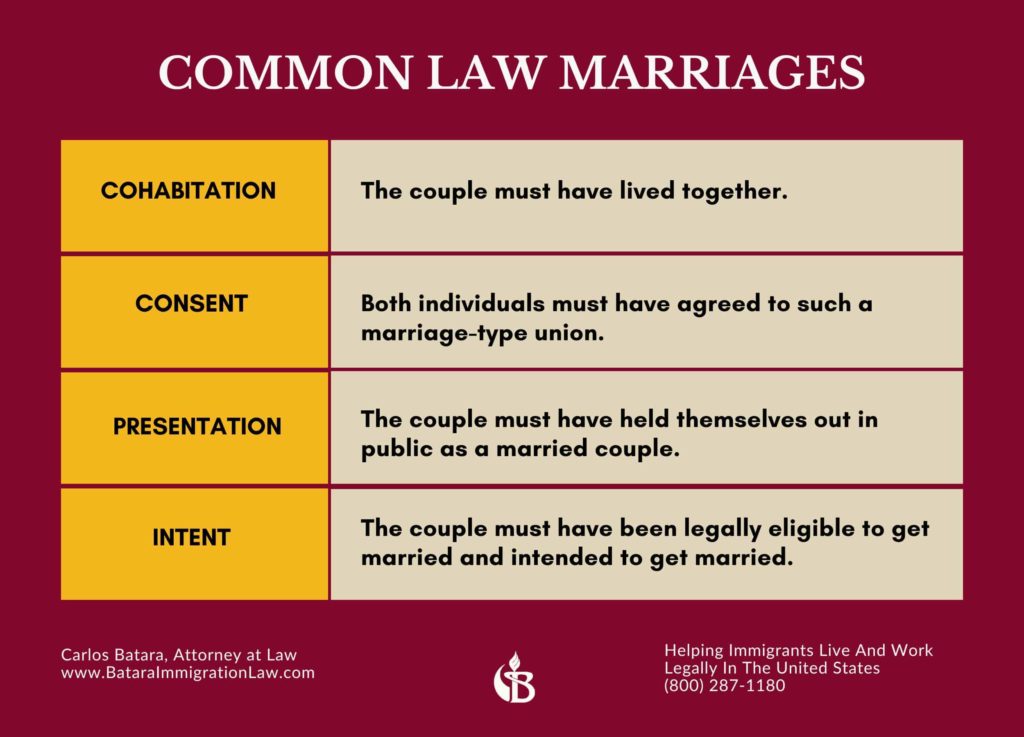
For a common law marriage formed elsewhere to be recognized in California, the couple must demonstrate that they met all the legal requirements for a common law marriage in the state where it was established. This typically involves providing evidence of:
- Intent to marry: Both partners must have genuinely intended to be married to each other.
- Holding out as married: The couple must have presented themselves to the public as husband and wife (or spouses), using the same last name, filing joint tax returns, or identifying each other as spouses in various contexts.
- Cohabitation: The couple must have lived together as spouses.
If these criteria are met according to the laws of the originating state (e.g., Texas or Colorado), then California will treat the couple as legally married, affording them the same rights and responsibilities as couples formally married within the Golden State. This recognition is vital for couples who relocate to California after forming a common law marriage elsewhere, ensuring their legal status and associated rights are preserved.
Why This Matters for Travelers and Residents in California
The absence of common law marriage in California and the nuanced recognition of out-of-state common law marriages have profound implications that extend far beyond legal textbooks. For anyone planning to visit, stay, or reside in California, understanding these distinctions can impact everything from financial planning and healthcare to booking accommodations and navigating emergency situations.
Implications for Planning Your California Getaway
When planning a trip to California, couples might not immediately think about their marital status. However, it can subtly influence several aspects of their journey:
- Accommodation Bookings: While hotels and resorts typically don’t require proof of marriage for double occupancy, some special packages, such as “honeymoon suites” or “couples’ retreats” at luxury establishments in Beverly Hills or Palm Springs, might imply or be marketed towards legally married couples. While unlikely to be a strict barrier, legal recognition can provide a layer of reassurance. For longer-term vacation rentals or booking apartments through services, a shared legal status can simplify joint applications and liability, though it’s rarely a prerequisite.
- Medical Emergencies and Healthcare Decisions: One of the most critical areas where legal marital status comes into play, especially when traveling, is in medical emergencies. If one partner is incapacitated and unable to make decisions, a legally recognized spouse often has automatic rights to make healthcare decisions on their partner’s behalf. For unmarried couples or those in common law marriages not legally recognized, this right may not exist without specific legal documents like an Advance Health Care Directive or Medical Power of Attorney. This is a vital consideration for anyone exploring destinations like Yosemite National Park or the remote beauty of Big Sur, where access to legal counsel might be delayed.
- Travel Insurance and Benefits: Many travel insurance policies, particularly those covering trip cancellation, interruption, or medical emergencies, extend benefits to “spouses.” While some policies may broadly interpret “spouse” to include domestic partners or long-term cohabitants, others might strictly adhere to legal definitions. For couples relying on travel insurance, it’s imperative to confirm how their specific relationship status is recognized by their provider to ensure comprehensive coverage during their California adventure.
- Estate Planning and Inheritance (for long-term travelers/relocators): For couples contemplating an extended stay or eventual relocation, understanding California’s stance is crucial for estate planning. Without a legally recognized marriage (or alternative legal arrangements), unmarried partners generally do not have automatic inheritance rights or the ability to make decisions regarding their partner’s estate, even if they have been together for decades.
Navigating Lifestyle and Long-Term Stays
For couples making California their home, either temporarily or permanently, the absence of common law marriage has even broader implications for their daily lives and future planning:
- Property Rights and Ownership: California is a community property state for married couples. This means that assets acquired during a marriage are generally considered to be equally owned by both spouses. For unmarried cohabiting couples, property acquired during their relationship is generally treated as separate property, unless there’s a clear written agreement to the contrary. This can lead to complex and potentially contentious situations if the relationship ends, especially concerning real estate in high-value areas like San Francisco or Hollywood.
- Financial Planning and Joint Accounts: While unmarried couples can certainly have joint bank accounts or credit cards, legally married couples often enjoy certain protections and presumptions regarding shared finances, especially in cases of debt or bankruptcy. Tax filing status is also directly tied to marital status, impacting overall financial strategy.
- Healthcare and Social Security Benefits: Legally married spouses can often access spousal Social Security benefits, certain healthcare benefits, and employer-sponsored benefits that may not be available to unmarried partners.
- Parental Rights and Child Custody: While parental rights are primarily tied to biological or adoptive parentage, marital status can sometimes influence presumptions of parentage and simplify certain legal processes related to children.
- The “Putative Spouse” Doctrine: California does offer a unique protection for individuals who genuinely believe they are legally married, even if the marriage turns out to be invalid. Under the “putative spouse” doctrine, if one or both parties have a good faith belief in the validity of their marriage, they may be granted certain rights similar to those of a legal spouse upon separation or death, particularly concerning property acquired during the “marriage.” This provides a safety net for those who might have been misled or genuinely mistaken about their marital status.
Exploring Alternatives: Domestic Partnerships in the Golden State
Given that California does not recognize common law marriage, many couples seeking legal recognition for their relationship outside of traditional marriage turn to Domestic Partnerships. This legal framework offers a significant alternative, providing many of the same rights and responsibilities as marriage under California state law.
A Domestic Partnership in California allows eligible couples to register their relationship with the Secretary of State, granting them extensive legal rights and responsibilities that are nearly identical to those of married spouses at the state level. These rights often include:
- Community property rights.
- The right to use sick leave to care for a partner or a partner’s child.
- The right to be included in a partner’s health insurance coverage.
- Rights related to child custody and support.
- Inheritance rights and the ability to make decisions regarding a partner’s estate.
- Hospital visitation rights and the ability to make medical decisions on a partner’s behalf.
- The ability to file joint state tax returns.
Who Can Register for a Domestic Partnership?
California’s Domestic Partnership laws have evolved over time. Currently, two categories of couples are generally eligible to register:
- Same-Sex Couples: Any two adults who meet the eligibility requirements (not married or already in another Domestic Partnership, over 18, capable of consenting, and sharing a common residence) can register. For same-sex couples, this option remains valuable even after marriage equality, offering a distinct legal status.
- Opposite-Sex Couples Over 62: If both partners are over the age of 62 and meet other eligibility criteria, they can also register as Domestic Partners. This option is often chosen by older couples who wish to secure legal protections and benefits without affecting potential Social Security or pension benefits tied to a previous marriage.
It’s important to note that while Domestic Partnerships grant extensive state-level rights, they do not always convey the same federal rights as marriage. This distinction can affect federal benefits, tax filings (federally, they are still considered single or head of household), and immigration matters. Nonetheless, for couples residing in California who wish to formalize their commitment and gain substantial legal protections without traditional marriage, a Domestic Partnership is a robust and widely utilized alternative.
Practical Advice for Couples in California (Common Law or Not)
Navigating legal relationships in a state like California, which has specific rules regarding marriage and partnerships, requires thoughtful consideration. Whether you are coming from a common law state, considering a move, or simply planning an extended stay, proactive steps can safeguard your interests and ensure peace of mind as you explore the wonders of the Golden State, from the bustling streets of San Francisco to the serene shores of Lake Tahoe or the stark beauty of Death Valley National Park.
Consulting Legal Professionals
For couples relocating to California after forming a common law marriage in another state, or those with significant assets and complex family situations, consulting with a California family law attorney is highly recommended. An attorney can help:
- Verify Common Law Marriage Recognition: Confirm that your out-of-state common law marriage will indeed be recognized in California based on the laws of the state where it was formed.
- Understand Rights and Responsibilities: Explain the specific rights and responsibilities that apply to your situation, particularly concerning property, finances, and children under California law.
- Plan for Contingencies: Advise on legal documents needed to protect both partners in unforeseen circumstances.
Creating Essential Legal Documents
Regardless of your marital status, certain legal documents are indispensable for all couples to ensure their wishes are honored, especially when traveling or living far from home:
- Wills and Trusts: Clearly outline how your assets should be distributed upon your passing. For unmarried partners, a will is crucial to ensure your partner inherits as you intend, as they do not have automatic inheritance rights.
- Power of Attorney (Financial): Designate a trusted individual (often your partner) to manage your financial affairs if you become incapacitated.
- Advance Health Care Directives (Medical Power of Attorney): Appoint someone to make medical decisions on your behalf if you are unable to communicate your wishes. This is particularly vital for unmarried partners to ensure they can advocate for each other during medical emergencies.
- Cohabitation Agreements: For unmarried couples, a cohabitation agreement (sometimes called a “palimony agreement”) can function similarly to a prenuptial agreement. It can define financial responsibilities, property ownership, and how assets would be divided if the relationship ends. This provides clarity and protection that California law does not automatically afford to unmarried couples.
Understanding Property Rights
California’s community property laws for married couples contrast sharply with the default separate property rules for unmarried cohabitants. Couples planning to purchase property, whether it’s a vacation home near the Santa Monica Pier or a primary residence, should clearly define ownership interests, especially if contributions are unequal. Holding property as “tenants in common” or “joint tenants” with rights of survivorship are common ways for unmarried couples to structure ownership, but each has distinct legal implications.
Enjoying California, Legally Informed
Ultimately, California offers an unparalleled array of experiences, from the iconic Golden Gate Bridge to the vineyards of Napa Valley and the glitz of Hollywood. While the legal status of your relationship is a serious consideration, it shouldn’t overshadow the joy of experiencing this diverse state. By being informed about California’s laws regarding common law marriage and understanding the available alternatives and necessary legal preparations, couples can ensure their journey, whether it’s a short vacation or a lifelong adventure in the Golden State, is secure, joyful, and free from unnecessary legal complications.
In conclusion, while California does not originate common law marriages, it acknowledges those legally formed elsewhere. For couples traveling to or residing in the state, understanding these distinctions is key to making informed decisions about accommodation, healthcare, financial planning, and ensuring peace of mind. Whether through formal marriage or a registered Domestic Partnership, securing your legal standing will only enhance your ability to fully immerse yourselves in all that California has to offer.
LifeOutOfTheBox is a participant in the Amazon Services LLC Associates Program, an affiliate advertising program designed to provide a means for sites to earn advertising fees by advertising and linking to Amazon.com. Amazon, the Amazon logo, AmazonSupply, and the AmazonSupply logo are trademarks of Amazon.com, Inc. or its affiliates. As an Amazon Associate we earn affiliate commissions from qualifying purchases.