The Golden State, known globally for its breathtaking landscapes, innovative spirit, and vibrant cultural tapestry, often finds itself at the forefront of national conversations—be it technological advancements in Silicon Valley, the allure of Hollywood, or its progressive social policies. Among these discussions, the question, “Is California a sanctuary state?” frequently arises, particularly in an era of heightened awareness regarding immigration and state sovereignty. For travelers planning a visit, new residents considering a move, or simply those interested in understanding the nuances of American governance, comprehending California’s stance on this matter is crucial. It sheds light not only on legal frameworks but also on the lifestyle, cultural ethos, and welcoming atmosphere that define this diverse state.
At its core, the term “sanctuary state” refers to a state that has policies in place to limit its cooperation with federal immigration enforcement agencies, primarily Immigration and Customs Enforcement (ICE). These policies typically aim to protect undocumented immigrants from deportation by preventing local law enforcement from using their resources to enforce federal immigration laws. It’s a nuanced position, not one that grants blanket immunity or ignores federal statutes, but rather one that delineates the roles of local versus federal authorities. California’s journey to becoming a “sanctuary state” is deeply rooted in its demographic makeup, its historical ties to Mexico, and its long-standing commitment to civil rights and inclusivity, mirroring the very diversity that makes its travel destinations so rich and compelling.
Decoding the “Sanctuary State” Status in California
To fully grasp what it means for California to be a sanctuary state, one must delve into the specific legislation and the principles that underpin it. This isn’t just a political label; it’s a framework that influences everything from community policing to the cultural fabric of its cities, impacting the daily lives of millions and shaping the visitor experience across its many destinations.
What Does “Sanctuary” Truly Imply for the Golden State?
The concept of “sanctuary” in the context of state policy does not mean that a state has open borders or that it condones illegal immigration. Instead, it primarily focuses on prioritizing public safety and fostering trust between local communities and law enforcement. The rationale is that when undocumented residents feel safe reporting crimes, interacting with police, and accessing essential services without fear of deportation, it benefits everyone. This approach aims to make communities safer, not just for immigrants, but for all residents and visitors. For a state like California, which prides itself on its progressive values and multiculturalism, this stance aligns with its broader vision of an inclusive society, a vision often reflected in its diverse cultural attractions, culinary scenes, and vibrant neighborhoods in cities like San Francisco and Los Angeles.
Historically, many cities within California, such as San Francisco and Los Angeles, adopted sanctuary policies independently long before the state followed suit. These local ordinances often restricted city employees, including police, from asking about immigration status or cooperating with ICE. The statewide movement gathered momentum as federal immigration enforcement intensified, leading to calls for a more unified, protective approach across the entire state. This evolution underscores a deeply ingrained philosophy within California to protect vulnerable populations and ensure all residents, regardless of immigration status, have access to fundamental rights and services.
The California Values Act (SB 54): A Landmark Legislation
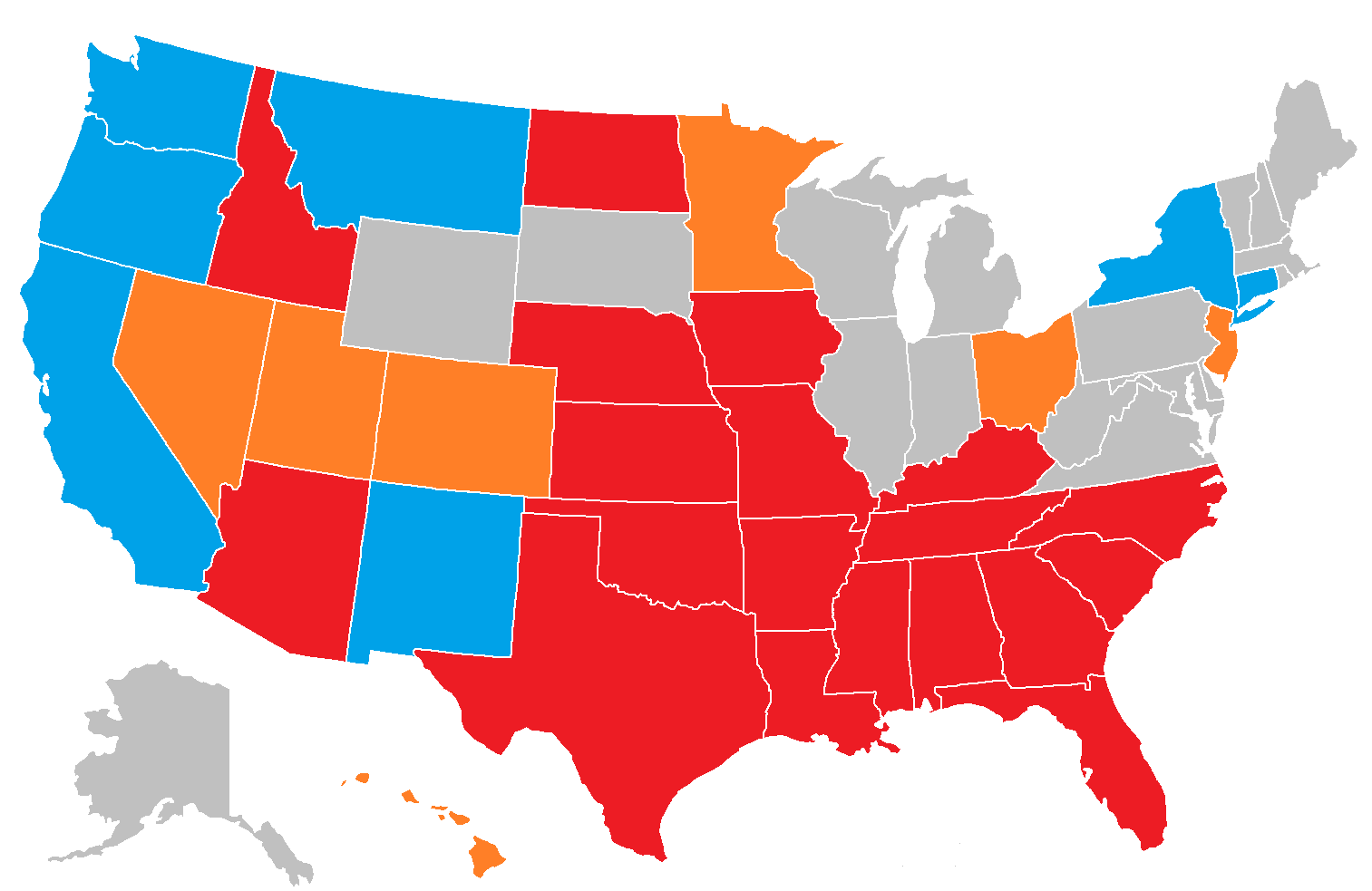
The definitive answer to whether California is a sanctuary state lies primarily in the enactment of the California Values Act, commonly known as SB 54. Signed into law in October 2017 by Governor Jerry Brown and taking effect on January 1, 2018, SB 54 transformed California into the nation’s first “sanctuary state” for undocumented immigrants.
The key provisions of SB 54 significantly restrict state and local law enforcement agencies from using their resources to aid federal immigration enforcement. Specifically, it prohibits state and local law enforcement from:
- Inquiring about a person’s immigration status during routine interactions.
- Detaining individuals based on an ICE hold request, unless they have committed certain serious crimes.
- Transferring individuals to ICE custody unless they have been convicted of specific serious felonies.
- Using local resources, such as personnel or facilities, for federal immigration enforcement purposes, including assisting in raids or investigations solely focused on immigration violations.
It’s crucial to understand what SB 54 does not do. It does not prevent ICE from operating within California or performing its duties. Federal agents can still make arrests and conduct enforcement actions, but they must do so without the active assistance of state and local police. Furthermore, SB 54 does not provide sanctuary for individuals who have committed serious or violent felonies; it specifically carves out exceptions for these cases, allowing cooperation with federal authorities for public safety reasons. This nuanced approach highlights California’s commitment to both protecting its diverse communities and ensuring overall public safety.
The Broader Impact: Lifestyle, Tourism, and California’s Identity
California’s sanctuary status has far-reaching implications that extend beyond legal debates, touching upon the very essence of life and travel within its borders. It contributes to the state’s unique character, influencing its lifestyle, its appeal as a tourist destination, and its role as a beacon of progressive governance.
Shaping Community Life and Cultural Diversity
The presence of sanctuary policies helps foster an environment where diverse communities, including those with undocumented residents, can thrive with a greater sense of security. In cities like Sacramento, Oakland, San Jose, and Santa Ana, this means residents are more likely to engage with local government, access healthcare, enroll their children in schools, and report crimes without the paralyzing fear of deportation. This integration strengthens the social fabric, promoting a more cohesive and engaged citizenry.
For those interested in the lifestyle aspect of California, this policy contributes to the rich multiculturalism that is a hallmark of the state. From the vibrant street art of Los Angeles to the diverse culinary scene of San Francisco, the contributions of immigrant communities are undeniable and deeply woven into the state’s identity. Sanctuary policies, by promoting stability and inclusivity, help preserve and enhance this cultural mosaic, making California an even more dynamic and enriching place to live, work, and visit.
Legal Challenges and Political Debates
Unsurprisingly, California’s sanctuary status has not been without its challenges. The federal government, under various administrations, has contested SB 54, arguing that it impedes federal immigration enforcement and undermines national security. These legal battles have often played out in federal courts, with California largely defending its right to set its own policies regarding the use of state and local resources. These legal skirmishes underscore the ongoing tension between state sovereignty and federal authority in the United States immigration system.
Despite the political contention, the state’s leadership has consistently argued that SB 54 is a matter of states’ rights and smart policing. By focusing local resources on local crimes rather than federal immigration matters, law enforcement can build trust within all communities, which is paramount for effective crime prevention and resolution. This commitment has been a defining feature of California’s political landscape for years, further solidifying its reputation as a state unafraid to forge its own path.

California as a Global Destination: A Welcoming Ethos
For travelers and tourists considering a trip to California, the state’s sanctuary status, while seemingly a political matter, subtly reinforces its image as a welcoming and inclusive destination. Whether exploring the historic missions, hiking in Yosemite National Park, or indulging in the exquisite wines of Napa Valley, visitors encounter a state that embraces diversity as a core strength. The cultural vibrancy born from this inclusivity—evidenced in its festivals, cuisines, and artistic expressions—is a significant draw for global travelers seeking authentic and enriching experiences.
From the iconic Golden Gate Bridge in San Francisco to the sun-drenched beaches of San Diego and the magical realms of Disneyland in Anaheim, California’s attractions are as diverse as its population. The welcoming atmosphere, nurtured by policies like SB 54, means that the state champions a lifestyle where different cultures not only coexist but flourish together. This makes California not just a place of stunning natural beauty and technological innovation, but also a destination where the human spirit of inclusion is celebrated.
In conclusion, yes, California is indeed a sanctuary state, by virtue of its comprehensive California Values Act (SB 54). This designation is a reflection of its deep-seated values of inclusivity, civil rights, and state sovereignty. It’s a policy choice that defines its unique social and cultural landscape, contributing to the distinct lifestyle found within its borders and enhancing its reputation as a globally diverse and welcoming travel destination on the North American continent, bordered by the Pacific Ocean. Understanding this aspect of California offers a richer perspective on what makes the Golden State so unique and appealing to people from all walks of life, whether they are seeking adventure, cultural immersion, or simply a place to call home.