
The question of whether California or Texas is larger often sparks a lively debate, fueled by the sheer magnitude and cultural significance of both states within the United States. These two titans dominate headlines, attract millions of tourists, and boast economies that rival those of many sovereign nations. Yet, when it comes down to a simple measurement of physical size, one clearly emerges as the victor. Beyond the raw numbers, the true scale of these states lies in their diverse landscapes, sprawling populations, economic engines, and the myriad of travel experiences they offer, making them perennial favorites for travelers seeking everything from serene natural beauty to bustling urban adventures.
Understanding the spatial dimensions of California and Texas is merely the starting point. Their vastness has profoundly shaped their unique identities, influencing everything from climate and geography to industry and lifestyle. For any travel enthusiast, hotel booker, or tourism planner, appreciating this scale is crucial for navigating the immense possibilities each state presents. From the sun-drenched beaches of California to the rugged ranches of Texas, these states are not just large; they are worlds unto themselves, each offering distinct attractions, accommodation options, and cultural immersion opportunities.
The Grand Scale: A Battle of Giants
To definitively answer the question, we must look at the objective data: the total land area. However, merely stating a number doesn’t capture the full picture of what this size means for residents and visitors alike. It dictates the diversity of ecosystems, the length of road trips, and the sheer volume of landmarks and hidden gems waiting to be discovered.
By the Numbers: Area and Geographic Footprint
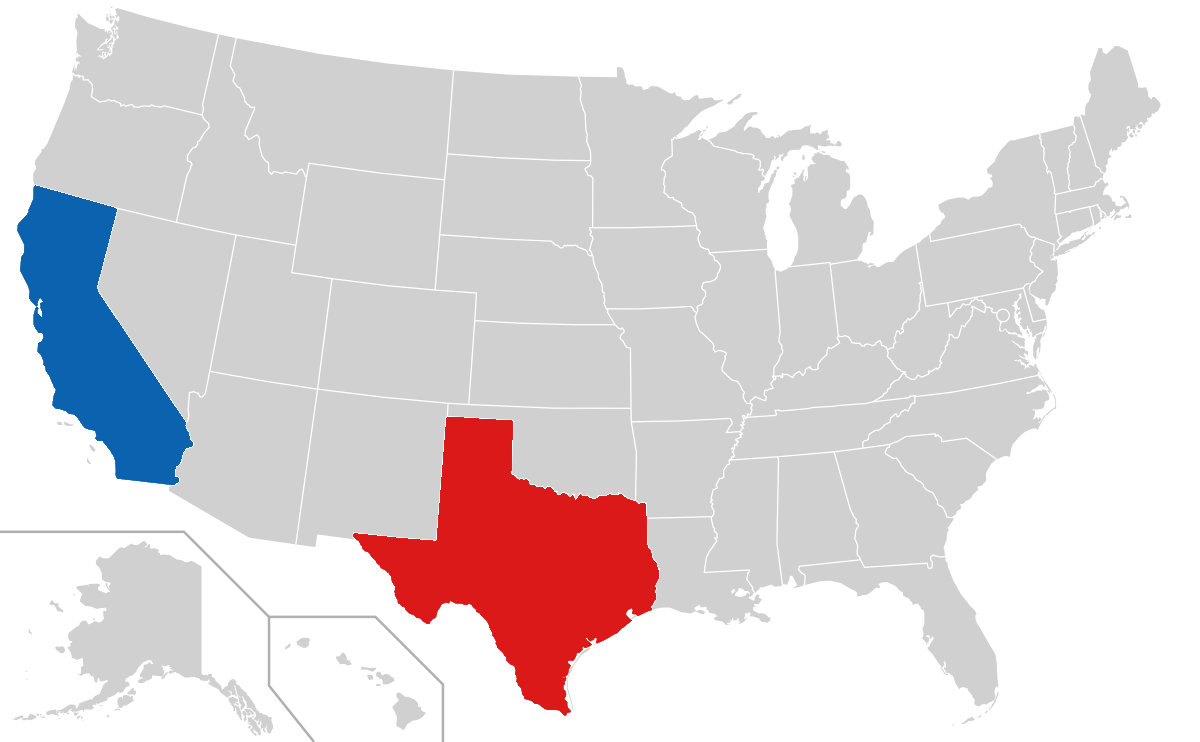
When comparing land area, California covers approximately 163,695 square miles (423,970 square kilometers). Its extensive borders touch Oregon to the north, Nevada and Arizona to the east, and Mexico to the south, with the vast Pacific Ocean defining its western edge. This immense footprint encompasses an incredible range of geographical features, from towering mountain ranges and sprawling deserts to fertile valleys and a lengthy coastline.
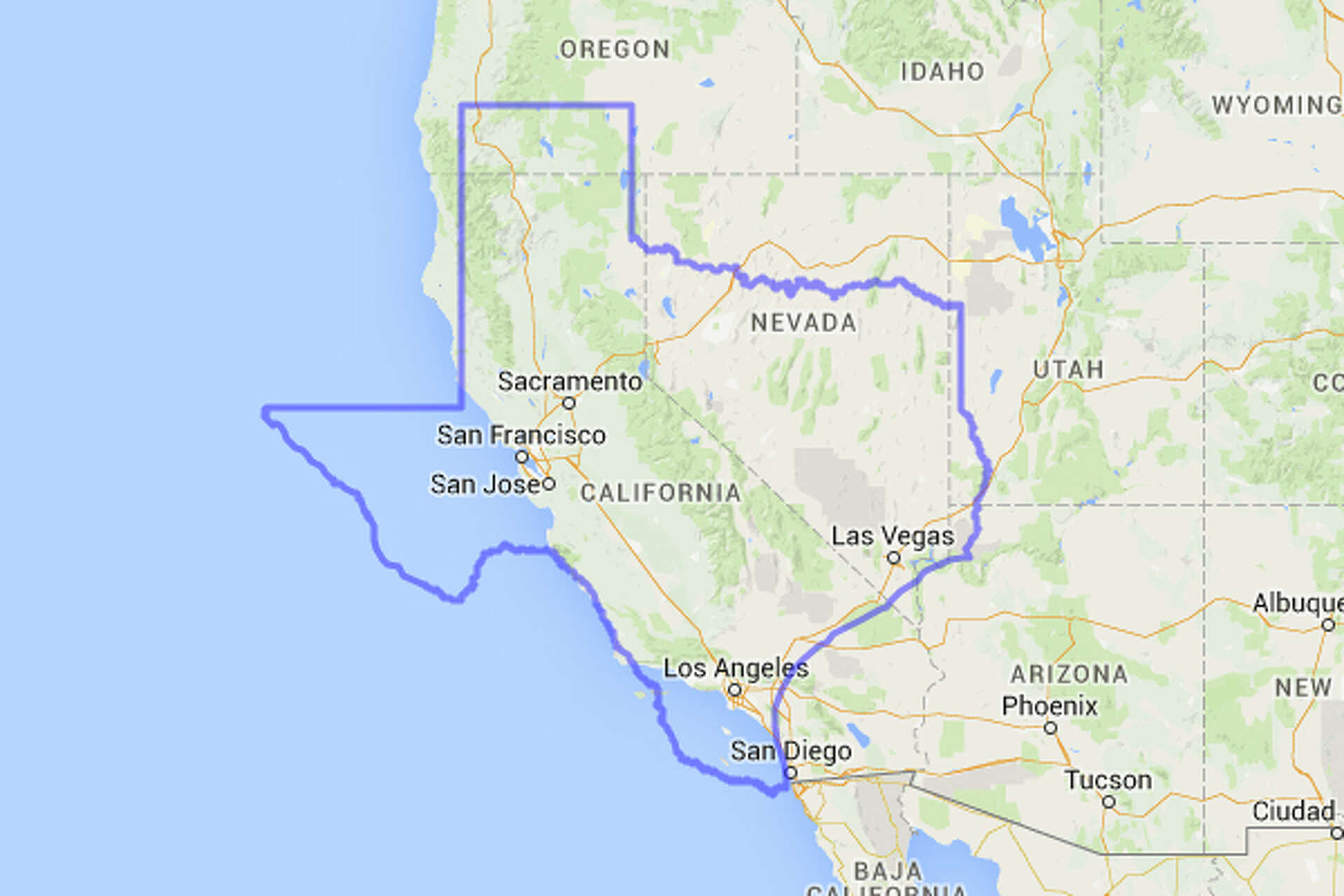
Texas, on the other hand, is even larger. It spans an impressive 268,596 square miles (695,662 square kilometers), making it the second-largest state in the United States after Alaska. Texas shares borders with Louisiana, Arkansas, Oklahoma, and New Mexico, as well as Mexico to the south. Its southeastern border is defined by the Gulf of Mexico.
So, to answer the initial question directly: Yes, Texas is significantly bigger than California in terms of total land area. This difference in size — Texas being over 100,000 square miles larger — is a fundamental factor in understanding their distinct characters and the travel experiences they provide. The sheer expanse of Texas contributes to its reputation as a state of vast open spaces and diverse ecological regions, while California’s slightly smaller but still massive area is packed with an astonishing array of iconic landmarks and microclimates.
Population Powerhouses: More Than Just Land
While Texas claims the title for land area, California holds the crown for population. With nearly 40 million residents, California is the most populous state in the United States. This high population density, particularly concentrated in major metropolitan areas like Los Angeles, San Francisco, and San Diego, contributes to its vibrant urban culture, diverse culinary scene, and a constant buzz of activity. The demand generated by such a large populace drives a sophisticated tourism infrastructure, offering everything from luxury hotels to budget-friendly hostels.
Texas is not far behind, with a rapidly growing population exceeding 30 million, making it the second most populous state. Its major cities, including Houston, San Antonio, Dallas, and Austin, are sprawling urban centers that also attract millions of visitors annually. The population growth in both states indicates robust economies and a continually evolving landscape for tourism and accommodation. Whether you’re seeking the bustling energy of a major city or the quiet charm of a smaller town, both California and Texas offer abundant choices for travelers and residents alike.
Diverse Landscapes and Climates: Exploring Two Worlds
The sheer size of both California and Texas directly translates into an incredible diversity of landscapes and climates. This geographical richness is what makes them such compelling travel destinations, offering a spectrum of natural wonders and outdoor activities. From mountains to deserts, coastlines to plains, each state provides a unique backdrop for unforgettable experiences.
California’s Geographic Tapestry
California is a land of dramatic contrasts. Its landscape includes the towering peaks of the Sierra Nevada mountains, home to Mount Whitney, the highest point in the contiguous United States, and the lowest point, Death Valley, a mere 80 miles away. The state boasts ancient redwood forests in Redwood National Park, the iconic granite cliffs and waterfalls of Yosemite National Park, and the giant sequoias of Sequoia National Park. The Mojave Desert sprawls across its southeastern region, contrasting sharply with the fertile Central Valley and the picturesque coastline that stretches for over 800 miles.
This topographical variety offers endless outdoor adventures. Travelers can ski in Lake Tahoe in the morning and surf near Los Angeles in the afternoon. Hiking, rock climbing, camping, and exploring national parks like Joshua Tree National Park are popular activities. For those seeking coastal beauty, the rugged cliffs of Big Sur and the scenic beaches near San Diego provide breathtaking views and opportunities for relaxation. Accommodation options range from rustic cabins in national parks to luxurious beachfront resorts, catering to every type of traveler.
Texas’s Expansive Terrain
Texas, with its even greater landmass, also presents a remarkable array of terrains, often surprising those who only picture arid plains. The state can be broadly divided into several distinct regions: the Gulf Coast plains, the Central Plains, the Great Plains, and the Basin and Range Province in West Texas. This means visitors can explore everything from the sandy shores of Padre Island National Seashore to the mountainous deserts of Big Bend National Park and Guadalupe Mountains National Park.
The rolling hills and picturesque vineyards of the Hill Country offer a scenic escape, while the vast ranchlands epitomize the state’s cowboy heritage. The dramatic cliffs of Palo Duro Canyon State Park, often called the “Grand Canyon of Texas,” provide stunning vistas and hiking trails. For nature lovers and adventurers, the opportunities are boundless, from fishing and boating on its numerous lakes to birdwatching in its diverse ecosystems. The sheer scale allows for everything from bustling city tours to tranquil, remote wilderness experiences, making Texas a truly versatile destination for tourism.
Climate Contrasts: From Deserts to Coastlines
The distinct geographical features of California and Texas are mirrored in their varied climates. California is famous for its Mediterranean climate along the coast, characterized by warm, dry summers and mild, wet winters, making it an ideal destination for much of the year. Inland areas, however, can experience extreme heat in the deserts and heavy snowfall in the mountains. This allows for diverse seasonal activities, from summer beach trips to winter sports in the Sierras.
Texas experiences a wider range of climates due to its larger size and varying topography. The eastern part of the state has a humid subtropical climate, bringing hot, muggy summers and mild winters, often influenced by moisture from the Gulf of Mexico. Central Texas tends to be drier, while West Texas features an arid to semi-arid desert climate, with significant temperature swings between day and night. This climatic diversity means that planning travel to Texas requires consideration of regional weather patterns, whether you’re aiming for a summer beach vacation on the Gulf Coast or an autumn hiking trip in the western mountains.
Economic Engines and Lifestyle Lures
Beyond their physical and natural attributes, both California and Texas are economic powerhouses and lifestyle magnets, each offering unique cultural experiences and opportunities for both business and leisure travelers. Their significant roles on the global stage are reflected in their vibrant cities, innovative industries, and world-class attractions.
Economic Might: Innovation vs. Industry
California’s economy is renowned for its innovation and technology, with Silicon Valley at its heart, driving global advancements in tech, software, and venture capital. The state also boasts a thriving entertainment industry centered in Hollywood, a robust agricultural sector in its fertile valleys, and a significant aerospace industry. This economic diversity contributes to a sophisticated, cosmopolitan lifestyle in its urban centers, attracting a diverse population and a steady stream of business travelers. Luxury hotels, fine dining, and high-end shopping are staples in cities like Los Angeles and San Francisco.
Texas is often associated with the energy sector, particularly oil and natural gas, which remain significant drivers of its economy. However, the state has diversified considerably, becoming a hub for technology (often dubbed “Silicon Hills” in Austin), aerospace, biomedical research, and a strong manufacturing base. Major corporations have relocated their headquarters to Texas, further fueling its growth. This economic dynamism fosters a lifestyle that balances traditional values with modern aspirations, evident in its thriving music scene, burgeoning food culture, and extensive convention facilities. Cities like Houston and Dallas are major centers for business travel, offering a wide array of business-friendly accommodations and amenities.
Travel and Tourism: Attractions and Experiences
Both states are treasure troves for tourism, each boasting an impressive roster of landmarks, attractions, and unique experiences.
California’s Highlights:
- Iconic Landmarks: The Golden Gate Bridge in San Francisco, the Hollywood Walk of Fame, and the stunning coastline of Big Sur.
- World-Class Theme Parks: Disneyland Park in Anaheim and Universal Studios Hollywood in Los Angeles are major draws for families.
- Natural Wonders: Yosemite National Park, Sequoia National Park, Joshua Tree National Park, and Death Valley offer unparalleled outdoor beauty.
- Culinary and Wine Tourism: The vineyards of Napa Valley and Sonoma Valley are world-renowned, complemented by a farm-to-table culinary movement throughout the state.
- Coastal Charm: Picturesque towns like Santa Barbara, Monterey, and San Diego offer beautiful beaches, marine life, and vibrant arts scenes.
Texas’s Highlights:
- Historical Sites: The Alamo in San Antonio is a national treasure, reflecting the state’s pivotal role in American history.
- Urban Experiences: The San Antonio River Walk, the vibrant live music scene in Austin, and the diverse cultural attractions of Houston and Dallas.
- Space Exploration: Space Center Houston offers an immersive look into NASA’s missions.
- Natural Escapes: Big Bend National Park, Padre Island National Seashore, and the Texas Hill Country provide opportunities for hiking, wildlife viewing, and water activities.
- Theme Parks and Entertainment: Six Flags Over Texas in Arlington and a growing number of entertainment districts cater to all ages.
- Authentic Culture: From rodeo events to world-famous barbecue joints, Texas offers a truly unique cultural immersion.
Accommodation Choices: Hotels, Resorts, and Beyond
Given their status as major travel hubs, both California and Texas offer an extensive range of accommodation options to suit every preference and budget. From luxurious five-star resorts to charming boutique hotels, practical business stays, and unique vacation rentals, the choices are vast.
In California, especially in popular destinations like Beverly Hills, San Francisco, and Napa Valley, you’ll find an abundance of high-end hotels and resorts from global brands like Four Seasons and Ritz-Carlton, offering impeccable service, gourmet dining, and lavish amenities. For those seeking unique experiences, there are eco-lodges near national parks, historic inns, and stylish urban boutique hotels. The vacation rental market, including platforms like Airbnb and VRBO, is also incredibly robust, offering apartments, villas, and long-term stay options perfect for families or groups.
Texas also delivers a comprehensive selection of lodging. In cities like Houston, Dallas, and Austin, travelers will find a plethora of business hotels from brands like Marriott and Hilton, along with upscale independent hotels and boutique options reflecting the local culture. For a more authentic Texan experience, guests can opt for guest ranches in the Hill Country, charming bed-and-breakfasts in historic towns, or lakeside cabins. The variety ensures that whether you are planning a luxury escape, a budget-friendly family trip, or an extended business stay, you will find suitable accommodation. Reviews and comparison websites are invaluable tools for navigating these extensive choices and securing the best deals for your specific needs.
Deciding Your Next Adventure: California or Texas?
Ultimately, the choice between California and Texas for your next trip depends entirely on your travel preferences, desired experiences, and what you hope to gain from your journey. Both states offer an unparalleled range of opportunities, shaped by their distinct sizes, geographies, and cultural identities.
Planning Your Trip: Practical Considerations
When planning a trip to either California or Texas, the sheer scale of each state means that focusing on a specific region or a cluster of attractions is often the most practical approach. Attempting to see everything in one visit, especially in Texas due to its larger size, could lead to extensive travel times and a rushed experience. Consider what kind of lifestyle experience you seek:
- For nature enthusiasts and diverse landscapes: California offers an incredible variety in a relatively compact (though still vast) area, from mountains to deserts to coastlines. Texas provides expansive wilderness and unique desert ecosystems.
- For urban explorers and cultural experiences: Both states have vibrant cities. California’s cities like Los Angeles and San Francisco are known for innovation, entertainment, and diverse populations. Texas cities like Austin and San Antonio boast unique music scenes, rich history, and distinctive Texan hospitality.
- For luxury travel: California excels with its world-class resorts, fine dining, and exclusive experiences, particularly in areas like Beverly Hills and Napa Valley. Texas offers luxury in its major metropolitan areas and upscale ranch experiences.
- For budget travel: Both states offer plenty of options for budget-conscious travelers, from camping in national parks to affordable hotels and local eateries. Planning ahead and leveraging booking comparison sites are key for cost-effective trips.
Regardless of your choice, researching local culture, seasonal activities, and transportation options is crucial for a smooth and enjoyable journey. Whether you’re flying into Sacramento or Houston, renting a car is often recommended for exploring the wider regions of both states due to their immense sizes.
Unforgettable Experiences Await
In conclusion, while Texas is indeed the larger state by land area, both it and California offer an abundance of experiences that extend far beyond mere size. They are massive in their impact, their culture, their natural beauty, and their economic significance. From booking a luxury suite overlooking the Pacific Ocean to finding a charming guesthouse in the Texas Hill Country, your accommodation choice will be as diverse as the destinations themselves. Exploring the famous landmarks, indulging in local cuisine, and immersing yourself in the unique lifestyles of these two great states promise a journey filled with discovery and cherished memories. The question isn’t just about which is bigger, but which grand adventure calls to you next.
LifeOutOfTheBox is a participant in the Amazon Services LLC Associates Program, an affiliate advertising program designed to provide a means for sites to earn advertising fees by advertising and linking to Amazon.com. Amazon, the Amazon logo, AmazonSupply, and the AmazonSupply logo are trademarks of Amazon.com, Inc. or its affiliates. As an Amazon Associate we earn affiliate commissions from qualifying purchases.